
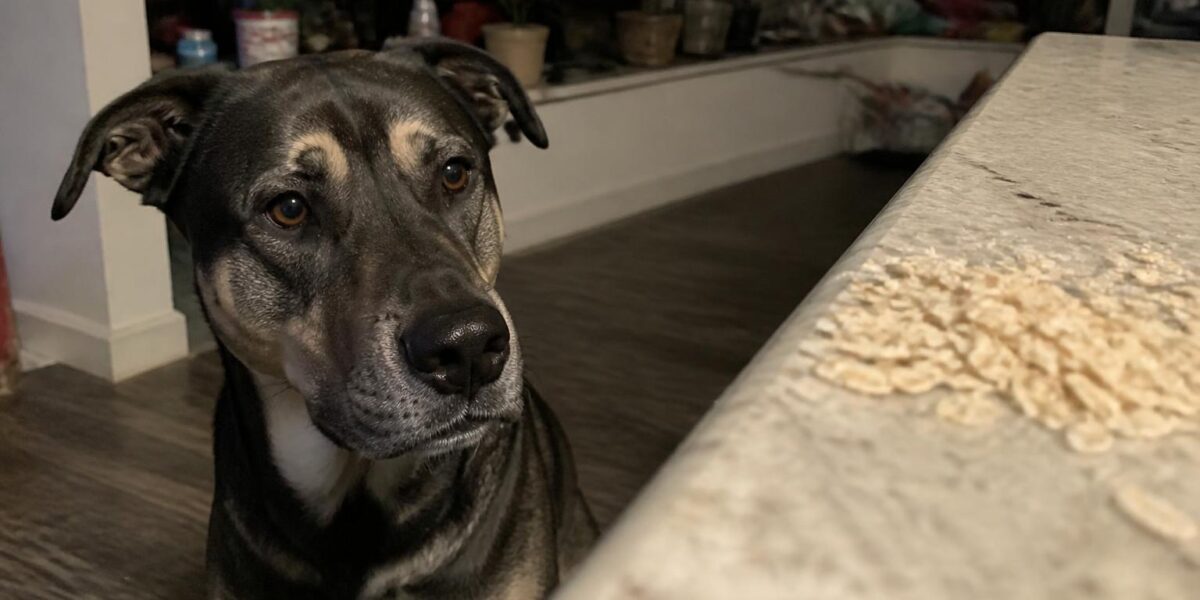
Can Dogs Eat Oats? The Short Answer
Can dogs eat oats? Yes. Plain, cooked oats are safe for dogs and are a genuinely nutritious whole grain when served in moderation. Oats are a common ingredient in quality dog foods, and a small serving of plain cooked oats makes a wholesome, gentle treat or food topper.
In this article
The keys are to cook them plain in water, skip the sugar and flavorings we add for ourselves, and keep portions appropriate. Prepared simply, oats are one of the more beneficial human foods you can share with your dog.
Unlike many treats that are merely harmless, oats actually bring something useful to the table. They are gentle, digestible, and naturally free of the ingredients that make so many human snacks risky for dogs, which is part of why they show up in so many commercial dog foods.
The Nutritional Benefits of Oats
Oats are a heart-healthy whole grain that offer dogs several real benefits. Their balanced nutrition is part of why they appear in so many commercial dog foods.
- Soluble fiber to support healthy digestion and regularity.
- Slow-release carbohydrates for steady energy.
- B vitamins for metabolism and a healthy coat.
- Minerals like iron, zinc, and manganese.
Oats are also a useful alternative grain for dogs that do not tolerate wheat or corn well, since they are naturally easy to digest. The fiber can be especially helpful for dogs with mild constipation, though you should always loop in your vet for ongoing digestive issues.
The soluble fiber in oats, including a type called beta-glucan, forms a gentle gel in the gut that can help firm up loose stools and promote regularity. This makes a small amount of plain oatmeal a soothing addition for some dogs with sensitive digestion, though it is no substitute for veterinary care when problems persist.
How to Prepare Oats Safely
Plain cooked oatmeal is the best way to serve oats. Cooking softens them and makes them easier to digest than raw oats, which can be hard on the stomach.
To prepare oats safely:
- Cook plain oats in water, not milk, which many dogs cannot digest well.
- Add no sugar, salt, butter, honey, or flavorings.
- Avoid flavored instant oatmeal packets, which often contain too much sugar and sometimes xylitol.
- Let the oatmeal cool fully before serving a small amount.
Skip any oatmeal with raisins, chocolate, or sweeteners, since these can be toxic to dogs. Plain and simple is always best, and a batch cooked in plain water can be portioned and refrigerated for several days of easy toppers.
Old-fashioned rolled oats and steel-cut oats both work well once cooked soft. The main thing to avoid is the flavored instant packets, which are designed for human taste buds and frequently hide sugar, salt, and artificial sweeteners that dogs do not need.
Safe Serving Size
Like all treats and extras, oats should fit within the 10 percent of daily calories rule. A tablespoon of cooked oatmeal for a small dog, or a few tablespoons for a large dog, is a reasonable amount.
Introduce oats gradually the first time. Because they are high in fiber, too much too quickly can cause loose stools or gas, so start small and see how your dog responds before making oats a regular addition.
Oats are carbohydrate-rich, which means they do add calories, so they should complement rather than pile on top of a full meal. If you are using oats as a topper, consider trimming your dog’s regular food slightly so the total calories stay in balance, especially for dogs prone to weight gain.
Symptoms of Trouble to Watch For
Oats are well tolerated by most dogs, but eating too much can cause digestive upset such as gas, bloating, or diarrhea from the extra fiber. This usually clears up once you reduce the portion.
Watch also for any signs of a grain sensitivity, such as itchy skin or an upset stomach, though true grain allergies in dogs are uncommon. If your dog has diabetes, talk with your veterinarian first, since oats are carbohydrate-rich. And if your dog ate flavored oatmeal with sweeteners like xylitol, contact your vet right away, as xylitol is highly toxic.
If your dog shows persistent itching, recurring ear infections, or ongoing digestive trouble, do not assume oats are to blame or self-diagnose a food allergy. These signs have many causes, and your veterinarian can help you identify the real culprit and the right diet.
For the small, plain portions most dogs receive, oats are well tolerated and any reaction is likely to be mild at most. The cautions here mainly matter for diabetic dogs, those eating large amounts, or anyone tempted by flavored instant packets. Stick to plain oats cooked in water and introduced gradually, and oatmeal stays a gentle, easygoing addition to your dog’s routine.
Fun Ways to Serve Oats to Your Dog
Once you know your dog tolerates oats well, there are several easy ways to work a small amount into their routine. The simplest is to stir a spoonful of plain cooked oatmeal into their regular food, where it adds gentle fiber and a soft, comforting texture.
Oats also make a handy base for homemade treats. You can mix plain cooked oats with a little mashed banana or a spoonful of plain pumpkin and bake small, simple biscuits with no added sugar, salt, or butter. These make wholesome rewards you can feel good about, and you control exactly what goes in.
For a soothing option on a warm day, you can stir a little plain cooked oatmeal into plain unsweetened yogurt, if your dog tolerates dairy, and freeze it in small portions. Keep any oat-based treat plain and modest in size, and remember that oats add calories, so they should fit within your dog’s daily treat allowance rather than on top of full meals.
Other Wholesome Grains and Toppers for Dogs
If your dog enjoys grains, there are several healthy options to rotate. Our guide to oatmeal for dogs covers the cooked-cereal form in more detail, while rice and quinoa are gentle, easy-to-digest staples. For a fiber-rich fruit topper, you might also read about cranberries.
As with any addition to your dog’s bowl, introduce oats slowly and plainly, and check with your veterinarian if your dog is diabetic, overweight, or has a sensitive stomach. Sharing a spoonful of plain oatmeal is a simple, wholesome way to enrich your rescue dog’s meals.
What sets oats apart from many human foods is that they are genuinely good for dogs rather than merely harmless. The fiber, slow-release energy, and B vitamins all earn oats a place as a wholesome topper, and the fact that they appear in so many quality dog foods speaks to how well dogs digest them. That makes them an easy, low-stress food to share.
The main pitfalls are not the oats themselves but what gets added to them. Sugar, salt, butter, raisins, chocolate, and xylitol all turn a healthy bowl of oatmeal into something risky, so the golden rule is to keep it plain and cooked in water. Stick to that, and oats become one of the simplest treats to feel good about.
For dogs with mild constipation or a sensitive stomach, a small spoonful of plain cooked oats can even be soothing, though ongoing digestive issues always deserve a veterinary check. Used thoughtfully and in moderation, oats are a gentle, nourishing way to add a little variety and comfort to your dog’s day.
Frequently Asked Questions
Are oats good for dogs?
Yes, in moderation. Plain cooked oats provide fiber, B vitamins, and slow-release energy, and they are a gentle alternative grain for dogs that do not tolerate wheat or corn.
Can dogs eat raw oats?
It is better to cook them. Raw oats are harder to digest, so plain oatmeal cooked in water is gentler and safer for your dog’s stomach.
Can dogs eat flavored instant oatmeal?
No. Flavored packets often contain added sugar, and some include xylitol, which is toxic to dogs. Stick to plain oats cooked in water.
How much oatmeal can a dog eat?
A tablespoon for a small dog or a few tablespoons for a large dog, kept within the 10 percent treat allowance. Start small to avoid gas or loose stools.
Can oatmeal help a dog with an upset stomach?
A small amount of plain cooked oatmeal can be gentle and its fiber may help firm up loose stools, but for ongoing digestive problems you should consult your veterinarian.


