
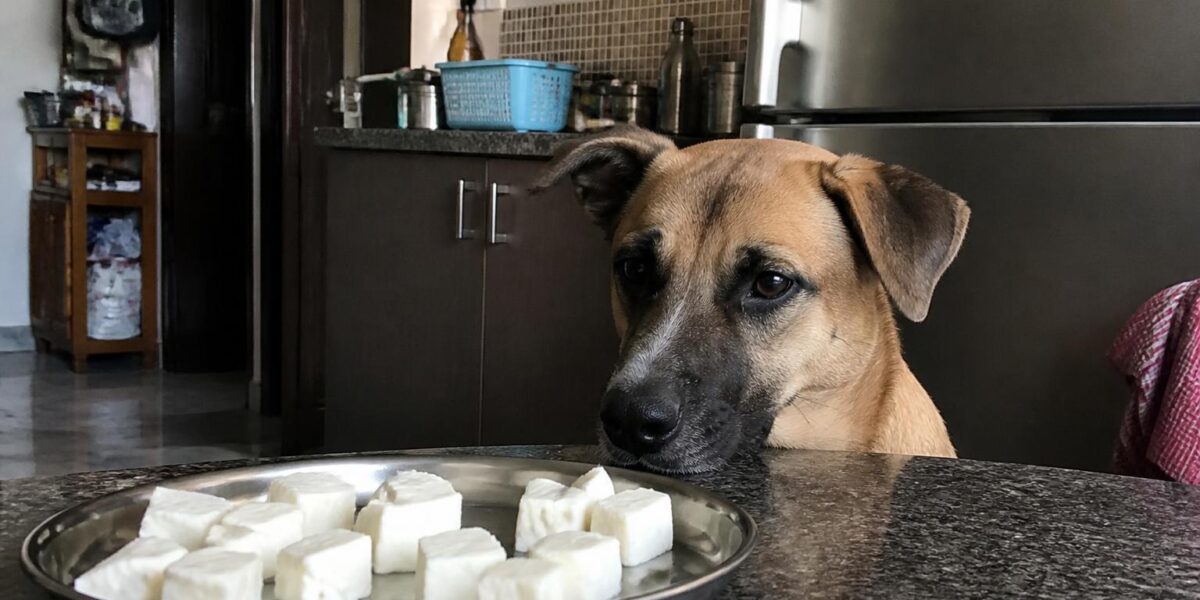
Can Dogs Eat Paneer? The Short Answer
Can dogs eat paneer? Yes, in small amounts. Paneer, the fresh Indian cheese made by curdling milk, is not toxic to dogs, and a little plain paneer can be a fine occasional treat for most healthy dogs. As with all cheese, moderation and plain preparation are essential.
In this article
Paneer is unsalted and unaged, which makes it lower in sodium than many cheeses, but it still contains fat and lactose. So while plain paneer is one of the gentler dairy treats, it should be an occasional snack rather than an everyday food.
Because paneer is made simply by curdling milk with an acid like lemon juice, it skips the heavy salting and aging that make some cheeses problematic. That clean, mild profile is what puts it among the friendlier cheeses for dogs, as long as you keep the portions sensible.
The Pros and Cons of Paneer for Dogs
On the positive side, plain paneer offers protein and calcium, and because it is typically made without added salt, it avoids the high-sodium problem of cheeses like feta. Its mild flavor and soft texture make it appealing and easy to portion as a treat.
The downsides are fat and lactose. Paneer is reasonably high in fat, so too much can upset the stomach or, in sensitive dogs, contribute to pancreatitis. And like all fresh dairy, it contains lactose, which many adult dogs struggle to digest. The benefits are modest, so think of paneer as a treat rather than a nutritional necessity.
The lack of added salt is a genuine advantage over many cheeses, since it removes one of the bigger concerns with sharing dairy. Even so, the fat content means restraint still matters, and a small cube remains the right size for an occasional reward rather than a generous helping.
Lactose and Dairy Sensitivity
Because paneer is a fresh, unaged cheese, it retains more lactose than aged hard cheeses. Many adult dogs are lactose intolerant to some degree, lacking enough of the enzyme needed to break down milk sugar comfortably.
If your dog has not had dairy before, offer just a tiny piece of paneer first and watch for gas, bloating, or loose stools over the next day. Dogs that tolerate dairy well can enjoy a small amount, while those with sensitivities are better off skipping it.
The signs of lactose intolerance usually appear within a few hours to a day and are uncomfortable but not dangerous. If your dog reliably gets gassy or loose stools after dairy, that is a clear sign paneer is not for them, and there is no need to keep trying. Plenty of dogs simply do better without cheese.
Safe Serving Size and Preparation
Keep paneer to a small treat that fits within the 10 percent of daily calories rule. A small cube for a large dog, or a tiny piece for a small dog, is plenty.
To serve it safely:
- Offer only plain, unseasoned paneer.
- Never give paneer that has been cooked in curries or sauces, which contain onion, garlic, and spices harmful to dogs.
- Cut it into small, bite-sized pieces.
- Skip it for dogs that are overweight, diabetic, or prone to pancreatitis.
The plain block of paneer is fine in tiny amounts, but dishes like palak paneer or paneer tikka are not, because of their seasonings. The same applies to leftover paneer from a takeout meal, which will almost certainly be cooked with onion, garlic, and spices that are unsafe for dogs.
If you want to share paneer, set aside a small plain piece before cooking the rest for your own meal. That way your dog gets a clean, unseasoned treat while you enjoy the spiced version yourself.
Symptoms of Trouble to Watch For
If your dog eats too much paneer, you may notice digestive upset such as vomiting, diarrhea, gas, or constipation, especially if your dog is lactose intolerant. These signs are usually mild and resolve once you cut back.
After a large, fatty serving, watch for more serious symptoms like repeated vomiting, a painful or bloated belly, lethargy, and loss of appetite, which can signal pancreatitis. If you notice these, contact your veterinarian. Your vet can also advise on the best treats for your dog’s weight and health needs.
If your dog gets into a seasoned paneer dish, the bigger concern is the onion and garlic rather than the cheese itself, since both are toxic to dogs. Monitor closely for vomiting, weakness, or pale gums, and call your veterinarian if you are worried about how much they ate.
For the small, plain cubes you offer on purpose, any reaction is likely to be mild at most, and many dogs handle a little paneer just fine. The warnings here matter mostly if your dog eats a large amount or gets into a spiced dish. Keeping portions tiny and seasoned leftovers out of reach keeps you comfortably on the safe side.
Sharing Paneer Safely at Mealtimes
Paneer often shows up in home-cooked Indian meals, which is exactly when a curious dog is most likely to come begging. The safest habit is to set aside a small plain piece before you add it to any dish, so your dog gets a clean, unseasoned treat while you enjoy the spiced version.
This matters because cooked paneer dishes almost always contain onion, garlic, and rich spices that are unsafe for dogs. Onion and garlic in particular are toxic and can damage a dog’s red blood cells, so leftover curry or a piece of paneer tikka should never make its way into the dog bowl, no matter how much your dog pleads.
If you have guests or family who like to slip the dog a bite, let them know that only plain paneer is safe and that the seasoned dishes are off-limits. A quick heads-up prevents well-meaning table scraps from causing a problem. Keeping a small plain piece on hand also gives you an easy, dog-safe way to include your pup in the meal without the risk.
Other Cheeses to Consider
Paneer is one of several cheeses you can offer in moderation. For other low-fat options, see our guides to cottage cheese, which is similar in texture, and general cheese for dogs. Among the in-batch cheeses, mozzarella is another mild, lower-fat choice.
The one cheese to avoid entirely is blue cheese, whose mold can be harmful to dogs. Whatever you choose, plain and small is the safest rule. If you are ever unsure about sharing dairy with your dog, your veterinarian is the best person to ask.
Compared with many cheeses, paneer has the nice advantage of being unsalted, which removes one of the bigger concerns with sharing dairy. That puts it among the friendlier options alongside cottage cheese and mozzarella, as long as you respect its fat content and your dog’s tolerance for lactose.
The bottom line is that a tiny cube of plain paneer is a perfectly reasonable occasional treat for a healthy dog. The real cautions are the seasoned dishes it usually appears in and the lactose that bothers some dogs, not the cheese in its plain form. Set aside a small unseasoned piece, keep portions modest, and you can include your dog in a paneer-based meal safely.
If your dog turns out to be sensitive to dairy, there is no need to push it, since plenty of other treats can fill the same role. Cheese is always an optional extra rather than a dietary need. Whether or not paneer agrees with your dog, the guiding principle stays the same: plain, small, and occasional.
Frequently Asked Questions
Is paneer safe for dogs?
Yes, plain paneer is safe in small amounts for most healthy dogs. It is unsalted and mild, but it still contains fat and lactose, so keep portions tiny.
Can dogs eat paneer from Indian dishes?
No. Paneer cooked in curries and sauces contains onion, garlic, and spices that are harmful to dogs. Only offer plain, unseasoned paneer.
How much paneer can a dog eat?
A small cube for a large dog, or a tiny piece for a small dog, kept within the 10 percent treat allowance. Less is always safer.
Can lactose-intolerant dogs eat paneer?
Paneer is a fresh cheese and retains lactose, so it can upset lactose-intolerant dogs. Offer a tiny piece first and watch for gas or loose stools.
Is paneer better than other cheeses for dogs?
It has the advantage of being unsalted, which is a plus, but it is still fairly high in fat and contains lactose. Low-fat options like cottage cheese remain among the gentlest choices.


