
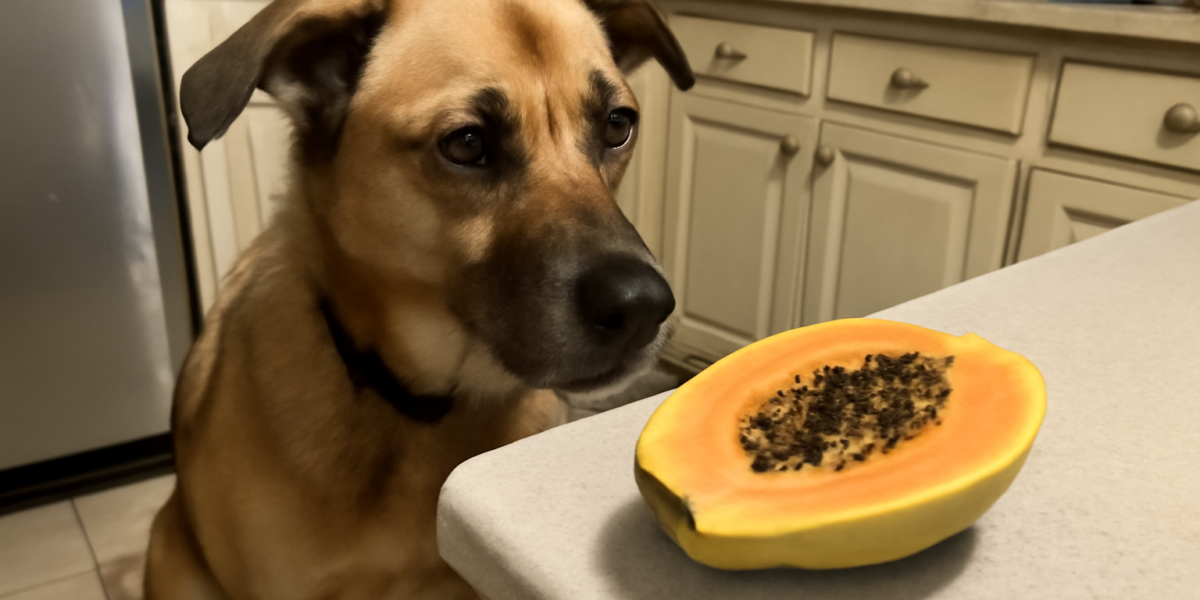
Papaya is a tropical fruit beloved for its sweet flavor and impressive nutritional profile. As a dog owner, you might wonder whether your canine companion can enjoy a piece of this vibrant orange fruit alongside you. The good news is that papaya is generally safe for dogs and can even offer some unique health benefits, particularly for digestion. However, like most fruits, there are parts of the papaya that should be avoided and portions that need to be kept in check. This guide will walk you through everything you need to know about feeding papaya to your dog safely.
In this article
Quick Answer: Yes, dogs can eat fresh, ripe papaya flesh in moderation. Papaya is rich in vitamins A and C, fiber, and the digestive enzyme papain. Always remove the seeds, skin, and any unripe green portions before serving. Feed small amounts as an occasional treat, and watch for signs of digestive upset, especially when introducing it for the first time.
Is Papaya Safe for Dogs?
The flesh of ripe papaya is safe for dogs to eat. It is non-toxic and is well-tolerated by most dogs when offered in appropriate portions. Papaya is sometimes even included in digestive enzyme supplements marketed for pets, which speaks to its general safety and recognized digestive benefits in veterinary circles.
However, not all parts of the papaya are safe. The seeds contain trace amounts of cyanide compounds and can also cause intestinal blockage if consumed in quantity. The skin is tough and waxy, making it difficult for dogs to digest and potentially posing a choking hazard. Unripe, green papaya contains higher concentrations of latex and papain, which can irritate the mouth and digestive tract more than ripe fruit.
Dehydrated or dried papaya products often contain added sugar, sulfites, or other preservatives that are not appropriate for dogs. Always opt for fresh, ripe papaya when sharing with your dog, and prepare it properly by removing all seeds and skin.
Nutritional Profile of Papaya for Dogs
Papaya is a nutritionally rich fruit that provides several vitamins and compounds beneficial to dogs. One cup of fresh papaya chunks, approximately 145 grams, contains roughly 62 calories, 16 grams of carbohydrates, 2.5 grams of fiber, 0.4 grams of fat, and less than 1 gram of protein.
The standout nutrients in papaya include:
- Vitamin C: Papaya is exceptionally high in vitamin C, providing over 140 percent of the human daily value per cup. While dogs produce their own vitamin C, supplemental intake can provide antioxidant support, especially for stressed, senior, or recovering dogs.
- Vitamin A (as beta-carotene): Supports vision, immune function, and skin health. The deep orange color of papaya indicates a high beta-carotene content.
- Folate: Important for cell division and DNA synthesis.
- Potassium: Supports healthy muscle contraction, nerve signaling, and fluid balance.
- Magnesium: Essential for muscle and nerve function, energy production, and bone health.
- Papain: A proteolytic enzyme unique to papaya that helps break down proteins in the digestive tract. Papain has been used in both human and veterinary contexts as a natural digestive aid.
- Fiber: Supports digestive regularity and gut health.
- Lycopene: A carotenoid antioxidant that gives papaya part of its color and has been studied for its potential protective effects against cellular damage.
Compared to other fruits safe for dogs, papaya stands out for its papain content and its particularly high vitamin C levels. It has a similar caloric profile to other tropical fruits like mango but contains less sugar per serving.
Benefits of Papaya for Dogs
The most distinctive benefit of papaya for dogs is its natural digestive enzyme content. Papain, the protease enzyme found in papaya, assists in the breakdown of proteins in the stomach and small intestine. For dogs that occasionally experience bloating, mild indigestion, or sluggish digestion, small amounts of fresh papaya can provide gentle enzymatic support. This is why papain is a common ingredient in pet digestive enzyme supplements.
The antioxidant vitamins in papaya, particularly vitamins A and C along with lycopene, help combat oxidative stress by neutralizing free radicals. Oxidative stress contributes to cellular aging, inflammation, and the development of chronic diseases. Senior dogs and dogs with chronic inflammatory conditions may benefit from the antioxidant compounds in papaya as part of a varied diet.
The fiber in papaya can support dogs with mild constipation by adding bulk to the stool and promoting regular bowel movements. The soluble fiber component can also support the growth of beneficial gut bacteria, contributing to a healthier microbiome overall.
Papaya is relatively low in calories compared to many commercial dog treats, making it a reasonable occasional treat for dogs on a weight management plan. A few small pieces of papaya provide flavor, sweetness, and nutrients without a significant caloric load.
The vitamin A content supports skin and coat health, vision, and immune function. For dogs with dull coats or dry skin, foods rich in beta-carotene like papaya can contribute to gradual improvement over time when combined with a balanced diet.
Risks and Side Effects of Papaya for Dogs
Seeds. Papaya seeds must be removed before feeding the fruit to your dog. The seeds contain small amounts of cyanogenic glycosides, which can release cyanide when metabolized. While a few seeds are unlikely to cause acute toxicity, they also contain carpaine, an alkaloid that can be irritating to the digestive system. Additionally, if consumed in large quantities, the small round seeds could potentially cause an intestinal blockage, particularly in smaller dogs.
Skin. The skin of papaya is tough, waxy, and difficult for dogs to digest. It can pose a choking hazard and, if swallowed in large pieces, could contribute to gastrointestinal obstruction. Always peel the papaya completely before offering it to your dog.
Sugar content. While papaya is not as high in sugar as some fruits, it still contains natural sugars, approximately 11 grams per cup. For dogs with diabetes or weight issues, even natural fruit sugars need to be accounted for. Feed papaya sparingly to dogs that need to limit their sugar and caloric intake.
Digestive upset from overfeeding. Too much papaya can cause diarrhea, loose stools, or stomach upset due to the fiber content and the enzymatic activity of papain. The effects of papain can be intensified if a dog eats a large amount of papaya at once. Start with a small portion and see how your dog responds before offering more.
Allergic reactions. While rare, some dogs may be sensitive to papaya. Dogs with known latex allergies may be more likely to react to papaya, as the fruit contains natural latex, particularly when unripe. Watch for itching, swelling, hives, or gastrointestinal symptoms after first exposure.
How Much Papaya Can Dogs Eat?
Papaya should be treated as an occasional treat and follow the 10 percent rule. Keep portions modest relative to your dog’s size:
- Small dogs (under 20 lbs): 2 to 3 small cubes of fresh papaya, once or twice per week
- Medium dogs (20–50 lbs): 4 to 6 cubes of fresh papaya, once or twice per week
- Large dogs (50 lbs and over): Up to 1/4 cup of fresh papaya cubes, once or twice per week
Always start with a smaller amount than these guidelines suggest when introducing papaya for the first time, and gradually increase if your dog tolerates it well. Monitor stool quality and overall behavior after feeding.
How to Prepare Papaya for Dogs
Select a ripe papaya with yellow-orange skin that gives slightly to gentle pressure. Avoid unripe green papayas, as they contain more latex and higher concentrations of papain that could irritate your dog’s mouth and stomach.
Wash the outside of the papaya, then cut it in half lengthwise. Use a spoon to scoop out all the seeds and discard them. Peel the skin away from the flesh completely. Cut the flesh into small, bite-sized cubes appropriate for your dog’s size. For small dogs, cut pieces no larger than a blueberry. For large dogs, pieces can be roughly the size of a grape.
Serve the papaya fresh and at room temperature or slightly chilled. You can offer the pieces directly as a treat, mix them into your dog’s regular food as a topper, or mash the papaya and stir it into wet food for a smoother consistency.
For a refreshing warm-weather treat, you can freeze small papaya cubes and offer them as a cooling snack. Frozen fruit pieces also make excellent enrichment treats when placed inside a rubber Kong or similar food puzzle toy.
Signs of a Problem After Eating Papaya
Watch for the following symptoms after your dog eats papaya, especially the first time:
- Diarrhea or unusually soft stool
- Vomiting or nausea
- Excessive drooling
- Gas or bloating
- Loss of appetite
- Itching, hives, or facial swelling, indicating a possible allergic reaction
If your dog has consumed papaya seeds, skin, or a very large quantity of the fruit, monitor more closely for signs of gastrointestinal distress or blockage, including persistent vomiting, abdominal pain, straining to defecate, or lethargy. Contact your veterinarian if symptoms are severe or do not resolve within 12 to 24 hours.
Alternatives to Papaya for Dogs
If papaya is not available or your dog does not enjoy it, several other fruits offer similar nutritional benefits. Mango is another tropical fruit rich in vitamins A and C, though it is slightly higher in sugar. Blueberries are one of the best antioxidant-rich fruits for dogs and are low in calories. Watermelon is hydrating and low in calories, making it an excellent summer treat. Cantaloupe provides beta-carotene and vitamin C with a sweet flavor most dogs enjoy. Pineapple contains bromelain, a digestive enzyme similar to papain, along with vitamin C and manganese. Pumpkin is the gold standard for digestive support in dogs, offering excellent fiber content with minimal risk.
If you are looking to adopt a dog, stocking up on safe, healthy treat options like fresh fruits is a great way to prepare for your new family member.
Can dogs eat dried papaya?
Dried papaya is not recommended for dogs. Most commercially dried papaya contains added sugar, sulfur dioxide as a preservative, and sometimes artificial flavors or coatings. Even unsweetened dried papaya is much more concentrated in sugar per serving than fresh papaya, making it easy to overfeed. Stick to fresh papaya for the safest and most nutritious option.
Can dogs eat papaya seeds?
No, dogs should not eat papaya seeds. The seeds contain trace amounts of cyanogenic compounds and carpaine, an alkaloid that can irritate the digestive system. In quantity, the seeds could also pose a risk of intestinal obstruction. Always scoop out and discard all seeds before offering papaya flesh to your dog.
Is papaya good for dogs with upset stomachs?
Small amounts of fresh papaya may help with mild digestive discomfort due to the papain enzyme, which assists with protein digestion. However, if your dog has an actively upset stomach with vomiting or diarrhea, introducing a new food like papaya is not advisable and could worsen symptoms. For active stomach upset, a bland diet of boiled chicken and rice is the standard recommendation. Consult your veterinarian for digestive problems that persist beyond 24 hours.
Can puppies eat papaya?
Puppies over three months old can have very small pieces of ripe papaya as an occasional treat. Start with just one or two tiny cubes and watch for any digestive reaction. Puppies have more sensitive stomachs than adult dogs, and the fiber and enzyme content in papaya could cause loose stool if too much is given. Papaya should never replace any portion of a complete puppy diet.
How do I know if a papaya is ripe enough for my dog?
A ripe papaya will have mostly yellow to orange skin with minimal green patches. It should yield slightly to gentle thumb pressure, similar to a ripe avocado. The flesh inside should be a rich orange or salmon color, soft, and fragrant. Avoid feeding your dog papaya that is still mostly green or hard, as unripe papaya has higher latex content and can cause more gastrointestinal irritation. Overripe papaya with very soft or mushy flesh and a fermented smell should also be avoided.


