
Last updated: May 4, 2026
In this article
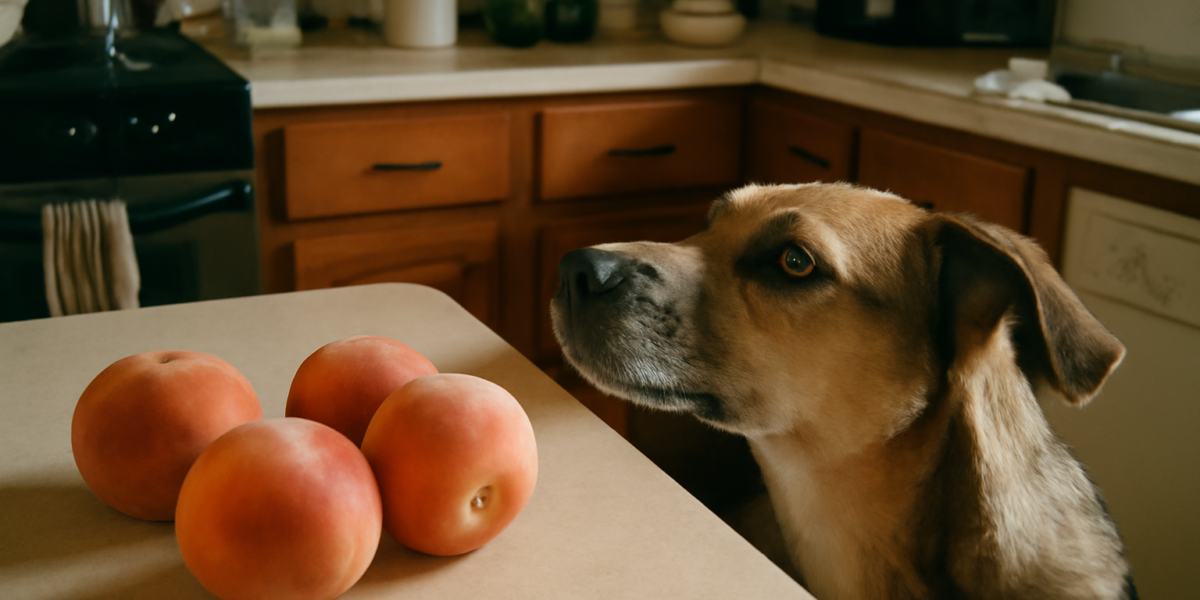
Summer arrives and peaches appear everywhere — at farmers markets, in fruit bowls, in the hands of everyone eating outside. If your dog is beside you giving that unmistakable look of deep interest, you are probably wondering whether you can share a slice. The short answer is yes, but with one important caveat that every dog owner needs to understand before handing over a piece.
Quick Answer: Yes, dogs can eat peaches. The flesh of a fresh peach is safe and nutritious for dogs. However, the pit must always be removed first, as it poses a choking hazard and contains trace amounts of cyanide compounds. Serve peach in small, bite-sized pieces as an occasional treat.
Are Peaches Safe for Dogs?
The flesh of a ripe peach is entirely safe for dogs to eat. It is non-toxic, easy to digest in moderate quantities, and contains several nutrients that can benefit your dog’s overall health. Peaches are naturally sweet and soft, which makes them appealing to most dogs and easy for them to chew and swallow without difficulty.
The critical safety concern with peaches is the pit, also called the stone. The peach pit is large, hard, and rough-surfaced. If a dog swallows a peach pit whole, it can cause an intestinal obstruction — a serious and potentially life-threatening condition that often requires surgical intervention. Beyond the mechanical danger, peach pits contain amygdalin, a compound that breaks down into hydrogen cyanide when crushed or chewed. While a single pit is unlikely to release enough cyanide to poison a large dog, it is a genuine risk for smaller breeds, and no amount of cyanide exposure is desirable.
The skin of the peach is safe to eat, though some dogs may find it slightly tough or difficult to digest. If your dog has a sensitive stomach, peeling the peach before serving is a reasonable precaution. For most dogs, leaving the skin on is perfectly fine and adds a small amount of extra fiber to the snack.
As with any treat, peaches should be offered in moderation. They contain natural sugars that, while not harmful in small amounts, can contribute to weight gain or digestive upset if consumed in large quantities. If your dog has diabetes or other metabolic conditions, consult your veterinarian before adding peaches to their diet. For general guidance on safe foods for your dog, our dog care resources can help you make informed choices.
Nutritional Benefits of Peaches for Dogs
Peaches are more than just a tasty treat — they offer genuine nutritional value that can complement your dog’s regular diet when given as an occasional snack. Understanding what peaches bring to the table helps you appreciate why they are one of the better fruit options for dogs.
Vitamin A. Peaches are a good source of vitamin A, which supports healthy vision, immune function, and skin health in dogs. Vitamin A plays a particularly important role in maintaining the integrity of mucous membranes and supporting cell growth, making it essential for dogs of all ages.
Vitamin C. While dogs produce their own vitamin C — unlike humans — supplemental vitamin C from food sources can provide additional antioxidant support, particularly for older dogs or those under stress. The vitamin C in peaches helps neutralize free radicals and supports the immune system during periods of illness or recovery.
Dietary fiber. Peaches contain both soluble and insoluble fiber, which supports healthy digestion and helps maintain regular bowel movements. For dogs that struggle with occasional constipation, the fiber in a few pieces of peach can provide gentle, natural relief. The soluble fiber also acts as a prebiotic, feeding beneficial gut bacteria.
Potassium. This essential mineral supports proper muscle function, nerve signaling, and fluid balance in the body. Active dogs, in particular, benefit from adequate potassium intake to support muscle recovery after exercise.
Low calorie content. A medium peach contains approximately 60 calories, making it a relatively low-calorie treat option. For dogs that need to watch their weight, peach slices offer sweetness and satisfaction without the caloric density of many commercial treats.
Antioxidants. Peaches contain several antioxidant compounds, including chlorogenic acid and catechins, which have been studied for their anti-inflammatory properties. While research on these compounds in dogs is limited, the general antioxidant benefits are well established across species.
Risks and Side Effects of Peaches for Dogs
Despite being generally safe, peaches do come with several risks that responsible dog owners should be aware of before making them a regular part of their pet’s treat rotation.
The pit is the primary danger. This point cannot be overstated. A peach pit is large enough to cause a complete intestinal blockage in dogs of any size, and the rough, textured surface can irritate or damage the lining of the digestive tract as it passes through. Signs of intestinal obstruction include vomiting, loss of appetite, abdominal pain, lethargy, and straining to defecate. If you suspect your dog has swallowed a peach pit, contact your veterinarian immediately.
Sugar content. Peaches contain roughly 13 grams of sugar per medium fruit. While natural fruit sugar is less concerning than refined sugar, it still adds up quickly if you are generous with portions. Dogs with diabetes, insulin resistance, or weight management issues should only receive peaches in very small amounts, if at all.
Canned peaches are not recommended. Canned peaches are almost always packed in heavy syrup or light syrup, both of which contain significant added sugar. Some canned fruits also contain artificial sweeteners, including xylitol, which is extremely toxic to dogs. Even canned peaches labeled “in natural juice” typically have higher sugar concentrations than fresh fruit. Always choose fresh peaches over any processed alternative.
Allergic reactions. While rare, some dogs can develop an allergy or sensitivity to peaches. Signs of a food allergy include itching, hives, swelling of the face or ears, vomiting, or diarrhea. If you are introducing peaches for the first time, start with a single small piece and monitor your dog for any adverse reaction over the next 24 hours.
Pesticide residue. Peaches consistently rank among the fruits with the highest pesticide residue levels. Washing peaches thoroughly under running water and, ideally, peeling them before serving can significantly reduce your dog’s exposure to these chemicals. Choosing organic peaches when available is another way to minimize this risk.
How Many Peaches Can a Dog Eat?
Portion control matters with peaches, just as it does with any treat. The standard veterinary recommendation is that treats should make up no more than ten percent of a dog’s total daily caloric intake. For peaches, this translates to the following general guidelines:
- Small dogs (under 20 lbs): 1–2 small slices per day
- Medium dogs (20–50 lbs): 2–4 slices per day
- Large dogs (50 lbs and over): up to half a peach, sliced
These are general estimates meant to provide a starting point, not rigid rules. Every dog’s caloric needs vary based on their age, breed, activity level, and overall health. A sedentary senior dog needs far fewer treat calories than a young, active working breed. When introducing peaches for the first time, start with just one small piece and wait to see how your dog responds before increasing the amount.
Frequency matters too. Peaches work best as an occasional treat rather than a daily staple. Offering them two or three times per week provides variety without overloading your dog on fruit sugars. Rotating peaches with other safe fruits and vegetables keeps your dog’s treat options interesting and ensures a broader range of nutrients. You can explore our adoption page if you are considering welcoming a new companion who will enjoy sharing your healthy snack habits.
How to Serve Peaches to Your Dog
Preparing peaches for your dog takes only a moment, and getting it right ensures both safety and enjoyment. Here are the best ways to serve peaches to dogs:
Fresh slices. Wash the peach thoroughly, cut it in half, remove the pit completely, and slice the flesh into small, bite-sized pieces appropriate for your dog’s size. For small dogs, cut pieces no larger than a thumbnail. For larger dogs, slightly bigger pieces are fine, but avoid giving them an entire half to bite into, as they could accidentally swallow a large chunk without chewing properly.
Frozen peach pieces. Slice fresh peaches, spread the pieces on a parchment-lined tray, and freeze them for a few hours. Frozen peach slices make an excellent cooling treat on hot days and the firmer texture gives dogs something satisfying to chew on. Avoid giving frozen pieces to very small dogs or puppies, as the hardness could be difficult for them to manage.
Mashed or pureed. For dogs who are picky about texture or for senior dogs with dental issues, mashing or pureeing fresh peach creates a soft, easy-to-eat treat. A small spoonful mixed into their regular food can add flavor and nutrition without requiring much chewing. Make sure the puree contains nothing but peach — no added sugar, no syrup, no spices.
Mixed into homemade treats. Peach puree blends well with plain, unsweetened yogurt or xylitol-free peanut butter to create simple frozen treats. Pour the mixture into silicone molds or ice cube trays and freeze until solid. These make excellent enrichment treats, especially when placed inside a puzzle toy or lick mat.
What to avoid entirely: peach pie, peach cobbler, peach jam, dried peaches with added sugar, peach-flavored candy or snacks, and any product containing artificial sweeteners. These processed forms contain ingredients that are unhealthy or outright dangerous for dogs.
What If My Dog Ate a Peach Pit?
Accidents happen. Dogs are opportunistic and quick, and a peach pit left on a plate or dropped on the ground can be swallowed before you have time to react. If your dog has eaten a peach pit, here is what to do:
Do not try to induce vomiting unless specifically instructed by a veterinarian. The rough, angular shape of a peach pit means it could cause additional damage to the esophagus on the way back up.
Assess your dog’s size. A large dog may pass a peach pit without incident, though monitoring is still essential. For small or medium dogs, the risk of obstruction is significantly higher, and veterinary attention is more urgently needed.
Watch for warning signs. Over the next 24 to 48 hours, monitor your dog closely for vomiting, loss of appetite, abdominal pain or bloating, lethargy, difficulty defecating, or bloody stool. Any of these symptoms warrants an immediate call to your veterinarian.
Contact your vet. Even if your dog seems fine initially, calling your veterinarian to report the incident is wise. They may recommend an X-ray to check the pit’s location and size relative to your dog’s digestive tract, or they may advise a wait-and-watch approach based on your dog’s size and the circumstances.
Prevention is always better than treatment. Store peaches out of your dog’s reach, dispose of pits in a secured trash can, and never leave peach pits on low tables, counters, or outdoor surfaces where a curious dog might find them.
Frequently Asked Questions
Can dogs eat peach skin?
Yes, peach skin is safe for dogs to eat. It is not toxic and contains additional fiber and nutrients. Some dogs may find the slightly fuzzy texture unappealing, and dogs with very sensitive stomachs may digest peeled peaches more easily. If your dog tolerates the skin without any digestive upset, there is no reason to remove it. Washing the peach thoroughly before serving is important regardless, as the skin is where pesticide residue concentrates.
Can puppies eat peaches?
Puppies can eat small amounts of fresh peach flesh once they are fully weaned and eating solid food regularly, typically around eight weeks of age. Start with a very small piece — no larger than the tip of your little finger — and observe your puppy for any signs of digestive upset over the next day. Puppies have more sensitive digestive systems than adult dogs, so moderation is especially important. Always remove the pit and cut the fruit into tiny, manageable pieces to eliminate any choking risk.
Are frozen peaches safe for dogs?
Fresh peaches that you freeze at home are perfectly safe and make a wonderful warm-weather treat. However, commercially frozen peaches often contain added sugar or syrup to preserve flavor and texture. Always check the ingredient list before offering store-bought frozen peaches to your dog — the only ingredient should be peaches. If there is anything else listed, skip them and freeze your own fresh peach slices instead.
Can dogs eat white peaches and yellow peaches?
Both white and yellow peaches are safe for dogs. The primary difference between the two varieties is flavor — white peaches tend to be sweeter and less acidic, while yellow peaches have a more traditional tangy-sweet flavor. Nutritionally, they are very similar, with yellow peaches having slightly higher vitamin A content due to their deeper color. Your dog will likely enjoy either variety equally, so choose whichever is freshest and most readily available.
How do I know if my dog is allergic to peaches?
Food allergies in dogs typically manifest as skin symptoms, digestive symptoms, or both. If your dog develops itching, redness, hives, swelling around the face or ears, vomiting, or diarrhea after eating peach for the first time, they may have a sensitivity or allergy to the fruit. These reactions usually appear within a few hours of consumption. Discontinue feeding peaches immediately and consult your veterinarian. True peach allergies in dogs are uncommon, but they do occur, and a veterinarian can help determine whether peaches or another factor is responsible for the reaction.
Can dogs eat dried peaches?
Plain, unsweetened dried peaches without any additives are technically safe for dogs in very small amounts, but they are not the best option. The drying process concentrates the sugar content significantly — dried peaches contain roughly three to four times the sugar per gram compared to fresh peaches. They are also chewier and denser, which can be harder for dogs to digest. Many commercially available dried peaches contain added sugar, sulfites, or other preservatives that are not suitable for dogs. Fresh peaches are always the better choice when you want to share this fruit with your pet.


