
Last updated: May 4, 2026
In this article
Can Dogs Eat Prunes? Safety Guide and Tips
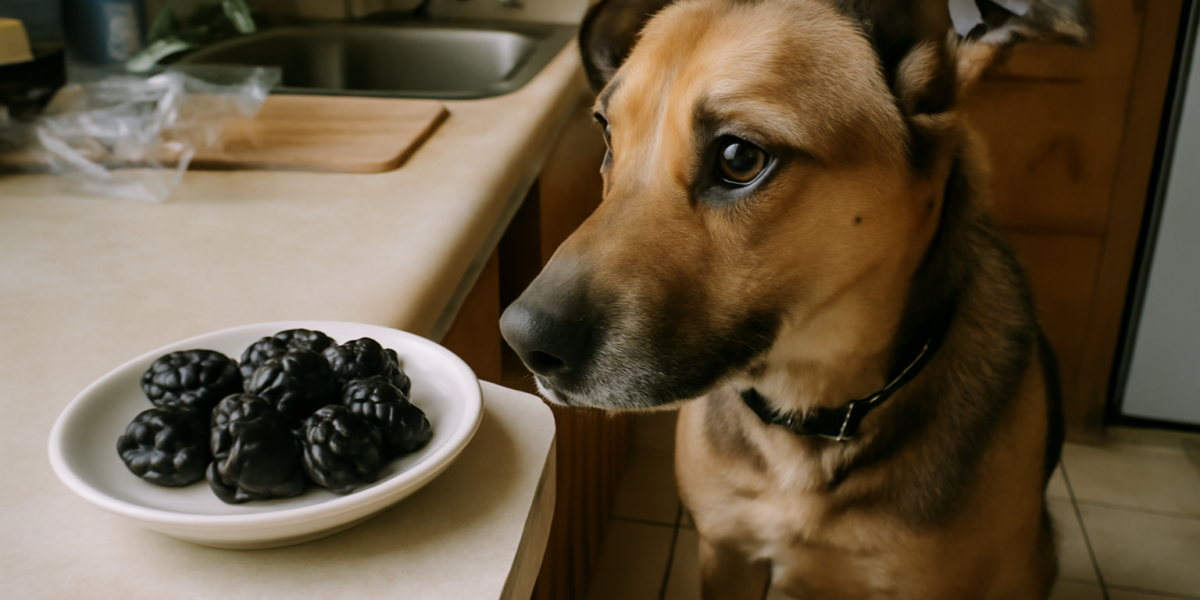
Prunes — dried plums — are well-known for their digestive benefits in humans and have been a pantry staple for generations. Rich in fiber, sorbitol, and various vitamins, prunes are a popular natural remedy for constipation in people. But what about our canine companions? Can dogs safely snack on prunes?
The answer is that prunes are not recommended for dogs. While they are not acutely toxic in the way grapes and raisins are, prunes pose several risks that make them a poor choice for canine consumption. Their concentrated sugar content, powerful laxative effects, and potential pit hazards mean there are far better options for your dog’s health and happiness.
Quick Answer: Can Dogs Eat Prunes?
No, prunes should be avoided for dogs. A single pitted prune is unlikely to cause serious harm in a large dog, but prunes are problematic for several reasons. The high concentration of sugar and sorbitol (a natural sugar alcohol) gives prunes potent laxative properties that can cause significant digestive upset in dogs, including diarrhea and dehydration.
Prunes also contain extremely concentrated sugar — about 38 grams per 100 grams. This high sugar load can contribute to weight gain, dental problems, and blood sugar spikes, particularly in diabetic dogs. The caloric density of prunes is much higher than most fresh fruits, making portion control critical but difficult.
Additionally, prune pits contain amygdalin, a compound that releases cyanide when metabolized. While most commercially sold prunes are pitted, accidental pit ingestion can cause cyanide poisoning in addition to being a choking hazard and potential cause of intestinal obstruction. Given these risks, veterinarians recommend avoiding prunes entirely and opting for safer alternatives.
Nutritional Profile of Prunes
Five prunes (about 42 grams) contain:
- Calories: 100 calories
- Sugar: 16 grams (concentrated natural sugars)
- Fiber: 3 grams
- Sorbitol: Approximately 6-7 grams (natural sugar alcohol with strong laxative effect)
- Potassium: 290 milligrams
- Vitamin K: 25 micrograms
- Vitamin A: 320 IU
- Iron: 0.4 milligrams
- Boron: Trace amounts
- Phenolic Compounds: Chlorogenic acid, neochlorogenic acid (antioxidants)
While prunes do contain beneficial nutrients like potassium, vitamin K, and antioxidants, these are available from many other dog-safe foods that do not carry the digestive risks associated with prunes. The combination of high sugar, high fiber, and significant sorbitol content makes prunes a particularly powerful laxative — helpful for constipated humans but potentially overwhelming for a dog’s digestive system.
Benefits and Risks of Prunes for Dogs
Benefits
- Antioxidant Content: Prunes contain chlorogenic acid and other phenolic compounds with antioxidant properties, though dogs can obtain these from safer sources.
- Potassium: Prunes are rich in potassium, which supports heart function and muscle health, but many dog-safe fruits and vegetables provide potassium without the associated risks.
- Fiber: The fiber in prunes supports digestive health, but the concurrent laxative effect of sorbitol makes prunes an unpredictable and often excessive fiber source for dogs.
- Iron Content: Prunes provide some iron, supporting red blood cell production, though the amount per safe serving for a dog would be negligible.
Risks
- Severe Laxative Effect: The combination of fiber and sorbitol in prunes creates a powerful laxative effect that can cause watery diarrhea, cramping, and dehydration in dogs. Even a few prunes may be too much for a smaller dog’s system.
- Very High Sugar Content: At 38% sugar by weight, prunes are one of the most sugar-dense foods available. This concentrated sugar can contribute to obesity, dental decay, and blood sugar problems.
- Pit Hazards: Prune pits pose a triple threat — they are a choking hazard, can cause intestinal blockage, and contain amygdalin (a cyanogenic glycoside) that releases small amounts of cyanide when broken down in the body.
- Dehydration Risk: The diarrhea caused by prune consumption can lead to dehydration, which is particularly dangerous for small dogs, puppies, and senior dogs.
- Caloric Density: Five prunes contain 100 calories — a significant amount for a dog, especially a small breed where treats should represent only a small fraction of daily calories.
- Gastrointestinal Distress: Beyond diarrhea, prunes can cause gas, bloating, abdominal cramping, and general digestive discomfort in dogs.
How to Serve Prunes Safely to Your Dog
The safest approach is to not serve prunes to your dog at all. The potential for digestive upset significantly outweighs any nutritional benefit, and there are many better alternatives for every nutrient that prunes provide.
If your dog has accidentally eaten a pitted prune or two, there is no need to rush to the veterinarian — a healthy medium or large dog can typically handle a small exposure without serious consequences, though you should expect some digestive upset.
If your dog consumed prunes with pits, this is a more serious situation. Monitor closely for signs of intestinal blockage (vomiting, refusal to eat, abdominal pain, inability to pass stool) and contact your veterinarian, especially if your dog is small or if multiple pits were ingested.
For dogs experiencing constipation — the most common reason people consider giving prunes — much safer alternatives include plain pumpkin puree, which provides gentle fiber without the aggressive laxative effect of sorbitol. Consult your veterinarian for appropriate constipation remedies for your specific dog.
Signs of Problems After Eating Prunes
If your dog ate prunes, watch for these symptoms, which may appear within a few hours:
- Diarrhea (often watery and urgent)
- Vomiting
- Gas and bloating
- Abdominal cramping (whining, restlessness, hunched posture)
- Excessive thirst
- Loss of appetite
- Lethargy
- Signs of dehydration (dry gums, sunken eyes, skin tenting)
If pits were consumed, additional symptoms to watch for include choking, persistent vomiting, complete loss of appetite, inability to defecate, and severe abdominal pain — all potential signs of intestinal obstruction requiring emergency veterinary care.
For mild digestive upset from one or two pitted prunes, provide plenty of fresh water to prevent dehydration and offer a bland diet once the diarrhea subsides. Most dogs recover within 24-48 hours. If diarrhea is severe, lasts more than 24 hours, or your dog shows signs of dehydration, contact your veterinarian.
Healthy Alternatives to Prunes
These foods provide similar nutritional benefits to prunes without the digestive risks:
- Plain Pumpkin Puree: The gold standard for digestive support in dogs. Pumpkin provides gentle fiber that helps with both constipation and diarrhea, without the aggressive laxative effect of prunes.
- Blueberries: Rich in antioxidants with a fraction of the sugar content of prunes, blueberries are one of the safest and most beneficial fruit treats for dogs.
- Bananas: Provide potassium, fiber, and natural sweetness in a more digestible form. Give in moderation due to sugar content, but far safer than prunes.
- Apple Slices: Provide fiber and vitamins with much less sugar than prunes. Remove seeds and core, and serve in small slices.
- Sweet Potato: Cooked plain sweet potato is an excellent source of fiber, beta-carotene, and potassium — all nutrients found in prunes, without any of the risks.
Want to give a dog the healthy, loving home they deserve? Visit the Walk Me Home Rescue adoption page to find wonderful dogs waiting for their forever families.
Frequently Asked Questions
Are prunes toxic to dogs like grapes and raisins?
Prunes are not acutely toxic to dogs in the same way that grapes and raisins are. Grapes and raisins can cause acute kidney failure, which is a life-threatening emergency. Prunes do not carry this specific risk. However, prunes are still not recommended due to their high sugar content, laxative effects, and pit hazards. They fall into the category of foods that are harmful rather than directly toxic.
Can I give my constipated dog a prune instead of going to the vet?
No, prunes are not a safe or recommended treatment for constipation in dogs. The laxative effect is unpredictable and often too strong, causing diarrhea rather than relieving constipation gently. Instead, try offering a tablespoon of plain pumpkin puree (not pie filling) mixed into their food. If constipation persists for more than a day or two, or if your dog appears to be in pain, consult your veterinarian, as constipation can sometimes indicate a serious underlying condition.
What should I do if my dog ate a prune pit?
If your dog swallowed a prune pit, monitor them closely for signs of intestinal obstruction including vomiting, loss of appetite, abdominal pain, and inability to pass stool. A single pit may pass through a large dog’s system without incident, but it poses a greater risk for small dogs. Contact your veterinarian for guidance, especially if your dog is small or if multiple pits were consumed. Do not attempt to induce vomiting without veterinary direction.
Is prune juice safe for dogs?
No, prune juice is not safe for dogs. It contains the same concentrated sugars and sorbitol as whole prunes, and in liquid form, it is even more likely to cause rapid, severe diarrhea. Prune juice also lacks the fiber of whole prunes, which at least provides some digestive bulk. Never give your dog prune juice.
How many prunes are dangerous for a dog?
There is no safe “number” of prunes for dogs because sensitivity varies based on the dog’s size, individual tolerance, and digestive health. Even a single prune can cause digestive upset in a small dog. For a large dog, 2-3 prunes might cause noticeable diarrhea. The risk increases with quantity, and the high sugar content makes even small amounts inadvisable. The best number of prunes for your dog is zero.
Can dogs eat fresh plums instead of prunes?
Small amounts of fresh plum flesh (without the pit, skin optional) are safer than prunes because fresh plums have lower sugar concentration and less sorbitol. However, plum pits are equally dangerous, containing cyanogenic compounds and posing obstruction risks. If you offer fresh plum, always remove the pit completely and give only a small amount of the flesh. Even fresh plums should be an occasional treat rather than a regular offering.
When it comes to your dog’s digestive health, gentle, proven remedies like pumpkin puree are always the better choice over foods with unpredictable laxative effects. For more pet food safety guides, explore our Can Dogs Eat series. If you are looking for a furry companion to share a healthy lifestyle with, visit Walk Me Home Rescue to meet dogs looking for loving homes.


