
Last updated: April 11, 2026
In this article
Can Dogs Eat Rice Cakes? Safety Guide and Tips
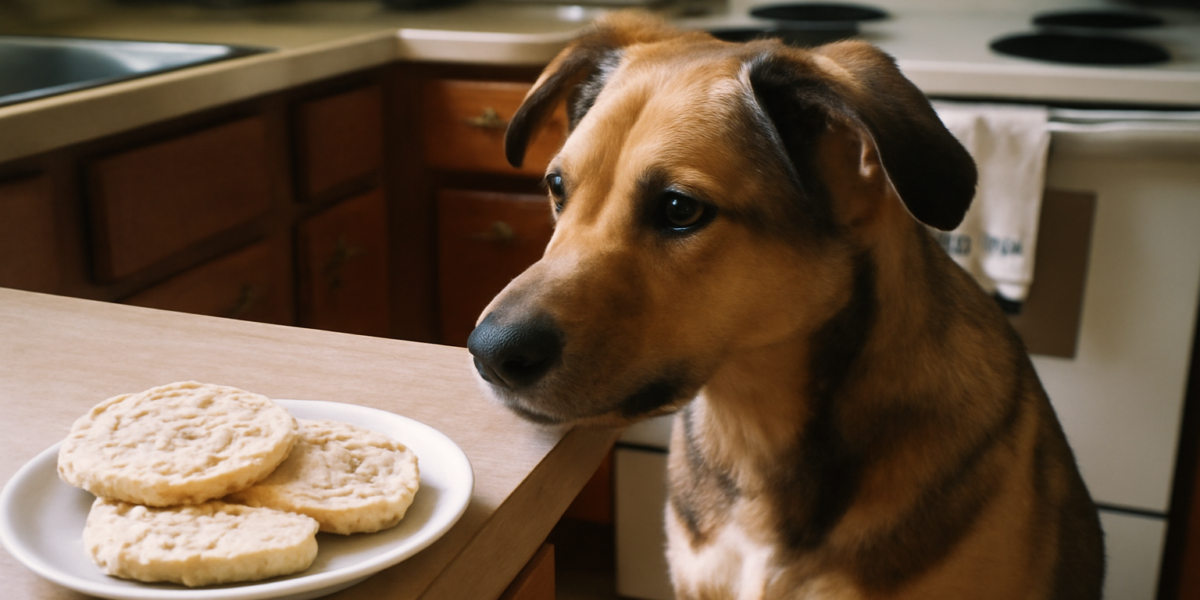
Rice cakes are a common snack found in pantries around the world. Whether you enjoy them plain, with peanut butter, or in a flavored variety, you may have wondered if sharing a piece with your dog is a safe idea. Dogs are naturally curious about what their owners eat, and rice cakes might seem like a harmless treat. This guide will help you understand whether rice cakes are appropriate for your dog, which types to avoid, and how to offer them safely.
Quick Answer: Can Dogs Have Rice Cakes?
Yes, dogs can eat plain, unflavored rice cakes in small quantities. Rice is a common ingredient in many commercial dog foods and is generally well-tolerated by most dogs. Plain rice cakes made from puffed rice and minimal other ingredients are not toxic to dogs and can serve as a low-calorie, crunchy treat.
However, not all rice cakes are created equal. Flavored rice cakes that contain salt, chocolate, artificial sweeteners like xylitol, garlic, onion powder, or excessive sugar should never be given to dogs. These additives can range from mildly upsetting to seriously dangerous. Always check the ingredient list before offering any rice cake to your pet, and stick to the plainest variety available.
Nutritional Profile of Rice Cakes
Rice cakes are known for being light and low in calories, which is part of their appeal as a human snack. A single plain rice cake typically contains:
- Calories: Approximately 35 calories per cake
- Carbohydrates: About 7 to 8 grams, primarily from rice starch
- Protein: Less than 1 gram
- Fat: Less than 0.5 grams
- Fiber: Less than 0.5 grams
- Sodium: Varies widely, from 10 to 80 milligrams depending on the brand and flavor
While rice cakes are low in fat and calories, they are also low in essential nutrients. They provide very little protein, fiber, vitamins, or minerals. For dogs, rice cakes are essentially empty calories. They will not harm your dog nutritionally in small amounts, but they should not replace more nutritious treats or be considered a meaningful addition to your dog’s diet.
Rice cakes made from brown rice offer slightly more fiber and micronutrients compared to those made from white rice, but the difference is minimal in the small quantities appropriate for a dog.
Benefits and Risks of Rice Cakes for Dogs
Potential Benefits
- Low-Calorie Treat Option: For dogs that need to manage their weight, a small piece of plain rice cake offers a satisfying crunch without a lot of calories.
- Easy on the Stomach: Rice is one of the most easily digestible grains for dogs. Plain rice cakes can be a gentle snack for dogs with sensitive stomachs.
- Hypoallergenic Base: Rice is not a common allergen for dogs, making plain rice cakes a relatively safe option for dogs with food sensitivities.
- Training Treat: Rice cakes can be broken into small pieces and used as low-value training treats for basic commands and positive reinforcement.
Potential Risks
- Choking Hazard: Rice cakes can be dry and crumbly. Large pieces may pose a choking risk, especially for small dogs or dogs that eat quickly. Always break rice cakes into bite-sized pieces.
- Flavored Varieties: Many rice cakes come in flavors like cheddar, caramel, chocolate, ranch, or salt and vinegar. These often contain ingredients that are harmful to dogs, including excessive sodium, garlic powder, onion powder, chocolate, and artificial sweeteners.
- High Glycemic Index: Rice cakes have a high glycemic index, meaning they cause a rapid spike in blood sugar. This is a concern for dogs with diabetes or insulin resistance.
- Sodium Content: Even some “plain” rice cakes contain added salt. Excessive sodium intake can lead to increased thirst, urination, and in severe cases, sodium ion poisoning.
- Nutritional Displacement: If given too frequently, rice cakes could take the place of more nutritious foods or treats in your dog’s diet.
How to Serve Rice Cakes Safely
If you decide to share rice cakes with your dog, follow these guidelines to ensure safety:
Choose Plain Varieties Only: Select rice cakes with the shortest ingredient list possible. Ideally, the only ingredient should be whole grain rice. Avoid any flavored, sweetened, or salted varieties.
Break Into Small Pieces: Never give your dog an entire rice cake. Break it into small, manageable pieces appropriate for your dog’s size. For small dogs, a piece the size of a thumbnail is sufficient. For larger dogs, a quarter of a rice cake is plenty.
Portion Guidelines:
- Small dogs (under 10 kg): A few small pieces, no more than one-quarter of a rice cake per day
- Medium dogs (10-25 kg): Up to half a rice cake per day
- Large dogs (over 25 kg): Up to one whole rice cake per day, broken into pieces
Use as an Occasional Treat: Rice cakes should not be a daily staple. Offer them as an occasional snack, making sure treats of all kinds make up no more than 10 percent of your dog’s daily caloric intake.
Supervise Your Dog: Watch your dog while they eat rice cake pieces to ensure they chew properly and do not choke on the dry, airy texture.
If you have recently adopted a dog through our adoption program, take time to learn about their dietary needs and any food sensitivities before introducing new treats.
Signs of Problems After Eating Rice Cakes
While plain rice cakes rarely cause issues, it is still important to watch for any adverse reactions, particularly if your dog has eaten a flavored variety or a large quantity:
- Choking or Gagging: If your dog coughs, gags, or paws at their mouth after eating a rice cake, they may be choking. Remove any remaining pieces and assist your dog as needed. Seek veterinary help if the issue does not resolve quickly.
- Vomiting or Diarrhea: Digestive upset can occur if your dog eats too many rice cakes or if the product contains ingredients their stomach cannot handle.
- Excessive Thirst or Urination: These signs may indicate your dog consumed too much sodium, which can happen with salted rice cakes.
- Lethargy or Weakness: In cases of sodium poisoning from heavily salted varieties, dogs may become lethargic, uncoordinated, or experience tremors. This requires immediate veterinary attention.
- Allergic Reactions: Though rare with plain rice, signs of an allergic reaction include itching, hives, swelling of the face or ears, and difficulty breathing. Seek emergency veterinary care if you observe these symptoms.
If your dog has eaten flavored rice cakes containing chocolate, xylitol, or onion and garlic powder, contact your veterinarian or an animal poison control center immediately, even if no symptoms are present yet.
Healthy Alternatives to Rice Cakes
If you are looking for crunchy, low-calorie treats for your dog, consider these more nutritious alternatives:
- Carrot Sticks: Raw carrots are crunchy, low in calories, and rich in beta-carotene and fiber. They also help clean your dog’s teeth as they chew.
- Apple Slices: Fresh apple slices (without seeds or core) provide a sweet crunch along with vitamins A and C and dietary fiber.
- Cucumber Slices: Extremely low in calories and high in water content, cucumbers make an excellent hydrating treat, especially on warm days.
- Plain Popped Popcorn: Air-popped popcorn without butter, salt, or seasoning can be a fun, light snack for dogs in small amounts.
- Green Beans: Raw or steamed green beans are a filling, low-calorie treat that many dogs enjoy. They provide fiber, vitamins, and minerals.
- Watermelon: Seedless watermelon pieces are hydrating and naturally sweet, making them a refreshing treat option.
For more information on what foods are safe for your dog, check out our guide on whether dogs can eat tortillas.
Frequently Asked Questions
Are rice cakes a good training treat for dogs?
Rice cakes can work as a low-value training treat when broken into very small pieces. They are low in calories, which is helpful during training sessions that require many repetitions. However, most dogs are more motivated by higher-value treats like small pieces of cooked chicken, cheese, or commercial training treats. Use rice cake pieces for low-distraction training environments where your dog does not need extra motivation.
Can dogs eat rice cakes with peanut butter?
Dogs can eat a plain rice cake with a thin layer of dog-safe peanut butter. However, you must verify that the peanut butter does not contain xylitol, a sugar substitute that is extremely toxic to dogs. Check the ingredient label carefully. Natural peanut butter with only peanuts and possibly salt is the safest option. Keep the portion small, as peanut butter adds significant calories and fat.
Are brown rice cakes better than white rice cakes for dogs?
Brown rice cakes contain slightly more fiber and trace nutrients than white rice cakes, but the difference is negligible in the small amounts appropriate for dogs. Both are safe for dogs as long as they are plain and unseasoned. Choose whichever is available, and do not feel compelled to seek out brown rice cakes specifically for your dog.
Can rice cakes cause bloat in dogs?
Rice cakes alone are unlikely to cause bloat, a serious condition known as gastric dilatation-volvulus. However, any food consumed rapidly or in large amounts can contribute to digestive discomfort. Do not allow your dog to eat large quantities of rice cakes quickly, and avoid offering them immediately before or after vigorous exercise. Large and deep-chested breeds are at higher risk for bloat and should be fed carefully regardless of the food type.
How many rice cakes can a dog eat per week?
There is no strict rule, but moderation is key. For most dogs, a few small pieces of plain rice cake two to three times per week is more than sufficient. Remember that treats of all kinds should make up no more than 10 percent of your dog’s total daily caloric intake. If your dog is on a weight management plan, rice cakes are acceptable in very small amounts but should not be a regular part of their diet.
Ready to welcome a furry friend into your family? Visit our adoption page to meet dogs looking for loving homes.


