
Last updated: March 31, 2026
In this article
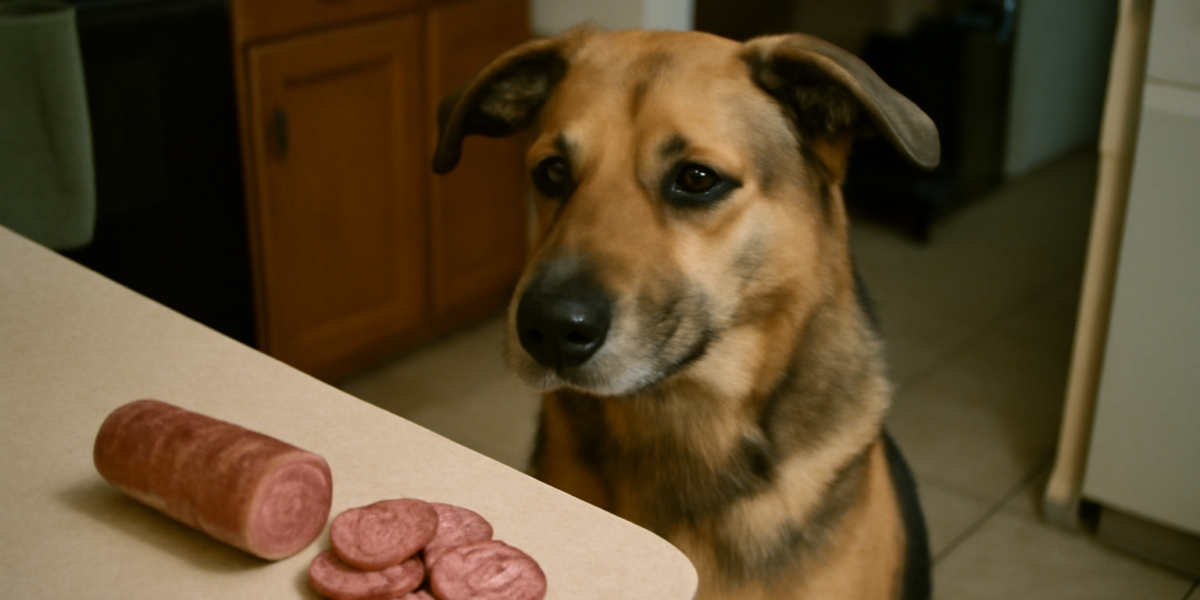
Can Dogs Eat Salami? Why It’s Risky
When it comes to sharing our favorite foods with our canine companions, it’s essential to consider their health and dietary needs. So, can dogs eat salami? The short answer is no, it’s not recommended. While a tiny amount may not cause immediate harm, salami poses several health risks for dogs due to its high sodium and fat content. Let’s delve into why salami isn’t the best choice for your dog’s diet and explore safer alternatives.
Is Salami Safe for Dogs?
Salami, a type of cured sausage, is generally not safe for dogs to consume. It contains high levels of salt, fat, and sometimes spices or ingredients like garlic and onion, which are toxic to dogs. Consuming salami can lead to gastrointestinal upset, and in larger quantities, it can result in sodium ion poisoning.
Moreover, the preservatives and additives used in processed meats can be harmful to dogs, potentially leading to long-term health issues such as obesity and pancreatitis. Therefore, while a nibble might not be deadly, regularly feeding salami to your dog is not advisable.
For a safer treat, consider checking out our guide on whether dogs can eat carrots, which are a healthy alternative to processed meats.
Nutritional Benefits of Salami for Dogs
While salami is rich in protein, which is beneficial for dogs, the potential benefits are overshadowed by its risks. Dogs require protein for energy, muscle maintenance, and overall growth, but there are healthier sources than salami. Lean meats like chicken or turkey, without the skin and bone, are preferable for fulfilling your dog’s protein needs.
For insights into other protein-rich snacks, you might find our article on whether dogs can eat chicken useful.
Risks and Side Effects
Feeding your dog salami can lead to numerous health problems:
- High Sodium Content: Excessive salt can cause increased thirst and urination, leading to dehydration. In severe cases, it can result in sodium ion poisoning, which requires immediate veterinary attention.
- High Fat Content: The fat content in salami can cause pancreatitis, a painful condition that affects the pancreas. Symptoms include vomiting, abdominal pain, and lethargy.
- Spices and Additives: Ingredients like garlic, onion, and certain spices can be toxic to dogs. Even in small amounts, these can cause gastrointestinal issues or more severe health problems.
For more on what not to feed your dog, read our detailed guide on why onions are dangerous for dogs.
How to Serve Salami to Your Dog
If you still decide to give your dog a taste of salami, it’s crucial to do so in moderation. Here are some tips:
- Small Portions: Only offer a tiny piece to minimize the risk of adverse effects.
- Occasional Treat: Make it a rare treat rather than a regular part of their diet.
- Monitor Your Dog: Watch for any signs of discomfort or allergic reactions after consumption.
Remember, there are many safer and healthier treats you can offer your dog that won’t compromise their health.
How Much Salami Can Dogs Eat?
If you choose to give your dog salami, it should be in minimal amounts. A small slice once in a while is generally safe for most dogs, but it’s essential to consider the dog’s size, age, and overall health. Larger dogs may tolerate a little more than smaller breeds, but it’s always better to err on the side of caution. Consulting with your veterinarian before introducing any new food to your dog’s diet is always a good practice.
Signs of an Adverse Reaction
Keep an eye on your dog for any signs of an adverse reaction after consuming salami. These may include:
- Vomiting: This is often one of the first signs of gastrointestinal distress.
- Diarrhea: Loose stools can indicate that the food didn’t agree with your dog.
- Lethargy: If your dog seems unusually tired or inactive, it could be a sign of discomfort.
- Excessive Thirst or Urination: High salt content can lead to increased thirst and frequent urination.
If you notice any of these symptoms, or if your dog seems unwell after consuming salami, contact your veterinarian promptly for advice.
Frequently Asked Questions
Can dogs eat salami without getting sick?
While some dogs might tolerate small amounts of salami, it’s not without risk. The high sodium and fat content can lead to health issues, so it’s best avoided.
What should I do if my dog eats a lot of salami?
If your dog consumes a large amount of salami, monitor them for signs of distress such as vomiting, diarrhea, or lethargy. Contact your veterinarian immediately for guidance.
Are there safer alternatives to salami for dogs?
Yes, there are many safer alternatives such as lean meats, vegetables, and specially formulated dog treats. Consider options like carrots or chicken, which are healthier and safer.
Can puppies eat salami?
Puppies are particularly sensitive to high salt and fat. It’s best to keep salami and other processed meats out of their diet to prevent potential health issues.


