
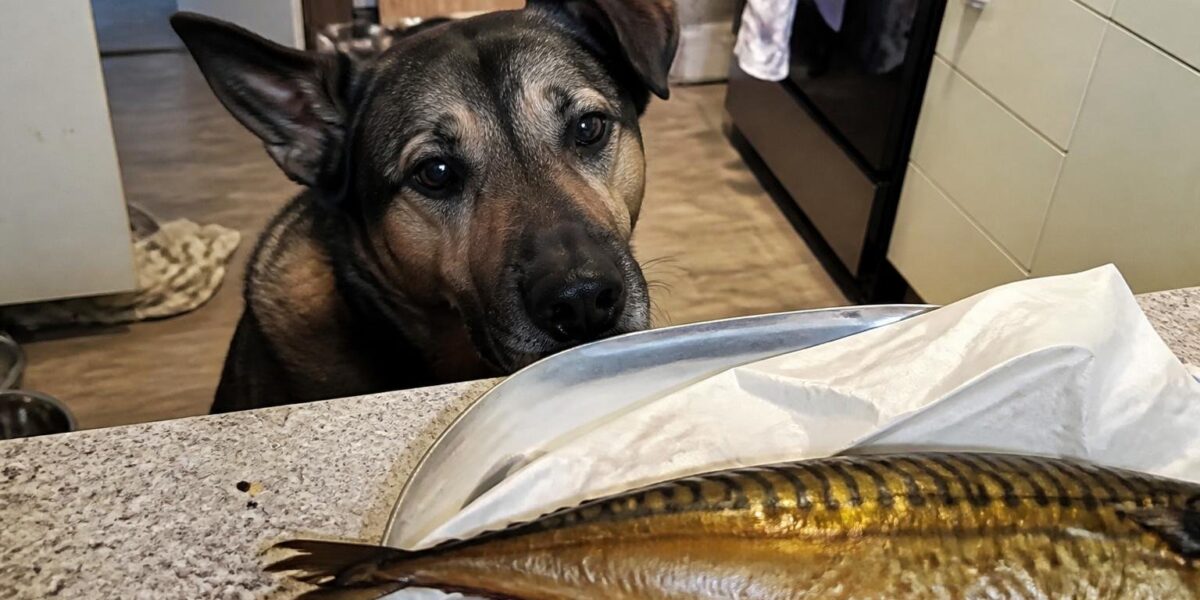
Can Dogs Eat Smoked Mackerel? The Short Answer
Dogs can eat smoked mackerel only in moderation, and even then sparingly, because it is high in salt. While mackerel itself is a fantastic, omega-3-rich fish for dogs, the smoking process adds a lot of sodium that makes smoked mackerel a treat-only food. A tiny piece now and then is unlikely to harm a healthy dog, but plain cooked mackerel is always the better choice.
In this article
- Can Dogs Eat Smoked Mackerel? The Short Answer
- Why Salt Makes Smoked Mackerel a Moderation Food
- The Omega-3 Upside (When Served Plainly)
- How to Serve Smoked Mackerel Safely
- Understanding Salt Poisoning in Dogs
- Smarter Fish Choices for Everyday Treats
- Safe Serving Size and Symptoms to Watch
- What to Do If Your Dog Eats Smoked Mackerel
- Building a Healthy Fish Routine
- Frequently Asked Questions
The omega-3 benefits of mackerel are real and valuable, but they do not outweigh the downside of all that salt when the fish is smoked. So enjoy smoked mackerel as a rare nibble, not a regular addition to your dog’s bowl.
If your dog has a heart condition, kidney disease, or is on a low-sodium diet, skip smoked mackerel entirely and ask your veterinarian about safer options.
Why Salt Makes Smoked Mackerel a Moderation Food
The core issue with smoked mackerel is sodium. Smoking and curing fish involves salt, sometimes a lot of it. Too much salt can cause:
- Excessive thirst and urination
- Vomiting and diarrhea
- In large amounts, sodium poisoning, which is a serious emergency
On top of the salt, some smoked products contain added flavorings or seasonings that may not be dog-safe. This is why smoked mackerel sits in the same “occasional treat” category as other salty fish products, while plain cooked mackerel can be offered more freely.
The Omega-3 Upside (When Served Plainly)
It is worth remembering why mackerel is prized in the first place. The fish is loaded with omega-3 fatty acids that support:
- Healthy skin and a shiny coat
- Joint comfort, especially in senior dogs
- Heart and brain health
The good news is your dog can get all of these benefits from plain cooked mackerel without the salt load of the smoked version. Other omega-3-rich choices include cooked salmon and sardines, both of which are gentler on sodium when prepared plainly.
How to Serve Smoked Mackerel Safely
If you do share a little smoked mackerel, take these precautions:
- Offer only a tiny piece as a rare treat.
- Remove all bones — fish bones can splinter and cause choking or injury.
- Rinse it gently to reduce surface salt, if possible.
- Make sure it is plain — avoid versions seasoned with garlic, onion, pepper, or heavy spice rubs.
Always provide fresh water afterward to help your dog process the extra salt. Never make smoked mackerel a daily food.
For most dogs, the simplest approach is to treat smoked mackerel as a rare, tiny exception rather than a regular treat. If you keep smoked fish in the house for your own meals, store it well out of your dog’s reach, since a determined dog who finds an unattended fillet could eat enough salt to cause real trouble. When you want to give your dog the genuine benefits of mackerel, reach for the plain cooked version instead. It delivers all the omega-3 goodness without the heavy salt, which means you can offer it more often and with far less worry about your dog’s sodium intake.
Understanding Salt Poisoning in Dogs
The biggest reason to limit smoked mackerel is the risk of consuming too much salt, so it helps to understand what salt poisoning looks like. While a tiny piece will not cause it, a dog who raids a whole fillet of smoked fish could be in real danger.
Salt poisoning, or hypernatremia, happens when a dog takes in more sodium than their body can handle. Early signs include intense thirst and frequent urination as the body tries to flush the excess. As it worsens, you may see vomiting, diarrhea, loss of appetite, and lethargy.
In severe cases, salt poisoning can progress to tremors, seizures, disorientation, and even coma. This is a medical emergency. If you suspect your dog has eaten a large amount of smoked mackerel or other salty food, provide fresh water and contact your veterinarian or an emergency clinic right away. Never withhold water from a dog that has eaten too much salt.
Smarter Fish Choices for Everyday Treats
If your goal is to give your dog the wonderful omega-3 benefits of oily fish, there are far better everyday options than smoked mackerel. The trick is to choose fish that is plain and low in salt.
- Plain cooked mackerel — all the omega-3 benefits without the smoking salt.
- Cooked, boneless salmon — another omega-3 powerhouse when served plain.
- Sardines in water — small, low-mercury, and convenient when unsalted.
- Plain cooked white fish — leaner options for a lighter treat.
You can rotate these to give your dog variety while keeping sodium low. A little cooked cod one day and plain mackerel another offers interest without the heavy salt of smoked products. Whatever you choose, remove the bones, skip the seasoning, and keep portions modest.
Safe Serving Size and Symptoms to Watch
Because of the salt, keep portions very small:
- Small dogs — a fingernail-sized piece, rarely.
- Medium dogs — a small bite-sized piece.
- Large dogs — a small piece, occasionally.
Watch for these signs after your dog eats smoked mackerel:
- Excessive thirst or urination
- Vomiting or diarrhea
- Lethargy or weakness
- Tremors or disorientation (possible salt poisoning)
If your dog eats a large amount of smoked mackerel or shows signs of salt poisoning, contact your veterinarian or an emergency clinic right away. For everyday fish treats, plain cooked mackerel is the safer, healthier pick.
What to Do If Your Dog Eats Smoked Mackerel
If your dog grabs a piece of smoked mackerel off the counter or your plate, the response depends on how much they ate. A small nibble is rarely a cause for alarm, but a large amount needs attention.
For a small piece, simply offer fresh water and keep an eye on your dog for the next several hours. Mild salt-related effects, like increased thirst or a slightly upset stomach, usually pass on their own.
If your dog ate a large quantity, the salt becomes a real concern. Provide plenty of water — never withhold it — and watch for vomiting, diarrhea, weakness, tremors, or disorientation. These can signal salt poisoning, which is a medical emergency. Also watch for choking or distress in case any bones were swallowed. When in doubt, contact your veterinarian or an emergency clinic promptly for guidance.
Building a Healthy Fish Routine
Fish can be a wonderful part of your dog’s treat routine when you choose the right kinds and keep portions sensible. The trick is to favor plain, low-salt fish and to rotate for variety.
A balanced approach might look like this:
- Offer oily fish once or twice a week for omega-3 benefits, always plain and boneless.
- Rotate between species like mackerel, salmon, and sardines to spread out mercury exposure.
- Skip smoked, salted, and brined products for everyday feeding.
- Keep fish treats within about 10 percent of your dog’s daily calories.
This way, your dog gets the genuine health perks of fish without the heavy salt of smoked products. If you are feeding fish specifically to support your dog’s skin or joints, your veterinarian can advise whether a measured fish-oil supplement would deliver omega-3s more consistently than fish alone.
Frequently Asked Questions
Is smoked mackerel bad for dogs?
It is not toxic, but it is high in salt, which makes it a moderation-only treat. Plain cooked mackerel is a much better choice for regular feeding.
How much smoked mackerel can a dog eat?
Only a tiny piece, rarely. Because of the high sodium, smoked mackerel should never be a regular part of your dog’s diet.
Can smoked mackerel give dogs salt poisoning?
Eating a large amount could. Watch for excessive thirst, vomiting, tremors, or weakness, and contact your vet immediately if these appear.
Is plain mackerel better than smoked for dogs?
Yes. Plain cooked, boneless mackerel delivers the same omega-3 benefits without the heavy salt of the smoked version. It is the better everyday choice and can be offered more freely, while smoked mackerel should be a rare, tiny treat at most.
Can puppies eat smoked mackerel?
It is best to avoid it. Smoked mackerel is too salty for a puppy’s developing system. If you want to offer mackerel, choose plain cooked, boneless fish in small amounts, and let a complete puppy food provide the bulk of their nutrition.
Why is smoked fish so high in salt?
The smoking and curing process relies on salt to preserve the fish and develop its flavor. That added sodium is exactly what makes smoked mackerel a moderation-only food for dogs, since too much salt can cause health problems ranging from excessive thirst to salt poisoning.


