
Last updated: April 10, 2026
In this article
Can Dogs Eat Fish Bones? No, and Here Is Why
No, dogs should not eat fish bones. While fish itself is a healthy protein source for dogs, fish bones are small, brittle, and sharp enough to cause serious internal injuries. Unlike the large, raw beef or bison bones that some owners offer as recreational chews, fish bones can splinter easily, lodge in the throat, puncture the esophagus, or perforate the stomach and intestinal walls.
This applies to all types of fish bones, whether from salmon, trout, tilapia, cod, or any other species. Cooked fish bones are even more dangerous than raw ones because the cooking process makes them more brittle and prone to splintering. If you want to share fish with your dog, always debone it thoroughly first.
For more information on safely sharing fish with your pup, check out our guide on salmon skin for dogs, which covers a much safer way to give your dog the omega-3 benefits of fish.
Why Fish Bones Are Dangerous for Dogs
Dogs are not designed to safely process the thin, needle-like bones found in most fish species. Understanding the specific risks helps illustrate why this is one food hazard where there is no safe amount or preparation method.
Choking Hazard
Fish bones, especially smaller pin bones, can become lodged in a dog’s throat during swallowing. Unlike larger pieces of food that might pass through, the pointed shape of fish bones allows them to catch on soft tissue. A choking dog may paw at their mouth, drool excessively, gag, or show signs of distress and panic. This is a medical emergency requiring immediate intervention.
Oral and Throat Injuries
The sharp edges of fish bones can cut the gums, tongue, and roof of the mouth. Bones that make it past the mouth can scratch or puncture the esophagus on the way down. These injuries cause pain, bleeding, difficulty swallowing, and risk of secondary infection.
Gastrointestinal Perforation
This is the most serious risk. A sharp fish bone that reaches the stomach or intestines can puncture the organ walls, leading to peritonitis, a life-threatening infection of the abdominal cavity. Symptoms may not appear immediately, making this an insidious danger. Peritonitis requires emergency surgery and can be fatal if not treated promptly.
Intestinal Blockage
Multiple small bones or fragments can accumulate and form a partial or complete blockage in the intestines. This prevents food from passing through normally, causing vomiting, loss of appetite, abdominal pain, and constipation. Blockages often require surgical removal.
The risks associated with fish bones are similar to those of cooked bones from poultry and meat, which also become brittle and prone to splintering when heated.
What to Do If Your Dog Swallowed a Fish Bone
If your dog has already swallowed a fish bone, stay calm and take action based on your dog’s immediate condition. Your response in the first few minutes can make a significant difference.
If Your Dog Is Choking
- Open your dog’s mouth carefully and look for the bone. If you can see it and reach it safely without pushing it further in, gently remove it with your fingers or blunt tweezers.
- If you cannot see or reach the bone, do not blindly reach into your dog’s throat.
- For small dogs, hold them upside down by the hind legs and gently shake. For larger dogs, perform the canine Heimlich maneuver by standing behind them, placing your fists just below the rib cage, and pushing firmly upward and forward.
- Rush to an emergency veterinarian immediately, even if you dislodge the bone, as there may be internal scratches or injuries.
If Your Dog Swallowed the Bone Without Choking
Sometimes a dog swallows a fish bone quickly without any immediate distress. In this case, do not induce vomiting, as bringing the bone back up can cause additional damage to the esophagus.
Instead, try feeding your dog a small amount of soft, bulky food like plain white bread or cooked plain rice. This can help cushion the bone and wrap around it as it passes through the digestive tract, reducing the chance of it puncturing anything.
Call your veterinarian and describe what happened, including the type and size of fish bone and your dog’s size. Your vet may recommend monitoring at home or bringing your dog in for an examination or X-ray.
Warning Signs to Watch For Over the Next 48 Hours
- Vomiting or retching
- Refusing food or difficulty swallowing
- Excessive drooling
- Pawing at the mouth or face
- Blood in the stool or vomit
- Abdominal pain (hunching, whimpering, reluctance to be touched)
- Lethargy or depression
- Fever
- Constipation or straining to defecate
Any of these signs warrant an immediate veterinary visit. Do not wait to see if symptoms improve on their own when a bone perforation is possible.
Safe Ways to Feed Fish to Your Dog
Fish is actually an excellent food for dogs when prepared correctly. It is rich in omega-3 fatty acids, high-quality protein, and essential vitamins. The key is removing all bones and choosing the right cooking method.
Best Fish Varieties for Dogs
- Salmon: Rich in omega-3s, great for skin and coat health. Always cook thoroughly to kill parasites. Never feed raw salmon due to the risk of salmon poisoning disease.
- Whitefish (cod, haddock, pollock): Lean protein that is easy on the stomach. A good option for dogs with sensitive digestion.
- Sardines: Small enough that the bones are soft and generally considered safe. Canned sardines in water (no salt added) are a convenient option.
- Tilapia: Mild-flavored and low in mercury. Easy to debone before serving.
Safe Preparation Methods
- Bake or steam: These cooking methods require no added oil or seasoning. Bake fish at 350 degrees Fahrenheit until it flakes easily, then carefully remove all bones before serving.
- Boil: Boiling fish is simple and makes deboning easier. The cooked flesh separates from the bones more readily.
- Debone meticulously: Run your fingers along the fillet against the grain to feel for pin bones. Use clean tweezers or needle-nose pliers to remove every bone you find.
- Avoid frying: Fried fish adds unnecessary fat and calories. The breading and oil provide no nutritional benefit for your dog and may cause digestive upset.
- No seasonings: Plain fish only. Garlic, onion, butter, lemon, and salt are all problematic for dogs.
For dogs who love fish, consider supplementing their diet with fish oil capsules designed for pets. These provide the omega-3 benefits without any bone risk.
Fish Bone Risks by Species: A Comparison
Not all fish bones pose identical risks, though none are truly safe. Understanding the differences can help you assess the severity of a situation if your dog does accidentally consume a bone.
Small, thin pin bones (salmon, trout, bass): These are the most common culprits because they are easily overlooked during preparation. They are sharp and can puncture tissue, but their small size means they sometimes pass through the digestive tract without incident in larger dogs. This does not make them safe, just slightly less likely to cause a blockage.
Larger, sturdier bones (catfish, carp, pike): These bones are harder and more likely to cause choking or blockage. Their rigidity means they are less likely to bend as they move through the digestive system, increasing the risk of perforation.
Tiny, soft bones (sardines, anchovies, smelt): The bones in these small fish are soft enough that they generally pose minimal risk, especially in canned versions where the canning process softens them further. Many veterinarians consider whole canned sardines a safe treat for dogs. However, fresh raw sardine bones are still sharp and should be treated with caution.
Cooked versus raw: Cooking makes all fish bones more brittle and dangerous. Raw fish bones are slightly more flexible, but raw fish carries its own risks including parasites and bacteria. The safest approach is always cooked, deboned fish.
Preventing Fish Bone Accidents
Prevention is far easier than dealing with a fish bone emergency. Incorporate these habits into your routine if you regularly cook or eat fish in a household with dogs.
- Debone before cooking when possible. It is easier to feel and remove bones from raw fish than cooked fish.
- Dispose of fish bones securely. Wrap fish scraps and bones in a bag and place them in a sealed trash can that your dog cannot access. Many dogs are attracted to the smell of fish and will go through trash to get to it.
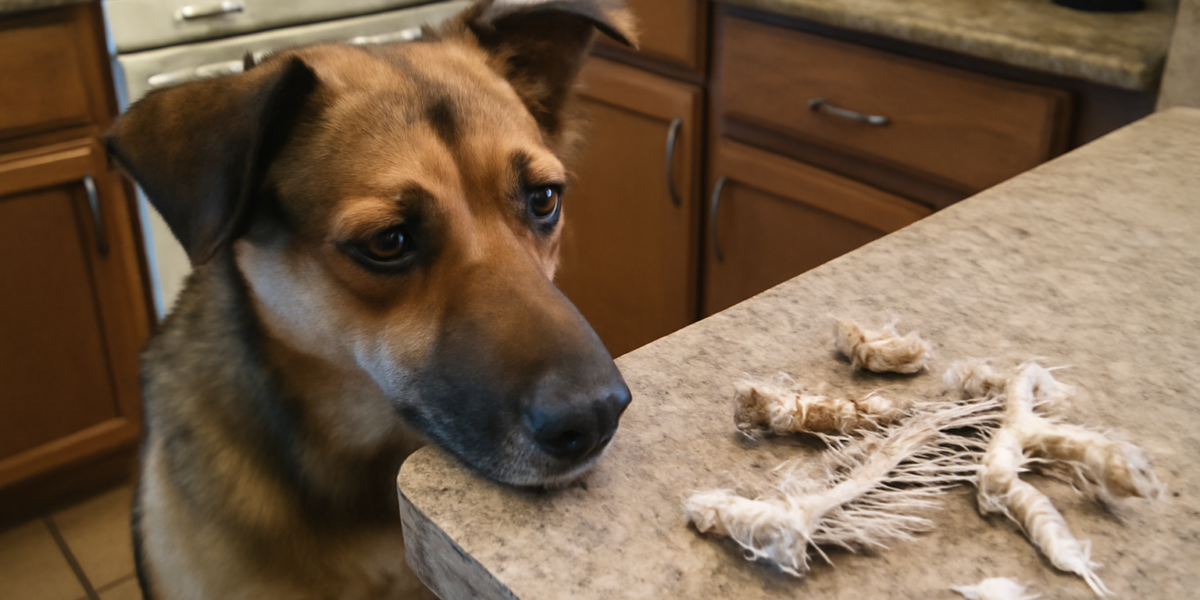
- Never leave fish plates unattended. A dog can snatch a fish carcass from a plate or counter in seconds.
- Educate everyone in your household. Make sure family members and guests know not to toss fish scraps to the dog.
- Buy boneless fillets. When buying fish specifically for your dog, choose boneless fillets to minimize risk. Even boneless fillets may contain a few stray pin bones, so always double-check.
For more guidance on which foods are safe to share with your dog, browse our dog care resources. You can also check out our article on egg yolks for dogs for another protein-rich food option that does not carry bone risks.
Frequently Asked Questions
My dog ate a fish bone an hour ago and seems fine. Should I still worry?
You should still monitor your dog closely for the next 48 hours. Some complications from fish bone ingestion, particularly intestinal perforation, can take time to develop symptoms. Watch for vomiting, blood in stool, loss of appetite, abdominal pain, or lethargy. If your dog remains symptom-free after 48 hours, the bone has likely passed safely.
Can dogs eat canned fish with bones?
Canned fish like sardines and mackerel have bones that have been softened by the canning process and are generally considered safe for dogs. However, choose canned fish packed in water with no added salt. Avoid canned fish in oil, tomato sauce, or with added seasonings. Even with canned fish, large bones from larger fish species should be removed.
Are raw fish bones safer than cooked ones?
Raw fish bones are slightly more flexible than cooked bones, which means they are marginally less likely to splinter into sharp fragments. However, raw fish carries risks of parasites and bacteria, including the potentially fatal salmon poisoning disease. Neither raw nor cooked fish bones are recommended for dogs. Always debone fish completely regardless of preparation method.
Will a fish bone dissolve in my dog’s stomach acid?
Dog stomach acid is quite strong and can break down many materials, but small fish bones may take hours to days to fully dissolve, if they dissolve at all. During that time, a sharp bone can cause damage to the stomach lining or intestinal walls. Do not rely on stomach acid to solve the problem. If your dog swallowed a fish bone, consult your vet for guidance specific to your situation.
What fish can I give my dog without worrying about bones?
Boneless fillets of salmon, cod, tilapia, and whitefish are the easiest to debone and the safest options. Canned sardines in water are another convenient choice since the bones are soft enough to be safe. Always check even boneless fillets for stray pin bones before serving. If you want to eliminate bone risk entirely, consider high-quality fish oil supplements designed for dogs.


