
Last updated: April 9, 2026
In this article
Can Dogs Eat Salmon Skin?
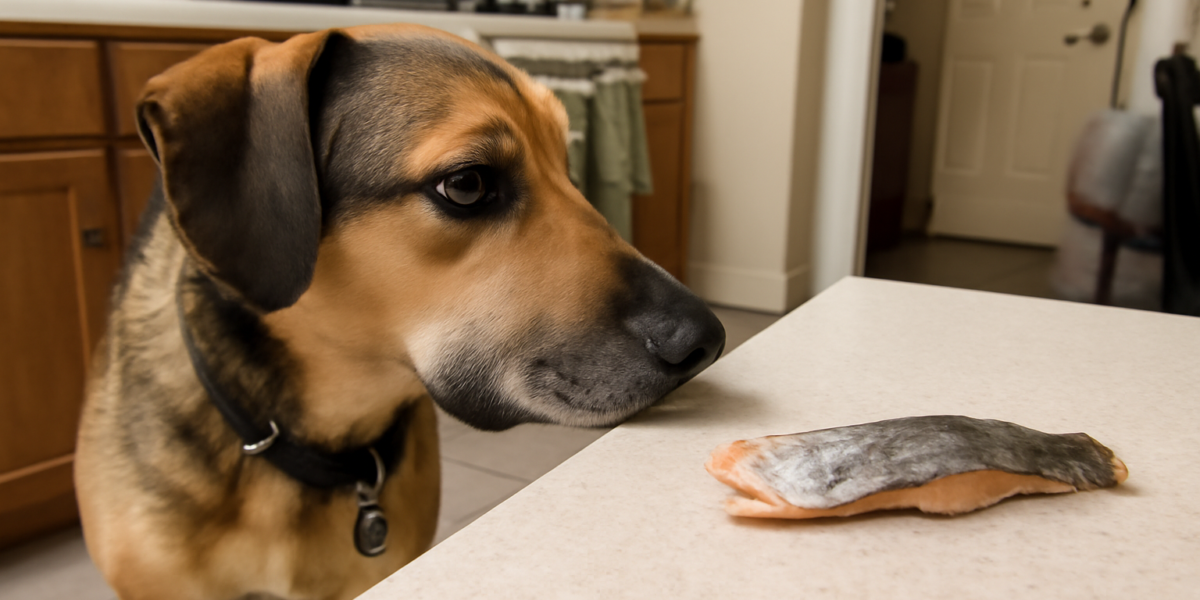
Yes, dogs can eat salmon skin, and it can actually be a nutritious treat when prepared correctly. Cooked salmon skin is rich in omega-3 fatty acids, which support your dog’s skin health, coat quality, joint function, and immune system. However, the key word is “cooked.” Raw salmon skin carries serious risks, including a potentially fatal parasitic infection, and even cooked salmon skin needs to be served plain without seasonings, butter, or oil. When handled properly, salmon skin is one of the healthier snacks you can share with your dog.
Salmon skin is the fattiest part of the fish, which is exactly what makes it nutritionally valuable. The omega-3 fatty acids EPA and DHA are concentrated in the fat layer directly beneath the skin. These are the same compounds found in fish oil supplements that veterinarians often recommend for dogs with skin allergies, arthritis, or inflammatory conditions.
The catch is that all that fat means salmon skin is calorie-dense, so portion control matters. Feeding too much can lead to gastrointestinal upset in the short term and weight gain or pancreatitis risk in the long term.
Nutritional Benefits of Salmon Skin for Dogs
Salmon skin is more than just a tasty treat. It delivers specific nutritional benefits that can complement your dog’s regular diet.
Omega-3 fatty acids (EPA and DHA): These long-chain fatty acids are anti-inflammatory powerhouses. In dogs, they help manage itchy or flaky skin, reduce joint inflammation associated with arthritis, support heart health, and may benefit cognitive function in senior dogs. Many commercial dog foods are relatively low in omega-3s, so supplementing with a natural source like salmon skin can fill that gap.
High-quality protein: Salmon skin contains protein that is easily digestible for most dogs. This makes it a good treat option for dogs with sensitive stomachs that struggle with other protein sources.
Vitamin D: Salmon is one of the richest dietary sources of vitamin D, and the skin retains significant amounts. Vitamin D supports bone health, immune function, and calcium regulation in dogs.
Astaxanthin: This natural antioxidant gives salmon its pink color and is present in the skin. Astaxanthin has anti-inflammatory and antioxidant properties that may benefit dogs at the cellular level.
These benefits make salmon skin a functional treat, one that offers genuine health advantages beyond just calories. For dogs with dry skin, dull coats, or joint stiffness, regular small portions of salmon skin can make a visible difference over time.
How to Cook Salmon Skin Safely for Dogs
Preparation method is everything when it comes to making salmon skin safe and healthy for your dog. Here are the best and worst approaches.
Best methods:
Baked salmon skin: Place salmon skin on a parchment-lined baking sheet, skin side up. Bake at 375 degrees Fahrenheit for 15 to 20 minutes until crispy. No oil, salt, or seasoning. The skin renders its own fat and crisps up nicely. Let it cool completely before serving. This is the easiest and safest method.
Dehydrated salmon skin: Cut skin into strips and dehydrate at 160 degrees for 6 to 8 hours in a food dehydrator or on the lowest oven setting with the door cracked. Dehydrated salmon skin becomes a crunchy jerky-style treat that stores well and dogs love.
Boiled or steamed: Boiling or steaming preserves the omega-3s effectively and produces a soft skin that is easy for dogs to chew and digest. This method works well for senior dogs or dogs with dental issues.
Methods to avoid:
Fried: Frying adds unnecessary fat and calories. Oils used for frying may be unhealthy for dogs, and the added fat significantly increases the risk of pancreatitis, especially in prone breeds.
Seasoned: Garlic, onion, lemon pepper, soy sauce, and other common salmon seasonings are harmful to dogs. Any seasoned salmon skin must be considered unsafe. This includes leftover skin from your own dinner if you seasoned the fish.
Smoked: Smoked salmon and smoked salmon skin contain very high sodium levels that are unhealthy for dogs. The smoking process may also not eliminate all parasites. Avoid smoked salmon skin entirely.
The Danger of Raw Salmon Skin
Raw salmon poses a unique and serious risk to dogs that does not apply to most other fish. This risk extends fully to raw salmon skin.
Salmon poisoning disease (SPD) is caused by a rickettsial organism called Neorickettsia helminthoeca, which is carried by a fluke (Nanophyetus salmincola) that parasitizes salmon and other Pacific Northwest fish. When a dog eats raw or undercooked salmon containing these flukes, the rickettsial bacteria infect the dog’s intestinal lymph nodes and spread systemically.
Salmon poisoning disease is extremely serious. Without treatment, it is fatal in up to 90 percent of infected dogs. Symptoms appear 5 to 14 days after ingestion and include high fever, vomiting, severe bloody diarrhea, swollen lymph nodes, lethargy, and nasal discharge. By the time symptoms are obvious, the infection is advanced.
The good news is that cooking salmon to an internal temperature of 145 degrees Fahrenheit kills the flukes and the rickettsial organisms they carry. Freezing at minus 4 degrees Fahrenheit for at least 7 days also destroys the parasites. This is why properly cooked salmon skin is safe while raw salmon skin is potentially deadly.
This risk is highest with Pacific salmon (chinook, coho, sockeye, pink, and chum) caught in streams and rivers from Northern California through the Pacific Northwest. Farm-raised Atlantic salmon has a much lower risk of carrying the fluke but should still be cooked as a precaution.
Portion Sizes and Feeding Frequency
Salmon skin is rich, and overfeeding can cause digestive issues or contribute to unhealthy weight gain. Here are sensible portion guidelines.
- Small dogs (under 20 pounds): A one-inch by two-inch piece of cooked skin, two to three times per week
- Medium dogs (20 to 50 pounds): A two-inch by three-inch piece, two to three times per week
- Large dogs (50 to 90 pounds): A three-inch by four-inch piece, two to three times per week
- Giant breeds (90+ pounds): Up to a palm-sized piece, two to three times per week
If your dog has never had salmon skin before, start with a very small piece, roughly half the suggested portion, and wait 24 hours to check for any adverse reaction. Some dogs have fish allergies or sensitivities that you will not know about until the first exposure.
Dogs with a history of pancreatitis should avoid salmon skin entirely or receive it only with explicit veterinary approval, as the high fat content can trigger a flare-up. Similarly, dogs on a low-fat prescription diet should skip salmon skin unless their vet says otherwise.
Signs Your Dog Had Too Much Salmon Skin
Even safe foods can cause problems in excess. Here is what to watch for if your dog got into more salmon skin than you intended.
- Vomiting: The most common reaction to too much fatty food. A single episode of vomiting followed by a normal appetite and behavior is usually not serious.
- Diarrhea or loose stool: Excess fat overwhelms the digestive system and often results in greasy, loose stools. This should resolve within 24 hours if you withhold fatty foods.
- Abdominal discomfort: Your dog may show reluctance to move, a hunched posture, or tenderness when the belly is touched.
- Lethargy: A dog that ate too much rich food may be less active than usual for a day.
- Signs of pancreatitis: Repeated vomiting, severe abdominal pain, fever, loss of appetite lasting more than 24 hours, and a “prayer position” (front legs down, rear end up). Pancreatitis is a veterinary emergency. If you see these signs, call your vet immediately.
For dogs showing mild symptoms (one or two vomiting episodes, soft stool), withhold food for 12 hours, then offer a bland diet of plain boiled chicken and rice for a day before transitioning back to normal food. For anything beyond mild symptoms, consult your veterinarian.
For more guidance on what your dog can and cannot eat safely, check out our articles on chicken skin safety for dogs and cooked bone risks. If you are just getting started as a dog parent through adoption, building a solid understanding of safe foods is one of the best investments you can make.
Frequently Asked Questions
Can dogs eat salmon skin from sushi or sashimi?
No. Sushi-grade salmon is still raw, and raw salmon carries the risk of salmon poisoning disease. The “sushi-grade” designation refers to freshness and handling standards for human consumption, not parasite elimination. Always cook salmon skin thoroughly before giving it to your dog.
Is canned salmon skin safe for dogs?
Canned salmon is fully cooked during the canning process, so the skin is safe from a parasite standpoint. However, canned salmon often contains added salt and sometimes oil. Choose canned salmon packed in water with no added salt if you plan to share it with your dog. Rinse it before serving to reduce sodium content.
Can salmon skin cause allergies in dogs?
Yes, though fish allergies are less common in dogs than allergies to chicken, beef, or dairy. Signs of a fish allergy include itching, hives, ear infections, and digestive upset. If your dog shows these signs after eating salmon skin for the first time, discontinue it and consult your veterinarian.
Is salmon skin better than fish oil supplements for dogs?
Both provide omega-3 fatty acids, but they serve different purposes. Fish oil supplements deliver a precise, measured dose of EPA and DHA. Salmon skin provides omega-3s in a natural food matrix along with protein and other nutrients, but the exact dose varies. Fish oil supplements are better for dogs with specific therapeutic needs (like arthritis management), while salmon skin is a great general wellness treat.
Can I give my dog salmon skin every day?
Daily feeding is not recommended for most dogs because of the high fat content. Two to three times per week in appropriate portions is a better frequency. Dogs prone to pancreatitis or those on restricted diets should have salmon skin even less frequently or not at all. When in doubt, ask your veterinarian about the right frequency for your individual dog.


