
Last updated: April 10, 2026
In this article
- Can Dogs Eat Egg Yolks? Yes, With Some Important Details
- Nutritional Profile: What Makes Egg Yolks So Valuable
- Raw vs Cooked Egg Yolks: The Biotin Debate
- How to Prepare Egg Yolks for Your Dog
- Safe Portions by Dog Size
- When Egg Yolks Are Especially Beneficial
- Signs of Trouble and What to Do
- Frequently Asked Questions
Can Dogs Eat Egg Yolks? Yes, With Some Important Details
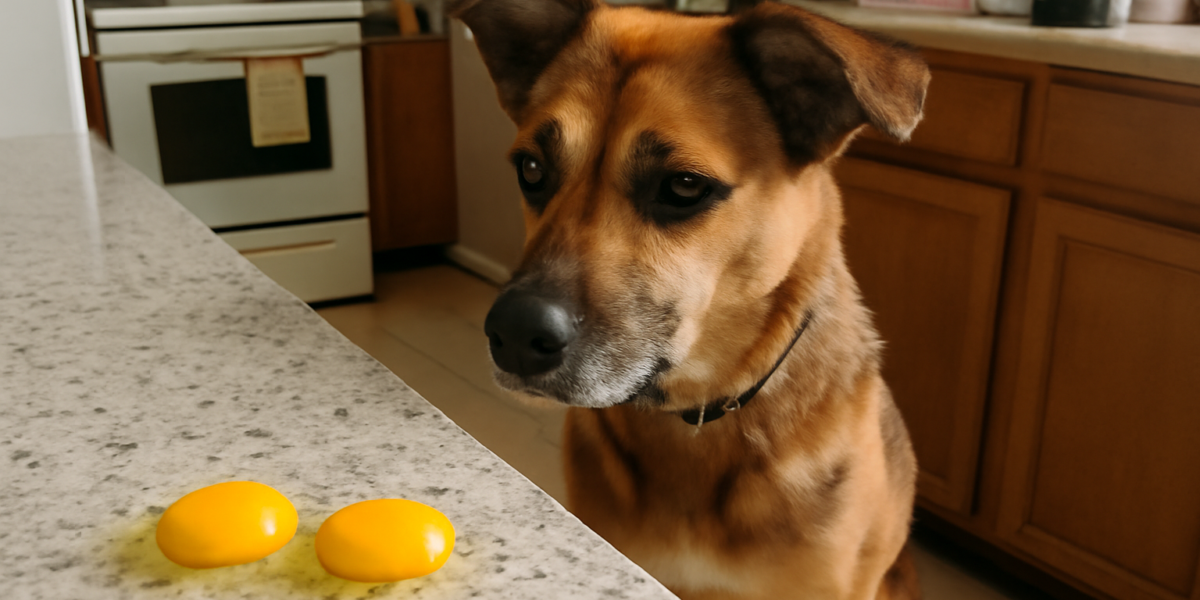
Yes, dogs can eat egg yolks, and they are actually one of the most nutrient-dense foods you can share with your pup. Egg yolks are packed with healthy fats, vitamins, and minerals that support your dog’s coat, brain, and overall health. The key considerations are how the yolk is prepared, how often you serve it, and whether your dog has any conditions that require fat restriction.
Cooked egg yolks are the safest and most recommended option. Raw egg yolks are not toxic, but they come with some risks that most veterinarians agree are worth avoiding. Whether you scramble, hard-boil, or poach the egg, your dog gets the nutritional benefits without the drawbacks of raw feeding.
If your dog loves eggs, you might also be interested in other protein-rich additions to their diet. Our guide on salmon skin for dogs covers another nutrient-packed food topper.
Nutritional Profile: What Makes Egg Yolks So Valuable
Egg yolks are sometimes called nature’s multivitamin, and for good reason. The yolk is where the vast majority of the egg’s nutrients are concentrated, while the white is primarily protein and water.
Here is what one large egg yolk provides:
- Healthy fats: About 4.5 grams, including omega-3 and omega-6 fatty acids that support skin health and a shiny coat.
- Vitamin A: Supports vision, immune function, and cell growth.
- Vitamin D: Essential for calcium absorption and bone health. Dogs cannot synthesize enough vitamin D from sunlight, so dietary sources are important.
- Vitamin E: An antioxidant that protects cells from damage.
- B vitamins: Including B12, riboflavin, and folate, which support energy metabolism and nervous system health.
- Choline: Critical for brain function and liver health. Egg yolks are one of the richest dietary sources of choline.
- Selenium: A trace mineral that supports thyroid function and acts as an antioxidant.
- Iron and zinc: Support red blood cell production and immune function.
- Biotin (vitamin B7): Supports healthy skin, coat, and metabolic processes.
This nutrient density makes egg yolks particularly valuable for dogs with dull coats, dry skin, or those recovering from illness. Many breeders and veterinary nutritionists recommend eggs as a regular dietary supplement.
Raw vs Cooked Egg Yolks: The Biotin Debate
The question of raw versus cooked egg yolks for dogs is where things get nuanced. Both are nutritionally valuable, but they come with different risk profiles.
The Case Against Raw Egg Whites (Not Yolks)
Raw egg whites contain a protein called avidin, which binds to biotin (vitamin B7) in the digestive tract and prevents its absorption. Chronic biotin deficiency can lead to skin problems, a dull coat, and metabolic issues. However, this is primarily a concern with raw egg whites, not raw yolks. The yolk itself is actually rich in biotin.
Here is the practical reality: a dog would need to eat a significant number of raw egg whites regularly over an extended period to develop a biotin deficiency. An occasional raw egg is unlikely to cause problems. But since cooking the egg white deactivates avidin entirely, there is no reason to take the risk. Cooking eliminates the issue completely.
Salmonella Risk
Raw eggs can carry Salmonella bacteria on the shell or within the egg itself. While dogs are more resistant to Salmonella than humans, they are not immune. Immunocompromised dogs, puppies, and senior dogs are at higher risk. Additionally, a dog carrying Salmonella can shed the bacteria in their stool, potentially infecting human household members.
The Verdict
Cooked egg yolks retain the vast majority of their nutritional value while eliminating the avidin concern and reducing Salmonella risk. Lightly cooking the egg (soft-boiled or scrambled on low heat) preserves more heat-sensitive nutrients than hard-boiling, though the differences are marginal for practical purposes. Cook the eggs and skip the unnecessary risk.
How to Prepare Egg Yolks for Your Dog
Preparing egg yolks for your dog is straightforward. The most important rule is to avoid adding any seasonings, butter, oil, or cooking spray. Plain is perfect for dogs.
Best Cooking Methods
- Hard-boiled: The easiest method. Boil the egg, peel it, and separate or serve the yolk. You can crumble it over your dog’s regular food as a topper.
- Scrambled (no oil or butter): Scramble the egg in a non-stick pan over low heat without any added fat. Break it into small pieces for serving.
- Soft-boiled: A soft-boiled egg with a runny yolk is safe and retains slightly more nutrients than a fully cooked yolk. Many dogs go crazy for the taste.
- Poached: Drop the egg into simmering water for 3 to 4 minutes. No oil needed, and the yolk stays soft and nutrient-rich.
What to Avoid
- Fried eggs cooked in butter or oil (adds unnecessary fat)
- Eggs with salt, pepper, or other seasonings
- Eggs cooked with onion or garlic (toxic to dogs)
- Eggs mixed into recipes containing cheese, cream, or other rich ingredients
You can feed the whole egg (white and yolk together) or just the yolk. The whole egg provides a more complete protein profile, but if your dog specifically loves yolks, there is no harm in giving them just that portion.
Safe Portions by Dog Size
Egg yolks are calorie-dense due to their fat content. One large egg yolk contains about 55 calories, which is a meaningful amount for a small dog. Follow the general rule that treats and food toppers should not exceed 10 percent of your dog’s daily caloric intake.
Recommended egg yolk portions:
- Small dogs (under 20 lbs): Half a yolk, 2 to 3 times per week
- Medium dogs (20 to 50 lbs): 1 yolk, 3 to 4 times per week
- Large dogs (50 to 90 lbs): 1 to 2 yolks, up to daily
- Giant breeds (over 90 lbs): 2 yolks, up to daily
When introducing egg yolks for the first time, start with a small amount and observe your dog over 24 hours for any digestive reaction. Some dogs, particularly those with sensitive stomachs or pancreatitis history, may not tolerate the fat content well.
Dogs who are overweight or on a calorie-restricted diet should have egg yolks less frequently. Dogs on a prescribed low-fat diet for pancreatitis should avoid egg yolks and may tolerate egg whites better, as the whites are nearly fat-free.
When Egg Yolks Are Especially Beneficial
While any healthy dog can benefit from the occasional egg yolk, certain situations make them particularly valuable as a dietary supplement.
Dogs with dry skin or dull coats: The omega fatty acids and vitamin E in egg yolks can visibly improve coat quality within a few weeks of regular supplementation. Many owners notice a shinier, softer coat after adding eggs to their dog’s diet.
Pregnant or nursing dogs: The choline, folate, and complete amino acid profile in eggs supports fetal development and milk production. Consult your vet about appropriate amounts during pregnancy and lactation.
Underweight or recovering dogs: The calorie density and high bioavailability of egg yolk nutrients make them an excellent way to help a dog gain weight or recover from illness. The soft texture is also easy to eat for dogs with dental issues or reduced appetite.
Senior dogs: The choline in egg yolks supports cognitive function, which may help aging dogs maintain mental sharpness. The vitamin D and calcium in yolks also support bone density in older dogs.
For more nutritional tips and guidance on caring for your dog, explore our dog care blog.
Signs of Trouble and What to Do
Egg yolks are well-tolerated by most dogs, but there are situations where problems can arise. Knowing the warning signs helps you respond appropriately.
Egg allergy: While uncommon, some dogs are allergic to eggs. Signs of a food allergy include itchy skin, hives, ear infections, vomiting, or diarrhea after eating eggs. If you suspect an egg allergy, stop feeding eggs immediately and consult your veterinarian. They may recommend an elimination diet to confirm the diagnosis.
Pancreatitis risk: Dogs with a history of pancreatitis or those prone to it (such as Miniature Schnauzers and some other breeds) may react badly to the fat content in egg yolks. Symptoms of pancreatitis include vomiting, abdominal pain, hunched posture, loss of appetite, and diarrhea. This is a veterinary emergency requiring immediate professional care.
Digestive upset from overconsumption: If your dog ate several eggs at once, expect possible gas, loose stools, or diarrhea. This should resolve within 24 to 48 hours. Withhold eggs and offer a bland diet (plain rice and boiled chicken) until digestion normalizes.
If your dog ate raw eggs including the shell: Eggshells are not toxic and are actually a source of calcium. However, the sharp edges can occasionally irritate the digestive tract, and the raw egg whites raise the biotin and Salmonella concerns discussed earlier. Monitor for any signs of illness and contact your vet if symptoms develop.
If your dog regularly enjoys eggs, you might also consider other healthy treat options. Our article on coconut for dogs covers another nutritious food that many dogs enjoy.
Frequently Asked Questions
Can puppies eat egg yolks?
Yes, puppies over 8 weeks old can eat cooked egg yolks in small amounts. Start with a quarter of a yolk and watch for any digestive issues. The nutrients in egg yolks, particularly choline and DHA, actually support brain development in growing puppies. Always cook the egg to eliminate any Salmonella risk, as puppies have developing immune systems.
Should I feed my dog the whole egg or just the yolk?
Feeding the whole egg is perfectly fine and provides a more complete nutritional profile. The egg white contributes additional protein with very little fat. However, if your dog is on a fat-restricted diet or you simply want to use the yolk as a meal topper, feeding just the yolk is equally valid. Many owners use the whites in their own cooking and give the yolks to the dog.
Do egg yolks raise cholesterol in dogs?
Dogs process dietary cholesterol differently than humans. They do not develop the same type of cardiovascular disease from dietary cholesterol that humans do. For healthy dogs, the cholesterol in egg yolks is not a concern. Dogs with hypothyroidism or other conditions affecting cholesterol metabolism should have their vet weigh in before adding regular egg yolks to their diet.
Can I give my dog eggs every day?
For medium to large dogs, a daily egg is generally safe and well-tolerated. For small dogs, daily might be too much due to the calorie content, so every other day or a few times per week is more appropriate. As with any supplement, moderation is key. Eggs should complement a balanced diet, not replace significant portions of it.
Are quail eggs better than chicken eggs for dogs?
Quail eggs offer a similar nutritional profile to chicken eggs but in a much smaller package, making them convenient for small dogs who only need a tiny portion. Some proponents claim quail eggs have a higher nutrient density per gram, but the practical differences are minimal. Either type is a healthy choice for your dog.


