
Last updated: April 10, 2026
In this article
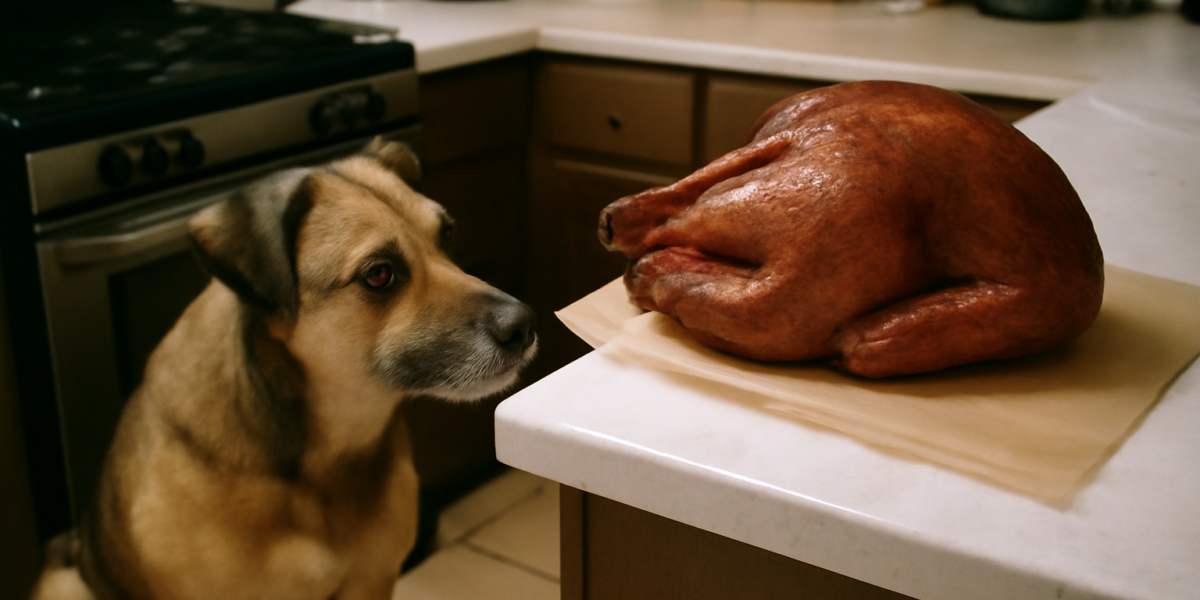
Should Dogs Eat Smoked Turkey?
Dogs should not eat smoked turkey as a regular treat, though a very small, occasional taste is unlikely to cause harm in a healthy dog. Smoked turkey is heavily loaded with sodium, and many varieties contain preservatives like sodium nitrite and sodium nitrate that are not appropriate for canine consumption. While plain, cooked turkey is an excellent protein source for dogs, the smoking and curing process transforms it into something far less suitable for your pet.
A single ounce of commercial smoked turkey can contain 250 to 400 milligrams of sodium. For perspective, a 30-pound dog’s total daily sodium needs are roughly 100 milligrams. Even a small serving of smoked turkey can easily exceed what your dog should consume in an entire day.
Why Smoked Turkey Is Problematic for Dogs
The smoking process involves brining or rubbing the turkey with large amounts of salt, sugar, and often additional seasonings before slow-cooking it over wood smoke. This infuses the meat with flavors that humans enjoy but creates several issues for dogs.
Sodium overload is the primary concern. Dogs are far more sensitive to sodium than humans, and chronic excess sodium consumption can lead to high blood pressure, kidney strain, and increased thirst and urination. In severe cases, acute sodium poisoning can cause vomiting, diarrhea, tremors, seizures, and even death.
Preservatives like sodium nitrite and sodium nitrate are commonly added to smoked and cured meats to prevent bacterial growth and maintain color. While these compounds are approved for human consumption in regulated amounts, their effects on dogs are less well studied. Some research suggests nitrates may contribute to the formation of carcinogenic compounds in the digestive tract.
Seasonings and flavorings present another risk. Smoked turkey often contains garlic powder, onion powder, black pepper, and various spice blends. Both garlic and onion are toxic to dogs and can damage red blood cells, potentially leading to anemia even in small amounts over time.
Sugar is another common ingredient in smoked turkey glazes and brines. While not toxic, added sugar contributes empty calories and can promote weight gain, dental problems, and blood sugar fluctuations in dogs.
Verdict: Not Recommended, But Not an Emergency
Smoked turkey falls into the “best avoided” category for dogs. It is not acutely toxic like chocolate or xylitol, so if your dog snatches a small piece off the counter, there is no need to panic. However, it should not be intentionally offered as a treat or food topper due to its excessive sodium, preservatives, and seasonings.
If you want to share turkey with your dog, plain cooked turkey is a much better option. It provides the same high-quality protein without the harmful additives.
Portions by Dog Size (If Fed at All)
While we do not recommend making smoked turkey a regular part of your dog’s diet, here are maximum safe amounts if your dog has already eaten some or you want to offer a tiny taste as a rare treat:
- Small dogs (under 20 lbs): No more than a pinch, roughly the size of a fingernail clipping, and no more than once a month.
- Medium dogs (20-50 lbs): A thin, small slice, about half the size of a playing card, no more than once a month.
- Large dogs (50-90 lbs): One thin slice, roughly the size of a playing card, no more than once a month.
- Giant breeds (over 90 lbs): One to two thin slices, no more than once a month.
These portions assume your dog is otherwise healthy with no kidney, heart, or blood pressure issues. Dogs with any chronic health condition should not eat smoked turkey at all. After feeding even a small amount, make sure your dog has access to plenty of fresh water to help flush the excess sodium.
Trouble Signs to Watch For
If your dog has eaten a significant amount of smoked turkey, watch for these symptoms of sodium overload or digestive distress:
- Excessive thirst and urination: The most common and earliest sign. Your dog may drink considerably more water than usual and need more frequent bathroom breaks.
- Vomiting and diarrhea: The high sodium and fat content can irritate the digestive tract, leading to nausea, vomiting, and loose stools.
- Lethargy and weakness: If your dog seems unusually tired or sluggish after eating smoked turkey, this may indicate their body is struggling to process the sodium load.
- Swollen abdomen or bloating: Sodium can cause fluid retention, which may manifest as a swollen belly or puffy appearance.
- Tremors or seizures: These are signs of severe sodium toxicity and constitute a veterinary emergency. If your dog shows neurological symptoms after eating smoked turkey, go to the emergency vet immediately.
- Decreased appetite: Your dog may refuse their next meal if their stomach is upset from the rich, salty meat.
Most dogs that eat a small amount of smoked turkey will experience nothing more than increased thirst. However, small breeds, puppies, and dogs with pre-existing conditions are more vulnerable to complications. When in doubt, call your veterinarian or a pet poison helpline for guidance.
Healthier Turkey Alternatives for Dogs
If your dog loves turkey flavor, there are much safer ways to incorporate it into their diet. Plain roasted or boiled turkey breast, prepared without salt, seasonings, or oil, is an excellent lean protein source that most dogs adore.
Turkey is actually a common ingredient in many high-quality commercial dog foods and treats. Checking the ingredient list of your dog’s food may reveal that they are already getting turkey in their diet.
For homemade turkey treats, try these options:
- Boiled turkey breast: Simply boil boneless, skinless turkey breast in plain water for 20 minutes. Dice into small pieces for training treats or meal toppers.
- Dehydrated turkey jerky: Slice turkey breast thinly and dehydrate at 160 degrees Fahrenheit for 8 to 10 hours. These make excellent shelf-stable treats with no added preservatives.
- Turkey and pumpkin treats: Mix ground turkey with canned pumpkin and a small amount of coconut flour, then bake at 350 degrees for 15 minutes for soft, nutritious biscuits.
Always remove the skin before feeding turkey to your dog. Turkey skin is high in fat and can trigger pancreatitis in sensitive dogs. Cooked turkey bones are also dangerous as they can splinter and cause choking or internal injuries.
Smoked Turkey and Holiday Safety
Holidays are peak times for dogs getting into smoked turkey and other rich foods. Thanksgiving, Christmas, and Easter often feature smoked or heavily seasoned turkey on the table, and well-meaning family members may slip your dog a piece without realizing the risks.
Communicate with guests about your dog’s dietary restrictions before holiday meals. A simple request to avoid feeding your dog table scraps can prevent an unpleasant trip to the emergency vet. Keep smoked turkey platters out of counter-surfing reach and secure trash bags that contain turkey scraps, bones, and drippings.
If you want your dog to enjoy the holiday too, prepare a small portion of plain, unseasoned turkey breast specifically for them. They will appreciate the special treat without any of the health risks that come with the smoked variety. Consider pairing it with dog-safe foods like sweet potatoes or green beans for a festive and safe doggy meal.
Frequently Asked Questions
My dog ate a whole slice of smoked turkey. Should I be worried?
For a healthy medium to large dog, a single slice is unlikely to cause serious problems beyond possible increased thirst and mild stomach upset. Monitor them for the next 12 to 24 hours and provide plenty of fresh water. For small dogs or dogs with health conditions, contact your veterinarian for specific advice.
Is deli turkey the same as smoked turkey for dogs?
Deli turkey shares many of the same problems. It is typically high in sodium, contains preservatives, and may include seasonings that are not safe for dogs. Some low-sodium deli turkey varieties are marginally better, but plain cooked turkey remains the safest choice.
Can dogs eat smoked turkey bones?
Absolutely not. Cooked turkey bones, whether smoked or not, are brittle and can splinter into sharp fragments that risk choking, esophageal tears, or intestinal puncture. Always keep cooked bones away from your dog.
Is naturally smoked turkey better for dogs than commercially processed?
Naturally smoked turkey, made without nitrates or artificial preservatives, is a slight improvement, but it still contains high levels of sodium from the brining process. The sodium content alone makes it unsuitable as a regular treat. Stick to plain turkey preparations for your dog.
Can smoked turkey cause pancreatitis in dogs?
The high fat content in smoked turkey skin and dark meat can trigger pancreatitis in susceptible dogs. Breeds prone to pancreatitis, including Miniature Schnauzers, Cocker Spaniels, and Yorkshire Terriers, should avoid smoked turkey entirely. Even lean smoked turkey carries sodium risks that outweigh any protein benefits.


