
Last updated: April 9, 2026
In this article
Can Dogs Eat Sunflower Seeds? Your Complete Safety Guide
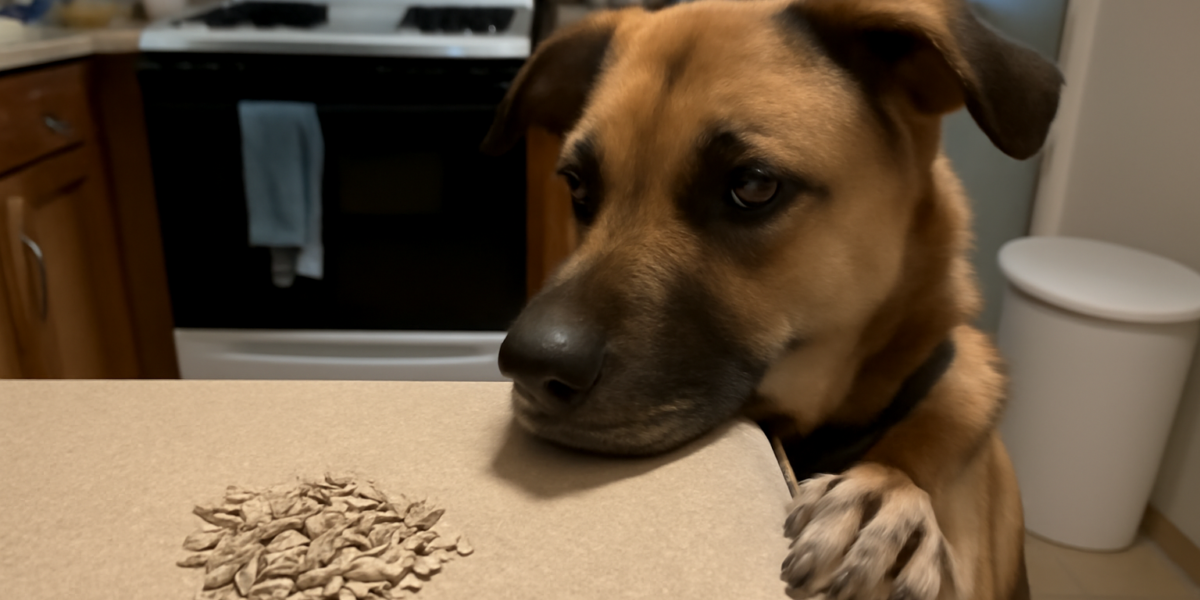
Sunflower seeds are one of nature’s most popular snacks, packed into trail mixes, sprinkled on salads, and enjoyed straight from the bag by millions of people. If your dog has been eyeing you while you munch on a handful, you might be wondering whether it is safe to share. The good news is that sunflower seeds are not toxic to dogs and can actually offer some nutritional benefits when served properly. However, there are important preparation guidelines and portion limits to follow. This article will give you a thorough understanding of how to safely incorporate sunflower seeds into your dog’s treat rotation.
Are Sunflower Seeds Safe for Dogs?
Yes, sunflower seeds are safe for dogs to eat in moderation. The seeds themselves — specifically the sunflower seed kernels — are non-toxic and contain a variety of nutrients that can benefit your dog’s health. However, the way sunflower seeds are typically packaged and sold for human consumption often makes them unsuitable for dogs without some modification.
The most important safety consideration is that sunflower seeds fed to dogs must be shelled, unsalted, and unflavored. The black-and-white striped shells that encase sunflower seeds are not digestible and can cause gastrointestinal irritation, blockages, or choking if swallowed. Salted and flavored varieties contain sodium levels and seasoning ingredients that can be harmful to dogs.
When you purchase sunflower seeds specifically to share with your dog, look for raw or dry-roasted, unsalted sunflower seed kernels. These are widely available in grocery stores and health food shops, usually in the baking aisle or the bulk foods section. Raw kernels are the ideal choice since they have not been exposed to any added oils or heat processing that could diminish their nutritional value.
If you are interested in exploring other seeds that are safe for your dog, you might also look into chia seeds and flaxseed, both of which offer their own unique health benefits for canines.
Nutritional Benefits of Sunflower Seeds for Dogs
Sunflower seeds are a surprisingly nutrient-dense food. Despite their small size, they deliver a concentrated dose of healthy fats, vitamins, and minerals that can complement your dog’s regular diet.
Vitamin E: Sunflower seeds are one of the richest natural sources of vitamin E, a fat-soluble antioxidant that plays a critical role in protecting cells from oxidative damage. For dogs, adequate vitamin E intake supports a healthy immune system, promotes skin and coat health, and may help reduce inflammation. Dogs with dry, flaky skin or dull coats may particularly benefit from the vitamin E in sunflower seeds.
Healthy Fats: Sunflower seeds are high in polyunsaturated and monounsaturated fats, including linoleic acid, an essential omega-6 fatty acid. These healthy fats support cardiovascular health, brain function, and the maintenance of a glossy, healthy coat. Omega-6 fatty acids are also important for skin barrier function and can help dogs with dry or itchy skin.
B Vitamins: Sunflower seeds contain several B vitamins, including thiamine (B1), niacin (B3), folate (B9), and pantothenic acid (B5). These vitamins are involved in energy metabolism, nervous system function, and the production of red blood cells. They help keep your dog energetic and their body systems running efficiently.
Minerals: Sunflower seeds provide a range of important minerals including magnesium, selenium, copper, manganese, phosphorus, and zinc. Magnesium supports muscle and nerve function, selenium acts as an antioxidant, and zinc is essential for immune health and wound healing.
Protein: While not a primary protein source, sunflower seeds do contain a moderate amount of plant-based protein that contributes to overall amino acid intake. A quarter cup of sunflower seed kernels provides about seven grams of protein.
Despite these impressive nutritional credentials, it is worth noting that sunflower seeds are calorie-dense. A quarter cup of kernels contains roughly two hundred calories, which is significant for a dog. This is why portion control is so important, as we will discuss in a later section.
How to Serve Sunflower Seeds to Your Dog
Proper preparation is the key to making sunflower seeds a safe and enjoyable treat for your dog. Follow these guidelines to serve them correctly.
Remove the Shells: This is the most critical step. Always feed your dog shelled sunflower seed kernels only. The outer shells are sharp-edged and indigestible, posing risks of choking, mouth irritation, and gastrointestinal problems including potential blockages. Never offer your dog sunflower seeds still in their shells.
Choose Unsalted and Unflavored: Many commercially available sunflower seeds are heavily salted or coated in flavorings like barbecue, ranch, or dill. Excess sodium can lead to increased thirst, urination, and in severe cases, sodium ion poisoning in dogs. Flavored varieties may contain garlic powder, onion powder, or other ingredients that are toxic to dogs. Always choose plain, unsalted kernels.
Raw or Dry-Roasted: Both raw and dry-roasted (without oil) sunflower seed kernels are fine for dogs. Raw seeds retain the most nutrients, while dry-roasted seeds have a slightly nuttier flavor that some dogs may prefer. Avoid oil-roasted seeds, as the added fat is unnecessary and can contribute to digestive upset and weight gain.
Crush or Grind for Small Dogs: For very small dogs or dogs that tend to swallow food without chewing, consider crushing or coarsely grinding the sunflower seed kernels before serving. This reduces any choking risk and makes the nutrients more accessible for digestion. You can use a mortar and pestle, a food processor, or simply crush them in a plastic bag with a rolling pin.
Use as a Topper: One of the easiest ways to incorporate sunflower seeds into your dog’s diet is to sprinkle a small amount of crushed or whole kernels over their regular food. This adds a nutritional boost and a bit of texture variety that many dogs enjoy.
Sunflower seed butter — made from ground sunflower seeds with no added sugar, salt, or xylitol — is another option. It can be used as an alternative to peanut butter for dogs with nut allergies. Just check the ingredient label carefully to ensure there are no harmful additives, especially xylitol, which is extremely toxic to dogs.
Portion Guidelines and How Often to Feed
Because sunflower seeds are calorie-dense and high in fat, portion control is essential to prevent weight gain and digestive problems. Even though the fats in sunflower seeds are healthy, too much fat in a dog’s diet can lead to pancreatitis — a painful and potentially serious inflammation of the pancreas.
Here are general portion guidelines based on your dog’s size. These amounts represent a single serving and should not be given daily.
For toy and small breeds under fifteen pounds, limit sunflower seeds to about ten to fifteen kernels, or roughly one teaspoon of crushed seeds. For medium breeds between fifteen and fifty pounds, a tablespoon of kernels is an appropriate portion. For large breeds between fifty and ninety pounds, you can offer up to two tablespoons. Giant breeds over ninety pounds can have up to three tablespoons, though this should still be an occasional treat rather than an everyday offering.
A good feeding frequency is two to three times per week at most. On days when you offer sunflower seeds, you may want to reduce the amount of other treats to keep your dog’s overall caloric intake in check.
As with any new food, introduce sunflower seeds gradually. Start with just a few kernels and watch for any adverse reactions over the next day or two. Signs of intolerance can include stomach upset, vomiting, diarrhea, or excessive gas. If your dog handles them well, you can gradually work up to the recommended portion for their size.
Dogs with a history of pancreatitis, those that are significantly overweight, or dogs on prescription diets should not be given sunflower seeds without veterinary approval, due to the high fat content.
Potential Risks and Common Concerns
While sunflower seeds are generally safe, there are several potential risks that responsible dog owners should be aware of.
Shell Ingestion: We have mentioned this multiple times because it is the most significant risk. Sunflower seed shells can cause damage to the mouth, esophagus, stomach, or intestines if swallowed. They can also accumulate and form a mass that blocks the digestive tract. If your dog accidentally eats a handful of shelled sunflower seeds, monitor them for signs of distress including vomiting, abdominal pain, loss of appetite, or changes in bowel habits, and contact your vet if any of these occur.
High Fat Content: The fat in sunflower seeds is predominantly healthy unsaturated fat, but dogs that consume too much fat from any source are at risk for pancreatitis. This condition can range from mild to life-threatening and often requires veterinary treatment. Symptoms include vomiting, diarrhea, abdominal pain, lethargy, and loss of appetite. Keeping portions small and infrequent is the best prevention.
Sodium Toxicity: Salted sunflower seeds contain far more sodium than dogs should consume. Even a relatively small amount of salted seeds can exceed a small dog’s daily sodium limit. Symptoms of excessive sodium intake include excessive thirst, vomiting, diarrhea, tremors, and in severe cases, seizures. Stick to unsalted varieties exclusively.
Xylitol in Sunflower Seed Butter: Some sunflower seed butter brands marketed as sugar-free may contain xylitol, an artificial sweetener that is extremely toxic to dogs. Even small amounts of xylitol can cause a dangerous drop in blood sugar and liver failure. Always read ingredient labels thoroughly before sharing any sunflower seed butter product with your dog.
Caloric Density: For dogs that need to lose weight or maintain a healthy weight, the calorie density of sunflower seeds is something to be mindful of. A quarter cup of kernels contains roughly two hundred calories, which could represent a significant chunk of a small dog’s daily caloric needs. Adjust portions accordingly and account for sunflower seed calories within your dog’s overall daily intake.
Allergic Reactions: Though uncommon, some dogs may have a sensitivity to sunflower seeds. Watch for symptoms like itching, hives, facial swelling, vomiting, or diarrhea after feeding sunflower seeds for the first time. Discontinue and consult your veterinarian if any allergic symptoms appear.
Frequently Asked Questions
Can dogs eat sunflower seed shells?
No, dogs should never eat sunflower seed shells. The shells are indigestible, have sharp edges that can irritate or damage the gastrointestinal tract, and can accumulate to cause intestinal blockages. Always ensure that you are feeding your dog shelled sunflower seed kernels only. If your dog accidentally consumes shells, monitor them closely for signs of digestive distress and contact your veterinarian if any concerning symptoms develop.
Is sunflower seed butter safe for dogs?
Sunflower seed butter can be safe for dogs as long as it contains no added sugar, salt, or xylitol. Xylitol is an artificial sweetener found in some sugar-free products and is extremely toxic to dogs — even small amounts can be life-threatening. Read the ingredient list carefully before offering any sunflower seed butter to your dog. Plain, simple sunflower seed butter with just sunflower seeds and possibly a small amount of sunflower oil is the safest option.
Are sunflower seeds better than pumpkin seeds for dogs?
Both sunflower seeds and pumpkin seeds are safe and nutritious for dogs, and each offers a slightly different nutritional profile. Sunflower seeds are higher in vitamin E and healthy unsaturated fats, making them particularly good for skin and coat health. Pumpkin seeds are well known for their zinc content and have been traditionally used to support urinary and prostate health in dogs. There is no need to choose one over the other — offering both as part of a varied treat rotation gives your dog the benefits of each. Just keep portions moderate for both, as they are calorie-dense foods.
Can puppies eat sunflower seeds?
Puppies over twelve weeks of age that are eating solid food can try a very small number of sunflower seed kernels as an occasional treat. Start with just two or three kernels to see how your puppy’s digestive system handles them. Because puppies are small and have developing digestive systems, it is especially important to keep portions tiny and to crush or grind the kernels to prevent choking. The bulk of a puppy’s nutrition should come from a complete and balanced puppy food formulated for their growth needs.
Sunflower seeds are a nutritious, flavorful treat that most dogs enjoy and tolerate well. By choosing shelled, unsalted, unflavored kernels and keeping portions appropriate for your dog’s size, you can confidently add this little powerhouse seed to your dog’s snacking lineup. As with any dietary addition, start small, observe your dog’s response, and consult your veterinarian if you have any concerns.


