Last updated: May 6, 2026
In this article
What Makes a Cat Brachycephalic?
Cat breeds with flat faces — known as brachycephalic breeds — have skulls that are shorter and wider than average, giving them that distinctive pushed-in appearance. This facial structure is the result of selective breeding over many generations, and while it creates an undeniably adorable look, it also comes with health considerations that every prospective owner needs to understand.
Brachycephalic cats have shortened nasal passages, crowded teeth, and sometimes misaligned jaws. These structural differences can affect breathing, eating, and eye health. If you are drawn to flat-faced breeds, being informed about their needs is the first step toward responsible ownership. A good veterinarian experienced with brachycephalic breeds is essential.
Below are the most popular cat breeds with flat faces, along with their key traits, personalities, and care requirements.
Popular Flat-Faced Cat Breeds
Persian
The Persian is the poster cat for flat-faced breeds. With its long, flowing coat, large round eyes, and extremely short nose, the Persian has been one of the most popular breeds worldwide for over a century. Persians are calm, gentle, and quiet — true lap cats that prefer a peaceful environment.
Grooming is a daily commitment due to their long coat, and their flat faces require daily eye-area cleaning to prevent tear staining and skin irritation. Persians are prone to breathing difficulties, dental crowding, and polycystic kidney disease. Despite these challenges, they are deeply rewarding companions for dedicated owners.
Exotic Shorthair
Think of the Exotic Shorthair as a Persian with a low-maintenance coat. They have the same flat face and round body but with a short, dense, plush coat that needs far less brushing. Exotic Shorthairs share the Persian’s calm, affectionate temperament and face the same brachycephalic health concerns.
If you love the Persian look but cannot commit to daily coat grooming, the Exotic Shorthair is the practical alternative. They still need daily face cleaning and regular veterinary checkups for breathing and eye issues.
Himalayan
The Himalayan is essentially a Persian with Siamese-style color points. These cats have the long Persian coat and flat face combined with striking blue eyes and pointed coloring on the ears, face, paws, and tail. Their temperament is a blend of Persian calm and a touch more playfulness from their Siamese heritage.
Himalayans require the same intensive grooming and face cleaning as Persians. They share the breed’s brachycephalic health risks and thrive in calm, air-conditioned environments where breathing is easiest.
Scottish Fold
Scottish Folds have a moderately flat face and are best known for their distinctive folded ears that give them an owl-like appearance. They are sweet, gentle cats with a playful streak. Not all Scottish Folds have the same degree of facial flatness, and some have straighter faces than others.
The breed’s primary health concern is osteochondrodysplasia, a painful cartilage and bone condition linked to the gene that causes the ear fold. Breathing issues are less severe than in Persians but can still occur in flatter-faced individuals.
Burmilla
The Burmilla has a subtly flat face rather than the extreme brachycephalic structure of the Persian. These cats are a cross between the Burmese and the Chinchilla Persian, resulting in a medium-sized cat with a sparkling silver or golden coat. They are affectionate, playful, and generally healthier than more extremely flat-faced breeds.
Burmillas represent the milder end of the flat-face spectrum and typically experience fewer breathing-related health issues than Persians or Exotics.
Selkirk Rex
The Selkirk Rex combines a moderately flat face with a curly coat that gives it a charmingly disheveled look. These cats are laid-back, patient, and good with families. Their brachycephalic features are less extreme than Persians, and their curly coat — while unique — requires regular grooming to prevent matting.
British Shorthair
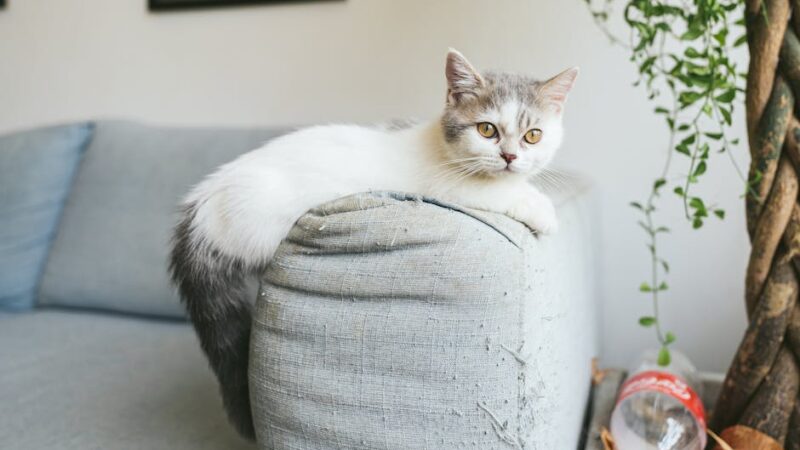
The British Shorthair has a round face that some consider mildly brachycephalic, though their muzzle is longer than a Persian’s. They are calm, independent, and sturdy cats with a plush coat that requires minimal grooming. British Shorthairs generally experience fewer breathing issues than more extreme flat-faced breeds. Explore more about this breed in our British Shorthair personality guide.
Health Considerations for Flat-Faced Cats
Brachycephalic cats face several health challenges that potential owners should be prepared for. Understanding these issues upfront helps you provide better care and avoid surprises.
Breathing difficulties: Shortened nasal passages and narrow nostrils (stenotic nares) make breathing harder, especially in warm or humid environments. Some flat-faced cats snore, wheeze, or breathe audibly at rest. In severe cases, corrective surgery may be recommended by your veterinarian.
Eye problems: Large, protruding eyes are vulnerable to injury, chronic tearing, corneal ulcers, and entropion (inward-rolling eyelids). Daily eye cleaning and regular veterinary eye exams are essential for breeds like the Persian and Exotic Shorthair.
Dental issues: Shortened jaws lead to crowded, misaligned teeth. This increases the risk of periodontal disease, retained baby teeth, and difficulty eating. Regular dental checkups and at-home dental care (tooth brushing or dental treats) help manage these concerns.
Heat sensitivity: Because they cannot breathe as efficiently as cats with normal-length muzzles, brachycephalic cats are more vulnerable to heatstroke. Air conditioning is not a luxury for these breeds — it is a necessity in warm climates. Always consult your veterinarian about environmental precautions for your flat-faced cat.
Grooming Tips for Brachycephalic Breeds
Flat-faced cats need extra grooming attention, even beyond what their coat type requires. The facial structure creates folds and crevices where moisture, tears, and debris accumulate.
- Daily face cleaning: Use a soft, damp cloth or pet-safe wipe to clean around the eyes, nose, and facial folds. Moisture left in skin folds can cause bacterial or yeast infections.
- Tear stain management: Persians and Exotic Shorthairs are especially prone to tear staining. Regular cleaning prevents the reddish-brown discoloration that builds up below the eyes. Pet-safe tear stain removers can help with stubborn staining.
- Coat care: Long-haired brachycephalic breeds like Persians and Himalayans need daily brushing. Short-haired breeds like the Exotic Shorthair still benefit from weekly brushing to manage shedding.
- Dental hygiene: Brush your cat’s teeth or use veterinarian-approved dental treats to combat the dental crowding that comes with a shortened jaw.
Building these grooming habits early — ideally when your cat is a kitten — makes the process easier for both of you. Most flat-faced breeds are calm enough to tolerate regular grooming sessions without much fuss.
Choosing a Flat-Faced Cat Responsibly
If you decide that a brachycephalic breed is right for you, make informed choices. Look for breeders who prioritize moderate facial structure over extreme flatness. “Doll-faced” or “traditional” Persians, for example, have longer noses than show-standard Persians and typically experience fewer breathing and eye problems.
Adopting from a rescue is another excellent option. Many flat-faced cats end up in shelters when owners underestimate the grooming and health care commitment. Giving a rescue cat a second chance is rewarding and helps reduce the demand for extreme breeding. Browse adoptable cats on our cat adoption hub.
Before adopting or purchasing, ask your veterinarian about the specific health risks associated with brachycephalic breeds. Establish a relationship with a vet who has experience treating flat-faced cats, and budget for potential ongoing health expenses. With the right preparation and care, flat-faced cats make incredibly loving and beautiful companions. Start your search on our adoption page.
Frequently Asked Questions
Do all flat-faced cats have breathing problems?
Not all, but many do to varying degrees. Cats with more extreme facial flatness tend to have more significant breathing issues. Breeds with moderately flat faces, like the British Shorthair, typically breathe more easily than extremely flat-faced Persians.
Are flat-faced cats good with children?
Most brachycephalic breeds are calm and gentle, making them suitable for families with respectful, older children. They do not tolerate rough handling well, and their protruding eyes are vulnerable to accidental injury from grabby toddlers.
Can flat-faced cats fly on airplanes?
Many airlines restrict or ban brachycephalic breeds from cargo holds due to the increased risk of respiratory distress at altitude. Some airlines also have restrictions on in-cabin travel for these breeds. Check with your airline well before booking if you plan to fly with a flat-faced cat.
How do I keep my flat-faced cat cool in summer?
Keep your home air-conditioned, provide fresh water at all times, and avoid exposing your cat to direct sunlight for prolonged periods. Watch for signs of heat stress: panting, drooling, lethargy, and rapid breathing. Contact your veterinarian immediately if you notice these symptoms.
Is it ethical to breed flat-faced cats?
This is an ongoing debate. Critics argue that extreme brachycephaly causes unnecessary suffering, while advocates point to breeders working toward moderate, healthier facial structures. If you choose to support a breeder, look for one who prioritizes health testing and moderate features. Adopting from a rescue sidesteps the ethical concerns entirely while giving a cat in need a loving home.
Looking to adopt a Cat Breeds With Flat Faces?
Browse Cat Breeds With Flat Faces cats and mixes available for adoption from shelters and rescues near you.
Find Cat Breeds With Flat Faces Cats for Adoption