Last updated: May 6, 2026
In this article
Chausie Cat Breed Profile: The Jungle Cat Hybrid
The Chausie is not your average housecat. Descended from the wild jungle cat (Felis chaus) crossed with domestic Abyssinians, this large, athletic breed brings a piece of the wild into your home. Standing taller and longer than most domestic cats, the Chausie has the build of an athlete, the curiosity of an explorer, and an energy level that will keep even the most active owner on their toes.
Named after the Latin classification of the jungle cat — Felis chaus — the Chausie represents one of the most successful efforts to create a domestic cat with genuine wild cat heritage. Unlike many hybrid breeds that struggle to balance wild instincts with domestic compatibility, the Chausie has been bred for enough generations that most individuals available as pets are fully domestic in behavior, even as they retain the striking appearance and athleticism of their wild ancestors.
History and Origin of the Chausie Cat
The relationship between jungle cats and domestic cats stretches back thousands of years. Archaeological evidence suggests that jungle cats were kept in ancient Egyptian households, and natural hybridization between jungle cats and domestic cats has likely occurred wherever their ranges overlap — across Egypt, South Asia, and Southeast Asia.
The deliberate breeding of jungle cat-domestic cat hybrids began in the 1960s and 1970s, though these early efforts were informal and sporadic. The modern Chausie breed traces its formal development to the late 1990s, when a group of dedicated breeders established a structured breeding program with clear goals: to create a large, athletic domestic cat that captured the physical beauty of the jungle cat while maintaining a fully domestic temperament.
The foundation of the Chausie breeding program involved crossing jungle cats (Felis chaus) with Abyssinian domestic cats. The Abyssinian was chosen for several reasons: its ticked tabby coat pattern is similar to the jungle cat’s coat, its athletic build complements the jungle cat’s frame, and its active, intelligent personality meshes well with the hybrid temperament. Some Domestic Shorthair cats were also used in early breeding programs.
Chausies are classified by generation, which indicates how far removed they are from their wild ancestor. F1 Chausies have a jungle cat parent, F2 Chausies have a jungle cat grandparent, and so on. Most Chausies available as pets today are F4 or later, meaning they are at least four generations removed from the wild cat. These later-generation cats are fully domestic in behavior and are the most suitable as household companions.
TICA granted the Chausie championship status in 2013. CFA does not currently recognize the breed. The Chausie remains relatively rare, with a small but passionate community of breeders and enthusiasts working to develop and promote the breed.
If you are drawn to cats with wild heritage, you might also be interested in the Bengal cat, another hybrid breed that combines wild beauty with domestic temperament.
Appearance and Physical Characteristics
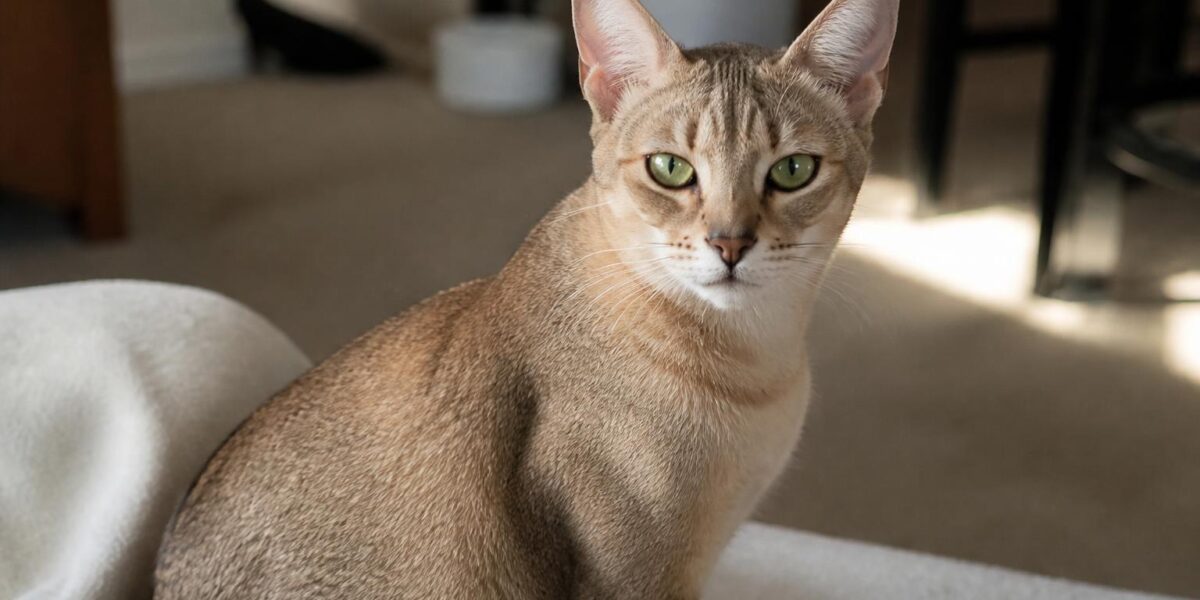
The Chausie is one of the largest domestic cat breeds, with males weighing between 15 and 25 pounds and females between 10 and 15 pounds. The breed is tall and long-bodied, with a deep chest and a lean, muscular build that suggests explosive athleticism. These cats are built for running, jumping, and climbing, and their physical capabilities are extraordinary.
The body is long and rectangular with a strong, straight back and well-developed muscles. The legs are long and powerful, with the hind legs being slightly longer than the front legs, giving the cat a slight upward slope from shoulder to hip. The paws are medium-sized and may appear somewhat small in proportion to the body. The overall impression is of a rangy, athletic cat that could sprint across a savannah or leap to the top of a bookshelf with equal ease.
The head is a modified wedge shape with high, prominent cheekbones and a strong chin. The profile shows a gentle slope from the forehead to the nose with a slight rise at the bridge of the nose. The eyes are medium-sized, slightly flattened on top, and set at a slight angle. Eye color ranges from gold to yellow-green, with deep gold being preferred. The ears are tall, large, and set high on the head, often with small tufts at the tips reminiscent of the wild jungle cat.
The coat is short to medium in length, dense, and has a slightly coarse texture. TICA recognizes three coat colors for the Chausie: solid black, black grizzled ticked tabby, and brown ticked tabby. The black grizzled ticked tabby is unique to the Chausie breed — each hair is banded with alternating bands of dark and light color, creating a shimmering, grizzled effect that is absolutely stunning in natural light. This coat pattern is inherited directly from the jungle cat and is not found in any other domestic cat breed.
The tail is somewhat shorter than average for a domestic cat, typically reaching to the hock but not to the ground. It is thick at the base and tapers to a blunt tip.
Temperament and Personality
The Chausie’s temperament is best described as intensely engaged. These cats are exceptionally active, curious, and intelligent, and they approach life with a level of energy and enthusiasm that can be both exhilarating and exhausting for their owners. If you are looking for a quiet, independent cat that is content to sleep in a sunny spot all day, the Chausie is emphatically not the breed for you.
Chausies are deeply bonded to their families and need significant daily interaction. They are not content to simply share a house with their humans — they want to participate in everything you do. They will follow you from room to room, investigate your activities, and insert themselves into household routines with impressive persistence. This devotion is endearing, but it also means that Chausies do not tolerate being left alone for extended periods. Loneliness and boredom in a Chausie lead quickly to destructive behavior.
The breed’s intelligence is remarkable. Chausies are problem-solvers that can figure out door handles, latches, faucets, and cabinet locks. They are observational learners that watch their owners perform tasks and then attempt to replicate them. This intelligence, combined with their physical capabilities, means that Chausie-proofing your home is an ongoing process — just when you think you have secured everything, your Chausie will find a new challenge to conquer.
Chausies are athletic and acrobatic. They can jump to extraordinary heights — six feet or more from a standing position — and they love to run at full speed through the house. Providing adequate space for these activities is important. These cats are not well suited to small apartments or cluttered living spaces where their need for movement cannot be accommodated.
The breed is generally social with other animals and often does best in homes with other active cats or cat-friendly dogs. A companion animal can provide the play and interaction that a Chausie needs when its human family is busy or away. However, introductions should be managed carefully, and the other animal should be able to match the Chausie’s energy level.
Some Chausies — particularly those closer to the wild ancestor (F1 through F3) — may retain stronger wild instincts and be less predictable in their behavior. These early-generation cats are generally not recommended as pets and are best suited for experienced breeders or owners with extensive knowledge of wild cat behavior. Later-generation Chausies (F4 and beyond) are fully domestic in their behavior and make much better household companions.
Exercise and Training
The Chausie has exercise requirements that are closer to those of an active dog than a typical cat. These cats need significant daily physical activity and mental stimulation to remain healthy and well-adjusted. Plan on dedicating at least 30 to 45 minutes per day to structured play and enrichment activities, in addition to providing environmental enrichment that allows the cat to exercise independently.
Interactive play is essential for Chausies. Feather wands, laser pointers, remote-controlled toys, and fetch games all appeal to this breed’s hunting instincts and need for physical activity. The Chausie’s athletic ability means it will leap, twist, and sprint with impressive power during play sessions, so ensure you have enough space for vigorous play.
Many Chausies can be trained to walk on a harness and leash, providing them with supervised outdoor exercise and stimulation. Start harness training early, using plenty of positive reinforcement, and gradually increase the duration and complexity of walks. Leash walks give Chausies the opportunity to explore new environments, encounter new scents, and burn off energy in a safe, controlled way.
Cat wheels — large exercise wheels designed for cats to run on — are an excellent investment for Chausie owners. Many Chausies take to wheels enthusiastically and will run for extended periods, providing excellent cardiovascular exercise. If space allows, a cat wheel can be one of the most valuable pieces of equipment for this breed.
Vertical space is crucial. Tall cat trees, wall-mounted shelving systems, and ceiling-height climbing structures give Chausies the opportunity to climb, jump, and survey their territory from above. The more vertical space you can provide, the happier your Chausie will be. Ensure all climbing structures are securely anchored, as a Chausie’s powerful leaps can topple unstable furniture.
Training beyond basic play is highly recommended for Chausies. Their intelligence and eagerness for mental stimulation make them excellent candidates for clicker training, trick training, and even cat agility. Teaching your Chausie tricks and skills provides mental stimulation, strengthens your bond, and gives the cat productive outlets for its considerable intellectual energy.
Chausies are among the most playful cat breeds, and their need for activity should not be underestimated. An under-stimulated Chausie will redirect its energy into destructive behaviors — shredding furniture, opening cabinets, knocking items off shelves, and generally causing chaos throughout the home.
Health and Lifespan
The Chausie has a lifespan of 12 to 14 years, though some individuals live longer with excellent care. The breed is generally healthy, benefiting from the genetic diversity introduced by outcrossing to Abyssinian and domestic shorthair cats. However, there are several health considerations specific to this breed.
One of the most important health considerations for Chausie owners is the breed’s tendency toward food sensitivities and intestinal issues. Many Chausies have shorter intestinal tracts than typical domestic cats — an inheritance from their jungle cat ancestry. This can result in difficulty digesting plant-based ingredients commonly found in commercial cat foods. Chausies may do best on a high-protein diet that minimizes grains, vegetables, and other plant-based fillers. Some owners report that their Chausies thrive on raw or minimally processed diets, though any dietary changes should be made in consultation with a veterinarian.
Gluten intolerance has been reported in the breed. Chausies that consume gluten-containing foods may experience digestive upset, loose stools, or chronic intestinal inflammation. Choosing grain-free or gluten-free cat food can help manage this issue.
Hypertrophic cardiomyopathy (HCM) can occur in Chausies, as it can in all cat breeds. Regular veterinary checkups with cardiac auscultation, and echocardiography for breeding cats, are recommended for early detection.
The breed can also be susceptible to the health conditions common to Abyssinians, including renal amyloidosis (a kidney disease) and pyruvate kinase deficiency (a blood disorder). Responsible breeders screen for these conditions in their breeding stock.
Due to their wild heritage, Chausies may be more sensitive to certain medications and anesthetics than fully domestic cats. Always inform your veterinarian about your cat’s Chausie heritage before any medical procedures, and ensure they are familiar with the breed’s specific sensitivities.
Grooming and Coat Care
The Chausie’s grooming needs are relatively modest. The short, dense coat requires only weekly brushing with a rubber curry brush or soft bristle brush to remove loose hair and maintain the coat’s natural sheen. The breed sheds moderately year-round, with slightly heavier shedding during seasonal changes.
Bathing is rarely necessary for Chausies, as they are typically fastidious groomers. Many Chausies are actually fascinated by water — an inheritance from the jungle cat, which is known for its willingness to enter water — and some may enjoy playing with running water or even joining their owners in the shower. If a bath is needed, most Chausies tolerate it well.
Regular nail trimming is important, and it should be done every two to three weeks. Chausies are powerful cats with strong claws, and regular trimming helps prevent damage to furniture and minimizes the risk of accidental scratching during vigorous play. Provide sturdy scratching posts and pads to help with natural nail maintenance.
Check ears weekly for wax buildup and debris. The Chausie’s large, upright ears generally allow for good air circulation, which helps prevent ear infections. Clean ears as needed with a veterinarian-approved cleaner.
Dental care is important for Chausies, as it is for all cats. Brush teeth at least several times per week using a cat-specific toothpaste, and schedule regular veterinary dental checkups. Starting dental care routines early in the cat’s life will make them easier to maintain throughout its lifespan.
Who Is the Chausie Cat Best For?
The Chausie is a breed for experienced, dedicated cat owners who understand and are prepared for the extraordinary energy, intelligence, and needs of a hybrid cat. This is not a breed for casual cat owners, first-time cat owners, or anyone who expects a low-maintenance pet. The Chausie demands a significant investment of time, energy, and attention, and it rewards that investment with a companionship that is unlike anything a typical domestic cat can offer.
Active individuals and couples who spend significant time at home are ideal Chausie owners. The breed needs human interaction and stimulation, and it does best with people who can devote substantial daily time to play, training, and engagement. If you work from home or have a flexible schedule that allows for regular interaction with your cat, the Chausie may thrive in your household.
Families with older children who are experienced with cats can also be good Chausie homes, provided the family understands the breed’s intensity and can commit to meeting its needs. The Chausie’s high energy level and powerful build make it less suitable for families with very young children.
The Chausie is not recommended for small apartments, households where the cat will be left alone for extended periods, or homes without adequate space for the breed’s energetic play. A spacious home with room for cat trees, climbing structures, and running space is ideal.
Before acquiring a Chausie, research local laws regarding hybrid cat ownership. Some states, counties, and municipalities have restrictions on keeping hybrid cats, particularly early-generation animals. Ensure that Chausie ownership is legal in your area before committing to the breed.
If you are drawn to the Chausie’s wild beauty and athletic build but are unsure whether you can meet its demanding needs, consider volunteering with a Chausie rescue organization or visiting a breeder to spend time with adult cats. Experiencing the breed firsthand will help you make an informed decision about whether the Chausie is the right cat for your lifestyle.
Frequently Asked Questions
Are Chausie cats dangerous?
Later-generation Chausies (F4 and beyond) are fully domestic in behavior and are not dangerous. They are active, energetic, and powerful cats, but they are not aggressive toward their families when properly socialized. Earlier-generation Chausies (F1 through F3) may retain stronger wild instincts and can be more unpredictable, which is why they are generally not recommended as household pets. Regardless of generation, Chausies should be well socialized from an early age and kept in environments where their physical and mental needs are met. A well-cared-for, later-generation Chausie is no more dangerous than any other large domestic cat breed.
Can Chausie cats be kept with other pets?
Many Chausies live happily with other cats and with cat-friendly dogs. In fact, having a companion animal can be beneficial for Chausies, as it provides additional social interaction and play opportunities. The companion animal should be energetic enough to match the Chausie’s activity level — a sedentary cat or a timid small dog may not be the best match. Introductions should be managed gradually and carefully. Small pets such as rodents, birds, and fish should be kept securely out of the Chausie’s reach, as the breed retains strong hunting instincts.
What do Chausie cats eat?
Chausies often do best on a high-quality, high-protein diet that minimizes plant-based ingredients. Many Chausie owners feed a premium grain-free or limited-ingredient cat food, and some opt for raw or freeze-dried raw diets. The breed’s shorter intestinal tract and tendency toward food sensitivities mean that dietary choices should be made carefully, ideally in consultation with a veterinarian who is familiar with the breed. Avoid foods with high grain content, artificial preservatives, and excessive fillers. Monitor your cat’s digestion and stool quality, and adjust the diet as needed to maintain optimal digestive health.
How much space does a Chausie need?
Chausies need more space than most domestic cats. A spacious home with room for running, jumping, and climbing is ideal. At minimum, the living space should accommodate tall cat trees, climbing structures, and enough open floor space for the cat to run and play vigorously. Dedicated outdoor space such as a secure catio or enclosed garden can be a wonderful addition for a Chausie. Small apartments are generally not suitable for this breed unless the owner is exceptionally creative about maximizing vertical space and providing extensive daily exercise outside the home.
Looking to adopt a Chausie Cat Breed Profile?
Browse Chausie Cat Breed Profile cats and mixes available for adoption from shelters and rescues near you.
Find Chausie Cat Breed Profile Cats for Adoption