Last updated: April 27, 2026
In this article
Overview
The Colorpoint Shorthair is a close relative of the Siamese, developed to expand the range of point colors beyond the traditional four (seal, blue, chocolate, and lilac). This Colorpoint Shorthair cat breed profile covers a breed that offers the same elegant body type, brilliant blue eyes, and charismatic personality as the Siamese, but in an exciting array of additional colors including red, cream, lynx, and tortie points.
The breed originated in the 1940s and 1950s when breeders in England and North America began crossing Siamese cats with American Shorthairs and other breeds to introduce new point colors. CFA recognized the Colorpoint Shorthair as a distinct breed in 1964, though other registries like TICA consider these cats simply Siamese in non-traditional colors. Regardless of classification, Colorpoint Shorthairs have earned a devoted following for their stunning looks and vibrant personalities.
Quick Facts
- Breed Group: Siamese-derived
- Size: Medium, 5-10 pounds
- Lifespan: 12-16 years
- Energy Level: Very high
- Grooming Needs: Low
- Coat: Short, fine, pointed pattern in 16+ colors
Temperament and Personality
If you know the Siamese personality, you know the Colorpoint Shorthair — these cats are essentially Siamese in temperament. They are vocal, demanding, affectionate, and endlessly entertaining. Colorpoints have strong opinions about everything and are not shy about sharing them through an impressive range of meows, yowls, chirps, and conversational sounds.
These are deeply social cats that form intense bonds with their people. A Colorpoint will follow you from room to room, “help” with every task from cooking to computer work, and insist on being the center of attention whenever possible. They are lap cats who will claim your lap the moment you sit down and protest when you try to get up.
Intelligence and curiosity drive much of the Colorpoint’s behavior. They learn quickly, enjoy puzzle toys and training exercises, and can figure out how to open cabinets, doors, and even childproof latches. Some Colorpoints become accomplished fetch players, and many respond reliably to their names and basic commands.
Despite their demanding nature, Colorpoints are also incredibly sensitive and attuned to their owners’ emotions. They respond to sadness with comforting proximity and can become stressed in tense household environments. They do best in calm, loving homes where their need for interaction is met with patience and affection.
Size and Appearance
The Colorpoint Shorthair shares the modern Siamese body type: long, svelte, and tubular with fine bones, lean musculature, and an overall impression of elegance and refinement. Adults typically weigh between 5 and 10 pounds, with males slightly larger than females.
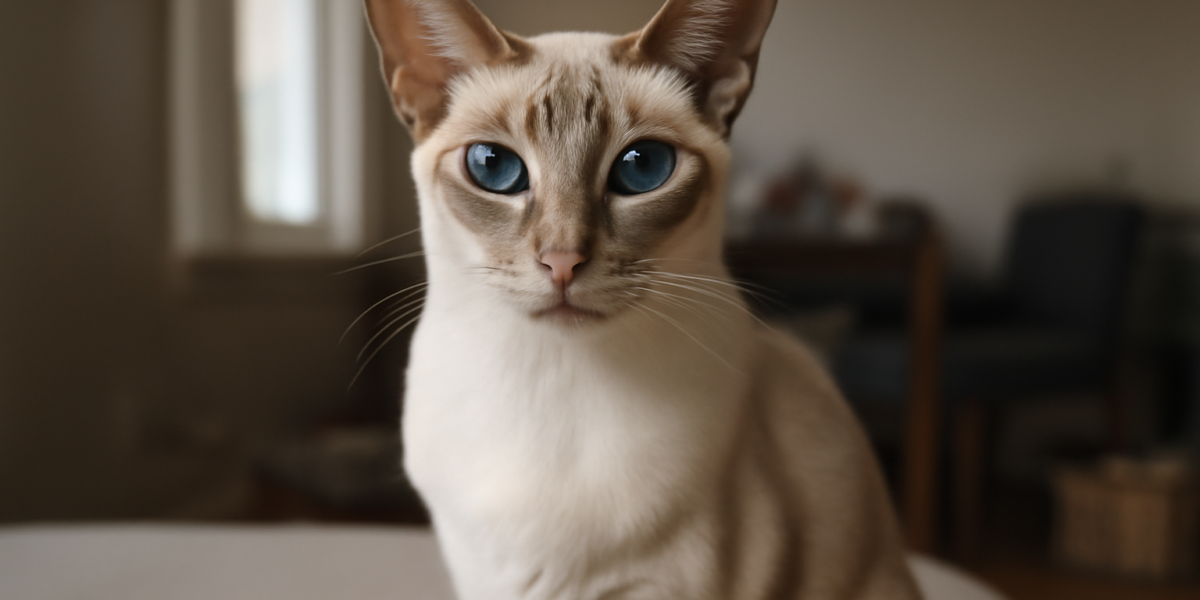
The head is a long, tapering wedge with a flat skull, straight profile, and large, pointed ears that continue the lines of the wedge. The eyes are medium-sized, almond-shaped, and always a vivid, deep blue. The expression is alert, intelligent, and sometimes described as having an exotic intensity.
What sets the Colorpoint Shorthair apart from the Siamese is the expanded color palette. While the Siamese is recognized in only four traditional point colors, the Colorpoint Shorthair comes in 16 or more point colors, including:
- Solid points: Red, cream
- Lynx (tabby) points: Seal lynx, blue lynx, chocolate lynx, lilac lynx, red lynx, cream lynx
- Tortie points: Seal-tortie, blue-cream, chocolate-tortie, lilac-cream
- Tortie lynx points: Combinations of tabby striping with tortoiseshell colors
The coat is short, fine-textured, and lies close to the body with a glossy sheen. Like all pointed cats, Colorpoints are born nearly white and develop their color gradually as they mature. Full color development may take up to two years, and cats tend to darken further with age.
Exercise and Activity Needs
Colorpoint Shorthairs are high-energy cats that need significant daily exercise and stimulation. Their athletic build is designed for action, and they are agile, fast, and endlessly enthusiastic about play.
Plan for at least two to three interactive play sessions each day, totaling 30 to 45 minutes of active engagement. Wand toys, laser pointers, feather teasers, and small balls that allow for chasing and pouncing are all excellent choices. Many Colorpoints are natural fetch players and will keep bringing toys back until you tire out before they do.
Vertical space is essential. Tall cat trees with multiple levels, wall-mounted climbing shelves, and high perching spots satisfy the Colorpoint’s need to climb and observe. They are acrobatic cats who enjoy showing off their jumping skills and will use every inch of vertical territory you provide.
Mental stimulation is equally critical. Puzzle feeders, treat-dispensing toys, and clicker training sessions engage their sharp minds and prevent the boredom that leads to destructive behavior. Colorpoints are smart enough to get into trouble when understimulated, so enrichment should be a daily priority. Rotating toys and activities keeps things fresh and interesting.
Grooming and Care
The Colorpoint Shorthair’s fine, close-lying coat is one of the easiest to maintain in the cat world. Weekly brushing with a soft bristle brush or grooming mitt removes loose hair and keeps the coat sleek. These cats shed minimally, and their short fur rarely mats or tangles.
Baths are almost never needed. The Colorpoint’s coat stays naturally clean, and their diligent self-grooming habits take care of the rest. If a bath is ever necessary, use a gentle cat shampoo and dry your cat thoroughly afterward.
Dental care is particularly important for this breed, as Siamese-type cats can be prone to dental issues including gum disease and tooth resorption. Brush your Colorpoint’s teeth several times per week with cat-safe toothpaste, and schedule professional dental cleanings as recommended by your veterinarian.
Keep nails trimmed every two to three weeks and check ears weekly for wax buildup. Feed a high-quality cat food formulated for your cat’s life stage and activity level. Colorpoints tend to be lean cats, but monitor weight to ensure they stay in a healthy range. Fresh water should always be available.
Health and Lifespan
Colorpoint Shorthairs share the same health profile as the Siamese, with a typical lifespan of 12 to 16 years. Many individuals live well beyond 16 with attentive care, and the breed is generally considered healthy and hardy.
Health conditions to be aware of include hypertrophic cardiomyopathy, amyloidosis (which can affect the liver), progressive retinal atrophy, and asthma. Siamese-type cats also seem to have a higher incidence of certain cancers, particularly intestinal lymphoma, though this remains a relatively uncommon occurrence.
Dental health issues are among the most common problems in Colorpoints. Regular dental care from an early age significantly reduces the risk of periodontal disease and tooth loss. Your veterinarian can recommend a dental care routine appropriate for your cat.
Like the Siamese, Colorpoints can be sensitive to anesthesia. Always inform your veterinarian about your cat’s breed before any procedure requiring sedation or general anesthesia. Responsible breeders screen for known genetic conditions and can provide health clearances for their breeding cats. Regular veterinary checkups, at least annually, are essential for monitoring your Colorpoint’s health.
Is the Colorpoint Shorthair Right for You?
The Colorpoint Shorthair is ideal for owners who want an intensely interactive, vocal, and affectionate companion and are ready for the commitment that entails. If you love the Siamese personality but want a wider range of color options, the Colorpoint is your perfect match.
This breed is not for everyone. Their constant vocalization can be overwhelming for owners who prefer a quiet home. Their need for attention and interaction means they are poorly suited to households where they will be alone for long stretches. If you work long hours, seriously consider getting two cats — Colorpoints do wonderfully in pairs and will keep each other entertained and comforted.
Families with children, active singles, and retirees who spend significant time at home are all good matches for the Colorpoint. They generally get along well with other cats and cat-friendly dogs, making them a good addition to multi-pet homes with proper introductions.
If you are comparing pointed breeds, also explore the Thai cat (Traditional Siamese), which offers a similar personality in a more moderate body type. Our cat adoption hub is another great place to start your search for a feline companion, and our cat care blog has additional breed profiles and comparison guides to help you decide.
Frequently Asked Questions
Is a Colorpoint Shorthair the same as a Siamese?
It depends on the registry. CFA considers Colorpoint Shorthairs a separate breed from the Siamese, recognizing only the four traditional point colors (seal, blue, chocolate, lilac) as Siamese. TICA and most other international registries consider all point colors to be Siamese and do not recognize the Colorpoint Shorthair as a separate breed. Genetically and temperamentally, they are essentially the same cat.
Are Colorpoint Shorthairs good for first-time cat owners?
Colorpoints can be wonderful first cats for the right person, but they are more demanding than many breeds. Their need for attention, exercise, and interaction is significant. If you are a first-time owner who is home frequently and ready for an engaged, vocal companion, a Colorpoint can be an incredibly rewarding choice. If you prefer a more independent, low-key cat for your first experience, consider a less demanding breed.
Do Colorpoint Shorthairs get along with other cats?
Yes, Colorpoints generally do well with other cats, especially if properly introduced. They are social animals that benefit from feline companionship, particularly if their owners are away during the day. They tend to do best with other social, active breeds rather than very shy or territorial cats. A second cat can actually reduce behavioral issues in a Colorpoint by providing the companionship and stimulation they crave.
Why do Colorpoint Shorthairs darken with age?
The pointed coat pattern is temperature-sensitive, controlled by a form of the tyrosinase enzyme that is only active in cooler areas of the body. As cats age, their overall circulation can slow and body temperature may decrease slightly, causing the coat to produce more pigment across a broader area. This is why older pointed cats often appear darker than they did as youngsters. It is a normal, gradual process.
Looking to adopt a Colorpoint Shorthair Cat Breed Profile?
Browse Colorpoint Shorthair Cat Breed Profile cats and mixes available for adoption from shelters and rescues near you.
Find Colorpoint Shorthair Cat Breed Profile Cats for Adoption