Last updated: May 6, 2026
In this article
Cymric Cat Breed Profile: The Long-Haired Manx With Endless Charm
If you have ever fallen in love with the round, tailless charm of a Manx cat and thought, “I wish there was a fluffy version,” then the Cymric is the cat of your dreams. Pronounced “KIM-rick,” this breed is essentially the long-haired variety of the Manx, sharing all of its beloved cousin’s personality traits, distinctive body shape, and famous taillessness, but wrapped in a gorgeous, flowing coat that adds an extra layer of beauty and softness.
The Cymric remains one of the lesser-known cat breeds, often overshadowed by its more famous short-haired relative. But those who discover this breed quickly become devoted fans, captivated by its gentle temperament, playful nature, and unmistakable appearance. Whether you are already a Manx enthusiast or are encountering this breed for the first time, this comprehensive profile will give you everything you need to know about life with a Cymric.
History and Origins
The Cymric’s story is inseparable from that of the Manx, as both breeds share the same genetic heritage and geographic origins. The tailless cats of the Isle of Man, a small island in the Irish Sea between Great Britain and Ireland, have been documented for centuries. The isolation of the island allowed the tailless mutation to become prevalent in the local cat population, and over time, these distinctive cats became a beloved symbol of the island.
Long-haired kittens have always appeared occasionally in Manx litters, a natural result of the recessive long-hair gene carried by some Manx cats. For many years, these long-haired kittens were considered anomalies and were either given away as pets or excluded from breeding programs. It was not until the 1960s and 1970s that breeders in Canada and the United States began to recognize the beauty and value of these long-haired Manx cats and started deliberately breeding them.
The name “Cymric” was chosen as a nod to Wales, a Celtic nation like the Isle of Man. The word comes from “Cymru,” the Welsh name for Wales, and was selected to honor the Celtic connection shared by the breed’s ancestral homeland. Some cat registries consider the Cymric a separate breed, while others classify it as a long-haired variety of the Manx. The Cat Fanciers’ Association, for example, considers the Cymric to be the long-haired division of the Manx breed rather than a distinct breed.
Regardless of classification, the Cymric has developed a small but passionate following of breeders and owners who appreciate its unique combination of traits. The breed’s relative rarity means that finding a Cymric kitten may require patience and research, but those who persevere are rewarded with one of the most charming and distinctive cats in the feline world.
Appearance and Physical Characteristics
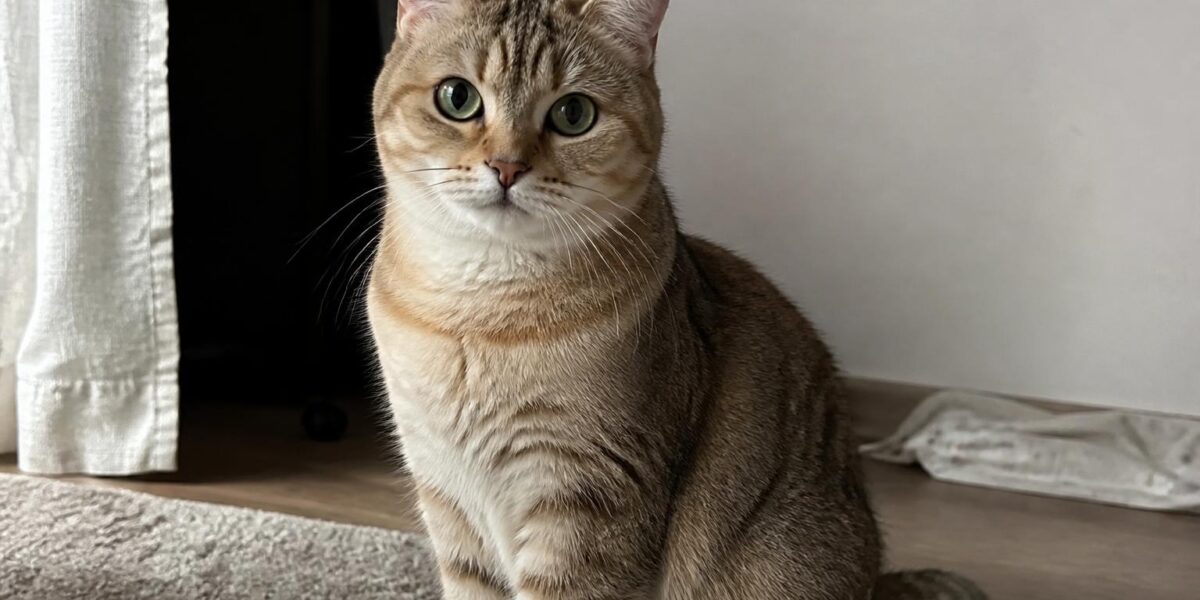
The Cymric is a medium-sized, solidly built cat that embodies the word “round.” Everything about this breed’s physical appearance is curved and circular, from its round head and cheeks to its round rump and broadly set body. Males typically weigh 9 to 13 pounds, while females range from 7 to 11 pounds.
The breed’s most famous feature is, of course, its tail, or more accurately, its lack of one. Cymrics come in several tail varieties. A “rumpy” has no tail at all, with a smooth, rounded rump where the tail would normally begin. A “rumpy riser” has a small knob of cartilage or a few fused vertebrae at the base of the spine that can be felt but not seen. A “stumpy” has a short stub of a tail, typically one to three vertebrae in length. A “longy” has a tail that is longer than a stub but shorter than a full-length tail. For show purposes, most registries prefer rumpies and rumpy risers, but all tail types make equally wonderful pets.
The Cymric’s coat is its distinguishing feature from the Manx. The hair is semi-long to long, silky in texture, and consists of a dense, soft undercoat topped by a longer, glossy outer coat. The coat tends to be particularly thick around the neck, forming a noticeable ruff, and on the britches (the back of the hind legs). The belly hair is also longer and fuller than on the rest of the body. Coat colors and patterns span the full range of feline possibilities, including solid colors, tabbies, calicos, tortoiseshells, and bicolors.
The Cymric’s body is compact and powerful, with broad hips, a deep chest, and muscular hindquarters that are notably higher than the front end. This rear-heavy build gives the breed a distinctive rabbit-like hopping gait that is endearing to watch. The front legs are short and set well apart, while the hind legs are longer and more muscular. This unique body structure makes the Cymric an surprisingly powerful jumper despite its compact size.
Temperament and Personality
The Cymric inherits the Manx’s famously gentle, sweet-natured temperament, creating a cat that is as delightful in personality as it is in appearance. These cats are known for their dog-like loyalty, their playful spirit, and their adaptability to various household situations.
Cymrics are affectionate cats that form deep bonds with their families. They are not typically one-person cats, instead spreading their affection fairly evenly among household members, though they may have a slight preference for one individual. They enjoy being near their people and will often follow family members from room to room, supervising activities and offering companionship. Unlike some affectionate breeds that demand constant attention, the Cymric is usually content to simply be in the same room as its people, watching quietly from a nearby perch or resting beside them on the couch.
Playfulness is another hallmark of the breed. Cymrics remain kitten-like in their play behavior well into adulthood, enjoying interactive toys, chase games, and puzzle feeders. They are moderately active cats that appreciate play sessions but are not hyperactive or demanding in the way that some more energetic breeds can be. Many Cymrics enjoy fetching small toys, and some can be taught simple tricks like sitting, shaking paws, and coming when called.
The breed is generally good with children, other cats, and cat-friendly dogs, making it an excellent choice for families. Cymrics are patient and tolerant, handling the attention of young children with grace as long as interactions are supervised to prevent rough handling. Their sociable nature also means they typically adjust well to multi-pet households.
One notable aspect of the Cymric’s personality is its fascination with water. Many Cymrics enjoy playing with dripping faucets, batting at water in their bowl, and even dipping their paws into shallow water. This quirky trait adds to the breed’s entertaining personality and provides opportunities for fun enrichment activities.
For more gentle, family-friendly cat breeds, explore our guide to the best cats for families.
Exercise, Training, and Enrichment
The Cymric is a moderately active breed that needs regular exercise and mental stimulation but does not demand the intense engagement that breeds like Bengals or Abyssinians require. This balanced energy level makes the Cymric well-suited to a wide range of households.
Daily play sessions of 20 to 30 minutes are generally sufficient to keep a Cymric physically fit and mentally engaged. Interactive toys such as feather wands, laser pointers, and ball toys are excellent choices, as the breed’s playful nature ensures enthusiastic participation. Puzzle feeders and treat-dispensing toys tap into the Cymric’s intelligence and provide mental stimulation that can help prevent boredom.
The Cymric’s powerful hindquarters make it an excellent jumper, so providing vertical enrichment in the form of cat trees, wall-mounted shelves, and window perches is important. These cats enjoy surveying their territory from high vantage points and will make good use of any climbing opportunities you provide. A cat tree with multiple levels and a sturdy base is a worthwhile investment for any Cymric household.
Training a Cymric is generally a pleasant experience, as these cats are intelligent and responsive to positive reinforcement. They can learn tricks, respond to their names, and even master basic commands like “sit” and “come.” Clicker training works particularly well with this breed. The Cymric’s food motivation makes treats an effective training reward, though care should be taken not to overindulge, as the breed can be prone to weight gain.
The breed’s sociable nature means it does not handle extended periods of solitude well. If you work long hours, consider providing a feline companion to keep your Cymric company. Two Cymrics can keep each other entertained and provide the social interaction that this breed craves. Alternatively, a cat sitter or regular midday visits can help break up long periods alone.
Health, Lifespan, and Breed-Specific Concerns
The Cymric has an average lifespan of 8 to 14 years, and the breed does have some significant health considerations related to the gene responsible for its taillessness.
The Manx gene that causes taillessness is a dominant mutation that affects spinal development. Unfortunately, this gene can also cause a condition known as Manx syndrome, which encompasses a range of spinal defects including spina bifida, fused vertebrae, and bowel or bladder dysfunction. Manx syndrome can range from mild (no symptoms or minor issues) to severe (significant disability or life-threatening complications). Kittens severely affected by Manx syndrome typically show symptoms within the first four to six months of life.
Because Manx syndrome is linked to the tailless gene, breeding two completely tailless (rumpy) cats together increases the risk of producing kittens with severe spinal defects. Responsible breeders manage this risk by carefully selecting breeding pairs, often crossing rumpies with stumpies or longies to reduce the likelihood of severe defects. Reputable breeders also hold kittens until at least 16 weeks of age to ensure they are developing normally before placing them in homes.
Beyond Manx syndrome, the Cymric can be prone to arthritis, particularly in the coccygeal (tail) area, due to the abnormal vertebral development associated with the tailless gene. Regular veterinary monitoring and appropriate pain management can help affected cats maintain a good quality of life. The breed can also be susceptible to corneal dystrophy, a condition in which cloudy deposits form on the cornea, and interstitial cystitis, an inflammatory bladder condition.
Weight management is important for the Cymric, as the breed’s stocky build and love of food can predispose it to obesity. Feed a measured, high-quality diet appropriate for the cat’s age and activity level, and resist the urge to overfeed despite those persuasive round eyes. Obesity increases the risk of diabetes, joint problems, and other health issues.
Grooming the Cymric
The Cymric’s semi-long coat requires regular grooming to stay healthy, tangle-free, and beautiful. While not as demanding as the coat of a Persian or Himalayan, the Cymric’s dense undercoat and longer outer coat do need consistent attention.
Brushing two to three times per week is recommended to prevent mats and remove loose hair. A combination of a wide-toothed comb for working through the undercoat and a slicker brush for the outer coat works well. Pay particular attention to areas where matting is most likely to occur: behind the ears, under the arms, on the belly, and in the britches. During seasonal shedding periods, typically in spring and fall, daily brushing may be necessary to manage the increased volume of loose hair.
Bathing is generally needed only occasionally, every four to eight weeks or as needed. The Cymric’s coat can become greasy if not bathed regularly enough, particularly around the base of the spine where the tail would normally be. Use a gentle, cat-specific shampoo and rinse thoroughly to prevent residue buildup. Ensure the cat is completely dried after bathing, as the dense undercoat can retain moisture and lead to skin issues if left damp.
Standard grooming practices also apply. Trim nails every two to three weeks, clean ears as needed, and maintain dental health through regular tooth brushing. For comprehensive grooming tips, our cat grooming guide covers techniques that apply to long-haired breeds like the Cymric.
Is the Cymric Right for You?
The Cymric is a wonderful breed for a wide range of households, but understanding its unique needs and characteristics will help you determine if it is the right fit for your situation.
This breed is ideal for families looking for a gentle, playful, and loyal companion that gets along well with children and other pets. The Cymric’s moderate energy level means it is active enough to be entertaining and engaging without being overwhelming or demanding. Singles, couples, and seniors who want a devoted companion that will be a constant, comforting presence in their home will also find the Cymric an excellent choice.
The breed’s grooming requirements, while not extreme, do require a consistent commitment. If you are unwilling to brush your cat regularly, the Cymric’s coat will become matted and uncomfortable. The health concerns associated with the Manx gene also require careful consideration and a commitment to working with a reputable breeder who takes these issues seriously.
The Cymric can adapt to apartment living as long as it has adequate enrichment and companionship. Its moderate voice and gentle nature make it a considerate neighbor. However, its social needs mean it is not the best choice for owners who are away from home for extended periods unless a feline companion is provided.
If you are looking for a unique, charming cat with a storied heritage and a personality that combines the best qualities of the feline world, the Cymric deserves your consideration. This breed may be rare, but its devoted following is proof that those who discover it never look back.
Frequently Asked Questions
Is the Cymric the same as a long-haired Manx?
Yes and no. Genetically, the Cymric is a Manx cat that expresses the recessive long-hair gene. Some cat registries, including the Cat Fanciers’ Association, consider the Cymric to be the long-haired division of the Manx breed rather than a separate breed. Other registries, such as The International Cat Association, recognize the Cymric as a distinct breed. Regardless of classification, the Cymric shares the Manx’s body type, temperament, taillessness, and genetic heritage. The only significant difference is the coat length. For practical purposes, if you love the Manx but prefer long hair, the Cymric is the breed for you.
Do all Cymrics have no tail?
No, Cymrics come in several tail varieties. Rumpies have no tail at all, rumpy risers have a small nub of cartilage, stumpies have a short stub of a tail, and longies have a longer but still abbreviated tail. For show purposes, rumpies and rumpy risers are preferred, but all tail types make equally wonderful pets. The tail variety has no bearing on the cat’s personality or health (though breeding considerations related to the Manx gene apply regardless of tail length). When choosing a Cymric kitten, focus on health and temperament rather than tail type.
Are Cymric cats prone to health problems?
The Cymric does have breed-specific health concerns, most notably Manx syndrome, which is a group of spinal defects related to the gene that causes taillessness. Manx syndrome can range from mild to severe and typically manifests within the first four to six months of life. Responsible breeders minimize this risk through careful breeding practices and by holding kittens until at least 16 weeks to ensure healthy development before placement. Not all Cymrics develop Manx syndrome, and many live long, healthy lives. Other health concerns include arthritis in the coccygeal area, corneal dystrophy, and a tendency toward obesity. Regular veterinary checkups and working with a reputable breeder are the best ways to ensure a healthy Cymric.
How much grooming does a Cymric need?
The Cymric needs brushing two to three times per week to prevent mats and manage shedding, with more frequent brushing during seasonal shedding periods. The coat is semi-long with a dense undercoat that can tangle if neglected. Regular grooming sessions of 10 to 15 minutes are usually sufficient to keep the coat in good condition. In addition to brushing, the Cymric needs regular nail trimming, ear cleaning, and dental care. While the grooming commitment is more than a short-haired cat requires, it is significantly less than what breeds with extremely long or dense coats demand. Most owners find the grooming routine manageable and even enjoyable, as many Cymrics relax and purr during brushing sessions.
Looking to adopt a Cymric Cat Breed Profile?
Browse Cymric Cat Breed Profile cats and mixes available for adoption from shelters and rescues near you.
Find Cymric Cat Breed Profile Cats for Adoption