Last updated: May 6, 2026
In this article
Dogue de Bordeaux Breed Profile: The Complete Guide to the French Mastiff
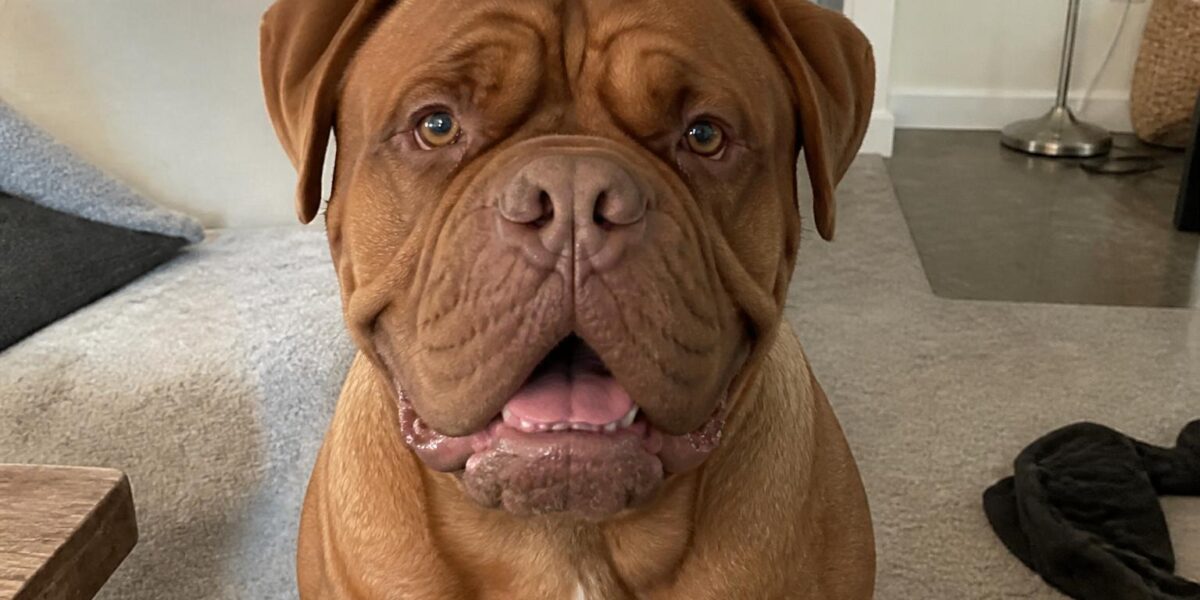
The Dogue de Bordeaux, affectionately known as the French Mastiff or the DDB, is one of the most ancient French dog breeds and one of the most powerful dogs you will ever encounter. With a massive head, muscular frame, and a face full of expressive wrinkles, this breed commands attention wherever it goes. But behind that imposing exterior is a gentle, deeply loyal companion that forms unbreakable bonds with its family.
Whether you first fell in love with the breed after watching Turner and Hooch or discovered it through your interest in mastiff-type dogs, this Dogue de Bordeaux breed profile will give you a thorough understanding of what it takes to own and care for one of these magnificent dogs.
History and Origins
The Dogue de Bordeaux has roots that stretch back at least 600 years in the Bordeaux region of France, though some breed historians believe its ancestors existed even earlier. These powerful dogs were used for a variety of demanding tasks throughout their history, including guarding estates, pulling carts, herding cattle, and unfortunately, participating in blood sports such as bull-baiting and dog fighting before such practices were outlawed.
The breed’s history is intertwined with the turbulent history of France itself. During the French Revolution, many Dogues de Bordeaux were killed alongside their aristocratic owners. The breed survived in rural areas where it continued to serve as a working farm dog, guarding property and livestock from thieves and predators.
The modern breed standard was established in the late 19th century, and French breeders worked to refine the Dogue de Bordeaux into the consistent, recognizable breed we know today. The breed gained international attention in 1989 when a Dogue de Bordeaux named Beasley starred alongside Tom Hanks in the film Turner and Hooch, sparking widespread interest in the breed across North America.
The American Kennel Club recognized the Dogue de Bordeaux in 2008, making it one of the more recent additions to the AKC registry. Today, the breed enjoys a dedicated following worldwide, though it remains less common than some other mastiff breeds. For comparisons with related breeds, see our Mastiff breed profile and Cane Corso breed profile.
Appearance and Physical Characteristics
The Dogue de Bordeaux is a brachycephalic breed with one of the largest heads in the canine world relative to body size. The massive, broad skull features deep wrinkles, a short muzzle with a pronounced underbite, pendulous lips, and an expressive face that seems to convey a full range of emotions. The jaw is incredibly powerful, and the breed’s bite strength is among the highest of any domestic dog.
Males typically stand 23.5 to 27 inches at the shoulder and weigh at least 110 pounds, with many exceeding 130 pounds or more. Females are slightly smaller, standing 23 to 26 inches and weighing at least 99 pounds. The body is stocky, muscular, and low to the ground, giving the dog a powerful, grounded appearance.
The coat is short, fine, and soft to the touch. The breed standard allows for various shades of fawn, from light golden to dark red, and dogs may have a black or brown mask on the face. Small white patches on the chest and toes are acceptable but not preferred. The skin is thick and loose, particularly around the face and neck, adding to the breed’s distinctive wrinkled appearance.
The Dogue de Bordeaux moves with a surprising amount of grace for such a heavy breed, carrying itself with a rolling, ground-covering gait that reflects its working heritage. Despite its bulk, a well-conditioned DDB is an athletic dog capable of bursts of speed and surprising agility.
Temperament and Personality
If the Dogue de Bordeaux’s physical appearance suggests a fierce, intimidating guard dog, its temperament tells a very different story. While these dogs are certainly protective and will defend their families if threatened, their default disposition is calm, patient, and remarkably gentle. Many DDB owners describe their dogs as “gentle giants” who are happiest when draped across their owner’s lap or lying at their feet.
Dogues de Bordeaux are intensely loyal and form deep, lasting bonds with their families. They are affectionate with all family members but often choose one person as their primary companion, following that person from room to room and displaying a level of devotion that borders on shadow-like. They are generally patient and tolerant with children, though their massive size means interactions with small children should always be supervised.
With strangers, the DDB is typically reserved but not aggressive. They are naturally watchful and will alert their owners to unusual activity, but well-socialized Dogues de Bordeaux are polite and accepting of guests once they have been properly introduced. The breed can be territorial, and early socialization is important to ensure that protective instincts remain balanced and appropriate.
The Dogue de Bordeaux can be stubborn and strong-willed, traits common among mastiff breeds. They are intelligent dogs that understand commands quickly but may choose not to comply if they do not see the point. This is not a breed for owners who expect immediate, enthusiastic obedience; rather, the DDB responds best to patient, consistent leadership that respects its dignity. For more protective breeds, explore our list of best guard dogs.
Exercise and Training
The Dogue de Bordeaux has moderate exercise needs that are easily met with daily walks and supervised playtime. This is not a breed that requires hours of vigorous exercise; in fact, overexertion should be avoided, particularly in hot weather, due to the breed’s brachycephalic structure and heavy build. Heat sensitivity is a real concern, and owners should limit outdoor activity during warm months and always provide access to shade and fresh water.
Short to moderate walks, gentle play sessions, and mental stimulation through puzzle toys and training exercises are ideal for keeping a DDB healthy and content. Swimming can be a good exercise option for Dogues de Bordeaux, as it provides a full-body workout without the impact stress of running, though not all individuals take to water naturally, and they should always be supervised around pools and bodies of water.
Training should begin early and remain consistent throughout the dog’s life. Puppy socialization classes are highly recommended, as they expose the young DDB to new people, dogs, and environments during the critical developmental period. Basic obedience training is essential for a dog of this size and strength; an untrained adult Dogue de Bordeaux can be physically difficult to manage on a leash.
Positive reinforcement methods work best with this breed. Harsh corrections or confrontational training approaches will typically cause a DDB to shut down or become defensive, neither of which is productive. Short, engaging training sessions with high-value rewards will produce the best results. Many Dogues de Bordeaux enjoy and excel in activities like carting, nose work, and therapy dog work, all of which provide mental stimulation and a sense of purpose.
Health and Lifespan
This is perhaps the most important section of this profile, because the Dogue de Bordeaux has one of the shortest lifespans of any dog breed. The average lifespan is approximately 5 to 8 years, though some individuals do live longer with excellent care. This short lifespan is the breed’s most significant drawback and should be carefully considered by anyone thinking about adding a DDB to their family.
The breed is prone to several serious health conditions. Dilated cardiomyopathy and other heart conditions are among the leading causes of death in the breed. Responsible breeders screen their dogs with echocardiograms and other cardiac evaluations, but heart disease remains a significant concern even in well-bred dogs.
Cancer is another leading cause of death in Dogues de Bordeaux. Lymphoma, mast cell tumors, and other forms of cancer occur at higher rates in this breed than in many others. Regular veterinary checkups and prompt attention to any unusual lumps, bumps, or changes in behavior are essential for early detection.
Other health concerns include hip and elbow dysplasia, bloat or gastric dilatation-volvulus, breathing difficulties related to the brachycephalic structure, skin fold infections in the facial wrinkles, and ectropion or entropion affecting the eyelids. Orthopedic issues are common in large, heavy breeds, and maintaining a healthy weight is one of the most important things owners can do to reduce joint stress.
Working with a reputable breeder who performs comprehensive health testing is critical for anyone purchasing a Dogue de Bordeaux puppy. While no amount of testing can guarantee a long life, starting with healthy genetics gives your dog the best possible foundation.
Grooming Needs
The Dogue de Bordeaux’s short coat is relatively low-maintenance compared to many breeds. Weekly brushing with a rubber curry brush or grooming mitt removes loose hair, distributes skin oils, and keeps the coat looking healthy. The breed does shed, particularly during seasonal changes, so more frequent brushing may be needed during spring and fall.
Facial wrinkle care is one of the most important aspects of DDB grooming. The deep folds around the face trap moisture, debris, and bacteria, which can lead to skin infections if not cleaned regularly. Owners should wipe the wrinkles daily with a soft cloth or pet-safe wipe and ensure the folds are thoroughly dried to prevent bacterial and yeast growth.
The Dogue de Bordeaux is known for being a messy breed. These dogs drool prolifically, especially after eating, drinking, or exerting themselves. Keeping towels handy for wiping the mouth and chin is a daily reality for DDB owners. The breed’s loose lips also mean that water bowls and surrounding areas tend to get soaked during drinking. If neatness is a priority, the Dogue de Bordeaux may test your tolerance.
Regular ear cleaning, nail trimming, and dental care round out the grooming routine. The breed’s pendant ears can trap moisture and develop infections, so weekly checks and cleaning are recommended. Dental hygiene is important for all breeds but especially for brachycephalic dogs that may have crowded teeth.
Who Is the Dogue de Bordeaux Best For?
The Dogue de Bordeaux is best suited to experienced dog owners who understand the unique challenges and rewards of living with a giant brachycephalic breed. Ideal owners are prepared for the breed’s short lifespan, willing to invest in comprehensive veterinary care, and committed to providing consistent training and socialization throughout the dog’s life.
This breed thrives in homes where someone is present for most of the day, as Dogues de Bordeaux do not do well with prolonged isolation. They are happiest when they can be near their people, whether that means lounging in the living room, accompanying the family on outings, or simply lying by your feet while you work.
The DDB can adapt to various living situations, including apartments, provided it receives adequate exercise and mental stimulation. However, a home with a securely fenced yard is ideal. The breed is not suited to outdoor living, as it is sensitive to extreme temperatures and craves human companionship.
Families considering a Dogue de Bordeaux should be comfortable with drool, snoring, and the emotional weight of loving a breed with a shorter-than-average lifespan. For those who can embrace these realities, the DDB offers a depth of loyalty, affection, and companionship that few other breeds can match.
Frequently Asked Questions About the Dogue de Bordeaux
Why do Dogues de Bordeaux have such short lifespans?
The Dogue de Bordeaux’s short lifespan of approximately 5 to 8 years is attributed to a combination of factors, including susceptibility to heart disease, cancer, and the general health challenges associated with giant brachycephalic breeds. The breed’s relatively small gene pool also contributes to the prevalence of certain hereditary conditions. Responsible breeding practices, comprehensive health testing, and excellent veterinary care can help maximize an individual dog’s lifespan, but prospective owners should be prepared for the reality of this breed’s shorter life expectancy.
Are Dogues de Bordeaux good with children?
Dogues de Bordeaux are generally patient, gentle, and affectionate with children, especially those they have been raised alongside. Their calm temperament and protective instincts make them naturally inclined to watch over younger family members. However, their enormous size and strength mean that interactions with small children should always be supervised to prevent accidental knockdowns or injuries. Teaching children how to interact respectfully with dogs is equally important.
How much drool should I expect from a Dogue de Bordeaux?
Expect a significant amount of drool. The Dogue de Bordeaux is one of the heaviest drooling breeds, and the drool increases noticeably after eating, drinking, exercising, or when the dog is excited or warm. Most DDB owners keep towels or drool rags strategically placed around the house and learn to wipe the dog’s face regularly. If drool is a deal-breaker for you, this breed may not be the best fit, as it is an inherent part of the DDB experience.
Can a Dogue de Bordeaux live in an apartment?
A Dogue de Bordeaux can live in an apartment provided the owner is committed to meeting the dog’s exercise and mental stimulation needs through daily walks and activities. The breed is relatively calm indoors and does not require a large amount of space to be comfortable. However, the DDB’s size, drool, and need for close human companionship should be considered when evaluating apartment living. Access to a nearby park or green space for daily exercise is important.
Looking to adopt a Dogue de Bordeaux Breed Profile?
Browse Dogue de Bordeaux Breed Profile dogs and mixes available for adoption from shelters and rescues near you.
Find Dogue de Bordeaux Breed Profile Dogs for Adoption