Last updated: May 4, 2026
In this article
Few breeds manage to combine the rugged heritage of a working Arctic dog with the warm, easygoing temperament of a devoted family companion quite as naturally as the Finnish Lapphund. Developed over centuries in the far north of Finland by the Sami people, this medium-sized spitz-type dog spent its formative history herding reindeer across snow-covered tundra — a job that required intelligence, agility, and a calm, submissive approach to the animals in its care. Today, the Finnish Lapphund carries all of that heritage forward in a dog that is gentle, sociable, and genuinely pleasant to live with. It is one of the most popular breeds in Finland for good reason, and while it remains relatively rare outside Scandinavia, those who discover the Finnish Lapphund rarely look back. This profile covers everything you need to know about this remarkable breed — from its breathtaking double coat and adaptable temperament to its exercise needs, health considerations, and the history that shaped it into the dog it is today.
| Origin | Finland (Lapland region) |
|---|---|
| Size | Medium |
| Weight | 33–53 lbs |
| Height | 17–21 inches at the shoulder |
| Lifespan | 12–15 years |
| Coat | Thick double coat; variety of colors including black, brown, sable, and cream |
| Temperament | Friendly, calm, eager to please, sociable, alert |
| Good With | Families, children, other pets, first-time owners with commitment to grooming and exercise |
Personality & Temperament
The Finnish Lapphund is widely regarded as one of the friendliest and most good-natured of all the Nordic spitz breeds, and spending any time with one makes it immediately clear why. This is a dog that is fundamentally calm, approachable, and eager to please — qualities that are not accidental but the direct product of centuries of work alongside the Sami people of northern Finland. Reindeer herding demanded a dog that would not startle the herd, would work closely with humans without becoming overbearing, and would remain steady in challenging conditions. The Finnish Lapphund answered that call completely, and those same traits define the breed’s personality in domestic life today.
Socially, the Finnish Lapphund is an open and affectionate dog. It bonds deeply with its family, enjoys being included in daily life, and is genuinely happy in the company of people. It is not a dog that does well with long periods of isolation or neglect. There is a softness to this breed’s personality that makes it responsive to gentle handling and sensitive to the moods of those around it — a quality that makes it particularly well-suited to households with children or other animals.
One trait worth knowing from the start is the Finnish Lapphund’s startle reflex. Because herding reindeer required the dog to react quickly to sudden movements, the breed has a heightened sensitivity to unexpected stimuli. This is not aggression — it is an instinctive flinch that surprises many first-time owners. It passes quickly and is easily managed with patient, consistent socialization.
Appearance
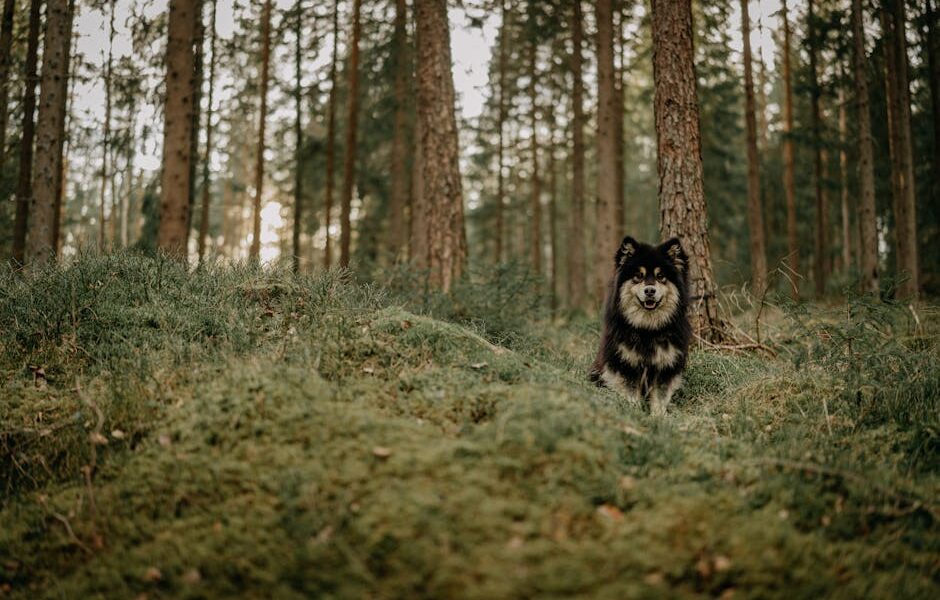
The Finnish Lapphund is a medium-sized spitz-type dog with a look that immediately suggests both beauty and practicality. Standing 17 to 21 inches at the shoulder and weighing between 33 and 53 pounds, it has the classic Arctic working dog build: a strong, compact body, a broad head with a moderate muzzle, and a tail that curls up and over the back in a characteristic spitz arc. The expression is attentive and warm, with dark, oval eyes that project intelligence and good nature. Ears are medium-sized, mobile, and carried erect or semi-erect, always alert to what is happening in the environment.
The coat is one of the most striking features of the Finnish Lapphund, and it is impossible to overlook. A profuse, stand-off outer coat covers a dense, soft undercoat designed to insulate against the brutal cold of northern Finland. The coat is longer around the neck and chest, forming a pronounced mane, and shorter on the face and front of the legs. Color variety in the Finnish Lapphund is exceptional — the breed is accepted in a wide range of colors including black, brown, sable, wolf-sable, cream, and white, often with tan or cream markings. No two Finnish Lapphunds look exactly alike, and that variety is part of what makes the breed so visually captivating.
Exercise Needs
The Finnish Lapphund was bred to work long hours across open Arctic terrain, and while it adapts well to domestic life, it does carry a genuine need for regular, meaningful exercise. This is not a high-drive working dog in the manner of a Border Collie or a Belgian Malinois — the Finnish Lapphund’s pace is more moderate, and it is content with less intense activity — but it still needs consistent daily exercise to stay physically healthy and mentally balanced.
A minimum of 60 minutes of exercise per day is a reasonable baseline for most adult Finnish Lapphunds, split across two or more outings. Long walks, hikes through varied terrain, off-leash runs in a securely fenced area, and play sessions in the yard all suit this breed well. The Finnish Lapphund also takes naturally to dog sports such as agility, obedience trials, and rally, which provide the kind of combined physical and mental challenge that working dogs particularly enjoy.
Because of its herding background, the Finnish Lapphund is happiest when it is doing something purposeful alongside its people. Exercise that involves interaction — a game of fetch, a training session, a trail run with you — will satisfy this breed far more than simply being turned loose in a yard alone. Puppies and senior dogs should have their exercise adjusted accordingly to protect developing or aging joints. For more guidance on keeping active dogs healthy, visit our dog care blog.
Grooming Needs
The Finnish Lapphund’s magnificent coat is one of its most celebrated features — and also one of its most demanding. This is a heavy shedder, full stop. The dense double coat sheds year-round, with two major seasonal blowouts in spring and autumn when the undercoat releases in large volumes. If you are not prepared to manage significant amounts of dog hair in your home and on your clothing, this may not be the breed for you. If you are, the grooming routine is straightforward and the reward — a dog with a truly beautiful, full, healthy coat — is entirely worth the effort.
Brushing two to three times per week during normal periods is sufficient to remove loose hair and prevent the undercoat from matting or clumping. During the heavy shedding seasons, daily brushing with an undercoat rake or slicker brush is strongly recommended. A de-shedding tool used during blowouts can dramatically reduce the volume of hair migrating throughout your home.
Bathing should be done every six to eight weeks, or when the dog is genuinely dirty. The Finnish Lapphund’s coat is naturally somewhat self-cleaning and dirt-resistant, which helps between baths. Ears should be checked and cleaned weekly, nails trimmed every three to four weeks, and teeth brushed several times per week to maintain good oral health. A groomer experienced with Nordic double coats can be a valuable resource for seasonal maintenance.
Health & Common Issues
The Finnish Lapphund is considered a relatively healthy breed, with a lifespan of 12 to 15 years that reflects the genetic resilience built into a breed that was shaped by harsh working conditions rather than intensive show-ring selection. Responsible breeders in Finland and abroad have maintained a strong focus on health testing, which has helped keep the breed’s overall health profile in good shape. That said, there are several conditions that prospective owners and adopters should be aware of.
Hip dysplasia is a concern shared by many medium and large breeds, including the Finnish Lapphund. It occurs when the hip joint does not develop correctly, leading to wear, pain, and reduced mobility over time. Maintaining a healthy weight and providing age-appropriate exercise are important preventive measures throughout the dog’s life.
Progressive retinal atrophy (PRA) is a hereditary eye condition that causes gradual deterioration of the retina, eventually resulting in blindness. DNA testing can identify carriers, and reputable breeders screen their dogs before breeding. Adopters should ask about the eye health history of any Finnish Lapphund they are considering.
Cataracts have also been documented in the breed and can affect dogs of various ages. Regular annual eye examinations by a veterinary ophthalmologist are a sensible part of preventive care for this breed throughout its life.
Are Finnish Lapphunds Good With Kids and Other Pets?
The Finnish Lapphund is an excellent choice for families with children, and its reputation in Finland as an ideal family dog is well-earned. Its calm, gentle, and patient nature makes it naturally suited to households where children are present, and its moderate size means it is unlikely to accidentally knock over smaller children the way larger breeds might. The Finnish Lapphund is affectionate without being boisterous, playful without being overwhelming, and tolerant in a way that genuinely sets it apart from more reactive or energetic working breeds.
As with any dog, supervision during interactions with very young children is always wise, and children should be taught how to approach and handle dogs respectfully. The Finnish Lapphund’s startle reflex means that sudden, rough handling may cause it to flinch unexpectedly — not aggressively, but in a way that can surprise young children. Teaching both dog and child how to interact appropriately eliminates this issue quickly.
With other dogs, the Finnish Lapphund is typically friendly and sociable, particularly when properly socialized from a young age. The breed’s cooperative herding background means it tends not to be territorial or dominant, and multi-dog households generally work very well. With cats and smaller animals, early introduction and gradual familiarization usually leads to peaceful coexistence. This is one of the more naturally harmonious breeds when it comes to life in a mixed-pet household.
Training Tips
The Finnish Lapphund is an eager-to-please breed that genuinely enjoys learning and working with its owner, which makes training a rewarding experience for both dog and handler. This is not a stubborn or dominant dog — it wants to cooperate and responds well to clear, kind guidance. Positive reinforcement methods using praise, treats, and play are highly effective and align well with the Finnish Lapphund’s sensitive, people-oriented temperament. Harsh corrections or forceful methods are counterproductive with this breed and will undermine the trust it places in you.
One of the most important things to be aware of when training a Finnish Lapphund is the breed’s startle reflex. Sudden movements, loud noises, or unexpected approaches can trigger a quick flinch response, particularly in younger dogs or those new to a situation. The solution is patient, gradual desensitization — exposing the dog to a wide range of stimuli at a comfortable pace and rewarding calm responses consistently. Over time, the startle reflex becomes much less pronounced in a well-socialized dog.
Early obedience training and puppy socialization classes are strongly recommended. The Finnish Lapphund’s intelligence and cooperative nature mean it picks up commands quickly, and building a solid foundation of basic manners in puppyhood makes everything that follows easier. More advanced training — agility, rally obedience, trick training, or nosework — is well within this breed’s capabilities and provides valuable mental enrichment throughout its life.
History & Origin
The Finnish Lapphund’s story stretches back thousands of years into the Arctic region of northern Finland known as Lapland, where the Sami people — the indigenous inhabitants of Scandinavia’s far north — depended on reindeer herding as a central part of their livelihood and culture. Dogs played an indispensable role in this way of life, and the ancestors of the modern Finnish Lapphund were working alongside the Sami long before any formal breed records were kept. Archaeological evidence suggests that spitz-type dogs were living with the Sami people as far back as 7,000 years ago.
As reindeer herding evolved over the centuries, so did the dog that supported it. The Finnish Lapphund was developed specifically for the task of gathering and moving reindeer — work that required a dog calm enough not to spook the herd, agile enough to navigate deep snow and rocky terrain, and hardy enough to endure the extreme cold of the Arctic winter. These demands produced a dog of remarkable balance: physically capable, mentally steady, and deeply attuned to working in partnership with humans.
Formal breed development began in the twentieth century, with the first breed standard established in Finland in 1945. The breed was officially recognized by the Finnish Kennel Club and has remained consistently popular in Finland ever since, regularly ranking among the country’s most owned breeds. International recognition followed gradually. The American Kennel Club admitted the Finnish Lapphund to full recognition in 2011, making it accessible to American show enthusiasts and breeders, though the breed remains relatively uncommon in North America compared to its homeland.
Frequently Asked Questions
Is the Finnish Lapphund a good dog for first-time owners?
Yes, the Finnish Lapphund is generally considered suitable for first-time dog owners who are prepared for its grooming demands and daily exercise requirements. Its eager-to-please nature, calm temperament, and lack of dominant or stubborn tendencies make it easier to train than many working breeds. First-time owners should invest in a good puppy class and familiarize themselves with managing a heavy-shedding double coat. With that preparation in place, the Finnish Lapphund is a forgiving and rewarding breed to learn with.
How much does a Finnish Lapphund shed?
The Finnish Lapphund is a heavy shedder throughout the year, with two significant seasonal coat blows — typically in spring and autumn — during which shedding increases dramatically. Regular brushing two to three times per week during normal periods, and daily brushing during blowouts, is the most effective way to manage loose hair. Investing in a good undercoat rake and a de-shedding tool will make a noticeable difference. Owners who are sensitive to dog hair in the home should factor this in carefully before choosing this breed.
What is the startle reflex in Finnish Lapphunds?
The startle reflex is a quick, instinctive flinch response to sudden or unexpected stimuli — loud noises, abrupt movements, or surprise touches. It is an inherited trait rooted in the Finnish Lapphund’s reindeer herding background, where quick reactive awareness was a functional advantage. In domestic settings, this reflex is not a sign of anxiety or aggression; it is simply a wired-in sensitivity that most Finnish Lapphunds show to some degree. Patient socialization from puppyhood, consistent positive exposure to a variety of stimuli, and gentle handling all help reduce how strongly the reflex presents in everyday life.
Are Finnish Lapphunds rare in the United States?
Compared to more widely known Nordic breeds such as the Siberian Husky or the Alaskan Malamute, the Finnish Lapphund is still relatively rare in the United States. The AKC only granted full recognition in 2011, and registration numbers remain modest. Finding a Finnish Lapphund from a reputable breeder may require patience and some research, and locating one through rescue channels requires similar persistence. However, Finnish Lapphunds do occasionally appear in shelters and breed-specific rescues, often surrendered by owners who underestimated the grooming commitment. Adoption is always worth exploring as a first step.
Adopt a Finnish Lapphund
If the Finnish Lapphund has found its way into your heart — its warm temperament, its stunning coat, its long history of faithful partnership with the Sami people of the far north — we encourage you to begin your search with adoption. Finnish Lapphunds do appear in rescue from time to time, often placed by families who were not fully prepared for the grooming commitment or the exercise this breed needs. A knowledgeable, prepared home is exactly what those dogs deserve, and the bond you will build with a rescued Finnish Lapphund is no different from the one formed with any other dog.
Browse our current listings on the Walk Me Home dog adoption page to see dogs available near you, including Nordic and working breeds that may be waiting for a family like yours. You can also visit our dog care blog for practical guidance on welcoming a double-coated breed into your home, building a training foundation, and setting yourself and your new dog up for a long, happy life together. The right dog is out there — and they are ready to meet you.
Looking to adopt a Finnish Lapphund?
Browse Finnish Lapphund dogs and mixes available for adoption from shelters and rescues near you.
Find Finnish Lapphund Dogs for Adoption