Last updated: May 4, 2026
In this article
Overview of the German Rex Cat
The German Rex is the oldest documented Rex mutation in cats. The breed traces back to a single curly-coated cat discovered in Königsberg in the late 1940s — predating the more famous Cornish Rex and Devon Rex by years. Despite that historical significance, the German Rex remained rare and never reached the popularity of its English cousins.
Today the German Rex is a calm, soft-voiced, deeply affectionate breed with a short, plush, slightly curled coat. It makes a strong indoor companion for adopters who want a friendly cat without the high energy of more athletic Rex types.
This profile covers the breed’s post-war origins, distinctive coat texture, gentle temperament, daily care including sebum management, and how to find one of these uncommon cats today.
Quick Facts
- Origin: Königsberg, Germany, 1946-47
- Type: Naturally occurring curly-coat mutation
- Size: Medium; most adults weigh 6 to 10 pounds
- Coat: Short, dense, plush, slightly wavy
- Energy level: Moderate
- Grooming: Low brushing, but watch for sebum buildup
- Good with families: Yes
- Registry status: Limited recognition; rare population
History and Origins
The German Rex story begins in post-war Germany. A black female cat with an unusual curly coat was found in the rubble of Königsberg (now Kaliningrad) in 1946 or 1947. She was eventually noticed by a local woman who took her in, and the curly coat trait was passed to her offspring. From that single founder, the breed slowly developed across Germany and parts of Eastern Europe.
The mutation predates both the Cornish Rex (discovered in 1950) and the Devon Rex (discovered in 1960). For a few years the German Rex was the only known Rex breed, and it served as a foundational reference when other Rex mutations were later identified. Yet limited founder population, the disruption of the post-war period, and competition from the more visually dramatic Devon and Cornish lines kept the German Rex small.
For background on the broader Rex family, see our Cornish Rex profile and Devon Rex profile. The Devon Rex vs Cornish Rex comparison helps situate the German Rex within the wavy-coat category.
Appearance
The German Rex is a medium-sized cat with a softly rounded build — neither sleek and slender like the Cornish Rex nor pixie-faced like the Devon Rex. The body is muscular without being lean, the head is broad with full cheeks, and the eyes are large and expressive.
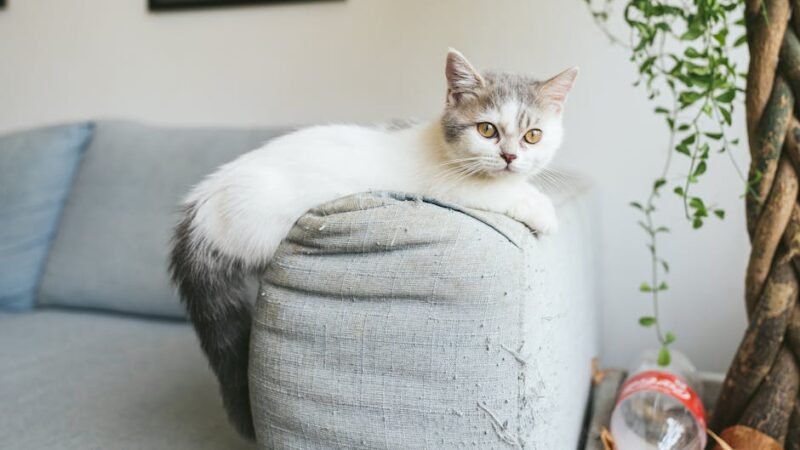
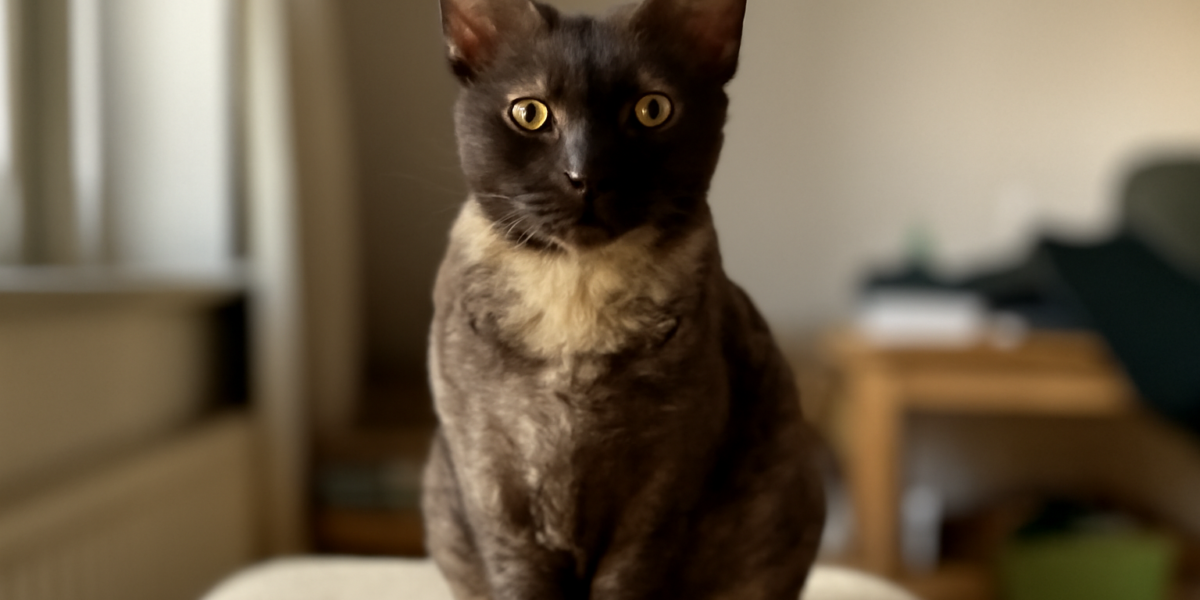
The defining feature is the coat. German Rex fur is short, dense, plush, and slightly wavy throughout — softer to the touch than a Cornish Rex’s tighter ripples and less pronounced than a Devon’s loose curls. It is often described as feeling like velvet or moleskin. The whiskers are short and curled, sometimes appearing crinkled.
Coat colors and patterns vary widely: solid colors, bicolors, tabbies, tortoiseshells, and pointed varieties all occur. Eye color matches the coat and tends toward gold, copper, or green.
Size and Weight
Adult females typically weigh 6 to 8 pounds and males 8 to 10 pounds. They are not a small breed but are clearly less substantial than a Maine Coon or Norwegian Forest Cat.
Temperament and Personality
German Rex cats are friendly, affectionate, and people-focused without being needy. They enjoy human company, follow family members between rooms, and often greet visitors confidently. Many owners describe them as gentle versions of Rex temperament — sociable like a Devon Rex but calmer.
They generally tolerate children and other pets well, especially when introductions are made carefully. They are moderately playful into adulthood and enjoy interactive games but rarely become frantic or destructive. The breed appears in our most affectionate cat breeds roundup for good reason.
Vocally they are quiet. Soft mews and trills, rather than persistent vocalizing, are the norm. If you want a calmer cat that still craves connection, this breed sits in a useful middle ground.
Daily Care and Enrichment
German Rex cats are moderate-energy and adapt well to indoor apartment life. Plan on one or two interactive play sessions per day, plus access to puzzle feeders or food-dispensing toys for slow daily mental work. They enjoy climbing but are not as obsessive about height as some breeds.
Provide stable cat trees, window perches, and a few cozy hiding spots. They tend to seek out warm places — heated beds and sunbeams are especially appealing because the short coat provides less insulation than denser-coated breeds.
Indoor living is the best match. The thinner coat, social temperament, and rarity of the breed make outdoor freedom unnecessarily risky. A secure catio or harness training is a reasonable middle path. Our best indoor cats roundup explores indoor enrichment strategies that suit this breed.
Grooming and Sebum Management
The German Rex coat does not shed heavily and needs only minimal brushing — a soft cloth or rubber mitt once a week is usually enough. The catch is that Rex coats produce sebum (skin oil) that the short fur cannot wick away as efficiently as longer coats. That oil can build up on the skin if left unmanaged.
Most German Rex cats benefit from an occasional gentle bath — every four to six weeks, depending on the individual — using a cat-safe mild shampoo. Pay attention to the chin (acne-prone in many Rex breeds), ear flaps, and tail base where sebum collects. If you see flakes, dark debris, or oily texture, those are signs to bathe sooner.
Health Considerations
The German Rex is genuinely rare, and breed-specific health data is limited. The naturally occurring origin and decades of small-population breeding mean the gene pool is narrow, which can concentrate any hereditary conditions present in founder cats.
Watch for the standard cat conditions through annual exams. Hypertrophic cardiomyopathy is reported across many breeds and worth screening for as the cat ages. Dental disease is common in many breeds and often missed by owners. The annual vet exam for cats guide and annual bloodwork for cats guide explain what each visit should cover.
Skin sensitivities deserve specific attention because of the unusual coat. Watch for dermatitis, persistent flaking, or chin acne, and bring concerns to your vet promptly. Mild Rex breeds typically respond well to dietary adjustments and gentle topical care.
Lifespan
Reliable breed-specific lifespan data is limited because population numbers have always been low. Other Rex breeds typically live into their teens with good preventive care, and there is no specific reason to expect German Rex outcomes to differ significantly.
German Rex vs Other Rex Breeds
Choosing between Rex breeds comes down to coat texture, energy level, and temperament. The Cornish Rex is sleeker, faster, and more athletic. The Devon Rex is pixie-faced, mischievous, and intensely social. The German Rex sits between them — calmer than the Devon, plusher than the Cornish, and friendlier than many people expect from such a rare breed. The Sphynx vs Devon Rex piece is helpful for thinking through Rex temperament, and our cat breeds with curly coats roundup covers the wider category.
Is the German Rex Right for You?
This breed suits adopters who want a friendly, calm, indoor companion with a distinctive plush coat. Apartment living works well. Households with respectful children, other gentle cats, or a single cat-friendly dog are all reasonable matches.
It is a poorer match if you travel often without a sitter, want a high-energy hunter, or are unwilling to manage the occasional bath required for sebum control. The breed is also genuinely hard to find, which is itself a constraint to consider.
Adoption and Finding a German Rex
German Rex cats are rare even in their country of origin. Adoption paths primarily run through European breed clubs, Rex-specific rescue networks, and a small number of dedicated breeders. Outside Germany and a handful of European countries, finding one requires patience, importation research, and possibly a multi-year wait.
Vet any breeder thoroughly. Look for routine health screening, willingness to discuss the small-population gene pool honestly, and contracts that allow return at any age. Our reputable rescue red flags guide names warning signs that apply to breeders too.
If a German Rex is unavailable, consider the more accessible Devon Rex or Cornish Rex through dedicated rescues. The cat-only rescues overview and adopt cats hub are useful starting points for any wavy-coat search.
Frequently Asked Questions
What makes the German Rex different from other Rex breeds?
The German Rex is the oldest documented Rex mutation, identified in 1946-47 and predating both the Cornish Rex and Devon Rex. The coat is plusher and the temperament is generally calmer than its English cousins.
Are German Rex cats hypoallergenic?
No cat is truly hypoallergenic. The German Rex sheds less than many breeds, which can reduce environmental dander, but the cat still produces the Fel d 1 protein. Our best hypoallergenic cat breeds roundup explains the trade-offs.
Do German Rex cats need bathing?
Most benefit from an occasional gentle bath every four to six weeks to manage sebum buildup. The short coat does not wick skin oil as efficiently as longer coats, so periodic bathing helps prevent skin issues.
How can I find a German Rex in the US?
Genuine German Rex cats are very rare in the US. Most adoption paths run through European breed clubs and importation. Dedicated American breeders are few. Patience and breed-club connections matter.
Are German Rex cats good with children?
Generally yes, with respectful handling. The calm, friendly temperament suits households with school-age children. Smaller children should always be supervised with any cat.
Looking to adopt a German Rex Cat Breed Profile?
Browse German Rex Cat Breed Profile cats and mixes available for adoption from shelters and rescues near you.
Find German Rex Cat Breed Profile Cats for Adoption