
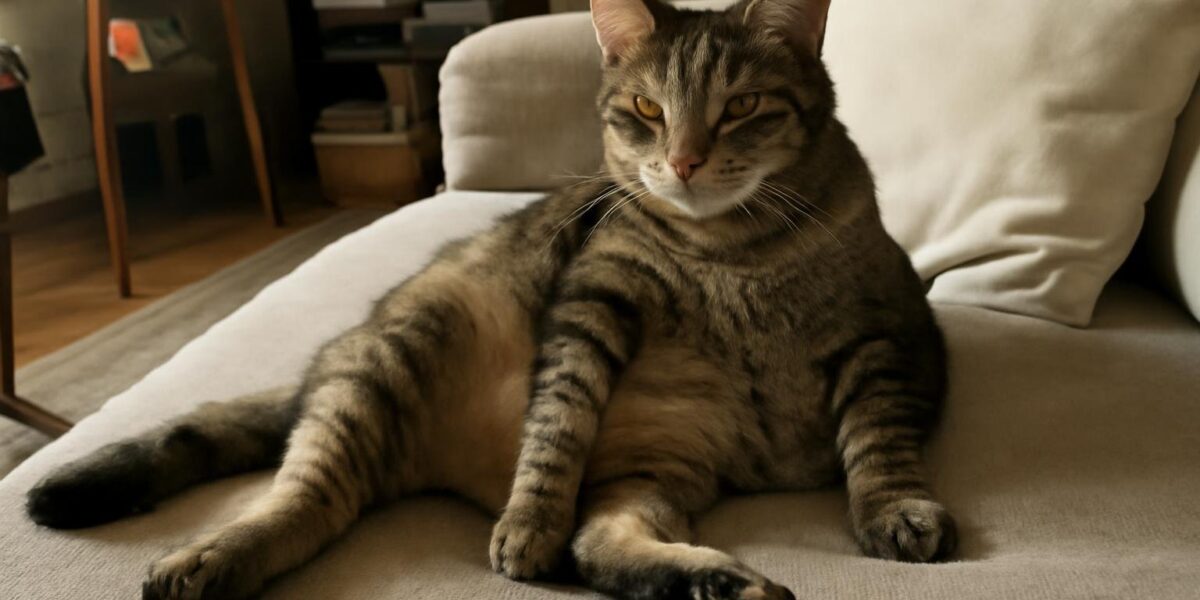
If you have been quietly worrying “how do I get my cat to play more,” take heart: almost every healthy cat still has a hunter inside, and with the right toys, timing, and a little patience you can wake it up. The secret is not forcing your cat to chase anything, but offering the kind of movement that triggers her natural prey drive and then rewarding the effort. Cats respond to invitation and curiosity, never to pressure, so the whole approach here is gentle, playful, and built on rewards rather than nagging or scolding.
In this article
Play is not just entertainment. Daily play burns energy, trims waistlines, eases stress, and gives indoor cats an outlet for the stalking and pouncing instincts they cannot use outdoors. A cat who plays well usually sleeps better, eats more sensibly, and bonds more closely with you. So a little time spent learning what makes your cat want to move is some of the best time you can give her.
It also helps to let go of the idea that a “lazy” cat is just lazy. Cats are sprinters, not marathoners, built for short, explosive bursts of hunting followed by long rest. A cat who naps most of the day and shows little interest in toys is usually not unmotivated by nature but simply waiting for the right trigger. Once you provide prey-like movement at the right moment, that dozing housecat often springs to life. Reframing the goal from “make my cat exercise” to “wake up my cat’s hunter” makes the whole process more enjoyable for both of you.
Why Some Cats Seem Uninterested in Play
Before you change anything, it helps to understand why your cat may be ignoring her toys. Often the toys themselves are the problem. A pile of catnip mice left on the floor goes stale fast because they do not move, and a still object simply does not look like prey to a cat’s eyes.
Other common reasons include:
- Wrong play style. Some cats want birds (toys that fly), others want ground prey (toys that skitter). Offering the wrong one looks boring.
- Wrong time of day. Cats are crepuscular, most active at dawn and dusk. Inviting play at noon when she wants to nap will fall flat.
- Overweight or out of shape. A heavier cat tires quickly and gives up.
- Stress or a new environment. A cat who does not feel safe will not play.
- Age or pain. Senior cats and those with arthritis may want to play but physically struggle.
If your cat has suddenly stopped playing when she used to love it, treat that as a health flag and call your veterinarian. A drop in activity can be one of the first signs of pain, dental trouble, or illness.
Choose Toys That Move Like Prey
The single biggest change most owners can make is to switch from toys the cat plays with alone to toys you operate. Wand toys, also called teaser or fishing-pole toys, let you make a feather or fabric lure dart, freeze, and hide exactly the way a mouse or bird would. That unpredictable movement is irresistible to most cats.
Try a small variety to learn your cat’s preference:
- Feather wands for cats who like to leap and bat at “birds.”
- Worm or snake-style lures dragged along the floor for ground hunters.
- Crinkle balls and spring toys for solo bursts of energy.
- Food puzzles and treat balls that reward batting with kibble.
Rotate toys in and out of a closet every few days so they feel new again. Novelty is powerful, and a toy that has been hidden for a week often gets a fresh, enthusiastic response.
A Step-by-Step Plan to Build the Play Habit
Reluctant players usually need you to make the first move look easy and rewarding. Work through these steps over a couple of weeks, going at your cat’s pace.
- Pick the right moment. Aim for dawn, dusk, or just before her dinner, when her energy and hunting drive peak.
- Start low and slow. Drag the lure along the floor a few feet from her, not at her. Let it disappear behind a chair leg so she has to look for it.
- Trigger the stalk. Make the toy twitch, then go still. Stillness builds tension and invites the pounce.
- Let her win. Allow real catches every minute or so. A cat who never catches the prey gets frustrated and quits.
- Reward the effort. After a good session, offer a couple of treats or her meal. This mimics the natural hunt-catch-eat-groom-sleep cycle and reinforces playing.
- Keep it short. Two or three sessions of five to ten minutes beat one long session. Stop while she still wants more.
If your cat barely engages at first, success might simply be one twitch of the tail or a single pounce. Celebrate that. Each small win makes the next session easier, and a cat who learns that play feels good will start seeking it out on her own.
Pay attention to which movements light her up. Some cats explode into action when the lure skitters along the floor like a mouse; others only engage when it flies and flutters like a bird overhead. Once you spot her preference, lean into it. You can also experiment with texture and sound, since crinkly, feathery, or fur-like toys each appeal to different cats. The more you tailor the game to her instincts, the more enthusiastic she becomes.
Use Food and Climbing to Spark Daily Movement
Play does not have to mean a wand toy every time. You can build movement into the whole day so your cat stays active even when you are busy. Scatter-feeding a portion of her kibble around the room turns dinner into a foraging hunt. Treat-dispensing balls reward rolling and batting with food.
Vertical space matters too. Shelves, window perches, and a tall cat tree invite climbing and jumping, which keeps muscles working. Pairing play with a rich indoor environment makes a huge difference, and our guide to cat enrichment activities walks through easy ways to keep a curious cat busy. For owners short on space or ideas, our cat indoor enrichment ideas offer budget-friendly setups, and if weight or fitness is a concern, see our tips on how to exercise an indoor cat.
Common Mistakes That Kill the Fun
Even devoted owners accidentally make play less appealing. Watch out for these:
- Dangling the toy in her face. Prey flees; it does not charge. Move the toy away from her.
- Never letting her catch it. Constant frustration teaches her that trying is pointless.
- Using your hands as toys. This teaches biting and scratching of skin, which is hard to undo later.
- Laser pointers as the only toy. A laser gives no physical catch, which can frustrate some cats. If you use one, end the game by landing the dot on a real treat or toy she can grab.
- Giving up too soon. A cat who has not played in years may take weeks to rediscover the urge.
A Realistic Timeline and When to Ask for Help
Most cats show more interest within one to two weeks of consistent, well-timed sessions, and a solid daily play habit usually settles in over a month. Kittens and young adults often respond in days; seniors and shy or overweight cats take longer. Patience is everything, and progress is rarely a straight line.
If your cat continues to refuse all play despite weeks of effort, or if a once-playful cat becomes withdrawn, lethargic, or stops jumping, schedule a veterinary check. Pain, obesity, dental disease, and other conditions can all suppress the urge to play. For deep behavioral cases, a certified feline behaviorist can help you tailor a plan. The goal is always the same: invite, reward, and let your cat rediscover the joy of the hunt at her own pace.
Frequently Asked Questions
How long should I play with my cat each day?
Aim for at least two short sessions totaling 20 to 30 minutes. Several brief bursts suit a cat’s natural hunting rhythm better than one marathon.
My cat only plays for a minute and quits. Is that normal?
Yes, especially at first or with out-of-shape cats. Keep sessions short, let her catch the toy, and stamina will build over time. End before she loses interest.
Why won’t my cat play with toys when I’m not home?
Solo toys go stale quickly because they do not move on their own. Rotate them, use treat puzzles, and save the interactive wand play for times you are present.
Can older cats still learn to play more?
Absolutely. Gentle, low-impact play with soft lures suits seniors well. If an older cat seems to want to play but struggles physically, ask your vet to check for arthritis or pain.
Is it too late to teach an adult cat to enjoy play?
Never. Adult and even senior cats can rediscover play with the right toy, the right timing, and consistent rewards. Go slow and follow your cat’s cues.


