Last updated: May 6, 2026
In this article
How to Adopt a Military Working Dog: A Complete Guide
Military working dogs serve our armed forces with extraordinary courage, sniffing out explosives, tracking suspects, and standing guard alongside their human partners. When these four-legged heroes retire from active duty, they deserve a comfortable home where they can enjoy their golden years. If you have ever dreamed of welcoming one of these remarkable animals into your family, you are not alone. Thousands of people each year inquire about how to adopt a military working dog, and the good news is that it is absolutely possible with the right preparation and patience.
In this guide, we will walk you through the entire process, from understanding what military working dogs are and how they become available for adoption, to the application steps, costs, and adjustments you should plan for once your new companion arrives home. Whether you are a veteran yourself or simply someone who wants to give a deserving dog a second chapter, this article has everything you need to get started.
What Are Military Working Dogs?
Military working dogs, often abbreviated as MWDs, are canines trained by branches of the United States military and other armed forces around the world to perform specialized tasks. These tasks can include explosive detection, patrol and apprehension, narcotics detection, search and rescue, and even combat tracking. The breeds most commonly used are German Shepherds and Belgian Malinois, though Dutch Shepherds and Labrador Retrievers also serve in various roles.
These dogs undergo rigorous training programs, often lasting months or even years, before they are deployed. They are paired with handlers who work with them daily, building a bond that is as strong as any human partnership. MWDs serve on military bases domestically and abroad, and many have seen combat zones in places like Iraq, Afghanistan, and other conflict areas. Their service is invaluable, and the military considers them non-commissioned officers, a tradition that underscores just how seriously their contributions are taken.
When a military working dog can no longer perform its duties due to age, injury, or temperament changes, the dog is retired from service. This is when the adoption process begins. The Department of Defense runs an official adoption program through the 341st Training Squadron at Joint Base San Antonio-Lackland in Texas, which is the primary hub for military dog training and retirement in the United States.
How Military Dogs Become Available for Adoption
Not every military dog that retires is immediately available for civilian adoption. There is actually a priority system in place. The first right of adoption goes to the dog’s most recent handler. Many handlers develop deep bonds with their canine partners and jump at the chance to bring them home. If the handler cannot adopt, the opportunity extends to other handlers who have worked with the dog, then to law enforcement agencies that might put the dog’s skills to continued use.
Only after all of these options have been exhausted does the dog become available to the general public. This means the pool of dogs available to civilian adopters is smaller than many people expect, but it is still very much worth pursuing. Each year, roughly 300 to 400 military working dogs are retired, and a meaningful number of those do end up needing civilian homes.
Dogs may be retired for a variety of reasons. Some simply age out of service, typically around eight to ten years old. Others may develop health conditions like hip dysplasia, arthritis, or hearing loss that prevent them from performing their duties safely. In some cases, a dog’s temperament may shift in ways that make continued service impractical. Regardless of the reason for retirement, these dogs still have plenty of love and loyalty to offer a family willing to meet their needs.
The Adoption Process Step by Step
Adopting a military working dog is not quite the same as adopting a dog from a shelter. The process is more structured and typically takes longer due to the specialized nature of these animals. Here is what you can expect.
First, you will need to submit an adoption application through the official Department of Defense Military Working Dog Adoption Program. The application is available online and asks for detailed information about your living situation, experience with dogs, yard space, other pets in the home, and your general lifestyle. Be thorough and honest in your responses, as the program coordinators genuinely want to match each dog with the best possible home.
Once your application is submitted, it enters a queue. Wait times can vary significantly. Some adopters hear back within a few weeks, while others wait months or even over a year. The timeline depends on how many dogs are being retired at any given time and how many qualified applicants are ahead of you. During this waiting period, it is a good idea to prepare your home, research the breed you might receive, and educate yourself on the unique behavioral traits of working dogs.
When a dog becomes available that matches your profile, the program will contact you. You will receive information about the dog’s history, training background, health status, and any behavioral notes. You then decide whether to move forward. If you accept, you will need to arrange transportation, as most dogs are located at Lackland Air Force Base in Texas. Some adopters fly to pick up their dogs, while others use pet transport services. The adoption itself is free of charge through the DoD program, though you are responsible for all travel and veterinary costs.
In addition to the official government program, several nonprofit organizations also facilitate MWD adoptions. Groups like Mission K9 Rescue, American Humane, and Save-A-Vet work to reunite retired military dogs with their former handlers or place them in qualified civilian homes. These organizations can sometimes expedite the process and provide additional support during the transition.
What to Expect When Bringing a Military Dog Home
Bringing a retired military working dog into your home is a deeply rewarding experience, but it is also one that requires realistic expectations and careful planning. These are not typical pet dogs. They have spent their lives in highly structured environments with constant routines, specific commands, and intense physical and mental stimulation. The transition to civilian life can be a significant adjustment for both the dog and the adopter.
Many retired MWDs arrive with some degree of post-traumatic stress, especially those who served in combat zones. Signs of stress can include hypervigilance, noise sensitivity, restlessness, and difficulty relaxing in unfamiliar environments. Patience is absolutely critical during the first few weeks and months. Give your dog time to decompress, establish a consistent daily routine, and let them explore their new surroundings at their own pace.
You should also be prepared for the physical needs of these dogs. Many retire with health conditions common in large, active breeds, such as joint problems, dental issues, or the early stages of degenerative conditions. Regular veterinary checkups are essential, and you may need to budget for medications, supplements, or even surgeries down the road. That said, the companionship and loyalty these dogs offer more than compensate for the extra care they may need.
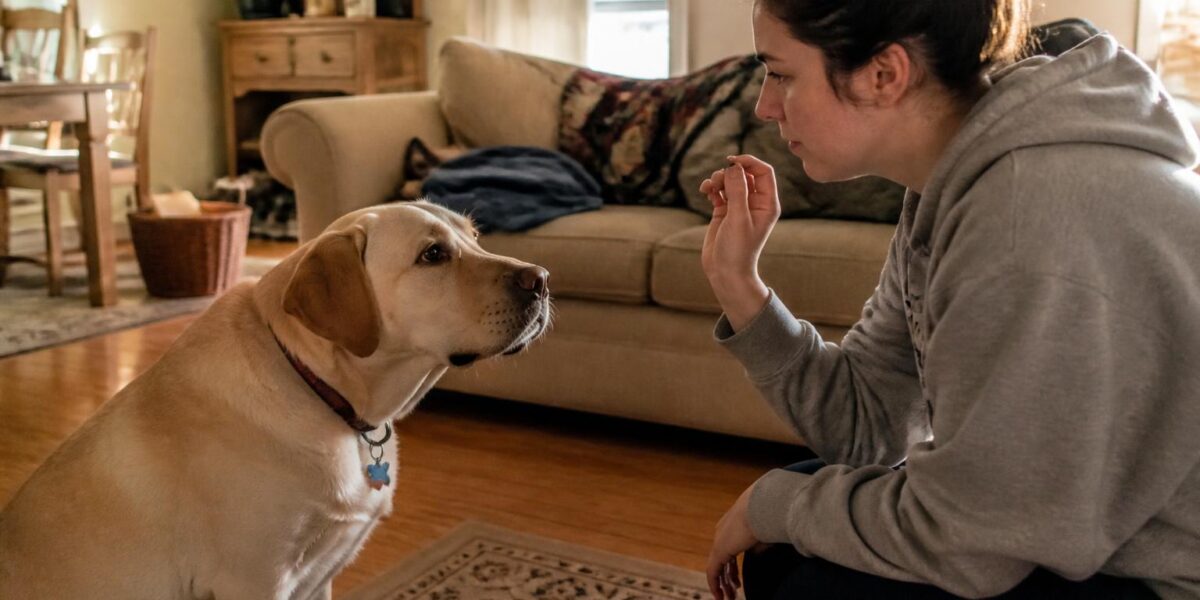
Training is another consideration. While MWDs are highly trained, their training is military-specific. Commands may be in a foreign language, typically Dutch or German. You will need to either learn these commands or gradually retrain the dog to respond to English cues. Working with a professional dog trainer who has experience with working breeds is strongly recommended. Avoid punishment-based methods; positive reinforcement works best with these intelligent, sensitive animals.
Finally, be mindful of the dog’s drive. Many MWDs retain strong prey drives, high energy levels, and a need for mental stimulation even in retirement. Puzzle toys, scent work games, and structured exercise sessions can help channel these drives in healthy ways. A bored military dog can become destructive or anxious, so keeping their minds and bodies engaged is key to a happy coexistence.
Is Adopting a Military Working Dog Right for You?
Adopting a retired MWD is not for everyone, and there is no shame in recognizing that. These dogs thrive with adopters who have experience handling large, strong-willed breeds, who have the time and energy to provide consistent structure, and who are financially prepared for potential veterinary expenses. Homes with very young children, small animals like cats or rabbits, or limited outdoor space may not be the best fit, depending on the individual dog’s temperament and history.
However, if you have a calm, stable household, experience with working breeds, and a genuine desire to honor a veteran dog’s service by giving them a loving retirement, this could be one of the most meaningful things you ever do. These dogs are fiercely loyal, incredibly intelligent, and capable of forming bonds that will change your life. Many adopters describe the experience as one of the most fulfilling decisions they have ever made.
If you are not quite ready for a military dog but still want to support the cause, consider donating to organizations that facilitate MWD adoptions, volunteering your time, or fostering a retired working dog temporarily while a permanent home is found. Every bit of support helps ensure that these brave animals get the peaceful retirement they have earned.
Frequently Asked Questions
How much does it cost to adopt a military working dog?
Adopting through the official Department of Defense program is free. However, you are responsible for transportation costs to pick up the dog, which are typically located at Lackland Air Force Base in Texas. You should also budget for initial veterinary exams, vaccinations, and any ongoing medical care the dog may need. Nonprofit organizations that facilitate adoptions may have their own fees to cover the dog’s care prior to placement.
Can anyone adopt a military working dog, or do you need to be a veteran?
You do not need to be a veteran or have any military affiliation to adopt a retired MWD. The program is open to civilians, though former handlers and law enforcement agencies are given priority. What matters most is that you can demonstrate you have the experience, living situation, and commitment to provide a suitable home for a working breed dog with specialized needs.
How long do retired military working dogs typically live after adoption?
Most military working dogs retire between the ages of eight and twelve. With proper veterinary care, nutrition, and a low-stress home environment, many live comfortably for another two to five years after retirement. Some dogs retire younger due to injuries or temperament issues, and these dogs may have even longer post-service lives. Regular checkups and proactive health management can make a significant difference in their quality and length of life.
Are military working dogs good with families and other pets?
It depends entirely on the individual dog. Some retired MWDs adjust beautifully to family life and coexist peacefully with other pets. Others may have strong prey drives or socialization gaps that make multi-pet households challenging. The adoption program provides behavioral assessments and notes for each dog, which can help you determine compatibility. Working with a professional trainer during the transition period is always advisable.