
Last updated: April 25, 2026
In this article
Siberian Husky: Complete Dog Breed Profile
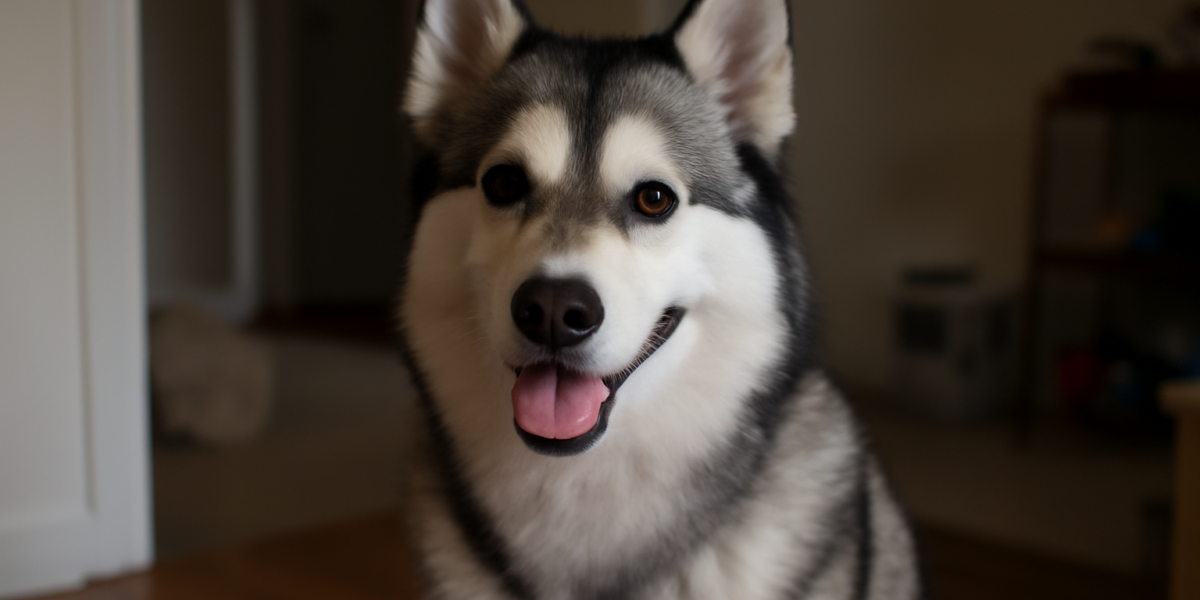
The Siberian Husky is one of the most visually striking dog breeds in the world — wolf-like in appearance, piercing in gaze, and utterly captivating to anyone who encounters them. Bred for millennia to run long distances across frozen tundra, the husky is a high-performance working dog wrapped in a beautiful double coat. Their ice-blue or multi-colored eyes, erect ears, and thick plume of a tail make them look like something lifted straight from the wilderness, and their personalities live up to that impression.
The husky’s allure is undeniable, but that beauty draws in many owners who are not fully prepared for what life with this breed actually involves. Siberian Huskies are demanding, energetic, independent, and relentless. They end up in shelters at a striking rate, often surrendered by families who fell in love with their looks without understanding their needs. This profile covers every aspect of the breed honestly and thoroughly, so you can decide whether a Siberian Husky is the right match for your life before you make that commitment.
Quick Facts
| Attribute | Details |
|---|---|
| Breed Group | Working |
| Size | Medium |
| Weight | 35 – 60 lbs (males 45 – 60 lbs; females 35 – 50 lbs) |
| Height | 20 – 23.5 inches at the shoulder |
| Life Expectancy | 12 – 14 years |
| Coat | Double coat, medium length; dense undercoat with straight outer coat |
| Common Colors | Black and white, gray and white, red and white, sable, agouti, solid white |
| Eye Colors | Blue, brown, amber, or heterochromia (two different colors) |
| Shedding Level | Very heavy; extreme during seasonal coat blows |
| Energy Level | Very High |
| Trainability | Moderate — intelligent but highly independent |
| Good with Kids | Generally yes, with supervision |
| Good with Other Pets | Good with dogs; prey drive is a concern with small animals |
| AKC Recognition | Yes (1930) |
Personality and Temperament
The Siberian Husky is a paradox wrapped in fur. They are affectionate and sociable — genuinely fond of people, including strangers — yet stubbornly independent in a way that can leave inexperienced owners completely at a loss. A husky does not seek to please you the way a Labrador Retriever does. They consider your request, weigh it against their own priorities, and decide whether compliance is worth their while. That independence is not defiance so much as it is centuries of selective breeding for a dog that could make decisions under extreme conditions without human direction.
Mischief is practically a personality trait of the breed. Huskies are clever, curious, and endlessly inventive when it comes to finding ways to entertain themselves — which often means chewing through furniture, dismantling fences, or redecorating your home in ways you did not request. Boredom is the primary trigger for destructive behavior, and a bored husky is an expensive husky.
Because they were bred to work in teams, Siberian Huskies are deeply pack-oriented and generally miserable when left alone for long periods. They thrive with canine companions and human families who are home regularly. They are known for being vocal — howling, talking back, and narrating their opinions — which is endearing to enthusiasts and maddening to those caught off guard.
Perhaps most importantly, huskies are notorious escape artists. They can jump fences, dig under them, and squeeze through gaps that seem impossibly small. A securely fenced yard — tall, dig-proof, and regularly inspected — is not optional with this breed.
Appearance
The Siberian Husky carries an unmistakable wolf-like appearance that sets them apart from nearly every other domestic breed. They are medium-sized but powerfully built — compact and muscular without appearing heavy, with a deep chest, level back, and strong, well-arched neck. Their movement is smooth and seemingly effortless, reflecting their origins as endurance athletes built to cover vast ground at a steady pace.
The face is perhaps the husky’s most arresting feature. Their eyes can be pale blue, deep brown, amber, or a combination — one of each color, known as heterochromia — giving many individuals a striking, almost otherworldly gaze. The skull is slightly rounded at the top, the muzzle is of medium length, and the erect, triangular ears sit high on the head, giving the breed a perpetually alert expression.
Their double coat consists of a soft, dense undercoat topped by a straight, medium-length outer coat that lies flat against the body. It comes in a wide range of colors, from pure white to black, with shades of gray, red, sable, and agouti appearing in between. The tail is well-furred and carried in a sickle curve over the back. The overall impression is one of natural, functional elegance — a dog built not for the show ring but for the open terrain.
Exercise Needs
The Siberian Husky was bred to run. Not jog. Not walk. Run — for hours, across frozen landscapes, pulling weight, day after day. That heritage does not disappear in a suburban backyard, and underestimating this breed’s exercise requirements is the single most common mistake new husky owners make.
A healthy adult husky needs a minimum of two hours of vigorous exercise every day. A single 30-minute walk will not come close to meeting that need. Activities that allow them to truly run — off-leash time in a safely enclosed area, bikejoring, canicross, skijoring, hiking on a long line, or structured sled dog activities — are far more appropriate than leashed neighborhood strolls. A husky that does not get adequate physical output will redirect that enormous energy into destruction, escape attempts, and excessive howling.
Mental stimulation must accompany physical exercise. Puzzle feeders, nose work, obedience training sessions, and interactive play all help satisfy the breed’s active mind. Hot climates pose a real risk for huskies due to their heavy insulating coat, so exercise should be scheduled during cooler parts of the day in warm weather, and fresh water must always be available. For more guidance on keeping active dogs healthy, visit our dog care blog.
Grooming Needs
Anyone who has lived with a Siberian Husky knows the experience of finding tufts of fur in the refrigerator, in their morning coffee, and embedded in clothing they laundered three times. This breed sheds heavily year-round, and twice a year — typically in spring and fall — they “blow” their entire undercoat in a dramatic shedding event that lasts three to six weeks and produces what can only be described as an unreasonable quantity of fur. During a coat blow, daily brushing is not a suggestion — it is a survival strategy.
Between seasonal blowouts, brushing two to three times per week with an undercoat rake and a slicker brush keeps loose fur manageable and the coat in good condition. Huskies are naturally clean dogs and do a reasonable job of self-grooming, much like cats. They rarely develop a strong dog odor, which means bathing every six to eight weeks is generally sufficient under normal circumstances — though more frequent baths may be needed during heavy shedding to loosen the undercoat.
Ears should be checked weekly for debris and signs of infection. Nails need trimming every three to four weeks. Teeth should be brushed regularly to prevent tartar buildup and periodontal disease. Despite their dramatic shedding, huskies do not require professional grooming cuts — their coat should never be shaved, as the double coat provides essential insulation against both cold and heat.
Health and Common Issues
The Siberian Husky is a relatively healthy breed with a lifespan of 12 to 14 years, but like all breeds, they carry genetic predispositions to certain conditions that owners and prospective adopters should understand.
Hip dysplasia is one of the most common orthopedic concerns. This hereditary condition occurs when the hip joint develops abnormally, leading to painful arthritis over time. Responsible breeders screen for this condition, but rescue huskies may have unknown histories. Maintaining a healthy weight and appropriate exercise levels reduces stress on the joints and can slow progression.
Eye conditions are a notable concern in this breed. Progressive Retinal Atrophy (PRA) is a degenerative disease of the retina that eventually causes blindness. Cataracts, corneal dystrophy, and uveodermatologic syndrome — a rare autoimmune condition that can affect both skin pigmentation and vision — also appear with higher frequency in huskies than in many other breeds. Annual eye examinations by a veterinary ophthalmologist are recommended throughout the dog’s life.
Zinc deficiency is a metabolic condition seen more commonly in Siberian Huskies than in most other breeds. Affected dogs have difficulty absorbing zinc from their diet, leading to crusty, scaly skin lesions, hair loss, and systemic illness. The condition is manageable with zinc supplementation under veterinary guidance but requires prompt diagnosis to prevent complications.
Routine veterinary care, a high-quality diet, and regular monitoring are the foundations of long-term health in this breed.
Are Huskies Good With Kids and Other Pets?
Siberian Huskies are generally friendly, playful, and affectionate with children. Their pack-oriented nature means they often slot naturally into the family unit, and their high energy makes them enthusiastic play partners for older, active kids. That same energy can be overwhelming for very young children, and the breed’s size and enthusiasm mean that interactions with toddlers and small children should always be closely supervised. Teaching children how to interact respectfully with dogs is equally important.
With other dogs, huskies typically do well — particularly when raised alongside them or introduced carefully. Their pack background means they genuinely enjoy canine company and are often more settled in multi-dog households than when left as a single dog.
Small animals are a different matter. The Siberian Husky has a well-documented and strong prey drive. Cats, rabbits, guinea pigs, birds, and other small pets are at genuine risk around a husky that has not been raised with them from puppyhood, and even those raised alongside small animals can revert to instinct under certain circumstances. Any introduction between a husky and a small pet should be carefully managed, and unsupervised cohabitation is not recommended without a thorough understanding of the individual dog’s behavior and history.
Training Tips
Training a Siberian Husky is a rewarding challenge that requires patience, creativity, and a sense of humor. These are intelligent dogs — they understand what you want quickly — but understanding your request and choosing to comply with it are two entirely separate decisions in a husky’s mind. They were bred to work independently, not to defer to human authority on every matter, and that instinct is deeply embedded.
Positive reinforcement is the only effective training approach with this breed. High-value treats, enthusiastic praise, and engaging play rewards motivate a husky far more reliably than correction-based methods. Punishment, frustration, or force will damage the relationship and produce a more resistant, anxious dog without improving behavior.
Consistency is non-negotiable. Huskies will find and exploit any gap in the rules, and what one family member allows will quickly become what the dog expects from everyone. Sessions should be short — 10 to 15 minutes — to hold their attention before boredom sets in. Variety helps: rotating through different exercises and environments keeps training feeling like a game rather than a chore.
Recall — the “come” command — is one of the most critical skills to develop in a husky and one of the hardest to make reliable. Because of their strong prey drive and independent nature, huskies should never be trusted off-leash in an unfenced area, regardless of how well-trained they appear. Experienced dog owners who understand working breeds will find the husky a fascinating training partner. First-time dog owners may benefit significantly from working with a professional trainer who has specific experience with Nordic breeds. More training resources are available on our dog care blog.
History and Origin
The Siberian Husky’s origins trace back thousands of years to the Chukchi people of northeastern Siberia, one of the most remote and inhospitable regions on earth. The Chukchi bred these dogs as essential working partners — using them to pull light sleds over long distances in temperatures that reached well below freezing, to herd reindeer, and to help transport people and supplies across the tundra. Because the Chukchi depended on their dogs for survival, they bred carefully for endurance, efficiency, and the ability to thrive on minimal food while covering extraordinary distances.
The breed came to widespread attention in 1925 during the now-legendary serum run to Nome, Alaska, when a deadly diphtheria outbreak threatened the remote town in the middle of winter. A relay of sled dog teams transported antitoxin more than 600 miles through a raging blizzard to deliver the medicine in time. The final leg of the journey was led by a Siberian Husky named Balto, whose statue stands in Central Park in New York City to this day. The run cemented the husky’s reputation as a breed of extraordinary courage and capability.
The American Kennel Club officially recognized the Siberian Husky in 1930. The breed’s popularity grew through sled racing — they remain competitive in events like the Iditarod — and eventually made the transition into family companion roles, though their working-dog needs have never diminished.
Frequently Asked Questions About Huskies
Can a husky live in a warm climate?
Siberian Huskies can adapt to warmer climates, but they require careful management. Their thick double coat, which insulates against Arctic cold, also provides some protection from heat — but it is not a guarantee of comfort. In warm or hot climates, exercise must be limited to early morning or evening hours when temperatures are lower, fresh water and shade must always be available, and owners should watch closely for signs of overheating. Air-conditioned indoor living is strongly recommended. A husky’s coat should never be shaved in an attempt to keep them cool, as this removes the insulation that protects against both heat and sun.
Do huskies make good apartment dogs?
Generally, no. While a husky can technically live in an apartment, meeting their exercise requirements from an apartment setting is extremely demanding. They need hours of vigorous daily activity, access to space where they can run, and near-constant engagement to prevent destructive behavior. They also howl — loudly and at length — which makes them a challenging neighbor in close-quarters living. Huskies are best suited to homes with securely fenced yards and owners who can commit to an active, outdoor lifestyle.
How much does a husky shed?
More than you expect, and then more than that. The Siberian Husky is one of the heaviest-shedding dog breeds, and during their twice-yearly coat blows, the volume of fur they release is remarkable. Regular brushing throughout the year — and daily brushing during coat blows — is essential. Investing in a quality undercoat rake, a powerful vacuum, and lint rollers in every room of the house is not an exaggeration for husky owners.
Is a husky right for a first-time dog owner?
Most experienced trainers and breed specialists advise against the Siberian Husky as a first dog. Their independence, escape artistry, high exercise demands, heavy shedding, and vocal nature make them a genuinely challenging breed that tends to thrive with owners who have prior experience managing high-energy, independent working dogs. That said, a first-time owner who commits fully to researching the breed, working with a professional trainer, and meeting the husky’s considerable needs can absolutely build a successful and deeply rewarding relationship with this breed.
Adopt a Husky
Siberian Huskies are one of the most commonly surrendered breeds in the United States. The reasons are almost always the same: owners fell in love with their stunning appearance without fully appreciating what living with a husky actually requires day to day. The result is a heartbreaking number of beautiful, healthy, loving dogs in shelters and rescues, waiting for families who truly understand them.
At Walk Me Home Rescue, we assess every dog in our care individually and work to match each husky with a family that has the lifestyle, experience, and commitment they need. If you are ready to welcome this remarkable, challenging, and endlessly rewarding breed into your home, we would love to help you find your match.
View huskies and other dogs available for adoption at Walk Me Home Rescue.


