
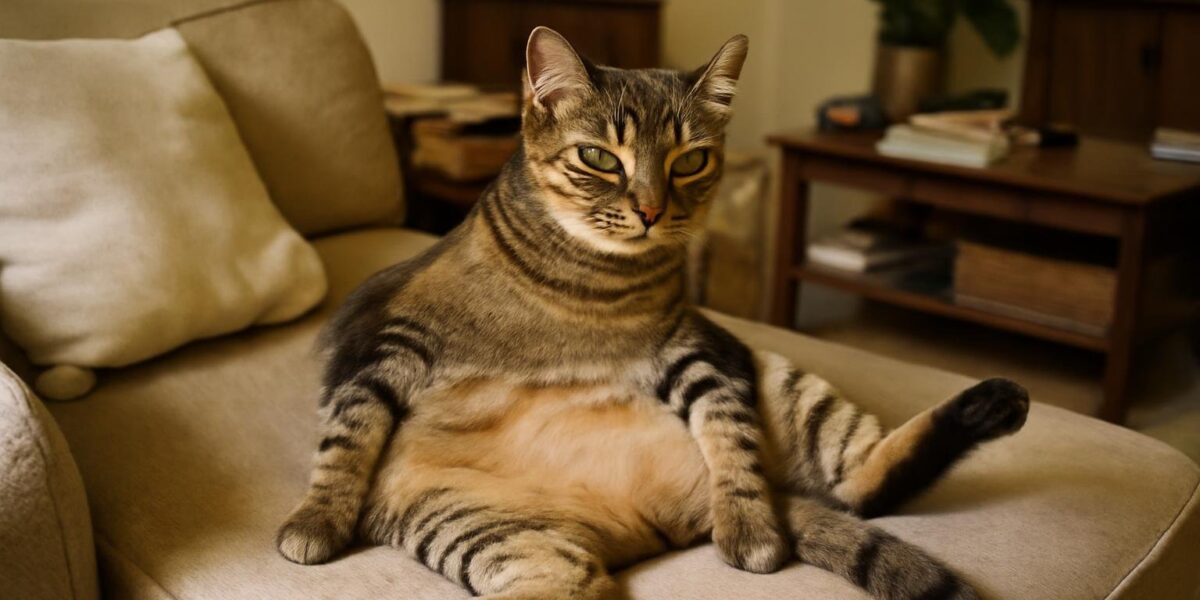
If you have caught your cat snoozing belly-up with all four paws in the air, curled into an impossible pretzel, or somehow fitting into a shoebox three sizes too small, you are not alone in wondering what is going on. Rest assured: yes, it is completely normal for your cat to sleep in weird positions. Cats are famous for their bizarre, hilarious, and seemingly uncomfortable sleeping poses, and the vast majority of them are signs of a relaxed, healthy, contented cat. Far from a cause for concern, those odd positions often tell you your cat feels safe and comfortable in its home.
In this article
Cats sleep a lot — typically 12 to 16 hours a day — so they have plenty of time to experiment with creative poses. This guide explains what the most common “weird” positions mean, why cats choose them, the normal range of feline sleep behavior, and the rare signs that a sleeping posture might point to something worth a vet visit.
Why Cats Sleep in Such Strange Positions
Cats are crepuscular animals, most active at dawn and dusk, which means they pack a lot of rest into the rest of the day. With so many hours spent sleeping, their bodies cycle through light dozing and deep sleep, and they shift positions to suit their comfort, temperature, and sense of security.
A cat’s flexible spine and loose, floating collarbone let it fold, twist, and curl in ways that would leave a human aching. What looks contorted and uncomfortable to us is often genuinely cozy for a cat. The position your cat chooses usually reflects how safe it feels, how warm or cool it wants to be, and how deeply it intends to sleep.
So when you ask is it normal for my cat to sleep in weird positions, the answer is a reassuring yes. These poses are a normal expression of feline anatomy and instinct. To understand the bigger picture of feline rest, our guide to why cats sleep so much explains the sleep cycles behind all those naps.
Common “Weird” Sleeping Positions and What They Mean
Each odd pose tends to carry a meaning. Here are the most common ones you will see:
- The loaf: Paws tucked underneath, tail wrapped close, body compact like a bread loaf. This conserves warmth and lets the cat rest while staying ready to spring up. A relaxed, common pose.
- Belly-up (the “sploot” or full stretch): Lying on the back with the belly exposed and paws in the air. The belly is a vulnerable area, so this pose signals deep trust and a strong sense of safety.
- The curl or “cinnamon roll”: Tightly curled with the nose tucked under the tail. This retains body heat and protects vital organs — an instinctive, cozy position.
- The contortionist: Twisted into seemingly impossible angles, head upside down, limbs splayed. A flexible cat in a deeply relaxed sleep.
- Face-plant or covered eyes: Sleeping with a paw over the face or nose buried in bedding, often to block light and signal “do not disturb.”
- In tight spaces: Squeezing into boxes, sinks, or baskets. Enclosed spaces feel secure and den-like.
Belly-up sleeping in particular is one of the highest compliments a cat can pay you, since exposing the belly means it feels no need to protect itself. For a fuller breakdown of these poses, see our guide to cat sleeping positions and what they mean.
You may also notice your cat shifting between these poses as it moves through its sleep cycle. Cats alternate between light dozing and short bursts of deep sleep. During light sleep, a cat often stays in an alert pose like the loaf, ears still twitching toward sounds, ready to wake instantly. As it slides into deep sleep, the body relaxes and it may flop onto its side, sprawl out, or roll belly-up. If you watch a napping cat for a while, you might see it cycle from a tidy loaf to a fully splayed-out puddle and back again, all in the space of an hour. This rhythm is completely normal and explains why the same cat can look so different from one glance to the next.
Normal Variation From Cat to Cat
Every cat has its own sleeping personality, and a wide range of preferences is normal. Some cats are loafers, some are sprawlers, and some change positions throughout the day depending on temperature and mood. A cat that loafs in the morning, stretches belly-up in a warm afternoon sunbeam, and curls tightly at night is simply responding to its environment.
Temperature is a big driver. Cats curl up tightly to stay warm when it is cool and stretch out flat or go belly-up to release heat when it is warm. Kittens and senior cats often sleep more and in floppier positions, while a cat in a busy or new environment may favor the alert loaf until it feels settled.
Location matters too. A cat that feels secure will sleep out in the open in vulnerable poses, while a more cautious cat — or one in a newer home — may prefer enclosed, protected spots. All of this is normal variation, not cause for concern.
When a Sleeping Position Is NOT Normal
Sleeping poses are almost always harmless, but in rare cases a position your cat holds — or a change in how it rests — can hint at discomfort or illness. Contact your veterinarian if you notice any of the following:
- The hunched, “meatloaf” pose with discomfort: A cat sitting hunched with its head down and seeming unable to relax, especially with squinted eyes, can be a sign of pain or nausea — different from the cozy, relaxed loaf.
- A sudden change in usual positions: A cat that always stretched out but now only curls tightly or refuses to lie on a certain side may be protecting a sore area.
- Difficulty getting comfortable: Constant repositioning, restlessness, or inability to settle.
- Labored breathing while resting: A cat that sleeps sitting up with its neck extended and elbows out, breathing hard, needs urgent veterinary care.
- Reluctance to move or stiffness: Trouble getting up, limping, or crying when changing position.
- Other symptoms: Lethargy, hiding, appetite loss, or vomiting alongside changes in sleep posture.
The position itself is rarely the problem — it is the accompanying signs of pain, breathing trouble, or behavior change that matter. If a normally sprawling cat suddenly seems unable to get comfortable or shows labored breathing, treat it as urgent and contact your vet. Our home pet first aid guide can help you recognize an emergency, but it does not replace a veterinary exam.
How to Support Healthy Cat Sleep
You do not need to do anything about your cat’s quirky poses — they are part of the charm. But you can create an environment that supports comfortable, restful sleep.
- Offer varied sleeping spots. Provide warm beds, cool tile, enclosed caves, and high perches so your cat can choose based on temperature and mood.
- Keep favorite spots accessible. Sunny windowsills, soft blankets, and quiet corners give your cat options for every kind of nap.
- Respect sleeping cats. Avoid disturbing a deeply sleeping cat, which needs uninterrupted rest just as we do.
- Watch the patterns, not the poses. Note your cat’s normal sleeping habits so you can spot a meaningful change if one appears.
- Support senior comfort. Older cats appreciate easy-to-reach, well-padded beds that cushion stiff joints.
Cats that feel safe enough to sleep belly-up or sprawl in the open are paying you a quiet compliment. If your cat also likes to nap on or against you, that is another sign of trust we explore in is it normal for my cat to sleep on me.
Above all, try not to read human discomfort into your cat’s choices. A pose that would leave you with a stiff neck — head hanging off a shelf, body folded in half, spine twisted like a corkscrew — is genuinely comfortable for a cat thanks to its remarkably flexible skeleton and the way its muscles relax in deep sleep. The strangeness of the position is part of the joy of living with cats, and in the overwhelming majority of cases it is a sign of a happy, healthy animal that feels completely at home. Enjoy the daily comedy, keep an eye out for the rare warning signs, and let your cat sleep however it pleases.
Frequently Asked Questions
Why does my cat sleep on its back with its belly exposed?
Sleeping belly-up means your cat feels completely safe, since the belly is a vulnerable area cats normally protect. It is one of the strongest signs of trust and comfort, and it also helps a cat cool off in warm weather.
Is it normal for cats to sleep in tiny boxes or odd tight spaces?
Yes. Enclosed spaces feel secure and den-like to cats, tapping into their instinct to rest somewhere protected. Squeezing into boxes, baskets, and sinks is normal and comforting for them.
Should I worry if my cat changes its usual sleeping position?
A single odd nap is nothing to worry about. But a lasting change — such as always curling tightly, refusing to lie on one side, or a hunched, uncomfortable posture — can signal pain or illness and is worth a vet visit, especially with other symptoms.
What does it mean when my cat sleeps in a loaf position?
The loaf, with paws tucked under, conserves warmth and keeps the cat ready to get up quickly. It is a normal, relaxed-but-alert resting pose. Only worry if the “loaf” looks hunched and tense, with squinted eyes, which can indicate discomfort.
How many hours a day do cats normally sleep?
Adult cats typically sleep 12 to 16 hours a day, with kittens and seniors often sleeping even more. With so much sleep time, cycling through many positions is completely normal.


