
Yes, Snoring Is Often Perfectly Normal
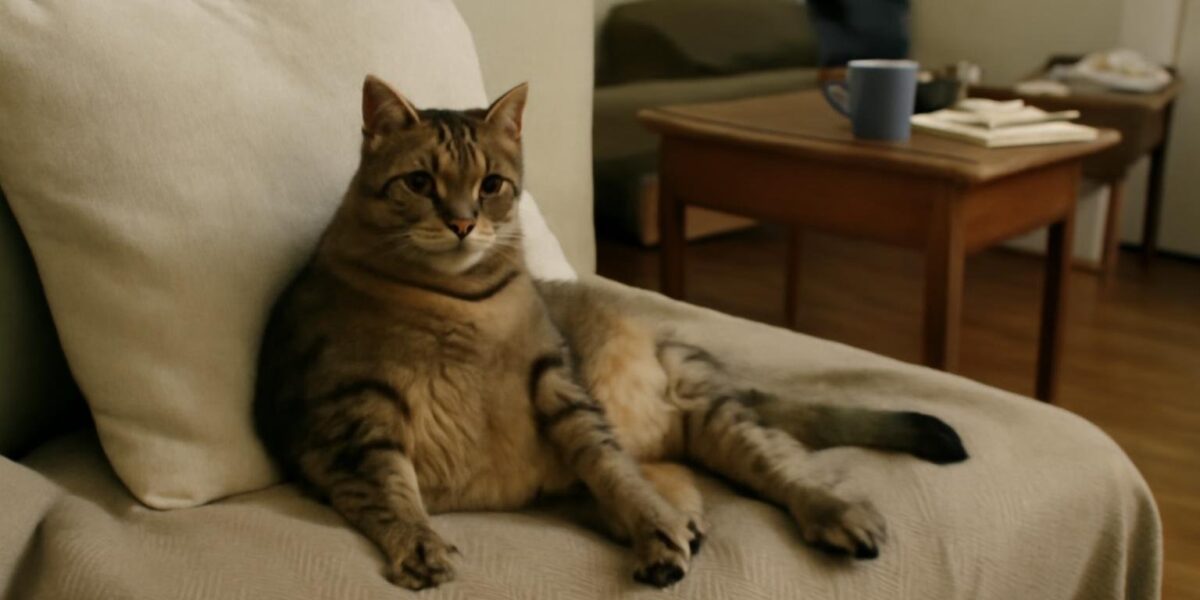
That soft, rumbly sound coming from your sleeping cat can be charming and a tiny bit worrying. If you have caught yourself asking, is it normal for my cat to snore, the reassuring answer is usually yes. Plenty of healthy cats snore, especially when they are deeply relaxed or curled into a cozy position.
In this article
Snoring happens when air moves past relaxed tissues in the nose or throat during sleep, creating that gentle vibrating sound. A fully relaxed cat in deep sleep is the most likely to snore, and that relaxation is a good sign she feels safe and comfortable.
Certain breeds and body types snore more than others, and a cat’s sleeping position can also bring it on. Still, snoring can occasionally point to a health issue, so it helps to know the difference between cute snoozing and a signal worth checking with your vet.
Why Cats Snore
Snoring comes from a partial blockage or relaxation of the airway during sleep. Several normal factors make it more likely:
- Sleeping position. A curled-up or chin-tucked position can fold the airway slightly and produce a soft snore.
- Breed and face shape. Flat-faced breeds like Persians and Himalayans have shorter nasal passages and snore more often.
- Deep relaxation. In the deepest sleep stages, throat tissues relax fully and may vibrate as your cat breathes.
- Weight. Extra weight around the neck and throat can narrow the airway and increase snoring.
- Age. Some older cats develop mild snoring as muscle tone changes.
If your cat snores only sometimes, in particular positions, and seems healthy and happy otherwise, this is almost always the harmless kind. For a fuller look at the causes, our guide on why your cat is snoring goes into more detail about both the everyday and the medical reasons behind it.
What Normal Snoring Looks Like
Normal snoring is soft, occasional, and tied to sleep. It comes and goes with your cat’s position and the depth of her sleep, and it disappears the moment she wakes up. Importantly, her breathing while awake is quiet, smooth, and effortless.
Signs the snoring is the harmless kind include:
- Soft, rhythmic snoring only while she is asleep
- Quiet, easy breathing when she is awake
- No nasal discharge, sneezing, or coughing
- Normal appetite, energy, and activity
- Snoring that changes or stops when she shifts position
Flat-faced breeds and relaxed sleepers may snore regularly, and that consistency on its own is not a concern as long as everything else looks healthy. The position she chooses matters too, so our guide to cat sleeping positions can help you connect the dots between her favorite poses and the rumbly sounds she makes.
When Snoring Is NOT Normal
Snoring crosses into concerning territory when it is new, loud, or comes with breathing changes or other symptoms. Contact your veterinarian if you notice:
- Sudden, loud, or worsening snoring in a cat who never snored before
- Labored, noisy, or open-mouth breathing while awake
- Nasal discharge, sneezing, congestion, or a runny eye
- Coughing, wheezing, or gagging
- Reduced appetite, lethargy, or weight loss
- Pawing at the face or signs of pain around the nose or mouth
These can signal respiratory infections, allergies, nasal polyps, dental disease, foreign objects in the nose, or other conditions that need treatment. Open-mouth or labored breathing while awake is always urgent in cats, so contact your vet immediately if you see it. New snoring paired with any of these symptoms deserves a prompt checkup rather than a wait-and-see approach.
Snoring vs. Other Nighttime Sounds
Cats make a surprising range of sounds while they sleep, and it helps to know which ones are harmless snoring and which deserve a second look. Mixing them up is easy, especially in the quiet of night when every little noise seems louder.
True snoring is a soft, rhythmic rumble that rises and falls with your cat’s breathing. It is steady and tied to sleep, and it stops when she shifts position or wakes up. This is the harmless kind that comes from relaxed airway tissues.
Other sleep sounds tell a different story. Wheezing, whistling, or a high-pitched sound on each breath can point to narrowed airways or congestion. Coughing or gagging during or after sleep is not snoring at all and should be checked. Chirps, squeaks, and soft meows during dreaming, on the other hand, are perfectly normal and often come with the twitching of a deep dream. Because cats sleep so much, you will hear plenty of these noises, and our guide on why cats sleep so much explains why your cat spends so many hours dozing and making little sounds.
If you are unsure whether a sound is benign snoring or something more, a short phone recording to share with your vet removes the guesswork. Pay special attention to whether your cat’s breathing is also noisy when she is awake, which is the clearest line between a cute snorer and a cat who needs a checkup.
How to Support Easy Breathing
For a healthy cat who simply snores, no treatment is needed. But a few habits keep her airways comfortable:
- Maintain a healthy weight. Keeping your cat trim reduces pressure on the airway and is one of the most effective ways to limit snoring.
- Keep her air clean. Dust, smoke, and strong fragrances can irritate the nasal passages. Good ventilation helps.
- Offer cozy, supportive bedding. A bed that lets her rest her head comfortably can reduce position-related snoring.
- Watch for changes. Note when the snoring started and whether it is getting louder, which helps your vet if a visit is needed.
- Keep up with checkups. Routine exams catch dental and respiratory issues early, especially in flat-faced breeds and seniors.
With a healthy weight and clean air, most snoring cats simply continue to be adorable, rumbly sleepers. If you ever feel unsure whether the sound is benign, recording a short clip to show your vet takes the guesswork out of the conversation.
Snoring in Flat-Faced Breeds
If you share your home with a Persian, Himalayan, Exotic Shorthair, or another flat-faced breed, snoring is especially likely to be part of the package. These breeds, known as brachycephalic, have a distinctive short, pushed-in face that affects how they breathe, and understanding this helps you tell normal from concerning.
Because their nasal passages and airways are shorter and more compressed than those of long-nosed cats, brachycephalic breeds naturally produce more snorting, snuffling, and snoring sounds, both awake and asleep. A Persian who snores softly every night may be completely healthy and simply built that way. For these cats, a baseline level of noisy breathing is their normal.
That said, flat-faced cats also deserve extra attention precisely because their airways have less margin. Watch for any worsening of their usual sounds, increased effort to breathe, open-mouth breathing, blue-tinged gums, or reluctance to exercise or play. These cats can also struggle more in hot, humid weather, so keeping them cool and at a healthy weight is especially important.
If you have a brachycephalic cat, it is worth asking your vet what level of snoring and snuffling is normal for her specifically. Knowing her individual baseline makes it much easier to recognize when a sound has changed in a way that warrants a checkup, versus when she is just being her adorably rumbly self.
Caring for a flat-faced cat also means being a little more proactive about weight and comfort. Even a small amount of extra weight has a bigger impact on a cat whose airway is already compressed, so keeping her trim genuinely helps her breathe easier. Provide cool, well-ventilated resting spots, avoid strenuous activity in heat, and keep her stress low, since anxious panting and a compromised airway are not a good combination. With these simple accommodations, most flat-faced cats live happy, comfortable lives, snoring softly all the while.
Frequently Asked Questions
Why does my cat suddenly snore when she never did before?
New snoring can come from weight gain or a temporary position, but it can also signal a respiratory infection, allergies, or nasal polyps. If it appears suddenly or comes with other symptoms, have your vet check her.
Do certain cat breeds snore more?
Yes. Flat-faced breeds like Persians and Himalayans have shorter nasal passages and naturally snore more often than long-nosed breeds. For them, mild snoring is usually normal.
Can being overweight make my cat snore?
Yes. Extra weight around the neck and throat narrows the airway and can increase snoring. Helping your cat reach a healthy weight often reduces it.
When should I worry about my cat snoring?
Worry if the snoring is sudden, loud, or worsening, or if it comes with labored breathing, nasal discharge, sneezing, coughing, or appetite changes. Labored or open-mouth breathing while awake is an emergency.
Is it normal for older cats to snore?
Some older cats develop mild snoring as muscle tone changes. As long as her waking breathing is normal and she is otherwise healthy, it is usually fine, but mention any new snoring at her next checkup.


