Last updated: April 27, 2026
In this article
Khao Manee Cat Breed Profile: Everything You Need to Know About Thailand’s “White Gem” Cat
The Khao Manee cat, whose name translates to “white gem” in Thai, is one of the rarest and most enchanting cat breeds in the world. With its pure white coat and mesmerizing eyes that can be blue, gold, or one of each in a stunning odd-eyed combination, the Khao Manee looks like a living jewel. But this breed is far more than a pretty face; it is an ancient, culturally significant cat with a vibrant personality, a playful spirit, and a deep capacity for bonding with its human family.
For centuries, the Khao Manee was a closely guarded treasure of the Thai royal court, believed to bring good fortune and prosperity to its owner. Today, this rare breed is slowly gaining recognition and admirers around the world. If you are intrigued by this extraordinary cat, this comprehensive guide will tell you everything you need to know about its history, temperament, care requirements, and what it is like to share your home with one of the feline world’s most precious gems.
History and Origins
The Khao Manee is one of the most ancient natural cat breeds, with a documented history stretching back hundreds of years in Thailand, formerly known as Siam. The breed is mentioned in the Tamra Maew, a collection of ancient Thai manuscripts about cats believed to date back to the 14th century. In these texts, the Khao Manee is described as an auspicious cat, and owning one was believed to bring wealth, health, and long life.
Unlike other Thai breeds such as the Siamese and the Korat, which were exported to the West in the 19th century, the Khao Manee was so treasured by Thai royalty that it was kept exclusively within Thailand for centuries. Legend holds that King Rama V of Siam was particularly devoted to the breed and maintained a royal breeding program to preserve the Khao Manee line. He reportedly instructed that the cats be protected at all costs during the Franco-Siamese conflict, viewing them as a national treasure on par with the crown jewels.
The first Khao Manee cats were not exported to the West until 1999, when American breeder Colleen Freymuth imported the first breeding pair from Thailand to the United States. Since then, small but dedicated breeding programs have been established in North America, Europe, and Australia. TICA accepted the Khao Manee for championship status in 2015, marking a milestone for the breed’s international recognition.
Despite growing international interest, the Khao Manee remains extremely rare outside of Thailand. Within Thailand, the breed continues to be revered as a symbol of good luck and cultural heritage, and efforts are underway to preserve the breed in its homeland as well.
Appearance and Physical Characteristics
The Khao Manee is a medium-sized cat with a muscular, athletic build that reflects its heritage as a naturally occurring breed shaped by the environment rather than by extreme selective breeding. Males typically weigh 8 to 11 pounds, while females weigh 6 to 8 pounds. The body is lithe and well-proportioned, with moderate bone structure and a slightly elongated shape that suggests agility and grace.
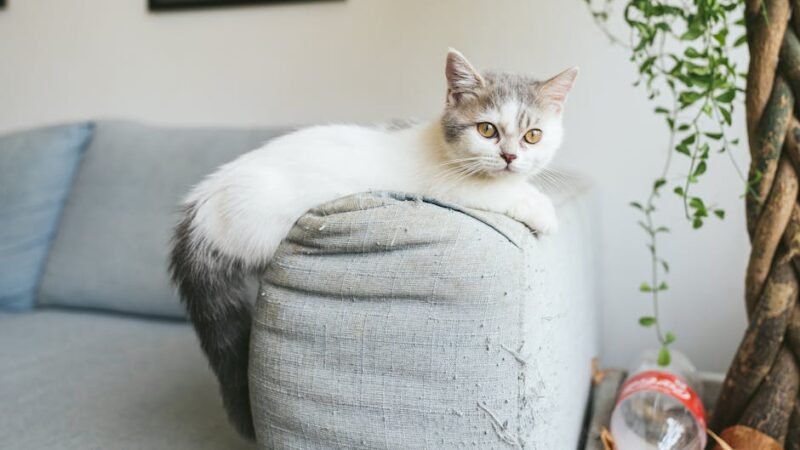
The coat is the breed’s most immediately recognizable feature: a short, smooth, close-lying coat of pure, brilliant white with no markings or color variations. The white coat should have a subtle sheen or glow quality, and the skin beneath should be a healthy pink, visible in the ears and on the nose leather. The coat is single-layered or has a minimal undercoat, making it low-maintenance and smooth to the touch.
But it is the eyes that truly set the Khao Manee apart. This breed is celebrated for its extraordinary eye colors, which can include brilliant blue, luminous gold or amber, and green. Most famously, the Khao Manee can have odd-colored eyes, known as heterochromia, with one blue eye and one gold or green eye. Odd-eyed Khao Manees are considered the most desirable and are particularly associated with good fortune in Thai culture. To learn more about feline eye variations, check out our guide on cat eye colors.
The head is wedge-shaped with high, prominent cheekbones and a moderate muzzle. The ears are medium to large, set high on the head, and slightly rounded at the tips. The overall facial expression is one of bright alertness and curiosity, enhanced by the jewel-like eyes that seem to glow with an inner light. The breed shares some visual similarities with the Turkish Angora, another elegant white cat breed, though the two are genetically distinct.
Temperament and Personality
The Khao Manee’s personality is as vibrant and captivating as its appearance. These cats are extroverted, confident, and deeply social, with a playful energy that persists well into adulthood. They are the kind of cats that greet you at the door, follow you from room to room, and insert themselves into whatever activity you are engaged in, whether that is cooking dinner, working at your desk, or relaxing on the couch.
Khao Manees are vocal cats, though their voices tend to be softer and more melodic than the Siamese’s famous yowl. They communicate with a variety of chirps, trills, and meows, and they are not shy about expressing their opinions on everything from mealtime to the temperature of the room. Owners often describe having full “conversations” with their Khao Manees, which adds a delightful dimension to the human-cat bond.
Intelligence is another hallmark of the breed. Khao Manees are quick learners who enjoy puzzle toys, interactive games, and training sessions. They can be taught tricks such as fetch, sit, and high-five, and they generally excel at any activity that engages their curious minds. Their intelligence, combined with their social nature, means they need regular mental stimulation to prevent boredom and the mischief that comes with it.
These cats are typically excellent with children and get along well with other cats and cat-friendly dogs. Their confident, adaptable nature makes them good candidates for multi-pet households and for families with active children who enjoy playing with their pets. The Khao Manee’s sociability means it does not do well in isolation; a companion cat or regular human interaction throughout the day is important for this breed’s well-being. For more family-friendly breeds, see our guide to the best cats for families.
Exercise and Enrichment
The Khao Manee is a moderately active breed that needs regular play sessions and environmental enrichment to stay happy and healthy. While not as hyperactive as some breeds, the Khao Manee has enough energy and curiosity to require thoughtful engagement from its owner.
Interactive play sessions are the cornerstone of Khao Manee enrichment. Feather wands, fishing rod toys, and small balls or mice that mimic prey behavior engage the cat’s natural hunting instincts and provide both physical exercise and mental stimulation. Two to three play sessions of 10 to 15 minutes each day is a good baseline, though some individuals may want more.
Cat trees and climbing structures are important for providing vertical territory, which cats instinctively enjoy. A tall cat tree near a window gives the Khao Manee a vantage point for bird-watching and surveying its domain. Wall-mounted climbing shelves and perches can turn any room into an enriching environment for an active cat.
Puzzle feeders and treat-dispensing toys add mental challenge to mealtimes and can help prevent the overeating that leads to obesity. Rotating toys regularly keeps the environment fresh and interesting, as cats can become bored with familiar toys over time.
The Khao Manee’s intelligence and trainability make it an excellent candidate for clicker training. Teaching tricks and commands provides mental stimulation, strengthens the bond between cat and owner, and gives the Khao Manee a constructive outlet for its energy and curiosity. Leash training is another option for owners who want to give their cats supervised outdoor access, and many Khao Manees take to a harness readily when started young.
Health and Lifespan
The Khao Manee is generally a healthy breed with a lifespan of 10 to 12 years, though many individuals live well beyond that with proper care. As a naturally occurring breed with a relatively diverse gene pool, the Khao Manee has avoided many of the health problems associated with heavily selectively bred cats.
The most significant health consideration in the Khao Manee is congenital deafness, which is associated with the gene responsible for the breed’s white coat. White cats with blue eyes are at the highest risk, and odd-eyed white cats may be deaf in the ear on the same side as the blue eye. Not all white cats are deaf, and responsible breeders test their kittens’ hearing through BAER (Brainstem Auditory Evoked Response) testing to identify affected individuals.
Deaf cats can live full, happy lives with appropriate accommodations. Indoor living is essential for deaf cats, as they cannot hear approaching dangers like cars or predators. Using visual cues and vibrations rather than verbal commands for training, and being careful not to startle the cat from behind, are simple adjustments that make a significant difference.
Other health considerations include the general susceptibility to sunburn that affects white-coated cats, particularly on the ears, nose, and any areas with thin fur. Limiting direct sun exposure and using pet-safe sunscreen on vulnerable areas helps reduce the risk of sun damage and skin cancer.
Like all cats, Khao Manees benefit from regular veterinary checkups, vaccinations appropriate for their lifestyle, a high-quality diet, dental care, and parasite prevention. Maintaining a healthy weight through portion control and regular play is important for long-term health and longevity.
Grooming Requirements
The Khao Manee’s short, smooth coat is one of the easiest to maintain among all cat breeds. Weekly brushing with a soft bristle brush or rubber grooming mitt removes loose hair, stimulates circulation, and keeps the coat looking sleek and shiny. The breed sheds minimally, making it a relatively tidy housemate compared to long-haired breeds.
Despite the white coat, the Khao Manee does not require frequent bathing. The coat tends to stay clean naturally, and most cats keep themselves meticulously groomed. Occasional baths may be needed if the cat gets dirty, but bathing every few months is typically sufficient. When bathing, use a gentle, cat-specific shampoo that will not irritate the skin or dull the coat’s natural brilliance.
One grooming consideration unique to white cats is tear staining. Some Khao Manees may develop reddish-brown stains beneath the eyes from normal tearing. Wiping the area daily with a damp cloth or pet-safe facial wipe helps minimize staining and keeps the face clean and bright.
Regular ear cleaning is important, as the Khao Manee’s relatively large ears can accumulate wax and debris. Weekly checks and gentle cleaning with a veterinarian-approved ear cleaner help prevent infections. Nail trimming every two to three weeks and regular dental care, including brushing with cat-safe toothpaste, complete the grooming routine.
Who Is the Khao Manee Best For?
The Khao Manee is an outstanding companion for individuals and families who want an active, social, and interactive cat with a truly unique appearance. This breed thrives with owners who can provide regular attention, play, and companionship throughout the day.
Active families with children will enjoy the Khao Manee’s playful, confident, and sociable nature. These cats are sturdy enough for gentle play with kids and outgoing enough to become true family members rather than aloof observers. Their patient and adaptable temperament makes them forgiving of the minor disruptions that come with family life.
Singles and couples who spend significant time at home and want a deeply bonded, interactive companion will find the Khao Manee to be endlessly entertaining and affectionate. Their intelligence and trainability provide opportunities for engagement that go beyond what many cat breeds offer.
Multi-pet households can work well for Khao Manees, as they generally get along with other cats and with cat-friendly dogs. A companion cat can provide social interaction and play when the owner is away, which is beneficial for this social breed.
The Khao Manee is not ideal for owners who are away from home for long hours without providing a companion animal, as these social cats can become lonely and stressed when isolated. It is also important to understand the possibility of deafness in the breed and be prepared to make accommodations if your cat is affected. With the right household, the Khao Manee is a gem in every sense, one that will brighten your home with its beauty, personality, and devotion.
Frequently Asked Questions About the Khao Manee Cat
Are all Khao Manee cats deaf?
No, not all Khao Manee cats are deaf. While the white coat gene is associated with a higher risk of congenital deafness, many Khao Manees have perfectly normal hearing. Blue-eyed white cats are at the highest risk, and odd-eyed cats may be deaf on the side of the blue eye. Responsible breeders use BAER testing to identify deaf kittens and disclose hearing status to buyers. Even deaf Khao Manees can live wonderful, full lives with appropriate care and accommodations.
How rare is the Khao Manee breed?
The Khao Manee is one of the rarest cat breeds in the world, particularly outside of Thailand. The breed was not exported from Thailand until 1999, and breeding programs outside the country remain small. Finding a Khao Manee breeder may require patience and willingness to travel or be placed on a waiting list. Prices for Khao Manee kittens typically range from $1,500 to $5,000 or more, reflecting the breed’s rarity and the limited number of breeders.
Do Khao Manee cats get along with dogs?
Khao Manee cats generally get along well with cat-friendly dogs, especially when introductions are made gradually and both animals have their own spaces and resources. The breed’s confident, sociable nature helps it adapt to living with dogs, and many Khao Manees form close bonds with their canine housemates. As always, the individual temperaments of both the cat and the dog should be considered, and initial interactions should be supervised.
Are Khao Manee cats vocal?
Khao Manee cats are moderately vocal, using a range of chirps, trills, and meows to communicate with their owners. They are not as loud or persistent as Siamese cats, but they are more communicative than many other breeds. Most owners find the Khao Manee’s vocalizations charming and enjoy the interactive “conversations” that develop between cat and human. If you prefer a very quiet cat, the Khao Manee’s vocal tendencies are worth considering.
Looking to adopt a Khao Manee Cat Breed Profile?
Browse Khao Manee Cat Breed Profile cats and mixes available for adoption from shelters and rescues near you.
Find Khao Manee Cat Breed Profile Cats for Adoption