Last updated: April 27, 2026
In this article
Most Independent Cat Breeds: Self-Sufficient Felines for Every Lifestyle
Not every cat is a velcro companion that follows you from room to room demanding attention. Some cats are perfectly content with their own company, happy to entertain themselves, and unbothered by their owner’s work schedule. If you love cats but have a busy lifestyle, travel occasionally, or simply prefer a pet that respects your personal space, an independent cat breed might be the perfect match.
Independent does not mean aloof or unloving. These cats still form strong bonds with their humans. They simply express their affection on their own terms and do not require constant interaction to feel content. In this guide, we will explore the most independent cat breeds, what makes them self-sufficient, and how to provide the right environment for a cat that thrives on autonomy.
What Makes a Cat Breed Independent?
Independence in cats is shaped by a combination of genetics, breed history, and individual personality. Understanding what drives independent behavior will help you appreciate and accommodate your cat’s needs rather than misinterpreting their self-sufficiency as indifference.
Breed history matters. Breeds that developed from working cats, barn cats, or semi-feral populations tend to retain a strong independent streak. These cats were valued for their ability to hunt, patrol, and survive with minimal human intervention, and those traits have been passed down through generations.
Territorial confidence. Independent cats tend to be highly territorial and confident in their environment. They do not need constant reassurance from their owners because they feel secure in their space. This confidence means they are less likely to suffer from separation anxiety and more likely to handle changes in routine without significant stress.
Self-entertainment skills. Independent breeds are typically good at keeping themselves occupied. They may spend hours watching birds through a window, exploring their territory, playing with toys on their own, or simply napping in a sunny spot. They do not rely on their humans to provide entertainment throughout the day.
Selective affection. Independent cats are often affectionate, but they choose when and how to show it. They may come to you for a brief cuddle session, sit near you while you work, or greet you when you come home, but they will also walk away when they have had enough. This boundary-setting is a sign of healthy confidence, not a lack of love.
Top Independent Cat Breeds
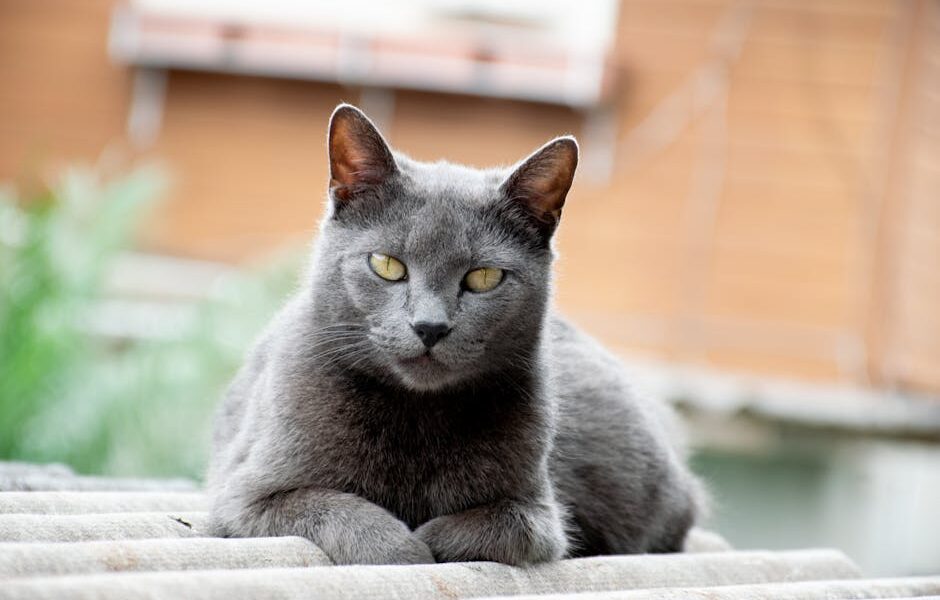
Russian Blue. The Russian Blue is the quintessential independent cat. Gentle, reserved, and quietly affectionate, this breed forms deep bonds with their chosen person but does not demand constant attention. Russian Blues are content to spend time alone, are not prone to separation anxiety, and tend to be calm and well-behaved even without supervision. They are intelligent cats that can entertain themselves with toys and environmental exploration. Their plush blue-gray coat and striking green eyes make them as beautiful as they are self-sufficient.
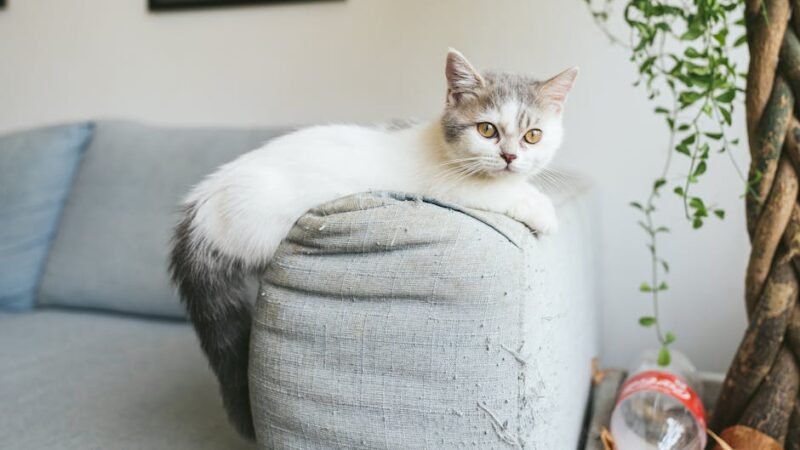
British Shorthair. Often described as the teddy bear of the cat world, the British Shorthair is easygoing, calm, and not overly demanding. They enjoy being near their humans but do not insist on being held or constantly petted. They are happy to sit in the same room as you without needing interaction, making them excellent companions for people who work from home. Their stocky build and dense coat give them a dignified, composed appearance that perfectly matches their personality.
Norwegian Forest Cat. This large, sturdy breed developed in the harsh Scandinavian climate and retains the independence and resilience of their ancestors. Norwegian Forest Cats are friendly and social when they want to be, but they are equally comfortable spending time alone. They are excellent climbers and explorers who can entertain themselves for hours in a well-enriched environment. Despite their wild appearance, they are gentle and patient, making them suitable for families as well as single owners.
Scottish Fold. Scottish Folds are known for their distinctive folded ears and their calm, undemanding temperament. They are adaptable cats that handle changes in routine well and do not become anxious when left alone for reasonable periods. They enjoy affection but do not crave it constantly, striking a balance between companionship and independence that many owners find ideal.
Maine Coon. Despite being one of the most sociable cat breeds, Maine Coons have a strong independent streak that comes from their working-cat heritage. They are often called “dog-like” for their loyalty and responsiveness, but they are also confident enough to spend time alone without becoming distressed. Their large size, tufted ears, and bushy tails give them a majestic presence, and their playful, gentle nature makes them a joy to live with.
American Shorthair. This classic breed was developed from working cats that arrived in North America with early settlers. Generations of barn and ship cat heritage have given the American Shorthair a practical, self-reliant temperament. They are friendly without being clingy, adaptable to various living situations, and excellent at entertaining themselves. Their robust health and easy-care coat make them one of the most low-maintenance breeds available.
Chartreux. The Chartreux is a French breed known for its quiet, observant nature and beautiful blue-gray coat. These cats are affectionate but not demanding, preferring to follow their owners around at a distance rather than insisting on lap time. They are intelligent, playful, and perfectly capable of amusing themselves. Their quiet voice and calm demeanor make them ideal for apartment living.
Bengal. Bengals may seem like an unusual choice for an independence list, given their high energy and intelligence. However, Bengals are remarkably self-sufficient in their entertainment when provided with adequate enrichment. They are athletic, curious cats that will climb, explore, play with water, and invent games on their own. Their independence is expressed through confident exploration rather than quiet solitude. Bengals need stimulation, but they do not necessarily need it to come from you.
Caring for an Independent Cat
Independent cats may not demand as much hands-on attention as their more social counterparts, but they still have needs that must be met for them to thrive. Understanding those needs ensures your independent cat remains healthy, happy, and well-adjusted.
Environmental enrichment is essential. Because independent cats spend more time entertaining themselves, the quality of their environment matters enormously. Cat trees, window perches with bird-watching views, puzzle feeders, interactive toys, tunnels, and scratching surfaces all contribute to a stimulating environment. Rotate toys regularly to maintain interest, and consider adding new elements to your cat’s space periodically to keep things fresh.
Respect their boundaries. One of the best things you can do for an independent cat is respect their need for personal space. Do not force cuddling, do not interrupt their naps, and do not chase them around the house for attention. When you respect a cat’s boundaries, they are more likely to seek you out on their own terms, and those voluntary moments of affection are all the more meaningful.
Provide consistent routine. Independent cats still appreciate predictability. Feed them at the same times each day, keep the litter box in a consistent location, and maintain a stable home environment. Changes in routine or living situations can be stressful for any cat, even the most independent ones.
Do not mistake independence for disinterest. An independent cat that suddenly becomes withdrawn, stops eating, hides excessively, or shows other changes in behavior may be ill or stressed. Know your cat’s normal patterns well enough to recognize when something has changed, and consult your veterinarian if you notice concerning shifts in behavior.
If you live in an apartment and are considering an independent breed, our guide to the best cats for apartments highlights breeds that are well-suited to smaller living spaces.
Independent Cats and Indoor Living
Most independent cat breeds do very well as indoor-only cats, provided their environment is adequately enriched. In fact, keeping an independent cat indoors eliminates many risks associated with outdoor access, including traffic, predators, disease, and territorial disputes with other animals.
The key to successful indoor living with an independent cat is creating an environment that satisfies their natural instincts. This means vertical space for climbing, hiding spots for security, hunting simulations through interactive toys and puzzle feeders, and visual stimulation from windows or even cat-specific video content.
Some independent breeds, particularly those with strong hunting instincts like the Norwegian Forest Cat and the Bengal, benefit from enclosed outdoor spaces such as catios or secure balcony enclosures. These allow the cat to experience the outdoors safely while maintaining the independence and territorial confidence that is central to their temperament.
Our guide to the best indoor cats provides additional recommendations for breeds that are particularly well-suited to an exclusively indoor lifestyle.
Is an Independent Cat Right for You?
Independent cats are a wonderful fit for many lifestyles, but they are not for everyone. Honestly assessing your expectations will help you determine whether an independent breed is the right match.
An independent cat may be right for you if: You work long hours and need a pet that can handle alone time without distress. You enjoy a cat’s company but do not need constant physical affection. You prefer a calm, peaceful home environment. You appreciate a pet that has its own personality and preferences. You are a first-time cat owner looking for a lower-maintenance introduction to cat ownership.
An independent cat may not be right for you if: You want a cat that will sit on your lap for hours and follow you everywhere. You are looking for a highly interactive pet that engages with you throughout the day. You have young children who expect a cuddly, tolerant playmate. You want a cat that greets guests enthusiastically and enjoys being handled by strangers.
If you are new to cat ownership and trying to find the breed that best matches your lifestyle, our first-time cat owner guide covers everything from breed selection to daily care fundamentals.
Frequently Asked Questions
Do independent cats get lonely when left alone all day?
Most independent cat breeds handle alone time well and do not experience the separation anxiety that some more social breeds are prone to. However, no cat should be left completely alone for extended periods without adequate food, water, clean litter, and environmental enrichment. If you regularly work long hours, consider providing puzzle feeders, automated toys, and multiple water stations to keep your cat engaged and comfortable. If you are away for more than 24 hours, arrange for someone to check on your cat.
Are independent cats less affectionate than other breeds?
Independent cats are not less affectionate. They simply express their affection differently. Instead of demanding constant attention, they may show love by sitting near you, slow-blinking, greeting you at the door, or bringing you their favorite toy. The affection of an independent cat often feels more meaningful precisely because it is given freely rather than demanded. Many owners of independent breeds report that the bond they share with their cat is deep and satisfying, even if it is not as outwardly demonstrative as relationships with more social breeds.
Can two independent cats live together happily?
Yes, two independent cats can live together successfully, especially if they are introduced gradually and each cat has their own resources, including separate food bowls, water stations, litter boxes, and resting areas. Independent cats generally appreciate having their own territory within the home, so providing enough space for each cat to have their own area is important. Some independent cats may not become cuddling companions, but they can coexist peacefully and even develop a respectful friendship over time. Introducing cats of compatible energy levels and temperaments increases the chances of a harmonious pairing.
Looking to adopt a Most Independent Cat Breeds?
Browse Most Independent Cat Breeds cats and mixes available for adoption from shelters and rescues near you.
Find Most Independent Cat Breeds Cats for Adoption