Last updated: April 11, 2026
In this article
Pit Bull vs Staffordshire Bull Terrier: Which Dog Is Right for You?
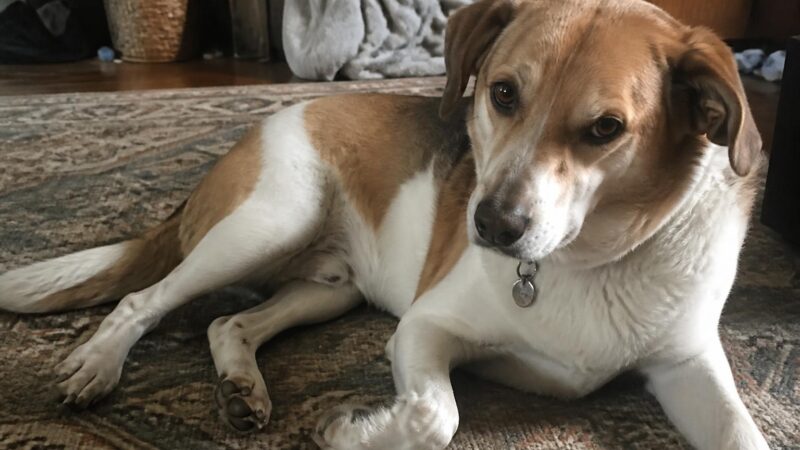
The pit bull vs Staffordshire Bull Terrier question comes up often among people who have fallen for the broad-headed, athletic, people-oriented dog type and want to understand exactly what they are looking at. Both breeds trace their roots to the same 19th-century British working dogs. Both carry undeserved stigma. Both are deeply loyal and human-focused in ways that surprise people who have only heard the headlines. But they are not the same dog, and the differences matter — particularly in size, legal standing, and how each fits different living situations. This guide gives you an honest, detailed comparison so you can make an informed decision. When you are ready to find a dog, visit our adoption page to see who is waiting for a home, or explore more guides on our dog care blog.
At a Glance Comparison Table
| Characteristic | Pit Bull (APBT / AmStaff) | Staffordshire Bull Terrier |
|---|---|---|
| Weight | 30 – 85 lbs (varies by type) | 24 – 38 lbs |
| Height | 17 – 21 inches | 14 – 16 inches |
| Lifespan | 12 – 16 years | 12 – 14 years |
| Energy Level | High | High |
| Good With Kids | Yes, with supervision | Yes, renowned for it |
| Good With Other Dogs | Varies by individual | Varies by individual |
| Grooming Needs | Low | Low |
| Trainability | High (food-motivated, eager) | High (smart, but can be stubborn) |
| Apartment Friendly | Possible with sufficient exercise | Yes, with daily exercise |
| Subject to BSL | Frequently | Frequently (UK banned) |
| AKC Recognition | American Staffordshire Terrier: Yes. APBT: No. | Yes |
Size and Appearance
When comparing the pit bull vs Staffordshire Bull Terrier side by side, size is the most immediately striking difference. The Staffordshire Bull Terrier — commonly called the Staffy — is a compact, muscular dog that typically weighs between 24 and 38 pounds and stands 14 to 16 inches at the shoulder. What it lacks in height it makes up for in solidity: the Staffy is built low and wide, with a broad chest, powerful forequarters, and a dense, well-muscled frame that feels heavier than the dog actually is.
The pit bull, used here as an umbrella term for the American Pit Bull Terrier and the American Staffordshire Terrier, is noticeably larger. Weight ranges from around 30 pounds at the lighter end to 85 pounds or more in the heaviest American Staffordshire Terriers, and height ranges from 17 to 21 inches. Both breeds share a blocky head, wide muzzle, strong jaw, and short smooth coat that comes in an enormous range of colors and patterns. The Staffy’s head is proportionally very large for its body size, which gives it a distinctive look that many owners find particularly endearing. For prospective adopters, the Staffy’s smaller frame often makes it more manageable in smaller living spaces, while the pit bull’s larger size suits households that want a more substantial dog.
Personality and Temperament
Both dogs in the pit bull vs Staffordshire Bull Terrier comparison share a personality type that surprises people who come to these breeds carrying assumptions: they are intensely people-focused, affectionate to the point of being physically demonstrative, playful well into adulthood, and strongly motivated to be close to the humans they love. Neither breed is well-suited to outdoor or kennel life. Both thrive when they are treated as genuine family members with access to people throughout the day.
Where the two diverge is in degree. The Staffordshire Bull Terrier has historically been nicknamed the “nanny dog” in the United Kingdom, and the description is grounded in reality: Staffies have a well-documented reputation for patience, tolerance, and genuine gentleness with children. They are also somewhat easier to redirect than some pit bull types and tend to be highly responsive to positive training methods despite an occasional streak of terrier stubbornness. The American Pit Bull Terrier and American Staffordshire Terrier share the same warmth and loyalty but can carry a stronger drive and more physical intensity, particularly in adolescence. Both breeds can display selectivity toward other dogs — a trait rooted in their shared terrier heritage — and this varies considerably between individuals regardless of type. Early socialization is essential for both.
Exercise Needs
Both the pit bull and the Staffordshire Bull Terrier are high-energy breeds that require daily vigorous exercise. The Staffy needs at least 45 to 60 minutes of active exercise per day — brisk walks, fetch sessions, off-leash play in a secure yard, or structured games that combine movement with mental engagement. Despite its small size, the Staffy is not a low-energy dog and will make its dissatisfaction with under-exercise known through destructive behavior and restlessness.
The pit bull’s larger size and often higher drive mean that 60 to 90 minutes of vigorous daily activity is the more appropriate target. Both breeds excel in dog sports including agility and dock diving, which provide the combination of physical and mental stimulation that keeps these intelligent, athletic dogs balanced. Neither breed handles being sedentary well, and both reward consistent daily activity with calm, easy behavior indoors. For tailored exercise guidance, visit our dog care blog.
Health
Both breeds are generally robust dogs with long lifespans when well cared for, but each carries a distinct set of health considerations that prospective owners should understand before committing. In the pit bull vs Staffordshire Bull Terrier comparison, the health profiles overlap in some areas and diverge significantly in others.
The Staffordshire Bull Terrier is predisposed to a serious hereditary eye condition called hereditary cataract (HC-HSF4), which can lead to blindness if untreated. Responsible breeders screen for this condition and should provide documentation of clear results. L-2-hydroxyglutaric aciduria (L2-HGA), a metabolic disorder affecting the nervous system, is another condition specific to the Staffy. Hip dysplasia and skin allergies also occur in the breed. Staffies can be prone to overheating given their muscular, compact build, particularly during vigorous exercise in warm weather.
Pit bulls share the predisposition to hip dysplasia and skin allergies, which are among the most commonly reported issues across both breeds. Heart conditions, including aortic stenosis, appear with enough frequency in pit bull types to warrant cardiac screening at annual wellness visits. Both breeds benefit from weight management — their compact, muscular builds can mask excess weight, and obesity accelerates joint wear significantly. Pet insurance is a wise investment for either breed, and finding a veterinarian with genuine familiarity with the type makes meaningful difference in the quality of preventive care.
Legal Considerations
This is one of the most practically significant sections in any pit bull vs Staffordshire Bull Terrier comparison, and it requires honest attention. Both breeds are subject to breed-specific legislation (BSL) in various jurisdictions, though the specifics differ by location.
In the United Kingdom, the Staffordshire Bull Terrier is not banned — but it is frequently misidentified as a Pit Bull Terrier type, which is one of four breeds prohibited under the Dangerous Dogs Act 1991. Dogs misidentified as banned types can be seized and destroyed even if they are registered Staffies, making accurate breed documentation critically important for UK owners. In the United States, BSL targeting pit bull types exists in dozens of cities and counties, and these laws commonly sweep in Staffordshire Bull Terriers under the broad “pit bull” label. Before adopting either breed, verify local ordinances, county regulations, and the terms of any rental agreement or homeowner’s insurance policy. Major veterinary and animal welfare organizations — including the American Veterinary Medical Association and the Humane Society of the United States — oppose BSL on the grounds that it is ineffective and places an unjust burden on responsible owners and their dogs.
Which Is Right for You?
Choosing between a pit bull and a Staffordshire Bull Terrier comes down to matching the dog’s realistic needs and characteristics to your actual lifestyle. If you live in a smaller space and want a powerful, affectionate terrier-type dog in a more manageable size, the Staffy is likely the stronger fit. It is a compact, adaptable dog that does well in apartments provided it gets sufficient daily exercise, and its reputation with children is outstanding.
If you want a larger, more physically substantial dog and your lifestyle supports an hour or more of vigorous daily activity, the American Pit Bull Terrier or American Staffordshire Terrier may suit you better. Both types reward owners who commit to consistent training, early socialization, and genuine engagement. In either case, adoption is a meaningful option — both the pit bull and the Staffordshire Bull Terrier are common in rescue organizations, and dogs of both types wait too long for homes they fully deserve. Browse dogs currently available through our adoption page to find your match.
Frequently Asked Questions
Is a Staffordshire Bull Terrier the same as a pit bull?
No. The Staffordshire Bull Terrier is a distinct, recognized breed with its own breed standard, while “pit bull” is an informal umbrella term applied to several related breeds — most commonly the American Pit Bull Terrier and the American Staffordshire Terrier — and to a broad category of mixed-breed dogs that share certain physical traits. All three breeds share common 19th-century ancestors and many personality traits, but they are not the same dog. The Staffordshire Bull Terrier is considerably smaller than the American types and is recognized as a distinct breed by the American Kennel Club and the Kennel Club in the UK. The confusion between them has real legal consequences in jurisdictions where breed-specific legislation is in force.
Which breed is better with children, the pit bull or the Staffordshire Bull Terrier?
Both breeds have strong track records with children when properly raised and socialized, but the Staffordshire Bull Terrier’s reputation in this area is particularly well established. The breed earned its “nanny dog” nickname in Britain over many decades of documented family life, and Staffies consistently demonstrate patience and tolerance with children that owners describe as remarkable for a high-energy terrier type. Pit bull types are also typically excellent with children, though their larger size means physical management during enthusiastic play is more important. In both cases, adult supervision during interactions with very young children is essential regardless of the individual dog’s temperament.
Are both breeds banned under breed-specific legislation?
Both breeds face legal risk under breed-specific legislation in various jurisdictions, though the legal specifics differ. In the UK, the Staffordshire Bull Terrier is not banned, but it is frequently misidentified as a Pit Bull Terrier type, which is prohibited under the Dangerous Dogs Act 1991. In the United States, BSL targeting “pit bull types” often sweeps in Staffordshire Bull Terriers under the broad label, even though Staffies are a distinct recognized breed. Before adopting either dog, research the laws in your specific city, county, and state. If you rent, review your lease, and check with your insurance provider. The legal landscape varies significantly by location, and the consequences of being caught unprepared are serious for both the owner and the dog.
Can a first-time dog owner handle a pit bull or Staffordshire Bull Terrier?
Yes, with preparation and commitment. Both breeds are highly trainable and respond exceptionally well to consistent positive reinforcement. A first-time owner who researches the breed honestly, enrolls in a reward-based obedience class, commits to daily vigorous exercise, and prioritizes early socialization can absolutely build a successful life with either dog. The Staffordshire Bull Terrier’s slightly smaller size and somewhat calmer intensity may make it a gentler starting point for some first-time owners, but individual personality matters more than type. Many pit bull types in rescue have already had some training and can be a wonderful first dog in the right household. Speak with the rescue organization about your experience level — they will help match you to an appropriate dog.
Looking to adopt a Pit Bull vs Staffordshire Bull Terrier?
Browse Pit Bull vs Staffordshire Bull Terrier dogs and mixes available for adoption from shelters and rescues near you.
Find Pit Bull vs Staffordshire Bull Terrier Dogs for Adoption