
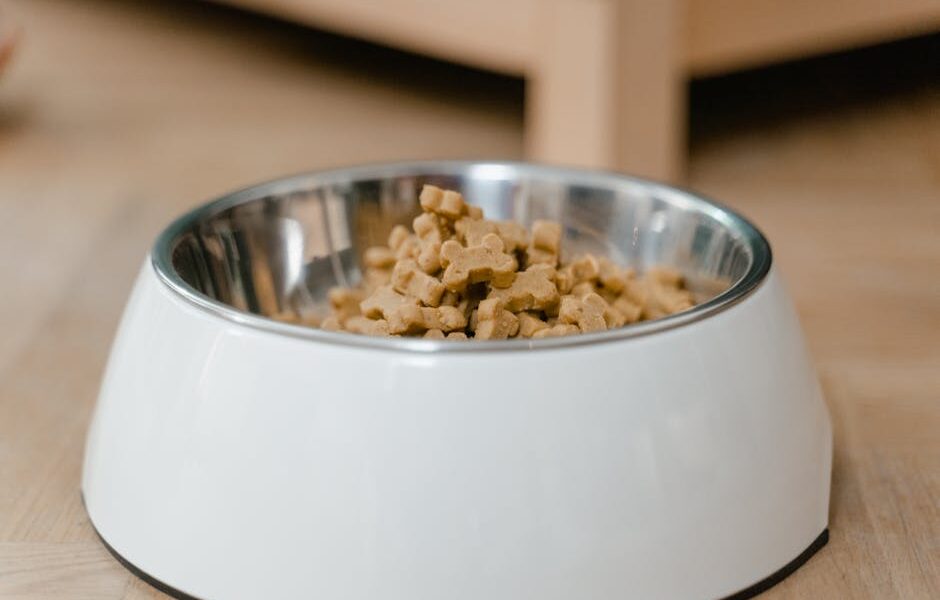
When Liver Disease Calls for a Therapeutic Diet
The liver is a remarkable organ that can compensate for substantial damage before clinical signs appear. By the time bloodwork or imaging confirms hepatic disease, the diet your pet eats becomes a central piece of management. A prescription hepatic liver diet is engineered to support a struggling liver: less copper to prevent further injury in copper-storage disease, moderate protein of high biological value to limit ammonia generation, generous carbohydrates as the easier energy source, and added antioxidants and B-vitamins to help the liver regenerate.
In this article
- When Liver Disease Calls for a Therapeutic Diet
- Copper Restriction — The Defining Feature for Some Breeds
- Why Protein Is Moderate — Not Drastically Restricted
- The Other Therapeutic Features of a Hepatic Diet
- Major Brands of Prescription Hepatic Diets
- Hepatic Lipidosis — The Feline Special Case
- Portosystemic Shunt — A Diet-First Diagnosis
- GI Overlap — When Hepatic and Gastrointestinal Disease Coexist
- Transitioning to a Hepatic Diet
- What to Monitor on a Long-Term Hepatic Diet
- What Else Goes Alongside the Diet
- Frequently Asked Questions
This article walks through what makes a hepatic diet different from maintenance food, when each indication applies, and which brands you will see at the veterinary clinic. As always, the underlying diagnosis — and the specific diet choice — comes from your veterinarian, often in consultation with an internal medicine specialist (ACVIM-Small Animal Internal Medicine).
If your pet has just been diagnosed, our overview articles on canine liver disease and feline liver disease explain the underlying conditions in more detail.
Copper Restriction — The Defining Feature for Some Breeds
Copper-associated hepatopathy is a meaningful cause of chronic liver disease in dogs. Some breeds carry genetic predisposition to copper accumulation in the liver, where it drives oxidative injury, inflammation, and progressive scarring. Predisposed breeds include:
- Bedlington Terrier — historically the highest copper accumulation rates.
- Doberman Pinscher.
- Labrador Retriever — increasingly recognized.
- Skye Terrier.
- West Highland White Terrier.
- Dalmatian and Cocker Spaniel — emerging recognition.
For these dogs, a prescription hepatic liver diet provides controlled, low copper intake (often below 5 mg/kg dry matter) while still meeting other essential mineral requirements. Pair the diet with chelating therapy (D-penicillamine or trientine, vet-directed) when copper concentrations are significantly elevated on liver biopsy. Zinc supplementation can also reduce intestinal copper absorption when prescribed by your vet.
Not every liver disease is copper-driven. Your vet’s diagnostic workup — bloodwork, bile acids, imaging, and often biopsy — guides whether copper restriction is the priority or whether the diet is doing other work.
Why Protein Is Moderate — Not Drastically Restricted
An older approach to liver disease was to restrict protein aggressively. Current consensus is more nuanced. Moderate-to-normal protein of high biological value (egg, dairy, soy isolates, hydrolyzed proteins) supports liver regeneration and prevents muscle wasting. Protein should be reduced further only when hepatic encephalopathy (HE) is present or imminent — a complication where the liver cannot clear ammonia and other neurotoxic byproducts of protein digestion, causing neurologic signs ranging from circling and disorientation to seizures and coma.
For pets with HE, a hepatic diet pairs lower protein quantity (still adequate to prevent catabolism) with high-quality digestible sources to minimize ammonia production. Lactulose is typically added by your vet to trap ammonia in the gut, and sometimes a non-absorbable antibiotic such as metronidazole or rifaximin is used short-term.
Cats with hepatic disease, including hepatic lipidosis, generally need MORE protein than dogs in liver failure, not less. Cats are obligate carnivores, and forcing a low-protein diet on a lipidotic cat accelerates the very catabolic state driving the disease. Feline hepatic management is more nutrition-by-feeding-tube than restriction.
The Other Therapeutic Features of a Hepatic Diet
Beyond copper and protein, prescription hepatic diets typically include:
- Generous carbohydrate — easily digestible carbs (white rice, oats, simple starches) provide energy that bypasses the urea cycle and reduces ammonia load.
- Moderate fat — enough for calorie density without overwhelming biliary handling; medium-chain triglycerides (MCTs) are easier to absorb in cholestatic disease.
- Added antioxidants — vitamin E, vitamin C, taurine, and SAM-e support the liver’s regenerative work; some hepatic diets are enriched with milk thistle compounds.
- Added B-vitamins — particularly thiamine and B12; chronic liver disease often impairs B-vitamin status.
- Zinc supplementation — competes with copper absorption and supports liver enzyme function.
- Low sodium — important for pets with ascites (fluid accumulation in the abdomen, common in advanced disease or portosystemic shunt).
Major Brands of Prescription Hepatic Diets
The therapeutic hepatic diet market is smaller than the kidney or weight-loss space, but several solid options exist:
- Hill’s Prescription Diet l/d Liver Care — established hepatic formulation, controlled copper, moderate protein of high biological value.
- Royal Canin Veterinary Diet Hepatic — formulated for dogs and cats with chronic hepatic insufficiency; emphasizes vegetable protein sources to minimize ammonia load.
- Purina Pro Plan Veterinary Diets HP Hepatic — selectively available; check current product availability with your vet.
- Purina Pro Plan Veterinary Diets EN Gastroenteric — sometimes used in liver disease when GI overlap is significant, though not technically a hepatic formulation.
For complex cases — combined liver and kidney disease, portosystemic shunt, copper hepatopathy that has not stabilized on commercial formulas — a board-certified veterinary nutritionist (DACVN — Diplomate, American College of Veterinary Nutrition) can formulate a custom home-cooked diet through balanceit.com or petdiets.com.
Hepatic Lipidosis — The Feline Special Case
Feline hepatic lipidosis (“fatty liver”) deserves separate mention because it is one of the most common and dangerous liver conditions in cats. It develops when a cat stops eating — often due to another underlying illness — and fat is mobilized to the liver faster than the liver can process it. The cat becomes profoundly anorectic, jaundiced, and at risk of death without aggressive intervention.
The treatment of hepatic lipidosis is calorie delivery, almost always via esophageal or nasogastric feeding tube, with a high-protein, calorie-dense convalescent diet (Hill’s a/d, Royal Canin Recovery, Purina CN). The diet is delivered as a slurry through the tube. This is the opposite of “rest the liver by feeding less” — it is “feed the liver enough to rebuild.” Read our pillar guide on hepatic lipidosis for the full management approach.
Preventing the cycle — by intervening promptly whenever a cat stops eating for 24-48 hours — is far easier than treating an established case. The fatty liver prevention guide covers what to watch for.
Portosystemic Shunt — A Diet-First Diagnosis
A portosystemic shunt is an abnormal blood vessel that bypasses the liver, allowing toxins from the gut (including ammonia) to enter systemic circulation directly. Congenital shunts are most common in young small-breed dogs (Yorkshire Terrier, Maltese, Miniature Schnauzer) and certain cats. Acquired shunts develop secondary to chronic liver disease and portal hypertension.
Diet management of shunt patients overlaps closely with hepatic encephalopathy management: moderate, high-quality protein; lactulose; antibiotic if HE signs present; and often hepatic prescription diets long-term whether or not surgical correction is pursued. Surgical attenuation of the shunt vessel is the definitive treatment for many congenital shunts, but dietary control buys time and stabilizes patients before and after surgery.
GI Overlap — When Hepatic and Gastrointestinal Disease Coexist
The liver and gut share blood supply and many functions, and pets with chronic GI disease often have concurrent liver enzyme elevations. For pets with both hepatic and GI involvement (cholangiohepatitis in cats, triaditis in cats, IBD with hepatopathy), the diet plan may borrow features from both worlds: hepatic-style protein quality with GI-style digestibility.
Our prescription GI diet article covers the digestibility and low-residue principles that often complement hepatic management. Royal Canin Hepatic and Hill’s i/d are sometimes alternated or rotated in these mixed cases under veterinary guidance.
Transitioning to a Hepatic Diet
Pets diagnosed with liver disease often have variable appetite, sometimes nausea, and reduced energy. A standard seven-day transition protocol works for stable patients; sicker pets may need a longer 10-14 day transition or interim hand-feeding. If your pet is markedly inappetent, address the appetite first with appropriate antiemetics (maropitant), antinausea medication (ondansetron), and possibly appetite stimulants (mirtazapine for cats, capromorelin for either species).
Hepatic diets are formulated to be palatable, but they are different from maintenance food, and some pets resist the change. Small frequent meals — 4-6 small meals per day rather than 1-2 large ones — reduces both nausea and ammonia surge in pets with marginal liver function.
What to Monitor on a Long-Term Hepatic Diet
Recheck bloodwork on a hepatic diet typically includes:
- Liver enzymes (ALT, ALP, GGT, AST) — trending down or stabilizing is the goal.
- Total protein, albumin, and globulin — albumin is a sensitive marker of liver synthetic function.
- Bile acids (pre- and post-prandial) — assesses overall liver function regardless of enzyme spikes.
- Coagulation (PT, PTT) — clotting factors are made in the liver; deficiencies signal advanced disease.
- Bilirubin — elevated in cholestasis and significant hepatic insufficiency.
- Ammonia — directly relevant for hepatic encephalopathy management.
- Body weight and body condition score — muscle and fat loss signal inadequate calories or progression.
Imaging (ultrasound) is often repeated periodically to monitor parenchymal architecture, bile duct status, and any masses. Pets diagnosed with hepatic cancer should be co-managed with an oncologist; see our resource on canine liver cancer.
What Else Goes Alongside the Diet
Diet rarely stands alone in significant liver disease. Common companion medications and supplements include:
- Ursodiol (ursodeoxycholic acid) — choleretic, reduces inflammation in cholestatic disease.
- SAM-e (S-adenosylmethionine) — antioxidant and hepatoprotective; brand-name products such as Denamarin combine SAM-e with silybin (milk thistle).
- Silymarin / Milk thistle — antioxidant support.
- Vitamin E — antioxidant; particularly relevant in steatitis cats and copper hepatopathy.
- Vitamin K — supplementation in cholestatic disease where absorption is impaired.
- Zinc — competes with copper absorption in copper-storage disease.
- D-penicillamine or trientine — copper chelators for confirmed copper hepatopathy.
- Lactulose — for hepatic encephalopathy management.
Each layer addresses a specific aspect of liver pathology. The diet provides the substrate; the medications adjust the chemistry.
Frequently Asked Questions
Does every pet with elevated liver enzymes need a prescription hepatic diet?
Not necessarily. Mildly elevated liver enzymes in an otherwise healthy pet may resolve with treatment of the underlying cause (medication side effect, transient GI illness, etc.) without a dietary change. A hepatic diet becomes appropriate when chronic liver disease is documented — often by biopsy, bile acids, or imaging — and when ongoing dietary support will measurably benefit the pet.
Can I cook a homemade hepatic diet instead of feeding a commercial prescription food?
Yes, but only if the recipe is formulated by a board-certified veterinary nutritionist (DACVN). Homemade hepatic diets must hit specific copper, protein quality, micronutrient, and calorie targets that vary by your pet’s disease state. Generic internet recipes are almost never adequately balanced. balanceit.com and petdiets.com provide consumer-accessible DACVN support.
How long until I see improvement on a hepatic diet?
Liver enzyme improvement on bloodwork often becomes visible within 4-8 weeks of consistent feeding, though it can take longer in advanced disease. Clinical signs — appetite, energy, jaundice resolution if present — sometimes improve faster. Recheck bloodwork is essential because some pets feel better while their numbers do not improve, and vice versa.
Are over-the-counter “liver support” diets the same as prescription hepatic diets?
No. OTC products marketed for “liver support” are not therapeutic foods and do not provide the copper restriction, protein quality controls, or supportive antioxidants of prescription formulations. Only veterinary therapeutic foods carry the regulatory and formulation standing required for liver-disease management.
Will my pet need a hepatic diet for life?
For most chronic liver diseases, yes — long-term dietary control supports ongoing liver function and prevents recurrence of clinical signs. Some acute or reversible liver insults may allow eventual return to a maintenance diet under veterinary guidance, but the decision rests on follow-up bloodwork, imaging, and clinical recovery.


