
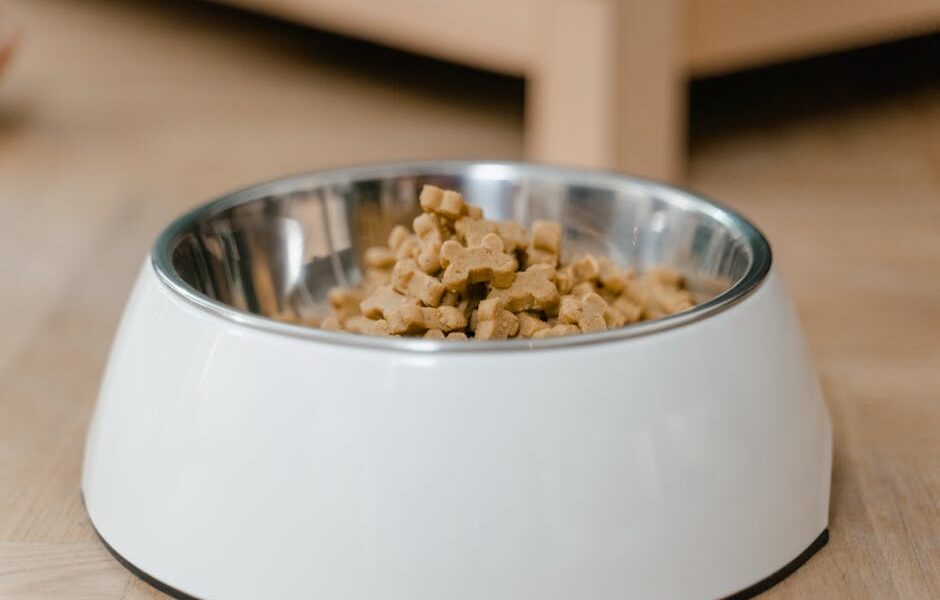
Why a Therapeutic GI Diet Exists
The gastrointestinal tract has a finite capacity to handle dietary load. When the GI tract is inflamed, motility is altered, the pancreas is irritated, or the small intestine is leaking protein, ordinary maintenance food can overwhelm what is left of the digestive machinery. A prescription GI low-residue diet is engineered to be unusually digestible, easy on the gut, and quietly nourishing — letting an unwell GI tract heal while the rest of the pet stays well fed.
In this article
- Why a Therapeutic GI Diet Exists
- What “Low Residue” and “Highly Digestible” Mean
- Major Brands of Prescription GI Diets
- When to Use It — Acute Gastroenteritis
- Chronic Enteropathy and IBD — Diet as Long-Term Therapy
- Pancreatitis Recovery and the Low-Fat Requirement
- Lymphangiectasia and Protein-Losing Enteropathy
- GI Diets and Cats — When to Use Them
- Probiotics, B12, and the Companion Therapies
- Transitioning to a GI Diet
- When the Diet Is Not Enough
- Frequently Asked Questions
These diets are used across a wide range of GI conditions: acute gastroenteritis, chronic enteropathy (formerly called IBD), pancreatitis recovery, exocrine pancreatic insufficiency (with appropriate enzyme replacement), lymphangiectasia, post-operative GI surgery feeding, and chronic intermittent vomiting or diarrhea where no specific cause has been identified.
The diet is one piece of a larger puzzle. Diagnostic workup, appropriate medication, fecal testing, sometimes endoscopy and biopsy — your veterinarian (often supported by an ACVIM internal medicine specialist) builds the full plan. The diet supports it.
What “Low Residue” and “Highly Digestible” Mean
Two terms get used interchangeably in this space but mean slightly different things:
- Highly digestible — the diet’s macronutrients are absorbed at >90 percent efficiency across the small intestine. Highly digestible proteins (egg, dairy isolates, hydrolyzed sources, lean meats) leave less residue passing into the colon.
- Low residue — the diet produces less waste material in the colon, meaning smaller, firmer, less frequent stools. This is achieved through high digestibility plus restricted fiber, though some GI diets use modified fiber types strategically.
Therapeutic GI diets typically use named meat sources, easily digestible carbohydrates (rice, oats, potato), low to moderate fat (especially important for pancreatitis recovery), and balanced electrolytes and B-vitamins to support the secretory and absorptive processes of the gut wall.
Major Brands of Prescription GI Diets
The therapeutic GI space is well-developed and several lines have decades of clinical use behind them:
- Hill’s Prescription Diet i/d — established workhorse, available in dry and canned, low-fat variants for pancreatitis, and “Stress” and “Sensitive” sub-formulations for behavioral and skin overlap.
- Royal Canin Veterinary Diet Gastrointestinal — multiple variants including Low Fat, Fiber Response, Moderate Calorie, and Kitten/Puppy.
- Purina Pro Plan Veterinary Diets EN Gastroenteric — includes EN Low Fat and EN Fiber Balance for different presentations.
- Blue Buffalo Natural Veterinary Diet GI Gastrointestinal Support — newer entrant with similar profile.
Sub-variants matter. A dog with acute pancreatitis needs a low-fat formulation (Royal Canin Gastrointestinal Low Fat or Hill’s i/d Low Fat). A cat with constipation may do better on a fiber-modified version. Your vet selects based on the underlying diagnosis. Our best sensitive-stomach cat food roundup compares feline-specific options.
When to Use It — Acute Gastroenteritis
Acute vomiting and diarrhea in an otherwise healthy adult pet can usually be managed at home with a 12-24 hour fasting period (cats no more than 24 hours due to hepatic lipidosis risk), then 5-7 days of a prescription GI diet fed in small frequent meals. As stool quality returns to normal, transition back to the maintenance diet using a 7-day transition.
When to skip home management and see a vet promptly:
- Puppies, kittens, seniors, or immunocompromised pets with vomiting or diarrhea.
- Blood in vomit or stool.
- More than 24 hours of complete anorexia.
- Lethargy, weakness, or signs of pain.
- Suspected dietary indiscretion involving toxins or foreign objects.
For ongoing reference, see our pillar guides on canine vomiting and feline diarrhea.
Chronic Enteropathy and IBD — Diet as Long-Term Therapy
Chronic enteropathy (the modern term for chronic GI inflammation in pets) is increasingly recognized as a spectrum: food-responsive enteropathy at one end, antibiotic-responsive enteropathy in the middle, and steroid-responsive (true IBD) at the other. Diet trials are often the first diagnostic step because food-responsive cases are common, especially in dogs.
A trial of a prescription GI diet for 2-4 weeks is reasonable when chronic GI signs are mild. If signs do not resolve, the next step is typically a hydrolyzed or novel protein elimination diet trial — see our companion articles on hydrolyzed protein diets and novel protein diets. Cats with chronic GI signs deserve the same systematic workup; read more about adopting a cat with IBD.
Pets confirmed to have steroid-responsive IBD continue the therapeutic diet for life as part of a multimodal plan that often includes immunomodulatory medication, B12 supplementation, and probiotics.
Pancreatitis Recovery and the Low-Fat Requirement
Pancreatitis is one of the most common emergency GI presentations in dogs and is increasingly recognized in cats. Acute pancreatitis hospitalizes pets for fluids, pain control, and antiemetics. Diet plays a central role in recovery and prevention of relapse: a low-fat (12-15 percent dry matter for dogs, slightly higher in cats), highly digestible, prescription GI diet is the standard discharge recommendation.
Cats with concurrent pancreatitis, hepatic, and intestinal disease (“triaditis”) need extra care because their nutritional needs sometimes conflict — wanting higher protein for the liver and cat carnivore physiology while wanting lower fat for the pancreas. Royal Canin Gastrointestinal Low Fat and Hill’s i/d Low Fat are common choices in these complex cases.
Read more in our pancreatitis in dogs guide. Lifelong low-fat feeding is often recommended for dogs with recurrent or chronic pancreatitis to reduce relapse risk.
Lymphangiectasia and Protein-Losing Enteropathy
Some dogs (Yorkshire Terriers, Soft-Coated Wheaten Terriers, Norwegian Lundehunds among predisposed breeds) develop lymphangiectasia, a condition where lymphatic vessels in the intestinal wall leak protein into the gut. These dogs lose albumin and globulins through their stool, become hypoproteinemic, and may develop ascites, edema, and progressive decline.
Dietary management is extremely low-fat (often below 8 percent dry matter) to reduce lymphatic flow and protein loss, paired with moderate-quality digestible protein. Some dogs do best on a custom DACVN-formulated home-cooked ultra-low-fat diet. Medium-chain triglycerides (MCTs) may be added because they bypass the lymphatic system. Treatment usually pairs the diet with immunosuppressive therapy.
GI Diets and Cats — When to Use Them
Cats present GI disease differently than dogs. Chronic vomiting (hairballs are sometimes wrongly blamed when chronic enteropathy is the real driver), gradual weight loss with normal or increased appetite, soft stools, and intermittent diarrhea are common signs. Cats with chronic GI signs deserve a workup — bloodwork, abdominal ultrasound, sometimes endoscopy with biopsies — to distinguish chronic enteropathy from GI lymphoma.
For cats with confirmed chronic enteropathy or food-responsive disease, a prescription GI diet is a reasonable first-line. If signs do not resolve in 4 weeks, escalate to a hydrolyzed or novel protein trial. Cats with confirmed lymphoma need oncologic referral; see our GI lymphoma in cats overview.
Probiotics, B12, and the Companion Therapies
Prescription GI diets work best as part of a broader plan:
- Probiotics — Enterococcus faecium SF68 (Purina FortiFlora), Bifidobacterium animalis, and Lactobacillus combinations have evidence in acute and chronic GI disease. See our pillar on probiotics for cats and the FortiFlora overview.
- B12 (cobalamin) supplementation — many chronic enteropathy patients are B12-deficient because the distal small intestine cannot absorb it; subcutaneous or oral B12 is commonly given.
- Folate supplementation — sometimes alongside B12 depending on bloodwork.
- Anti-emetics — maropitant (Cerenia), ondansetron for nausea.
- Immunomodulatory therapy — for confirmed IBD or steroid-responsive disease: prednisolone, budesonide, cyclosporine, chlorambucil for cats.
- Antibiotic trial — metronidazole or tylosin for suspected antibiotic-responsive enteropathy.
Transitioning to a GI Diet
For acute GI flares, you can transition more quickly — go straight to the prescription diet in small frequent meals as your pet’s vomiting and diarrhea improve. For chronic cases starting therapy, use a standard 7-day transition, slower if your pet is sensitive. Small frequent meals (4-6 per day) are kinder to a recovering GI tract than 1-2 large meals.
Treats need to match the therapeutic philosophy: low-fat single-ingredient treats, baby carrots, plain canned pumpkin (a small amount), or pieces of the prescription kibble itself. Avoid table food, high-fat treats, and dental chews of unknown composition while the GI tract recovers.
When the Diet Is Not Enough
If your pet does not improve on a prescription GI diet within 2-4 weeks for acute cases or 4-6 weeks for chronic cases, the diagnosis may need to be revisited. Common reasons for failure include:
- Underlying food allergy — escalate to hydrolyzed or novel protein trial.
- Undiagnosed parasites — repeat fecal testing, including Giardia and Tritrichomonas in cats.
- Pancreatic insufficiency — TLI/folate/B12 panel diagnoses exocrine pancreatic insufficiency.
- Endocrine disease — Addison’s disease in dogs can mimic chronic GI; cortisol-driven assessment is reasonable.
- Neoplasia — GI lymphoma in cats and dogs, GI carcinoma in some breeds; biopsy may be needed.
- Structural disease — partial obstruction, intussusception, foreign body remnant.
The diet does not replace diagnostics. When response is incomplete, the workup continues.
Frequently Asked Questions
How long should my pet stay on a prescription GI diet?
For acute gastroenteritis, 5-7 days of feeding the GI diet during recovery, then transition back to maintenance. For chronic enteropathy or confirmed IBD, the diet often continues for life as part of long-term management. For pancreatitis recurrence prevention, low-fat feeding is often lifelong.
Can a healthy pet eat my GI pet’s prescription food?
Short-term it is not harmful, but long-term feeding of a low-fat highly digestible diet to a healthy pet may not meet maintenance needs as well as a standard adult formula. Use separate feeding stations or scheduled meals in multi-pet households.
Is canned or dry better for a GI diet?
Both work. Canned forms have higher moisture and are often more palatable in nauseated pets. Dry forms are more convenient and cost less per calorie. Some pets do best on a mix. Your vet can recommend the best option for your pet’s specific condition.
Are home-cooked GI diets a good option?
Yes, if formulated by a board-certified veterinary nutritionist (DACVN). Common home-cooked acute GI diets (boiled chicken and white rice) are okay for 5-7 days during recovery but are not nutritionally complete for long-term feeding. Chronic cases benefit from professionally formulated diets through balanceit.com or petdiets.com.
What if my dog has both GI signs and food allergy?
This is common. Your vet may start with a prescription GI diet to rule out food-responsive enteropathy, then escalate to a hydrolyzed or novel protein elimination trial if signs persist. Some chronic enteropathy patients do best long-term on hydrolyzed diets because they cover both digestibility and allergen-avoidance needs.


