
Last updated: April 26, 2026
In this article
- What Is Pulmonary Hypertension?
- Causes of Pulmonary Hypertension
- Recognizing the Symptoms
- Diagnosis at the Veterinary Clinic
- Treatment with Sildenafil
- Additional Medications
- Managing Underlying Causes
- Home Care and Lifestyle
- Long-Term Outlook
- Related Cardiac and Respiratory Conditions
- Frequently Asked Questions
What Is Pulmonary Hypertension?
Pulmonary hypertension in dogs is a condition where the blood pressure in the arteries leading from the heart to the lungs is abnormally high. The right side of the heart must work harder to push blood against this elevated pressure, and over time the right ventricle thickens and may fail. The disease causes exercise intolerance, breathing difficulty, fainting, and in advanced cases, right-sided heart failure with abdominal fluid accumulation.
Unlike systemic high blood pressure, which involves the arteries throughout the body, pulmonary hypertension specifically involves the pulmonary circulation. The two are very different conditions, and a dog can have one without the other. Pulmonary hypertension is often a complication of an underlying problem rather than a primary disease, which means the workup includes searching for the cause.
Pulmonary hypertension dogs need ongoing veterinary management. The condition is usually progressive and incurable, but several treatments can substantially improve quality of life and slow progression. Many dogs do well for years with appropriate medication and supportive care.
Causes of Pulmonary Hypertension
Pulmonary hypertension has multiple possible causes, often grouped by mechanism:
- Left-sided heart disease: Mitral valve disease and dilated cardiomyopathy raise pressure in the left atrium, which transmits backward to the lung circulation. This is the most common cause in adult and senior dogs.
- Chronic respiratory disease: Conditions such as chronic bronchitis, fibrosis, and tracheal collapse cause low oxygen levels and constriction of pulmonary vessels.
- Heartworm disease: Adult heartworms living in pulmonary arteries directly damage the vessels.
- Pulmonary thromboembolism: Blood clots in the pulmonary vessels, often related to underlying conditions.
- Congenital heart disease: Defects such as patent ductus arteriosus or septal defects can lead to pulmonary hypertension over time.
- Idiopathic: A small subset of dogs develop pulmonary hypertension with no identifiable cause.
Identifying the underlying cause guides treatment. Some causes are treatable in their own right (for example, heartworm disease), while others are managed alongside the pulmonary hypertension itself.
Recognizing the Symptoms
Symptoms of pulmonary hypertension dogs experience often develop gradually and may be confused with other heart or lung diseases. Common signs include:
- Exercise intolerance (tiring quickly during walks or play)
- Coughing
- Increased respiratory rate at rest
- Difficulty breathing
- Bluish tinge to gums and tongue (cyanosis), especially during exertion
- Fainting (syncope), particularly with excitement or exercise
- Abdominal distension from fluid accumulation in advanced cases
- Lethargy and reduced appetite
Many dogs first present because of fainting episodes. The dog may collapse during a walk or while playing, regain consciousness within seconds to a minute, and then resume activity. These episodes are alarming but often non-fatal, though they signal serious underlying disease.
Diagnosis at the Veterinary Clinic
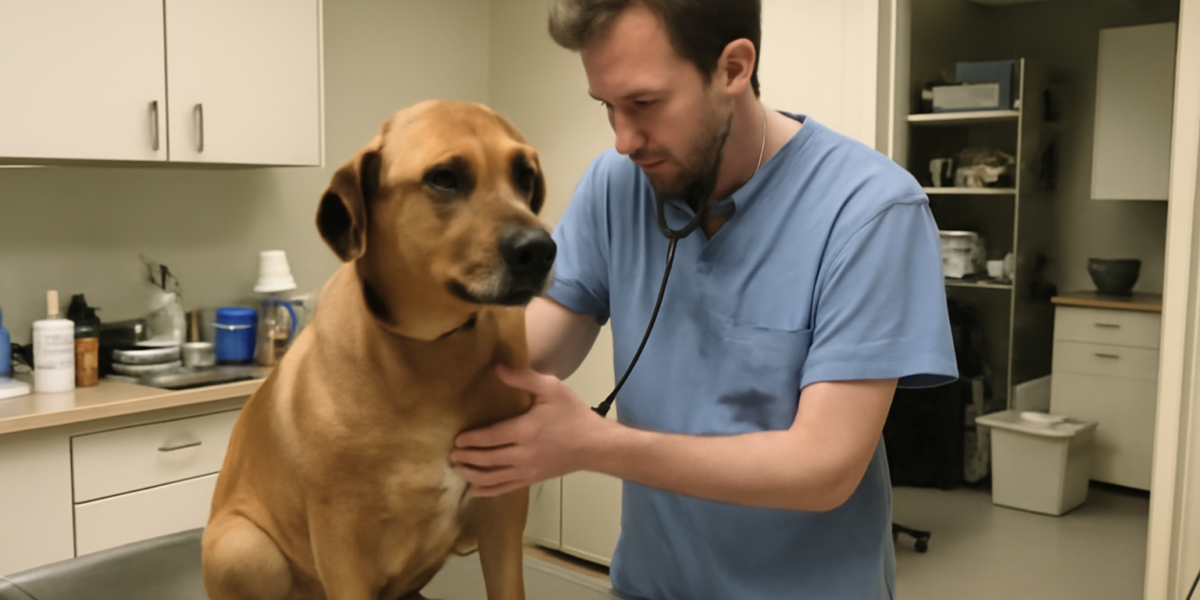
Echocardiography (cardiac ultrasound) is the most important diagnostic test. A veterinary cardiologist or experienced veterinarian uses Doppler imaging to estimate pulmonary artery pressure based on blood flow patterns. Right-sided heart enlargement, tricuspid valve regurgitation, and abnormal motion of the interventricular septum all support the diagnosis.
Additional testing usually includes chest radiographs to evaluate the lungs and heart silhouette, blood work to assess overall health, and electrocardiography to check for rhythm disturbances. Heartworm testing is essential if not already up to date, particularly in dogs from regions where heartworm disease is endemic.
The workup also looks for the underlying cause. If chronic lung disease is suspected, advanced imaging such as CT may be helpful. If left-sided heart disease is the driver, that primary disease guides treatment as much as the pulmonary hypertension itself.
Treatment with Sildenafil
Sildenafil is the most widely used medication for pulmonary hypertension in dogs. The drug relaxes pulmonary arteries by enhancing nitric oxide signaling, lowering pressure in the pulmonary circulation. Most dogs improve substantially in exercise tolerance, fainting frequency, and overall comfort within days to weeks of starting therapy.
Dosing is individualized based on response and is given several times per day. Your veterinarian will discuss specific dosing recommendations rather than relying on general guidelines. The medication is generally well tolerated; side effects when they occur include nasal congestion, mild gastrointestinal upset, and occasional flushing.
Sildenafil is not a cure but provides excellent symptomatic improvement in many dogs. Periodic reassessment with echocardiography helps monitor progression and adjust treatment. Some dogs benefit from combining sildenafil with other medications targeting different aspects of the disease.
Additional Medications
Other medications may be added depending on the underlying cause and disease severity. Pimobendan, a heart medication that improves contractility and dilates blood vessels, is often used in dogs with concurrent left-sided heart disease. Diuretics such as furosemide help when fluid accumulation develops.
Tadalafil is a longer-acting alternative to sildenafil that some veterinarians use, often for dogs whose owners struggle with multiple daily doses. The choice between sildenafil and tadalafil depends on individual response, tolerability, and the practical realities of administering medication.
For dogs with thromboembolic disease as the underlying cause, anticoagulant medications may be prescribed. Heartworm-positive dogs need specific heartworm treatment alongside management of the pulmonary hypertension. The treatment plan is built around your dog’s individual disease pattern.
Managing Underlying Causes
Treating the underlying cause is as important as treating the pulmonary hypertension itself. For dogs with left-sided heart disease, comprehensive cardiac management with appropriate medications often slows pulmonary hypertension progression. For chronic respiratory disease, addressing the lung disease may reduce pulmonary hypertension over time.
Heartworm-positive dogs need careful, staged treatment under veterinary guidance. The treatment itself can transiently worsen pulmonary hypertension as worms die and obstruct vessels, so monitoring during heartworm therapy is critical. Once treatment is complete, pulmonary hypertension may improve substantially if vascular damage has not been too severe.
Some causes are not easily reversed. Idiopathic pulmonary hypertension, severe pulmonary fibrosis, or advanced congenital heart disease may not have specific treatments for the underlying cause. In these cases, symptomatic treatment with sildenafil and supportive care remains the foundation.
Home Care and Lifestyle
Daily life with a pulmonary hypertension dog requires some adjustments but does not need to be restrictive. Moderate exercise is generally fine; avoid intense exertion that triggers symptoms, and let your dog set the pace. Short, frequent walks are usually better tolerated than long, vigorous outings.
Avoid high-altitude environments if possible. Lower oxygen levels at altitude can worsen pulmonary hypertension symptoms. If altitude travel is unavoidable, talk to your veterinarian about whether oxygen support during the trip is appropriate.
Monitor your dog’s resting respiratory rate at home. Count breaths per minute when your dog is sleeping or quietly resting. Sustained increases above thirty to forty breaths per minute can signal worsening disease and warrant veterinary contact. Many cardiologists provide a baseline rate for your dog and a threshold for concern.
Long-Term Outlook
Prognosis varies by cause and severity. Dogs with treatable underlying causes (heartworm disease, certain congenital defects) may improve substantially or even resolve their pulmonary hypertension. Dogs with progressive underlying disease (advanced mitral valve disease, pulmonary fibrosis) typically have a more guarded prognosis but can do well for months to years with appropriate management.
Sildenafil therapy has substantially improved quality of life and survival for many dogs with pulmonary hypertension. The medication works well even in advanced cases, and the symptomatic improvement is often dramatic. Your veterinary cardiologist can give a tailored prognosis after the initial workup.
For broader pet health reading, the dog care blog covers many related conditions. If you are considering adopting a dog with a heart or lung condition, the adopt a dog hub offers guidance on understanding what care commitments to expect.
Related Cardiac and Respiratory Conditions
Pulmonary hypertension often coexists with other cardiac and respiratory diseases. Mitral valve disease, the most common heart disease in adult dogs, frequently leads to pulmonary hypertension as it advances. Chronic bronchitis and other respiratory diseases can produce or worsen pulmonary hypertension.
For congenital cases, conditions such as patent ductus arteriosus or subaortic stenosis may be present. Pericardial effusion sometimes complicates right-sided heart failure. Comprehensive cardiac evaluation identifies all the relevant conditions and shapes a coordinated treatment plan.
Treating pulmonary hypertension in isolation, without addressing the broader cardiac picture, often produces only partial improvement. Dogs with concurrent left-sided heart disease, for example, need both pulmonary hypertension management and management of the underlying mitral disease. A veterinary cardiologist coordinates these therapies and adjusts the plan as the disease evolves over months and years. The treatment landscape for canine cardiac disease has improved substantially in recent years, and even dogs with advanced disease often benefit from up-to-date specialist care.
Frequently Asked Questions
Is pulmonary hypertension curable?
Most cases are managed rather than cured. Some causes (heartworm disease, certain congenital defects) can be treated definitively, and pulmonary hypertension may resolve substantially. Most other dogs benefit from lifelong medication that controls symptoms and slows progression.
Will my dog need oxygen?
Most dogs do not need home oxygen. Severe cases may benefit from oxygen during acute episodes, and oxygen support during travel to high altitudes is sometimes recommended. Discuss specifics with your veterinary cardiologist.
How long can my dog live?
Survival varies widely based on cause and severity. Dogs with treatable underlying causes may live normal lifespans. Dogs with progressive disease typically live months to years with appropriate management. Sildenafil therapy has substantially extended quality life for many dogs with this condition.
Can my dog still exercise?
Yes, in moderation. Let your dog set the pace, avoid hot or high-altitude conditions, and watch for signs of distress. Short, frequent walks are usually better tolerated than long, intense outings. Discuss specifics with your veterinarian.
Are some breeds at higher risk?
Breeds prone to mitral valve disease (Cavalier King Charles Spaniels, small terrier breeds) develop pulmonary hypertension secondary to that condition. Breeds prone to certain congenital heart defects also have higher baseline risk. Most pulmonary hypertension reflects the underlying cause’s predispositions rather than the condition itself.
When should I call my veterinarian?
Call promptly for new fainting episodes, increased breathing rate at rest, severe coughing, abdominal swelling, or any sudden decline in energy. Routine rechecks every three to six months are recommended for stable dogs.


