Last updated: May 6, 2026
In this article
- What a Shelter-Based Rescue Looks Like
- Daily Operations Inside the Building
- Intake Variety You Will See
- Reading a Kennel Pet Realistically
- Adoption Process and Same-Day Take-Home
- Fees, Promotions, and What They Cover
- Behavior Programs and Enrichment
- Transport Partners and the Larger Network
- Volunteers and Foster Programs at Shelter-Based Rescues
- Medical Standards Inside a Shelter
- Who a Shelter-Based Rescue Fits Best
- Why Some Pets Stay Longer
- What Adoption Day Looks Like
- Frequently Asked Questions
What a Shelter-Based Rescue Looks Like
A shelter based rescue runs out of a physical building with kennels, cat colony rooms, and intake space. You can usually walk in during open hours, browse the animals on site, and adopt that day or within a few days. Many municipal shelters fit this model, and so do some larger private nonprofits that operate facilities of their own.
The shelter based rescue model is built for volume. Intake, medical triage, behavior assessment, and adoption flow through one location, which lets staff handle dozens to hundreds of animals at a time. The trade-off is kennel stress and the speed at which decisions need to happen.
If your goal is to meet several pets in one afternoon, a shelter visit is hard to beat. Just plan to look past the surface noise.
Daily Operations Inside the Building
A typical shelter day starts before dawn with kennel cleaning, feeding, and medical rounds. Animals are walked or rotated to play yards, behavior staff run quick assessments on new arrivals, and the medical team triages anyone who came in overnight. Adoption counselors arrive before doors open to review applications and schedule meets.
Volunteer programs are central. Walkers, cat socializers, photographers, and laundry crews keep the operation moving. Many shelters also coordinate transport partners that pull animals to lower-intake regions.
Shelter based rescue staff balance speed and care. They are not detached; they are managing scale. Understanding that helps you ask better questions and read between the lines of a kennel card.
Intake Variety You Will See
Shelters take in strays, owner surrenders, transfers from other facilities, and animals from cruelty or neglect cases. That mix produces a wide range of ages, breeds, and species under one roof. You will see puppies in one room, seniors in another, working-age dogs in long runs, and cats in colony rooms or condos.
Because intake is constant, the inventory turns over quickly. A pet you saw online Monday may be adopted by Wednesday. If you fall in love with a profile, call ahead and ask if a hold is possible while you drive in.
For a useful frame on assessing a dog quickly, see our dog body language guide. It will help you read what you are seeing in the kennel.
Reading a Kennel Pet Realistically
A dog in a kennel is not at his best. Concrete echoes, neighbor barking, and constant foot traffic raise stress hormones quickly. A pet who looks shut down at the front of the kennel may be a different animal at home a week later. Our piece on shelter shock in dogs walks through the symptoms and what to expect in the first weeks home.
Cats can mask stress with sleep or hiding. A cat curled in the back of a kennel is not necessarily antisocial; she may be coping the only way she can. Ask staff for time in a quiet meet room rather than judging from across the colony glass.
Use staff. Counselors and volunteers know which dog plays with toys when nobody is watching and which cat purrs only when held a certain way.
Adoption Process and Same-Day Take-Home
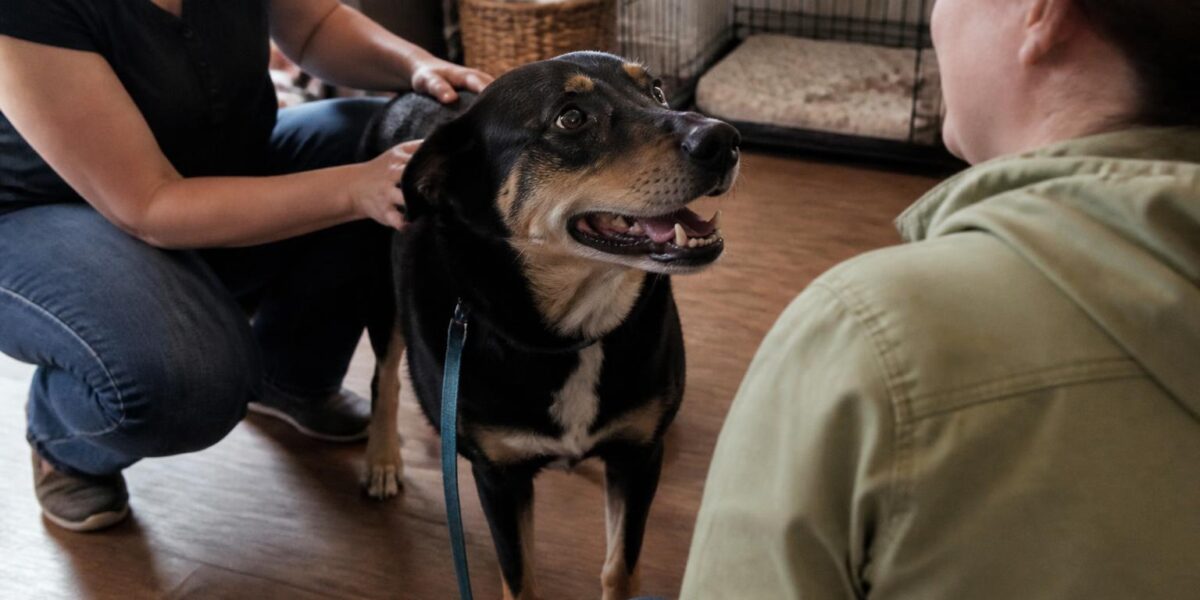
Many shelter based rescue locations allow same-day adoption. You bring ID, complete an application, meet the pet in a quieter room, and sign paperwork. Spay or neuter is usually already done, and the pet leaves with a microchip, current vaccines, and a starter set of paperwork.
Some larger shelters require a 24-hour cooling-off period, especially for high-energy or behavior-flagged animals. Use that period wisely. Buy supplies, prep a quiet room, and read up on the decompression period for rescue dogs if you are bringing home a dog.
Application bars are typically lower than at private rescues, but you should still expect honest questions about your home, other pets, and care plan.
Fees, Promotions, and What They Cover
Shelter adoption fees vary by community and animal type. Fees often run from very low for seniors during clear-the-shelter campaigns to several hundred dollars for puppies and small breeds. Most fees include spay or neuter, vaccines, deworming, microchip, and a starter exam.
Many shelters run frequent promotions: senior pets at reduced fees, cat double-adoption deals, and post-holiday clearance events. These are not bargain-bin pets; they are the animals that need a faster path home.
The fee almost never reflects the true cost of care. A medical-needs dog who came in from a cruelty case may have thousands of dollars of work behind him, and the fee covers a fraction of that.
Behavior Programs and Enrichment
Modern shelters invest heavily in enrichment because kennel life is hard. You will see frozen food puzzles, sniff walks, in-kennel training, and quiet rooms used to drop the noise floor. Behavior staff write notes that follow the pet from intake to adoption.
If a pet has been there longer than average, ask why. Sometimes the answer is medical, sometimes a quirky preference, sometimes simple bad luck on profile photos. Long-stay pets often turn into amazing companions because staff and volunteers know them deeply by adoption day.
For dogs flagged as fearful, our piece on adopting a fearful shutdown rescue dog walks through the slow-build approach that works at home.
Transport Partners and the Larger Network
Many shelter based rescue operations partner with transport groups that move animals from over-capacity southern shelters to under-capacity northern ones. If you adopt a dog with a southern accent in a Pacific Northwest shelter, transport probably brought him. The animal is still local at the time of adoption, but the network is national.
Transport also moves animals out of disaster areas, hoarding cases, and sudden intake spikes. Ask the shelter about its transport partners if you are curious about a pet’s history.
Volunteers and Foster Programs at Shelter-Based Rescues
Most shelter based rescue facilities run extensive volunteer and foster programs alongside their on-site operations. Volunteer roles include dog walking, cat socialization, laundry, photography, transport, event support, and adoption counseling. Some shelters require an orientation; most train volunteers progressively from easy roles to more complex ones over months.
Fosters in a shelter context often serve specific needs: nursing mothers and litters, sick or injured animals, senior pets, and behavior-recovery cases. The shelter handles vet care; the foster provides the home environment that kennels cannot. Foster-to-adopt programs let you live with a pet for one to four weeks before deciding to make it permanent, which reduces returns and improves matches.
If you are considering a foster-to-adopt path, ask the shelter what their conversion process looks like. Some apply your foster expenses toward the adoption fee; others keep the two financially separate.
Medical Standards Inside a Shelter
Modern shelters run a medical operation that resembles a small clinic. Intake exams check for parasites, infectious disease, body condition, dental health, and obvious orthopedic issues. Vaccines, spay or neuter, microchipping, and parasite treatment happen on a defined schedule. Many shelters partner with university veterinary programs or local veterinarians for surgeries and specialty care.
Animals with significant medical needs go to a holding ward with a different daily routine. The shelter’s vet team makes case-by-case decisions about treatment timelines, transfer to specialty rescues, or end-of-life care for irremediable conditions.
If you are adopting from a shelter, ask for the medical record. Reputable shelters provide a printed or digital file with all relevant treatments, vaccine dates, and any flagged concerns. Schedule a follow-up vet visit within the first week to review and continue care.
Who a Shelter-Based Rescue Fits Best
Shelter visits suit adopters who want to compare several pets in person, who can read past kennel stress, and who like a faster path to take-home. They also fit adopters who are flexible on age, breed, or species.
If you want a foster-home behavior preview or you are looking for a very specific breed, a foster based or breed-specific rescue may serve you better. Many adopters check both: search the all-pets adoption hub, the dog hub, and the cat hub to see who is available right now.
Why Some Pets Stay Longer
Length of stay at shelter based rescue locations varies. Some pets get adopted within days; others stay weeks or even months. The variation often reflects intake demographics rather than the pet’s quality. Adult black dogs and adult black cats tend to stay longer in many regions, a documented bias rather than a behavior issue. Adult bull-breed mixes also face longer stays in jurisdictions where housing or insurance restrictions exist.
Senior pets often stay longer for similar reasons: adopters search for puppies and kittens first, even though seniors are typically calmer, more house-trained, and a better fit for many homes. If you are open to a senior, your patience saves a life and gets you a wonderful pet. Our senior dog care checklist covers what to plan for with an older dog.
Long-stay pets also benefit from intensive enrichment, training, and behavior support. By the time you meet them, staff and volunteers know them deeply and can describe their personality with precision.
What Adoption Day Looks Like
Adoption day at a shelter based rescue is part celebration, part logistics. You will sign final paperwork, pay the adoption fee, and receive a printed packet with vaccine records, microchip information, and post-adoption resources. Some shelters offer a quick training session on the pet’s first week, including the decompression timeline and signs to watch for.
Bring a sturdy carrier for cats and a leash and harness for dogs. The shelter may provide a starter set, but having your own equipment makes the transition smoother. For long drives home, plan a midpoint break for water and a quiet stretch.
Within the first week, register the microchip in your name, update any pet license required by your jurisdiction, and schedule a vet visit. The vet visit establishes a baseline and gives you a relationship with a clinician for emergencies.
Frequently Asked Questions
Can I adopt the same day I visit?
Often yes, especially at municipal shelters with same-day adoption. Some shelters require a brief hold for high-energy pets or behavior flags. Call ahead to confirm.
How do I know if a kennel pet is right for me?
Move the meet to a quiet room, ask staff and volunteers about the pet at non-peak times, and watch for body language changes when the noise drops. A second visit, if possible, gives you a much better read.
Are shelter pets healthy?
Most are vaccinated and treated for parasites before adoption. Some carry kennel cough or upper respiratory infections that resolve quickly at home. Ask for the medical record at adoption and schedule a vet visit within the first week.
What if my new pet is overwhelmed when we get home?
Expect a quiet adjustment period. Set up a small, calm space, keep visitors away for a few days, and follow a predictable routine. The first week is a settling-in window for most pets.
Do shelters take returns?
Yes. If the match is not working, return the pet to the adopting shelter rather than rehome independently. Reputable shelters expect this option and will not penalize you for using it.