
Last updated: April 6, 2026
In this article
How to Stop a Cat From Scratching Furniture
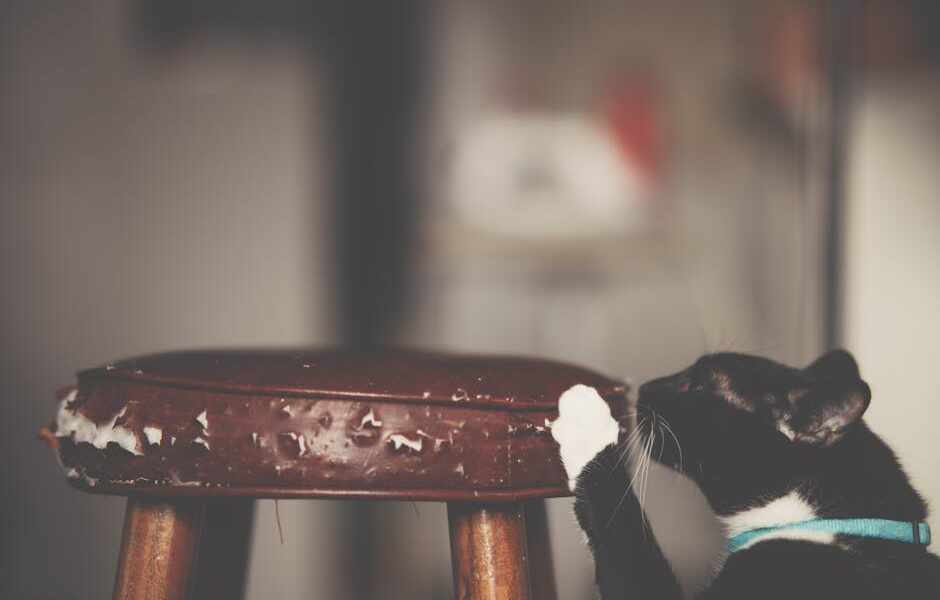
If you share your home with a feline friend, chances are you have dealt with shredded couch corners, clawed chair legs, or scratch marks on your favorite armchair. Cat scratching furniture is one of the most common complaints among cat owners, but the good news is that it is a completely solvable problem. With the right understanding, tools, and training techniques, you can protect your belongings while keeping your cat happy and healthy.
In this guide, we cover everything you need to know about why cats scratch, how to redirect the behavior, and the best strategies to save your furniture for good.
Why Do Cats Scratch Furniture?
Before you can stop a cat from scratching furniture, it helps to understand why they do it in the first place. Scratching is not a sign of bad behavior. It is a deeply ingrained natural instinct that serves several important purposes.
Claw maintenance. Scratching helps cats shed the outer sheaths of their claws, keeping them sharp and healthy. Without regular scratching, old claw sheaths build up and can become uncomfortable or even painful.
Territory marking. Cats have scent glands in their paw pads. When they scratch a surface, they leave behind both a visual mark and a scent marker that communicates their presence to other animals. Even indoor-only cats retain this territorial instinct.
Stretching and exercise. A good scratching session allows cats to fully extend their bodies, stretch their shoulders, legs, and paws, and engage muscles they do not use during normal walking. It is essentially a mini workout.
Stress relief. Scratching can be a coping mechanism for cats dealing with anxiety, boredom, or changes in their environment. If your cat has recently started scratching more than usual, stress could be a contributing factor.
Understanding these motivations is key. Your goal should never be to stop your cat from scratching entirely. Instead, you want to redirect the behavior to appropriate surfaces. A cat that cannot scratch at all is a cat that will develop stress and health problems.
Choosing the Right Scratching Posts
The single most effective way to stop cat scratching furniture is to provide appealing alternatives. Not all scratching posts are created equal, and picking the wrong one is a common reason why cats ignore them and go straight back to your sofa.
Height and stability matter. Your scratching post should be tall enough for your cat to fully stretch while using it. For most adult cats, that means at least 30 to 32 inches tall. Equally important, the post must be rock-solid stable. If it wobbles or tips over, your cat will abandon it immediately and return to the couch, which never moves.
Material preferences. Most cats prefer sisal rope or sisal fabric, which provides a satisfying texture for claw maintenance. Some cats prefer corrugated cardboard, and a few enjoy carpet-covered posts. If you are unsure what your cat likes, try offering a couple of different textures and see which one gets the most use.
Vertical and horizontal options. While many cats prefer vertical scratching, some like to scratch horizontally or at an angle. Flat cardboard scratchers that sit on the floor can be excellent supplements to a tall post. Observe your cat’s current scratching habits. If they scratch the side of the couch, they likely prefer vertical surfaces. If they go for rugs or carpet, a horizontal scratcher may be the better choice.
Placement is everything. Put scratching posts in locations your cat already frequents. Near their favorite sleeping spot is ideal, since cats love to scratch right after waking up. Placing a post directly next to the furniture they have been scratching is another smart strategy, as it offers a convenient alternative right where they want to scratch.
If you have a multi-cat household, provide at least one scratching post per cat, plus one extra. Cats can be territorial about their scratching surfaces, and having enough options prevents conflicts. Many cat breeds have varying levels of scratching intensity, so knowing your cat’s breed tendencies can help you choose the right setup.
Training Techniques to Redirect Scratching
Once you have the right scratching posts in place, you need to teach your cat to use them. Positive reinforcement is the foundation of effective training. Punishment does not work and will only damage your relationship with your cat.
Use catnip and treats. Sprinkle dried catnip on and around the new scratching post to attract your cat’s attention. When your cat approaches or uses the post, immediately reward them with a treat and verbal praise. This creates a positive association that encourages repeat behavior.
Interactive play near the post. Use a wand toy or feather toy to play with your cat near the scratching post. Drag the toy up and along the post so your cat’s claws naturally make contact with the surface. Once they feel the satisfying texture, many cats will start scratching on their own.
Gentle redirection. If you catch your cat scratching the furniture, calmly pick them up and place them near the scratching post. Do not yell, spray water, or use any form of punishment. These methods cause stress and fear without teaching the cat what they should be doing instead.
Consistency is key. Every member of the household should follow the same approach. If one person rewards the cat for using the post while another ignores the behavior, the training will take much longer. Be patient. Most cats learn to prefer their scratching post within two to four weeks of consistent redirection.
Clicker training. For cats that respond well to structured training, a clicker can accelerate the process. Click and treat the moment your cat touches the scratching post with their claws. Over time, the cat learns that scratching the post leads to rewards, while scratching the furniture does not.
Protecting Your Furniture While You Train
Training takes time, and you need to protect your furniture during the transition period. There are several humane and effective ways to make your furniture less appealing to scratch.
Double-sided tape. Cats dislike the sticky sensation on their paws. Apply double-sided tape or specialized furniture tape strips to the areas your cat targets most. Most cats will try the surface once, dislike the feeling, and move on. You can remove the tape once your cat is consistently using the scratching post.
Furniture covers and protectors. Clear plastic furniture protectors or thick slipcovers can shield vulnerable surfaces. These are especially useful for couch corners and armrest edges, which are common scratching targets.
Aluminum foil. Temporarily covering scratched areas with aluminum foil can deter some cats. The texture and sound are unappealing to most felines, though not all cats are bothered by it.
Scent deterrents. Citrus scents are unpleasant to most cats. You can place orange or lemon peels near furniture you want to protect, or use a citrus-scented spray designed for this purpose. Avoid using essential oils directly on furniture, as some are toxic to cats.
Nail caps. Soft plastic nail caps that glue onto your cat’s claws are a temporary but effective solution. They prevent damage when your cat scratches and typically fall off naturally as the claws grow. They need to be replaced every four to six weeks but cause no harm or discomfort to the cat.
The idea is to make the furniture unappealing while simultaneously making the scratching post irresistible. When you combine deterrents with positive reinforcement, most cats switch their habits relatively quickly.
Products That Help Stop Cats From Scratching Furniture
A number of products on the market are specifically designed to address cat scratching furniture problems. Here are some of the most effective categories to consider.
Sisal scratching posts and cat trees. A quality cat tree with built-in sisal scratching surfaces serves double duty as both a scratching outlet and an enrichment tool. Look for sturdy models with a heavy base. Floor-to-ceiling cat trees are excellent for active cats who love to climb and scratch.
Corrugated cardboard scratchers. These affordable scratchers are popular with many cats and can be placed on the floor or mounted on walls. They are disposable and easy to replace when worn out. Many come infused with catnip to attract your cat right away.
Anti-scratch sprays. Commercially available deterrent sprays use scents that cats find unpleasant. They are safe for most fabrics and can be reapplied as needed. Results vary from cat to cat, so these work best as part of a broader strategy rather than a standalone solution.
Furniture protector guards. Clear, adhesive-backed plastic sheets designed to cover the corners and edges of couches and chairs. They are nearly invisible once applied and protect the fabric while still allowing normal use of the furniture.
Interactive toys and puzzle feeders. Boredom is a major driver of destructive scratching. Providing your cat with stimulating toys, puzzle feeders, and regular play sessions can significantly reduce unwanted scratching by addressing the underlying cause.
Investing in a combination of these products, tailored to your cat’s specific preferences, gives you the best chance of success. If you are considering adopting a cat, setting up scratching posts and protective measures before your new companion arrives will help you start off on the right foot.
Declawing Alternatives: Why Declawing Is Not the Answer
When dealing with persistent furniture scratching, some cat owners consider declawing. However, declawing is a procedure that involves amputating the last bone of each toe, and it comes with serious physical and behavioral consequences.
Pain and complications. Declawed cats can experience chronic pain, nerve damage, and difficulty walking. The procedure alters their gait and can lead to arthritis and joint problems later in life.
Behavioral changes. Cats that are declawed often develop biting habits as a compensatory defense mechanism. They may also stop using the litter box because the litter is painful on their sensitive paw pads. These behavioral issues are frequently more difficult to manage than the original scratching problem.
Ethical considerations. Declawing is banned or considered inhumane in many countries and in a growing number of US cities and states. Most veterinary organizations advise against it except in rare medical cases.
Fortunately, the alternatives to declawing are effective and humane. Regular nail trimming every two to three weeks keeps claws short and reduces the damage they can cause. Soft nail caps provide an extra layer of protection. Combined with proper scratching posts, positive training, and environmental enrichment, these alternatives make declawing completely unnecessary.
If your cat’s scratching is extreme and none of the standard approaches seem to work, consult your veterinarian. There may be an underlying medical issue, such as anxiety or a skin condition, that needs to be addressed.
Frequently Asked Questions
At what age do cats start scratching furniture?
Kittens begin scratching behavior as early as eight weeks old. This is the ideal time to introduce scratching posts and begin positive reinforcement training. The earlier you establish good habits, the easier it is to prevent furniture damage.
Why does my cat scratch the furniture even though I have a scratching post?
The most common reasons are that the post is too short, too unstable, made of an unappealing material, or placed in the wrong location. Try upgrading to a taller, sturdier post with a sisal surface and place it near the furniture your cat has been scratching.
Can I use a spray bottle to stop my cat from scratching?
Spray bottles are not recommended. While they may interrupt the behavior in the moment, they create fear and stress without teaching the cat a better alternative. Positive reinforcement and redirection are far more effective long-term strategies.
How long does it take to train a cat to stop scratching furniture?
Most cats can be redirected within two to four weeks with consistent training. Older cats with established scratching habits may take longer, but with patience and the right approach, nearly every cat can learn to use a scratching post instead of furniture.
Do certain cat breeds scratch more than others?
Some breeds are more active and may scratch more frequently, but all cats scratch regardless of breed. High-energy breeds like Bengals and Siamese may need more scratching outlets and enrichment to stay satisfied. Check our cat breeds directory to learn more about breed-specific traits and care tips.
Is it okay to trim my cat’s claws to prevent scratching damage?
Yes, regular claw trimming is one of the best ways to minimize furniture damage. Trim the tips of your cat’s claws every two to three weeks using cat-specific nail clippers. If you are unsure how, ask your veterinarian to demonstrate the technique during your next visit.
Final Thoughts
Stopping a cat from scratching furniture is not about eliminating a natural behavior. It is about understanding your cat’s needs and providing better outlets. With the right scratching posts, consistent positive training, and a few protective measures for your furniture, you can have a scratch-free home and a happy, healthy cat.
Remember that patience and consistency are your greatest tools. Every cat can learn, and the effort you put into redirecting this behavior will strengthen the bond between you and your feline companion. If you are thinking about bringing a new cat into your life, visit our adoption page to meet cats and kittens looking for loving homes.


