Last updated: April 27, 2026
In this article
Toyger Cat Breed Profile: The Complete Guide to the Tiger-Striped Domestic Cat
Imagine a miniature tiger padding through your living room, its bold, dark stripes rippling over a warm orange coat as it bats at a feather toy with all the grace and intensity of its wild counterpart. That is the vision behind the Toyger cat breed, a domestic cat meticulously bred to resemble a tiger in miniature while possessing the sweet, sociable temperament of a house cat.
The Toyger is one of the most visually striking domestic cat breeds in existence, and it is gaining popularity among cat enthusiasts who want the thrill of living with a cat that looks wild without the challenges and ethical concerns of owning an actual hybrid. This guide covers everything you need to know about the Toyger, from its ambitious origins to its care requirements, health profile, and suitability as a family pet.
History and Origins
The Toyger is the brainchild of Judy Sugden, an American breeder and the daughter of Jean Mill, who created the Bengal cat. In the late 1980s, Sugden noticed distinctive circular markings on the head of one of her Domestic Shorthair cats and was inspired to develop a breed that would capture the dramatic striped pattern of a tiger in a fully domestic cat.
Sugden began her breeding program by crossing a domestic shorthair with a Bengal cat, then later introduced a street cat from India named Jammu that had spotted markings between its ears rather than the typical tabby lines. This cat contributed unique genetic material that helped produce the circular facial markings and bold body stripes that are hallmarks of the Toyger.
The International Cat Association accepted the Toyger for registration in 1993 and granted preliminary new breed status in 2000. Full championship status was achieved in 2007, allowing Toygers to compete alongside established breeds at TICA shows. The breed remains a work in progress, with breeders continuing to refine the striping pattern and overall tiger-like appearance with each generation.
It is important to understand that the Toyger is not a hybrid cat. Unlike the Bengal, which has Asian Leopard Cat ancestry, the Toyger is a fully domestic breed created through selective breeding of domestic cats. There is no wild cat DNA in the Toyger’s lineage, which means it does not face the legal restrictions or temperament challenges sometimes associated with hybrid breeds.
Appearance and Physical Characteristics
The Toyger is a medium to large cat with a muscular, long-bodied build that emphasizes horizontal movement and power, much like a real tiger. Males typically weigh 10 to 15 pounds, while females weigh 7 to 10 pounds. The body is well-muscled and athletic, with a deep chest, medium-length legs, and large, rounded paws. The overall silhouette should suggest a wild cat in miniature, with no aspect of the body appearing delicate or refined.
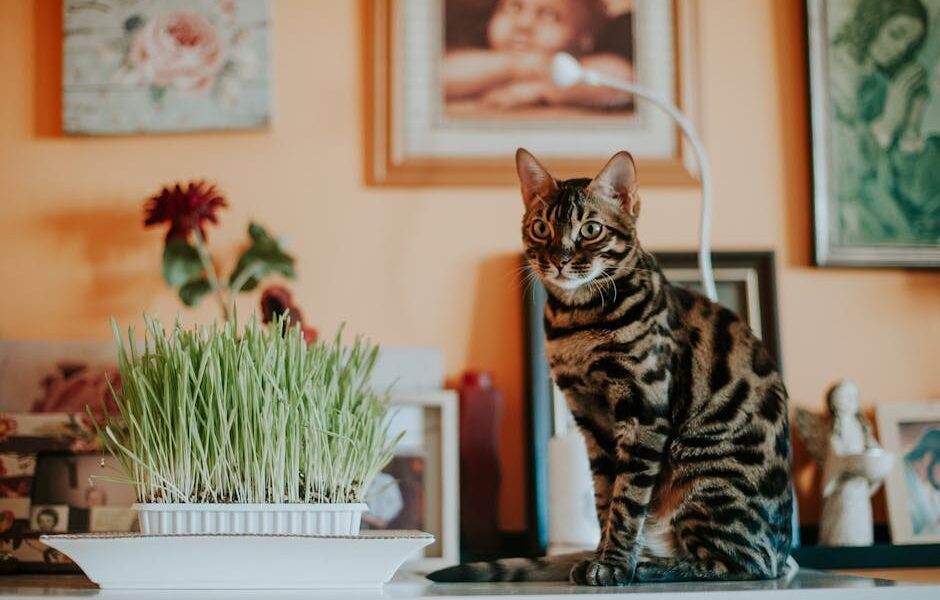
The coat is the Toyger’s defining feature. The short, dense, plush coat displays bold, dark tabby stripes on a rich orange or brown background. What distinguishes the Toyger’s markings from those of an ordinary tabby is the pattern: rather than the thin, fishbone-like stripes of a mackerel tabby, the Toyger’s stripes are broad, flowing, and sometimes branching, designed to mimic the random, dramatic striping of a real tiger.
The ideal Toyger has vertical stripes on the body that flow from the spine down toward the belly, with no circular patterns or bull’s-eyes on the sides. The face features circular markings around the forehead and cheeks, sometimes called “butterfly wings,” which are one of the most challenging aspects of the breed standard for breeders to achieve consistently.
The head is medium-sized with a long, broad muzzle and small, rounded ears set wide apart. The eyes are medium to small, deep-set, and rich in color, usually ranging from gold to green. The tail is long, thick, and carried low with a rounded tip, another tiger-like trait that breeders have worked to incorporate.
Temperament and Personality
Despite its wild appearance, the Toyger has one of the friendliest, most sociable temperaments of any domestic cat breed. These cats are outgoing, confident, and eager to engage with people, making them excellent companions for individuals and families alike. They are sometimes described as having a dog-like personality due to their willingness to follow their owners around the house, greet visitors at the door, and participate in family activities.
Toygers are intelligent and playful cats that retain a kitten-like enthusiasm well into adulthood. They enjoy interactive play sessions, puzzle toys, and learning tricks. Many Toygers can be taught to fetch, sit, and come when called, which adds an extra dimension of engagement to the human-cat relationship. Their intelligence also means they need regular mental stimulation to prevent boredom.
These cats are typically easygoing and adaptable, adjusting well to new environments, visitors, and changes in routine. This adaptability, combined with their social nature, makes them good candidates for families with children and for multi-pet households. Toygers generally get along well with other cats and with cat-friendly dogs, especially when introduced properly.
One of the Toyger’s most appealing traits is its moderate activity level. While more active than a Persian or Himalayan, the Toyger is less demanding than breeds like the Bengal or Abyssinian. It enjoys play and exploration but is equally content to curl up on the couch for a relaxed evening. This balance of energy and calm makes the Toyger a versatile companion for a variety of lifestyles. For more active breed options, explore our guide to the most playful cat breeds.
Exercise, Training, and Enrichment
The Toyger benefits from regular play sessions and environmental enrichment but does not require the intense exercise program needed by some high-energy breeds. Two to three interactive play sessions per day, each lasting 10 to 15 minutes, combined with access to toys, scratching posts, and climbing structures, is typically sufficient to keep a Toyger physically and mentally satisfied.
Interactive toys that mimic prey behavior, such as feather wands, fishing rod toys, and laser pointers used responsibly, are excellent choices for engaging a Toyger’s natural hunting instincts. Puzzle feeders and treat-dispensing toys provide mental stimulation and can help prevent overeating. Rotating toys regularly keeps the cat interested and prevents boredom.
Cat trees and climbing shelves provide vertical territory that cats instinctively enjoy, and Toygers are no exception. A cat tree near a window offers the dual benefits of climbing exercise and visual stimulation from watching birds and outdoor activity. Some Toyger owners also provide cat wheels for indoor exercise, which these athletic cats often enjoy.
Training is a rewarding experience with the Toyger. Their intelligence and food motivation make them receptive to clicker training, and many Toygers learn tricks quickly and enjoy the interaction that training sessions provide. Leash training is another option for Toygers, allowing them to safely explore the outdoors under supervision. Starting leash training during kittenhood yields the best results.
For creative ways to keep your Toyger engaged, visit our guide to cat enrichment activities, which includes ideas suitable for a variety of cat personality types and energy levels.
Health and Lifespan
The Toyger is a generally healthy breed with a lifespan of 12 to 15 years. As a relatively new breed with a carefully managed breeding program, the Toyger has benefited from breeders who prioritize health testing and genetic diversity. However, like all breeds, there are certain health considerations that owners should be aware of.
Hypertrophic cardiomyopathy is a concern in many cat breeds, including the Toyger. This condition, in which the heart muscle thickens abnormally, can lead to heart failure if not detected and managed. Reputable breeders screen their cats with echocardiograms and work to minimize the incidence of HCM in their breeding lines.
Because the Toyger breed incorporates domestic shorthair and Bengal ancestry, some of the health conditions associated with those breeds may appear in individual Toygers. These can include patellar luxation, a condition where the kneecap slips out of position, and various eye conditions. Regular veterinary checkups and awareness of any changes in behavior or physical condition help catch potential issues early.
Obesity is a concern for any domestic cat, and the Toyger’s food motivation and moderate activity level mean that portion control is important. Feeding a high-quality diet appropriate for the cat’s age, weight, and activity level, and avoiding excessive treats, helps maintain a healthy weight. Interactive feeding methods, such as puzzle feeders and food-dispensing toys, can slow eating and provide mental engagement at mealtimes.
Dental disease is common in cats of all breeds, and regular dental care, including home brushing and professional cleanings as recommended by your veterinarian, supports long-term oral health. Keeping vaccinations current and providing preventive care for parasites rounds out the health maintenance routine for a Toyger.
Grooming Needs
One of the Toyger’s many practical advantages is its low-maintenance coat. The short, dense, plush coat requires minimal grooming compared to long-haired breeds. Weekly brushing with a rubber grooming mitt or soft bristle brush removes loose hair, distributes natural oils, and keeps the coat looking its best. The Toyger’s coat has a distinctive glittered quality in some individuals, where the tips of the hairs catch the light and create a subtle shimmer, adding to the breed’s visual appeal.
The Toyger is a moderate shedder, with slightly increased shedding during seasonal coat changes in spring and fall. Regular brushing during these periods helps manage loose hair. Bathing is rarely necessary unless the cat gets into something messy; the Toyger’s coat is naturally clean and does not tend to become oily or matted.
Regular ear cleaning, nail trimming, and dental care complete the grooming routine. Ears should be checked weekly for wax buildup or signs of infection. Nails should be trimmed every two to three weeks or as needed. Daily tooth brushing with a cat-safe toothpaste is ideal for preventing dental disease, though even two to three times per week is beneficial.
The Toyger’s low grooming requirements make it an excellent choice for owners who want a stunning, exotic-looking cat without the intensive grooming commitment of long-coated breeds. This practical advantage, combined with the breed’s sociable temperament and moderate activity level, contributes to the Toyger’s growing popularity as both a show cat and a family pet.
Who Is the Toyger Cat Best For?
The Toyger is a versatile breed that suits a wide range of owners and living situations. Its combination of striking appearance, friendly temperament, moderate activity level, and easy-care coat makes it one of the more accessible exotic-looking cat breeds available.
Families with children will appreciate the Toyger’s sociable, patient nature and its willingness to engage in play without being overly demanding. These cats are sturdy enough to handle gentle play with children and confident enough to set boundaries when needed. Teaching children to handle cats respectfully ensures a harmonious relationship.
Singles and couples who want a beautiful, engaging companion will find the Toyger to be an excellent choice. These cats bond closely with their owners and provide both entertainment and companionship. Their moderate exercise needs and adaptable nature make them suitable for apartment living, provided they have adequate enrichment.
Cat enthusiasts who are drawn to wild-looking breeds but prefer a fully domestic cat will find the Toyger to be a satisfying alternative to hybrid breeds. The absence of wild ancestry means no legal restrictions, no generational temperament variations, and a more predictable, consistently friendly personality.
The Toyger may not be the ideal choice for owners who are away from home for very long hours, as these social cats thrive on human interaction. It is also not the best fit for someone seeking an extremely calm, passive cat; while not hyperactive, the Toyger does need play and engagement to stay content. If you are also considering the breed that inspired the Toyger’s creation, our Bengal cat breed profile offers a detailed look at that popular breed.
Frequently Asked Questions About the Toyger Cat
Are Toyger cats part tiger?
No, Toyger cats have absolutely no tiger DNA. The name “Toyger” is a combination of “toy” and “tiger,” reflecting the breed’s goal of resembling a tiger in miniature. Toygers are fully domestic cats created through selective breeding of domestic shorthairs and Bengals, with no wild cat ancestry in their lineage. This makes them legal to own everywhere that domestic cats are permitted and gives them a reliably friendly, domestic temperament.
How much do Toyger cats cost?
Toyger kittens from reputable breeders typically cost between $1,500 and $5,000, with show-quality cats at the higher end of that range. The breed’s relative rarity and the difficulty of consistently producing the ideal tiger-striped coat pattern contribute to the higher price point. Pet-quality Toygers, which may have less defined markings but are equally wonderful as companions, are generally more affordable. Always purchase from a breeder who health-tests their cats and provides appropriate documentation.
Do Toyger cats need a lot of attention?
Toygers are social cats that enjoy human interaction and do best in homes where they receive regular attention and engagement. However, they are not as demanding as some high-energy breeds. They can entertain themselves for reasonable periods with access to toys and enrichment, but they do not thrive when left alone for extended hours day after day. A companion cat can help provide social interaction when you are away from home.
Are Toygers good with other cats and dogs?
Toygers are generally sociable and adaptable, making them good candidates for multi-pet households. They typically get along well with other cats and with cat-friendly dogs, especially when introduced gradually and when each pet has access to its own resources. Their confident, easygoing nature helps them navigate the dynamics of multi-pet living without excessive stress or conflict.
Looking to adopt a Toyger Cat Breed Profile?
Browse Toyger Cat Breed Profile cats and mixes available for adoption from shelters and rescues near you.
Find Toyger Cat Breed Profile Cats for Adoption