
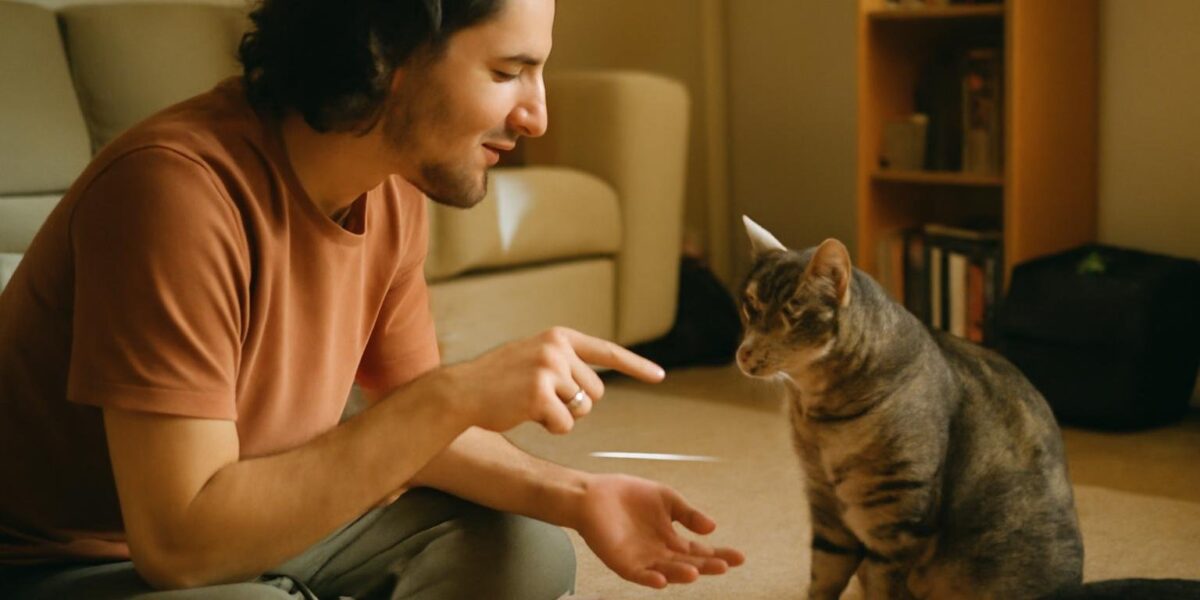
If your cat likes to lean in and give your nose a little nip, leaving you asking, “Why does my cat bite my nose?”, the answer is usually affection, scent interest, and grooming instinct. Gentle nose nibbles are often a cat’s way of showing love, exploring your unique smell, and even “grooming” you the way they would a feline companion. Your nose is warm, prominent, full of interesting scents, and right at face level when your cat snuggles up, making it an easy and appealing target. Most nose biting is soft, sweet, and well-intentioned. The main thing to understand is how to tell affectionate nibbles from overstimulation bites, and to know that excessive drooling or licking can occasionally be a vet flag.
In this article
Let us explore why cats bite noses, how to read the difference between love bites and “enough is enough” bites, and what to do about it.
Affection and Love Bites
Cats use their mouths to communicate affection. Gentle, soft nibbling, often called a “love bite,” is a common way cats express fondness for their favorite people. When your cat nibbles your nose without any real pressure, they are usually saying they feel close and comfortable with you.
These affectionate nips are typically slow, gentle, and paired with relaxed, happy body language, perhaps purring, kneading, or a content posture. Mother cats nibble their kittens, and littermates nibble each other during friendly interactions, so your cat may simply be treating you like a beloved member of their family. To better read the relaxed, affectionate signals that go with love bites, our cat body language guide is a helpful companion.
Scent Exploration and Grooming
Your nose is a scent hotspot. It is warm, it is right in the middle of your face, and it carries your personal smell along with the scents of whatever you have been doing. Cats are deeply scent-driven, and biting or nibbling your nose lets them investigate and interact with that smell up close.
Grooming is another big factor. Cats groom the companions they trust, and that grooming includes gentle nibbling along with licking to work through fur, or in your case, to “tidy up” your face. A cat that licks and then lightly bites your nose is often grooming you exactly as they would another cat. This pairs closely with nose licking; our article on why cats lick your nose covers the grooming and bonding side of the behavior in more depth.
Play, Attention, and Wake-Up Calls
Not every nose bite is pure affection. Cats are clever and quickly learn what gets a reaction. A few other motivations can be at play:
Seeking Attention
If your cat has learned that nibbling your nose makes you wake up, pet them, or react in any way, they may use it as a reliable attention-getter. Cats are wonderful at training their humans, and a nose nip first thing in the morning is a classic “feed me” or “notice me” tactic.
Playfulness
Especially in kittens and young cats, a nose bite can be part of playful, mouthy behavior. Cats explore the world with their mouths, and a wiggling, breathing nose can be an irresistible target during a playful mood. Channeling that energy into proper play sessions and enrichment activities gives your cat better outlets than your face.
Overstimulation Bites and Reading the Warning Signs
This is the most important section, because not all nose bites are gentle. Cats have a threshold for petting and contact, and when they reach it, a previously content cat can suddenly nip. This is called overstimulation, and it is a normal feline response, not aggression or spite.
An overstimulation bite is usually preceded by clear warning signals. If you learn to spot them, you can stop before the nip happens. Watch for:
- A twitching or thrashing tail
- Flattened or rotating “airplane” ears
- Skin rippling along the back
- Dilated pupils or a sudden stillness
- Tensing of the body or a turn of the head toward your hand or face
When you see these cues, pause the interaction and give your cat space. Respecting their limits builds trust and prevents bites. Our guide to cat stress signs goes deeper into reading these signals so you can catch overstimulation early.
It helps to understand why overstimulation happens at all. Repeated stroking, especially along the back and toward the tail, can build up to a point where the sensation tips from pleasant to overwhelming for a cat’s sensitive nervous system. The nip is your cat’s way of saying “that is enough for now,” and it is not a betrayal or a sign of a mean cat. Cats also have individual thresholds: some will tolerate long cuddle sessions, while others reach their limit after just a few strokes. Learning your particular cat’s tolerance, and keeping affection sessions a little shorter than that limit, is the single most effective way to keep every interaction positive and bite-free.
Normal vs. When to See the Vet
Gentle, occasional nose nibbling is normal and affectionate. The behavior is worth a closer look when bites become hard or frequent, or when biting and licking are paired with other changes.
Consider consulting your veterinarian or a certified behaviorist if you notice:
- Bites that are genuinely hard, frequent, or escalating into aggression
- A sudden change in temperament, with new biting that seems driven by irritability or pain
- Excessive drooling accompanying the licking and biting
- Compulsive, hard-to-interrupt licking or grooming of you or themselves
- Other signs of illness or stress, such as hiding, appetite changes, or lethargy
While most nose biting is harmless, excessive drooling or a sudden shift toward irritable biting can occasionally signal dental pain, nausea, or another medical issue, so changes in pattern deserve a vet’s attention.
How to Manage Nose Biting
If the nibbles are gentle and you do not mind them, there is nothing you need to fix. If they are too much, or you would simply rather keep your nose nip-free, here is how to gently shape the behavior:
- Read the body language. Stop petting or snuggling before your cat hits their overstimulation threshold to head off bites entirely.
- Redirect to toys. When your cat gets mouthy, offer a toy or wand instead of your face. Never use hands or fingers as play targets.
- Avoid rewarding the bite. If a nose nip is an attention tactic, calmly end the interaction rather than reacting, so it stops working.
- Provide plenty of play. Daily play and indoor enrichment burn off the energy that fuels mouthy, playful biting.
- Never punish. Yelling or pushing your cat away can damage trust and increase anxiety. Gentle redirection always works better.
With a little observation and consistent, kind boundaries, you can enjoy your cat’s affection while keeping the bites soft and sweet.
Teaching Gentle Manners From the Start
If you have a kitten or a young cat, the habits you build now will shape how mouthy they are as an adult. The single most important rule is never to let your cat play with your hands, fingers, or face. It may be cute when a tiny kitten pounces on your fingers, but it teaches them that human skin is a legitimate play target, and that lesson carries straight into adulthood when the bites are much stronger.
Instead, always channel play onto toys. Wand toys, kicker toys, and small balls let your cat bite, grab, and “hunt” to their heart’s content without ever putting your skin in the line of fire. When your cat does aim for your nose or hands, calmly redirect them to a toy rather than wrestling or pulling away sharply, which can read as part of the game.
Consistency from everyone in the household matters too. If one person allows hand play while another discourages it, your cat receives mixed signals and the biting persists. With everyone on the same page, and with plenty of appropriate outlets for play and energy, most cats learn to keep their teeth soft and reserve nose contact for the gentle, affectionate love bites that are such a sweet part of life with a cat.
Frequently Asked Questions
Why does my cat gently bite my nose?
Gentle nose biting is usually a love bite, a sign of affection, scent interest, and grooming instinct. Your nose is warm, prominent, and full of your personal scent, which makes it an appealing target when your cat snuggles up.
Is my cat biting my nose out of aggression?
Usually not. Most nose bites are affectionate or playful. Harder bites are typically overstimulation, when a cat has had enough contact, and are preceded by warning signs like a twitching tail or flattened ears, not true aggression.
How do I stop my cat from biting my nose?
Watch for overstimulation signals and pause before your cat reaches their limit, redirect mouthy behavior to toys, avoid rewarding attention-seeking nips, and provide plenty of play. Never punish, as that harms trust and can worsen the behavior.
Why does my cat lick and then bite my nose?
That lick-then-nibble combination is classic grooming behavior. Cats groom the companions they trust by licking and gently nibbling, so your cat is essentially grooming your face the way they would another cat’s fur.
When should I worry about nose biting?
Be concerned if bites become hard or frequent, if your cat suddenly turns irritable, or if biting and licking come with excessive drooling, compulsive grooming, or other signs of illness. These changes warrant a vet or behaviorist consultation.


