Last updated: May 4, 2026
In this article
Overview of the Anatoli Cat
The Anatoli cat, also known as the Turkish Shorthair, is a landrace breed native to the Anatolian peninsula in Turkey. It is essentially the working farm and village cat of central Turkey, formalized in recent decades by European breeders who recognized that the cats around them had a consistent type worth preserving as a distinct breed. The Anatoli is recognized by the World Cat Federation and is sometimes considered a sister breed to the Turkish Van and Turkish Angora.
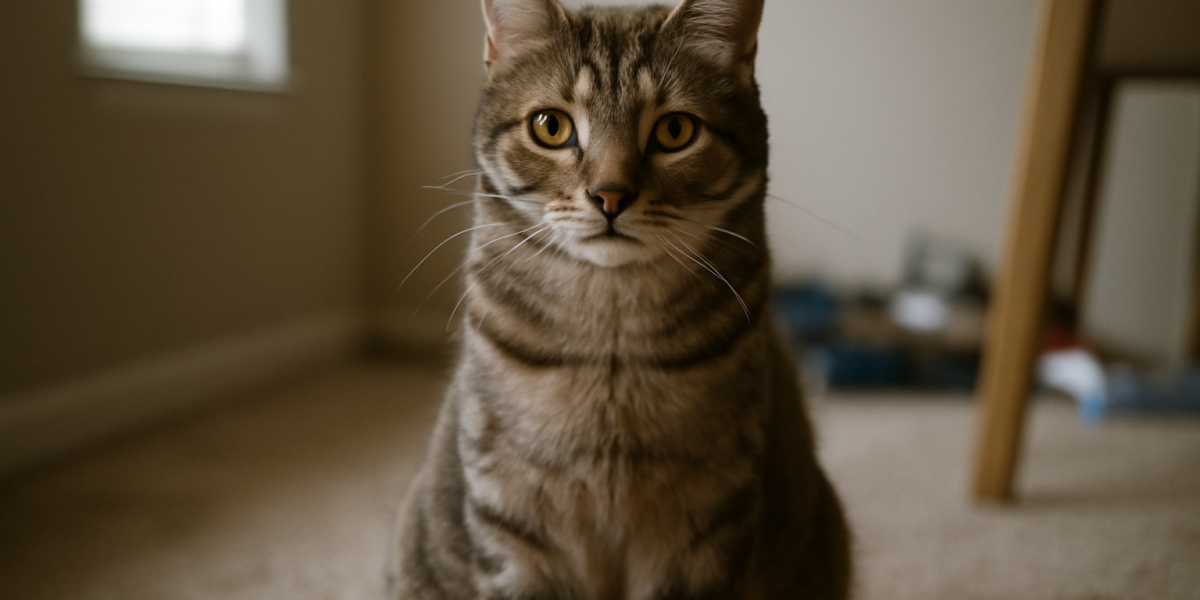
Anatolis are medium to large, athletic, and sturdy, with a short, dense, water-resistant coat and a confident, friendly temperament. They have not been molded by selective breeding the way Western pedigrees have, and that gives them a robust, unfussy quality that many adopters find appealing.
If you are interested in Turkish breeds, our comparison of the Turkish Angora vs Turkish Van covers the two best-known cousins. The Anatoli rounds out the trio as the shorthair landrace member of the Turkish cat family.
History and Origins
Cats have been part of life in Anatolia for centuries, kept around farms, fishing villages, and city neighborhoods. The Anatoli emerged not from a planned breeding program but from generations of natural selection in a specific region. European cat fanciers, especially in the late twentieth century, began documenting the type, and the World Cat Federation eventually recognized the Anatoli as its own breed.
Because it is a landrace breed, the Anatoli’s gene pool is broad. There is more variation in size, color, and coat pattern than you would see in a tightly bred pedigree, and that genetic diversity tends to favor general robustness. The breed is most often pure-bred only when sourced through programs that draw directly from Anatolian foundation stock.
The Anatoli is closely tied historically to the Turkish Angora and Turkish Van, but it is its own breed with a distinct shorthair coat and a different working history.
Appearance
The Anatoli is medium to large with a strong, muscular body and well-developed shoulders and hindquarters. The head is moderately wedge-shaped with rounded contours, the ears are medium to large and set wide, and the eyes are almond-shaped and can come in many colors including amber, green, gold, blue, and odd-eyed combinations.
The coat is short, dense, and lies close to the body. It has a slightly water-resistant quality reflecting the breed’s working roots in regions where farm cats often had to deal with rain, water, and rougher conditions. Color and pattern variation is wide, including solid, tabby, bicolor, tortoiseshell, and pointed varieties.
Comparison to Other Turkish Cats
The Anatoli is the shorthair counterpart to the longhaired Turkish Van and the silky-coated Turkish Angora. All three trace back to the broader cat population of Anatolia, but they have been formalized differently. Reading the Turkish Angora profile alongside this one helps clarify how the cat fancy splits naturally diverse cats into separate pedigreed breeds.
Temperament and Personality
Anatolis are friendly, intelligent, and confident. They tend to be social with humans, comfortable with strangers after a brief warm-up period, and patient with children who handle them respectfully. The breed has a working-cat history of independence, so they are generally not as clingy as some lap-focused pedigrees, but they are also not aloof.
They are active and athletic, with strong climbing and jumping skills. Indoor homes need vertical space and outlets for play, otherwise an Anatoli can become bored and look for trouble. Many enjoy fetch, puzzle toys, and even leash training when started young.
The breed often does well in multi-pet homes. They are tolerant of other cats and friendly dogs when introduced thoughtfully, and they are sometimes described as enjoying a busy household more than a quiet one. Our guide to introducing a new cat to a resident dog applies directly when bringing an Anatoli into a multi-species home.
Care and Daily Living
Anatolis are low-maintenance for grooming. A weekly brush keeps the short coat in good condition, removes loose hair, and gives you a chance to check skin, ears, and teeth. They shed seasonally but the dense coat does not mat the way longhair coats can.
Diet is straightforward. Feed a complete and balanced food matched to life stage, in measured portions, and watch body condition over time. Active breeds can carry their weight well, but they are not immune to gradual gain if free-fed.
Activity
An Anatoli needs daily play and climbing opportunities. Cat trees, window perches, and rotating toys keep them satisfied. Many Anatolis enjoy water more than the average cat, so don’t be surprised if your Anatoli watches the bathtub fill or paws at running faucets. The best indoor cats guide has setup ideas that translate well to athletic breeds like the Anatoli.
Health Considerations
As a landrace breed with a broad genetic base, the Anatoli is generally robust. There are no widely documented breed-specific conditions, and the breed’s working history seems to have selected for hardiness over generations.
That said, every cat benefits from preventive veterinary care. Maintain annual wellness exams, follow age-appropriate vaccinations, and address dental concerns early. Our cat vaccination schedule and annual vet exam for cats resources cover the foundation of preventive care for any cat.
Watch for the conditions that affect cats broadly as they age, including kidney changes, dental disease, and weight management. The senior cat care checklist walks through what to monitor as your Anatoli enters older life stages.
Comparing the Anatoli with Other Working Breeds
The Anatoli shares a working-cat lineage with several breeds that have been formalized from regional landrace populations. The American Shorthair developed from working cats in colonial America, the European Shorthair from the working cats of continental Europe, and the various Asian landrace breeds from the working cats of their respective regions. Reading the European Shorthair and American Shorthair profiles alongside the Anatoli highlights how different cultures have formalized similar working-cat starting points into distinct breeds.
What sets the Anatoli apart is its close tie to a specific geography and to other Turkish breeds. The Turkish Angora and Turkish Van are its longhaired regional cousins, and together the three represent the cat fancy’s recognition of Anatolia as a meaningful cat-breed region. The Anatoli’s water tolerance, athletic build, and confident temperament are traits it shares with its Turkish cousins.
For households who specifically want an active, sturdy, low-grooming working-type cat, the Anatoli is one of several strong options. The choice often comes down to availability and individual cat personality more than to dramatic breed differences.
Adopting an Anatoli
True pedigreed Anatolis are very rare outside Turkey and continental Europe, and finding one in a North American shelter is unlikely. Many Turkish-type shorthair cats living in shelters are essentially Anatoli in everything but pedigree paperwork, however, since the breed reflects an entire regional population of working cats.
If you fall in love with the type rather than the registration, your odds rise significantly. Look for sturdy, friendly, short-coated cats with the rounded face and athletic build of a Turkish working cat. Our cat-only rescues overview and the guide to finding a reputable rescue in your state help you find rescues most likely to receive cats of this type.
If you contact any breeder, check our list of reputable rescue red flags first to know what to ask and what to avoid.
Living with an Anatoli
An Anatoli at home brings a particular kind of energy. They are not background cats. They notice what you are doing, weigh in with their opinions through chirps or trills, and often insert themselves into household activities. Cooking dinner, folding laundry, or working at a desk all become opportunities for an Anatoli to participate.
Vertical space changes the experience dramatically. Anatolis love to climb, and a household with a tall cat tree, a few stable shelving climbs, and window perches gives the cat outlets that prevent them from climbing things you would prefer they leave alone. A bored athletic cat with no climbing options is a cat that finds them on their own.
Many Anatolis adapt well to harness training when started in kittenhood. Short walks in a quiet yard or on a quiet street can give an Anatoli a controlled outdoor experience without the risks of free-roaming. Not every Anatoli takes to the harness, and forcing it never goes well, but for those who enjoy it the practice adds a layer of enrichment to their lives.
Multi-cat households work well in most cases. Anatolis tend to be tolerant rather than territorial, and they often enjoy the company of another active cat for play and companionship. Sufficient resources spread across the home, including multiple litter boxes and water sources, support a peaceful multi-cat household with any breed.
Is an Anatoli Right for You?
The Anatoli suits households that want an active, friendly, low-grooming cat with a confident personality. They do well with families, other pets, and busy daily routines, as long as they have space to climb and play. They are not the best choice for someone who wants a constant lap cat, but they are an excellent match for adopters who appreciate a cat with its own opinions and an athletic streak.
For a comparison, the Turkish Van shares many traits but with a longer coat and slightly more dramatic personality. If you have considered the Van but want easier coat care, the Anatoli could be the right step sideways.
Frequently Asked Questions
Is the Anatoli the same as a Turkish Van or Turkish Angora?
No. All three breeds trace back to Anatolia, but they are recognized as separate breeds with different coat lengths and breed standards. The Anatoli is the shorthair landrace, the Van is the semi-longhair Lake Van breed, and the Angora is the silky-coated breed associated with Ankara.
What is the Anatoli’s temperament like?
Anatolis are confident, friendly, intelligent, and active. They bond well with their families, generally accept other pets, and prefer engaging households over quiet ones.
Are Anatolis good with water?
Many Anatolis enjoy water more than the average cat, similar to their Turkish Van cousins. Some will play in shallow water, watch faucets, or even join their humans near the bathtub.
Are Anatolis healthy?
Yes, generally. The breed’s broad landrace gene pool tends to favor robustness, and there are no widely documented breed-specific conditions. Standard feline preventive care is the main requirement.
Where can I adopt an Anatoli?
True pedigreed Anatolis are rare outside Europe. In North America, your best path is to look for Turkish-type shorthair cats in rescue, which capture the same temperament and look without the formal paperwork.
Looking to adopt a Anatoli (Turkish Shorthair) Cat Breed Profile?
Browse Anatoli (Turkish Shorthair) Cat Breed Profile cats and mixes available for adoption from shelters and rescues near you.
Find Anatoli (Turkish Shorthair) Cat Breed Profile Cats for Adoption