
Last updated: May 16, 2026
In this article
Bird Cherry Trees Are Toxic to Dogs: A Serious Risk
Bird cherry (Prunus padus) is toxic to dogs, and the danger is more severe than with many common toxic plants. The leaves, bark, stems, and seeds (pits) of bird cherry trees contain cyanogenic glycosides — compounds that release hydrogen cyanide when chewed and digested. Cyanide poisoning can be life-threatening and requires immediate emergency veterinary treatment.
The toxicity level of bird cherry ranges from moderate to severe depending on the amount ingested and which part of the tree is consumed. Wilted or damaged leaves are the most dangerous because the wilting process increases the concentration of available cyanide. The seeds inside the small black fruits also contain significant amounts of cyanogenic glycosides. If you suspect your dog has eaten any part of a bird cherry tree, treat this as a veterinary emergency.
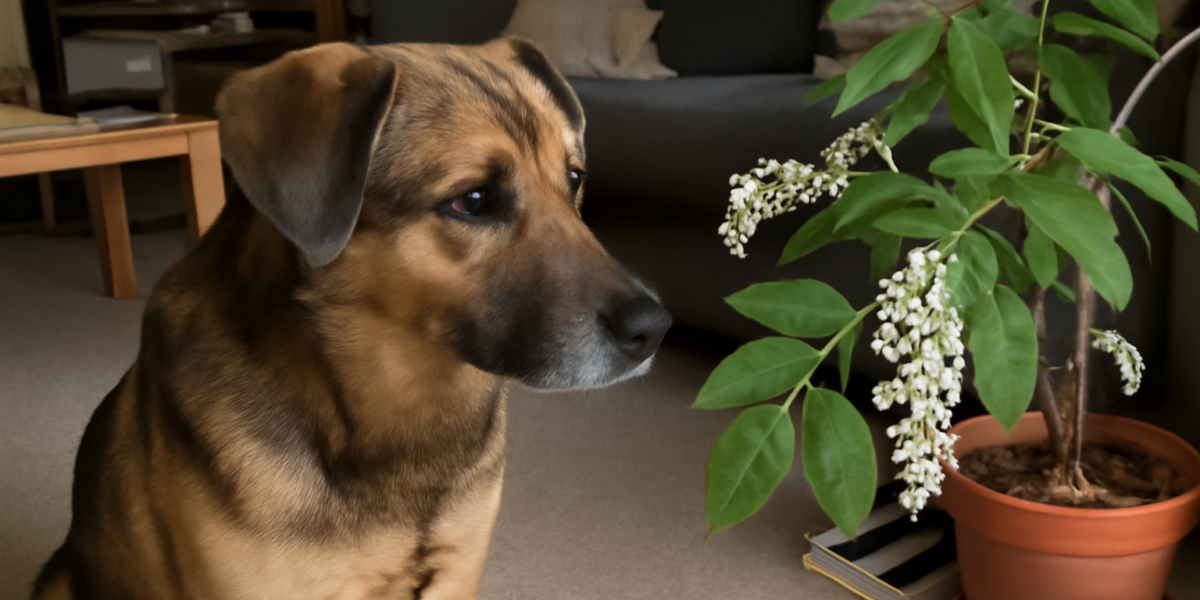
Bird cherry is a deciduous tree native to Europe and northern Asia that has been widely planted as an ornamental throughout North America. It produces drooping clusters of fragrant white flowers in spring, followed by small dark fruits that attract birds. The tree grows along roadsides, parks, hedgerows, and residential landscapes, where dogs may encounter fallen branches, leaves, and fruit.
Understanding Cyanogenic Glycosides in Bird Cherry
The specific cyanogenic glycosides in bird cherry are primarily amygdalin and prunasin, compounds found throughout the Prunus genus, which also includes cherries, plums, peaches, and almonds. These glycosides are not directly toxic in their intact chemical form. The danger arises when they are metabolized.
When a dog chews and swallows plant material containing cyanogenic glycosides, enzymes in the plant tissue and in the dog’s digestive system break down these compounds. This enzymatic process releases hydrogen cyanide (HCN) — a potent cellular toxin that prevents cells from using oxygen, even though the blood is still carrying it.
Cyanide works by inhibiting cytochrome c oxidase, the final enzyme in the mitochondrial electron transport chain. This effectively shuts down aerobic cellular respiration, starving tissues of oxygen at the cellular level. The brain, heart, and other oxygen-dependent organs are affected first, which is why neurological and cardiovascular symptoms appear rapidly.
Several factors affect how much cyanide is released from bird cherry material:
- Wilted leaves are the most dangerous. When leaves wilt — from storm damage, pruning, drought, or frost — the plant cells break down and release more enzymes, increasing cyanide availability substantially.
- Seeds and pits contain high concentrations of amygdalin and release cyanide when crushed by chewing.
- Fresh, intact leaves are less dangerous than wilted ones but still contain cyanogenic glycosides.
- Bark contains moderate amounts, particularly the inner bark.
- Ripe fruit flesh contains very low levels and is generally considered the least toxic part, though the seeds within the fruit remain a risk.
Symptoms of Bird Cherry Poisoning in Dogs
Cyanide poisoning symptoms can develop rapidly — sometimes within 15 to 30 minutes of ingestion. The speed and severity depend on the amount of plant material consumed relative to the dog’s body weight and which plant parts were eaten.
Early Symptoms (Within Minutes to One Hour)
- Excessive drooling and salivation
- Difficulty breathing or rapid, labored breathing
- Bright cherry-red mucous membranes (a hallmark of cyanide poisoning, though this sign is not always present)
- Restlessness and anxiety
- Vomiting
- Abdominal pain
Progressive Symptoms (Moderate Poisoning)
- Dilated pupils
- Staggering and loss of coordination (ataxia)
- Rapid, weak heartbeat
- Muscle tremors
- Weakness and difficulty standing
Severe Symptoms (Emergency)
- Seizures
- Collapse
- Blue or gray mucous membranes (cyanosis) as oxygen delivery fails
- Loss of consciousness
- Respiratory arrest
- Cardiac arrest
Cyanide poisoning can progress from early symptoms to life-threatening crisis within one to two hours. Do not wait for symptoms to worsen. Any dog suspected of eating bird cherry leaves, bark, or seeds needs emergency veterinary care immediately, even if they appear normal in the first few minutes.
Emergency First Aid for Bird Cherry Ingestion
Bird cherry ingestion is a true veterinary emergency. Your primary goal is getting your dog to professional care as quickly as possible.
- Remove your dog from the source immediately. Prevent any further consumption of plant material.
- Call ahead to your emergency vet. Phone while you are driving to the clinic. Tell them you suspect cyanide plant poisoning so they can prepare antidote medications before you arrive. Time is critical.
- Bring a plant sample. If you can safely and quickly grab a piece of the plant, bring it for identification. A photo on your phone also works.
- Do not induce vomiting at home. While removing the toxin source seems logical, inducing vomiting without veterinary supervision can be dangerous. If cyanide has already been absorbed, the time spent attempting home treatment delays life-saving antidote administration. Your vet will decide whether to induce vomiting based on the clinical situation.
- Keep your dog as calm as possible. Physical exertion increases oxygen demand, which worsens the effects of cyanide poisoning. Carry your dog to the car rather than letting them walk if possible.
- Note the time of ingestion and approximate amount. This information helps the veterinary team gauge severity and guide treatment intensity.
If you are unable to reach a vet immediately, the ASPCA Animal Poison Control Center (888-426-4435) and the Pet Poison Helpline (855-764-7661) can provide guidance while you are in transit. A consultation fee applies but is well worth it in an emergency. For other dangerous plants, see our guide on sago palm toxicity in dogs, another plant with potentially fatal consequences.
Veterinary Treatment for Cyanide Poisoning
Veterinary treatment for bird cherry (cyanide) poisoning is aggressive and time-sensitive. Specific antidotes exist and are highly effective when administered promptly.
Cyanide antidote therapy: The primary antidotes are sodium nitrite and sodium thiosulfate, often administered together. Sodium nitrite converts hemoglobin to methemoglobin, which binds cyanide more readily than cytochrome c oxidase, pulling cyanide away from the cellular machinery. Sodium thiosulfate then converts the cyanide-methemoglobin complex into thiocyanate, a much less toxic compound that the kidneys can excrete. Hydroxocobalamin (a form of vitamin B12) is another antidote that directly binds cyanide and is used increasingly in veterinary emergency practice.
Oxygen therapy: High-flow oxygen supplementation supports the dog while the antidote takes effect. In severe cases, mechanical ventilation may be necessary.
Decontamination: If the dog is stable and ingestion was recent, the vet may induce vomiting and administer activated charcoal to reduce further cyanide absorption from plant material still in the stomach.
Intravenous fluids: Aggressive fluid therapy helps flush toxins, support blood pressure, and maintain organ perfusion.
Monitoring: Heart rhythm, blood pressure, oxygen saturation, and neurological status are monitored continuously. Blood lactate levels and acid-base status help assess the severity of cellular oxygen deprivation.
With prompt antidote administration, many dogs recover from cyanide poisoning within hours. The prognosis worsens significantly with delayed treatment. Dogs who have already experienced seizures or respiratory arrest have a guarded prognosis, though recovery is still possible with aggressive care.
Preventing Bird Cherry Exposure
Because bird cherry toxicity is more severe than many common plant poisonings, proactive prevention is essential if these trees are present in your dog’s environment.
- Identify bird cherry trees on your property. Learn to recognize the tree’s oval, finely serrated leaves, drooping white flower clusters, and small black fruit. If you find one in an area your dog accesses, consider removal or fencing.
- Clean up fallen material immediately. After storms, heavy winds, or pruning, collect all fallen leaves, twigs, and branches promptly. Remember that wilted leaves are the most toxic — do not leave cuttings where a dog can reach them.
- Fence around bird cherry trees. If removal is not practical, a fence preventing your dog from accessing the tree’s drip zone keeps them away from fallen material.
- Be vigilant on walks. Bird cherry trees grow along many walking trails, parks, and roadsides. Keep your dog on a leash in areas where you have seen these trees, especially after storms that bring down branches.
- Dispose of fruit and seeds carefully. The small black fruits are attractive to dogs. Pick up fallen fruit or prevent access during fruiting season (late summer through early fall).
Our dog care hub covers a wide range of safety topics, and the dog adoption section includes home preparation guides to help keep your dog safe from the start.
Frequently Asked Questions
How much bird cherry is toxic to a dog?
The toxic dose of cyanogenic glycosides in dogs is approximately 2 mg of hydrogen cyanide per kilogram of body weight. However, the actual cyanide content in plant material varies widely depending on the plant part, freshness, and growing conditions. Even a few wilted leaves can contain enough cyanogenic glycosides to poison a small dog. Any ingestion should be treated as potentially dangerous.
Are the bird cherry fruits safe for dogs to eat?
The ripe fruit flesh contains very low levels of cyanogenic glycosides and is unlikely to cause problems in small amounts. However, the seeds (pits) inside the fruits contain concentrated amygdalin and are toxic if crushed by chewing. Since dogs tend to crunch rather than swallow fruits whole, eating bird cherry fruit poses a risk from the crushed seeds. It is safest to prevent access entirely.
Can a dog die from eating bird cherry?
Yes, bird cherry poisoning can be fatal if a dog ingests enough cyanogenic glycoside-containing material and does not receive prompt veterinary treatment. Wilted leaves and crushed seeds pose the greatest lethal risk. This is one of the more dangerous plant toxicities in dogs, which is why immediate emergency veterinary care is critical.
Is bird cherry the same as regular cherry trees?
Bird cherry (Prunus padus) is a different species from cultivated sweet cherry (Prunus avium) or sour cherry (Prunus cerasus), but all belong to the Prunus genus. All Prunus species contain cyanogenic glycosides in their leaves, bark, and seeds. The same precautions apply to ornamental and wild cherry trees of any species.
How quickly does cyanide poisoning from plants develop in dogs?
Symptoms can appear within 15 to 30 minutes of ingestion, sometimes sooner if the dog consumed wilted leaves or crushed a large number of seeds. The rapid onset is one reason this toxicity is so dangerous — there is a short window to begin treatment. This is why calling your emergency vet while driving to the clinic is recommended rather than waiting to see if symptoms develop.


