
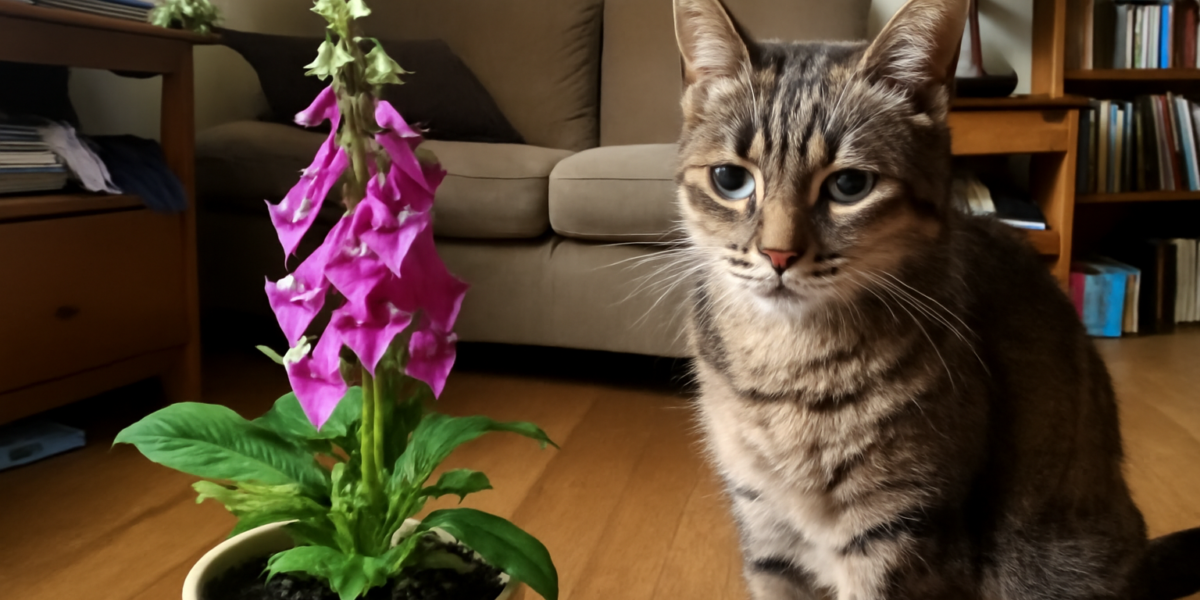
Foxglove Is Extremely Toxic to Cats
Foxglove (Digitalis purpurea) is one of the most dangerous plants your cat can encounter. Every part of the foxglove plant is toxic to cats, including the flowers, leaves, stems, seeds, and even the water in a vase holding cut foxglove. The toxic compounds, known as cardiac glycosides, directly affect the heart and can cause life-threatening cardiac arrhythmias, organ failure, and death if not treated immediately.
In this article
The severity of foxglove poisoning cannot be overstated. Even a small amount of ingested plant material can produce serious symptoms. The primary cardiac glycosides in foxglove, digitoxin and digoxin, interfere with the sodium-potassium pump in heart muscle cells, disrupting the electrical signals that control heartbeat. Cats are particularly sensitive to these compounds due to their small body size and unique metabolism.
If you suspect your cat has chewed on or ingested any part of a foxglove plant, treat it as a veterinary emergency. Do not wait for symptoms to appear. Time is critical with cardiac glycoside poisoning.
Toxic Compounds in Foxglove
Foxglove contains more than thirty different cardiac glycosides, with digitoxin, digoxin, and gitoxin being the most clinically significant. These compounds are so potent that pharmaceutical-grade digoxin, derived from foxglove, is used in human medicine to treat heart failure and certain arrhythmias at carefully controlled doses.
The concentration of cardiac glycosides varies throughout the plant. The leaves contain the highest concentrations, particularly the upper leaves of a first-year plant before flowering. However, the flowers, seeds, and roots all contain enough toxin to poison a cat. Even dried foxglove retains its toxicity, meaning dried flower arrangements pose a risk.
These compounds are absorbed through the gastrointestinal tract and begin affecting the heart within one to two hours of ingestion. They have a long half-life, meaning they remain active in the body for an extended period and can continue to cause damage even after the initial exposure.
Symptoms of Foxglove Poisoning in Cats
Symptoms of foxglove toxicity in cats typically appear within two to four hours of ingestion, though they can develop sooner with larger amounts. The progression of symptoms often follows a predictable pattern.
Early symptoms include:
- Drooling and nausea
- Vomiting, sometimes with blood
- Diarrhea, which may also be bloody
- Loss of appetite and abdominal pain
As the cardiac glycosides take effect on the heart, more serious symptoms develop:
- Abnormal heart rhythm, either dangerously slow (bradycardia) or irregular
- Weakness and lethargy
- Dilated pupils
- Tremors or muscle weakness
- Collapse
- Seizures in severe cases
Without treatment, foxglove poisoning can progress to complete heart block, cardiac arrest, and death. The fatality rate for untreated foxglove poisoning in cats is extremely high. Even with aggressive veterinary treatment, severe cases carry a guarded prognosis.
First Aid Steps Before Reaching the Vet
If you catch your cat chewing on foxglove or suspect ingestion, act immediately. Every minute counts with cardiac glycoside poisoning.
Remove any remaining plant material from your cat’s mouth. If there are visible pieces, gently remove them with your fingers while being careful not to get bitten. Do not attempt to induce vomiting at home unless specifically instructed by a veterinarian or poison control. In cats, inducing vomiting can be dangerous and is best performed under veterinary supervision.
Call your veterinarian or the ASPCA Animal Poison Control Center (888-426-4435) immediately. Be prepared to provide information about your cat’s weight, the estimated amount of plant material ingested, and when the exposure occurred. A consultation fee applies for poison control, but their toxicologists provide critical guidance for treatment.
Transport your cat to the nearest emergency veterinary hospital as quickly as possible. Keep your cat calm and warm during transport. If you can safely bring a sample of the plant, do so for positive identification. Do not wait to see if symptoms develop. With foxglove, by the time cardiac symptoms appear, the poisoning has already progressed to a critical stage.
Veterinary Treatment for Foxglove Poisoning
Treatment for foxglove poisoning is intensive and typically requires hospitalization. Your veterinarian will start with decontamination if the ingestion was recent. This may include inducing vomiting under controlled conditions and administering activated charcoal to bind remaining toxins in the gastrointestinal tract.
Continuous cardiac monitoring is essential. Your cat will be placed on an electrocardiogram (ECG) to track heart rhythm and detect arrhythmias as they develop. Intravenous fluid therapy supports kidney function and helps the body process and eliminate the toxins.
Specific antiarrhythmic medications may be administered to correct dangerous heart rhythms. Atropine is commonly used for severe bradycardia, while other drugs address different types of arrhythmias. In severe cases, digoxin-specific antibody fragments (Digibind), the same antidote used in human digoxin overdose, may be available and can be life-saving.
Blood work will monitor electrolyte levels, particularly potassium, which becomes dangerously elevated during cardiac glycoside poisoning. Elevated potassium worsens the cardiac effects of the toxin, creating a compounding danger that requires careful management. Treatment for foxglove poisoning in cats is similar in urgency to other severe plant toxicities like lily poisoning.
Keeping Your Cat Safe from Foxglove
The safest approach is complete avoidance. Do not grow foxglove in any garden accessible to your cat, whether they are indoor-outdoor cats or supervised on a leash. Remove any existing foxglove plants from your property.
Be vigilant about floral arrangements and bouquets. Foxglove is occasionally included in mixed flower arrangements, and even the vase water can contain toxic compounds. If you receive flowers, check each variety before bringing them indoors.
For cat-safe garden alternatives that offer similar tall, dramatic flower spikes, consider snapdragons, delphiniums (though these have their own mild toxicity considerations), or hollyhocks. Always verify a plant’s safety status before adding it to your garden. Our guides on other toxic plants like lilies and tulips can help you identify additional dangers.
Indoor cats are not completely safe from plant toxicity. Cats are curious and agile, and even a single foxglove stem brought indoors can pose a fatal risk. Ensure all household members and visitors understand the importance of keeping toxic plants away from your cat.
Frequently Asked Questions
Can a cat die from eating a small piece of foxglove?
Yes. Due to a cat’s small body weight and sensitivity to cardiac glycosides, even a small amount of foxglove can cause serious poisoning. A single leaf or a few flower petals may contain enough toxin to produce life-threatening cardiac effects. Never assume a small exposure is safe.
How quickly do foxglove poisoning symptoms appear in cats?
Gastrointestinal symptoms like vomiting and drooling typically appear within one to four hours. Cardiac symptoms usually develop within two to six hours but can appear sooner with larger ingestions. The delay in cardiac symptom onset is particularly dangerous because owners may not realize the severity of the situation until the poisoning is advanced.
Is foxglove toxic to cats through skin contact?
The primary danger is ingestion, but the sap from foxglove can cause mild skin irritation and oral irritation if a cat chews on the plant without actually swallowing it. However, most cases of concern involve actual ingestion of plant material. Even if your cat only chewed and spat out the plant, contact your vet because some toxin may have been absorbed through the oral mucosa.
Are all species of foxglove equally toxic to cats?
All species in the Digitalis genus contain cardiac glycosides and should be considered toxic to cats. Digitalis purpurea (common foxglove) and Digitalis lanata (Grecian foxglove) are the most commonly encountered and both are highly dangerous. There is no safe variety of foxglove for homes with cats.
What is the survival rate for cats with foxglove poisoning?
With prompt and aggressive veterinary treatment, many cats can survive foxglove poisoning, particularly if treatment begins before significant cardiac symptoms develop. The prognosis worsens considerably with delayed treatment or large ingestions. Cats treated within the first hour or two after ingestion generally have the best outcomes. This is why immediate veterinary care is essential for any suspected exposure. For more information on protecting your cat from plant dangers, visit our cat care hub.


