
Last updated: May 16, 2026
In this article
- The Short Answer on Maidenhair Fern and Pets
- What Maidenhair Fern Actually Is
- Why Maidenhair Fern Earns Its Non-Toxic Listing
- What Can Still Go Wrong
- The Fragility Issue
- What to Do If Your Pet Ate Maidenhair Fern
- Why Maidenhair Fern Is a Good Choice for Pet Households
- Other Pet-Safe Fern Options
- Buying and Bringing Home a New Maidenhair Fern
- Day-to-Day With Maidenhair Fern and Pets
- The Humidity-Bathroom Strategy
- When a Vet Call Is Still Warranted
- The Bigger Picture for Pet Households
- Frequently Asked Questions
The Short Answer on Maidenhair Fern and Pets
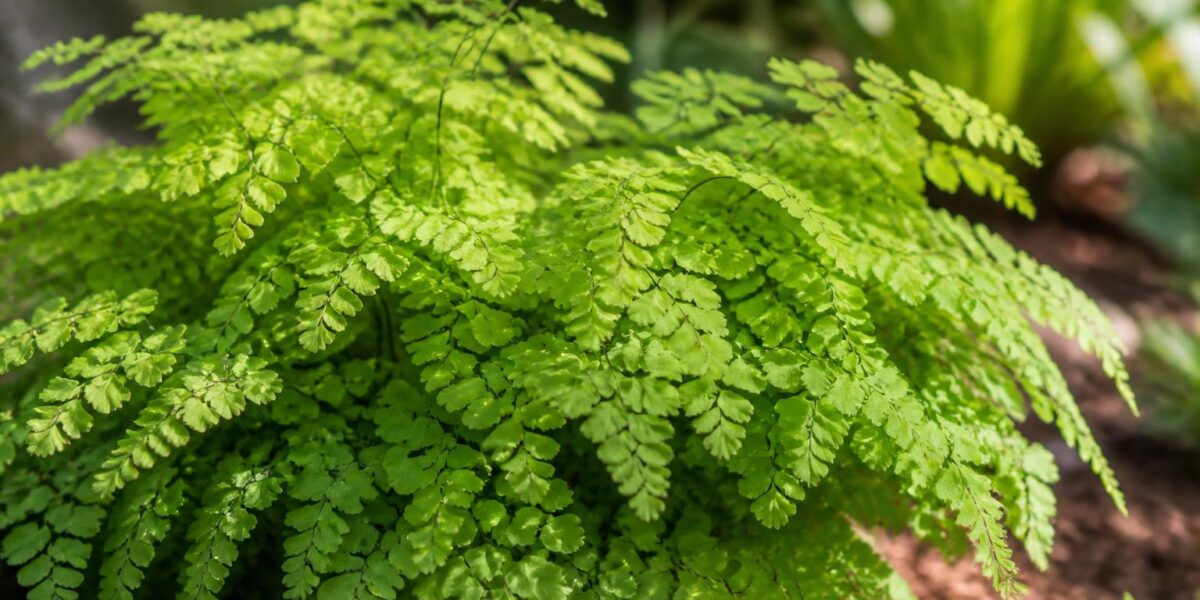
Maidenhair fern is safe for pets. Adiantum, the genus that includes maidenhair fern (Adiantum raddianum, Adiantum capillus-veneris, Adiantum tenerum, and several other commonly cultivated species) is listed by the ASPCA as non-toxic to both dogs and cats. The fronds, the rhizome, and the wiry black stems all share a clean toxicity profile with no documented systemic toxin. If your cat or dog tears off a piece and chews it, the worst you should expect is mild stomach upset from the volume of plant matter rather than any specific toxic chemistry.
That said, “non-toxic” is not the same as “no consequences.” Maidenhair fern is one of the most fragile houseplants on the market, and a single curious pet investigation can shred a frond beyond recovery. Pets that eat large quantities of any plant material can vomit or develop diarrhea. And pesticide residues on shop-bought plants are a separate concern. Read on for the full picture, the placement strategies that protect both the fern and the pet, and the reassurance you came here for.
What Maidenhair Fern Actually Is
Adiantum is a large genus of around 250 fern species native to nearly every continent. The most common houseplant species are Adiantum raddianum (delta maidenhair), Adiantum capillus-veneris (Venus maidenhair, native to Mediterranean Europe and parts of North America), and Adiantum tenerum (brittle maidenhair). The name comes from the fine, hair-like quality of the fronds — “maidenhair” because the delicate sprays of leaflets are reminiscent of long fine hair, and the genus name Adiantum from Greek meaning “unwetted,” because water beads off the leaves rather than soaking in.
The plant is famous for being one of the most beautiful and one of the most temperamental ferns in cultivation. The black, wiry stems hold delicate fan-shaped leaflets that flutter at the slightest breath of air. They demand high humidity, indirect light, and consistent moisture. Most maidenhair fern fatalities in homes come from dry indoor air rather than pet activity. The plant is also unusually delicate to touch.
Why Maidenhair Fern Earns Its Non-Toxic Listing
The ASPCA lists Adiantum as non-toxic to dogs and cats. Veterinary toxicology references do not document any systemic toxin in the fronds, stems, or rhizome. Maidenhair fern contains no calcium oxalate raphides (unlike syngonium or pothos), no cyanogenic glycosides (unlike cherry-laurel), no cardiac glycosides, and no alkaloids of veterinary concern. The plant has been used historically in herbal medicine, though that history is not a recommendation for feeding it to pets.
That places maidenhair fern alongside other cleanly non-toxic ferns such as Boston ferns, bird’s nest ferns, and the related rabbit’s foot fern (Davallia). The whole fern category is unusually pet-friendly, with most of the popular indoor fern genera listed as non-toxic. The notable exception is Asparagus densiflorus, the so-called “asparagus fern,” which is not actually a fern — it is a flowering plant in the asparagus family with mildly toxic berries. Maidenhair fern is a true fern and is fully non-toxic.
What Can Still Go Wrong
Three categories of issue can occur even with a non-toxic plant. Volume: a pet who eats a large quantity of any plant matter can vomit or have diarrhea simply from the mass of fiber. Pesticide residue: shop-bought ferns are often treated with systemic insecticides like imidacloprid, and the residue persists on leaves for weeks. Soil amendments: systemic insecticide granules mixed into nursery soil can poison a soil-eating pet even when the leaves themselves are clean.
You can manage all three. Quarantine new ferns for one to two weeks in a room the pets do not enter. Wipe the fronds gently with a damp cloth on day one — but go very gently, because maidenhair fern fronds detach with very little provocation. Repot into your own soil mix if your pet is a known dirt-eater. Discard plastic tags and any decorative pebbles. Cover the soil surface with smooth aquarium gravel or river stones if your pet is a digger.
The Fragility Issue
Maidenhair fern is unusual in the houseplant world because the plant is more vulnerable to the pet than the pet is to the plant. A cat batting at the fronds, a dog brushing past the pot, even a sustained breeze from an open window can shred the delicate leaflets in minutes. The wiry black stems break easily under any weight or tension.
If you bring home a maidenhair fern with the intention of keeping it long-term, plan the placement around the assumption that any pet contact will damage the plant. A high shelf the cat cannot reach, a glass terrarium with a closing lid, a hanging basket several feet above the floor, or a closed bathroom that the pets do not enter are all reasonable solutions. The fern itself loves the humidity of a closed bathroom, which makes that placement a happy coincidence.
What to Do If Your Pet Ate Maidenhair Fern
If your cat or dog ate a few mouthfuls of maidenhair fern fronds and is otherwise acting normally, observation is the right response. Watch for vomiting, diarrhea, or unusual lethargy over the next twelve to twenty-four hours. Most pets show no reaction at all. Some have one or two episodes of vomiting and return to normal.
Call your veterinarian or the ASPCA Animal Poison Control Center at 888-426-4435 (consultation fee applies) if you see persistent vomiting, diarrhea past twenty-four hours, weakness, refusal to drink, or any other concerning change. Pet Poison Helpline at 855-764-7661 is the second hotline. Even non-toxic ingestions warrant professional input when symptoms cross from mild to anything more.
Do not induce vomiting at home. Hydrogen peroxide and other home decontamination methods are not appropriate for non-toxic exposures because the risk of the decontamination outweighs the risk of the plant itself.
Why Maidenhair Fern Is a Good Choice for Pet Households
Despite the fragility, maidenhair fern has practical advantages for households with pets. The plant is non-toxic, so a chewed frond is a cosmetic problem rather than a vet emergency. The plant thrives in humid, low-light spots — bathrooms, north-facing windows, kitchens, terrarium-style displays — that pets often do not patrol intensively. The delicate leaflets are not particularly food-like to most pets, which means many cats and dogs ignore the plant entirely after one investigative sniff.
The plant also brings a kind of texture that few other ferns offer. The fluttering, lace-like leaflets are visually striking in a way that adds dimension to a plant collection. For households building a non-toxic collection, maidenhair fern fills a niche that no other plant occupies.
Other Pet-Safe Fern Options
If you love maidenhair fern’s delicate form and are building a non-toxic fern collection, several other ASPCA-non-toxic species pair well with it. Boston ferns bring fluffy volume in hanging baskets and are dramatically more forgiving of dry air than maidenhair. Bird’s nest ferns add a sculptural rosette form for a low pot or shelf and tolerate household humidity well. Staghorn fern (Platycerium) is wall-mounted and out of pet reach. Rabbit’s foot fern (Davallia) brings fuzzy rhizomes that creep over the pot edge.
The full cat-safe houseplants guide covers light, humidity, and pet-friendliness for each fern option. The pet-safe garden plants roundup extends the list to outdoor shaded patios and damp shaded yards.
Buying and Bringing Home a New Maidenhair Fern
When you buy a new maidenhair fern, do a few small things on day one. Acclimate the plant gradually to your home’s humidity, which is almost always lower than the nursery’s. Place the fern in a humid bathroom or near a humidifier for the first week. Quarantine it from pets for one to two weeks while pesticide residue clears. Repot only if the soil is clearly poor or if you suspect systemic insecticide; maidenhair ferns hate root disturbance and recovery from a stressful repotting can take months.
Most maidenhair ferns sold in big-box stores die within a month because the home environment is too dry. If you want the fern to live, plan for high humidity from day one — a glass cloche, a closed terrarium, a humidifier nearby, or a permanent home in a steamy bathroom.
Day-to-Day With Maidenhair Fern and Pets
Once placed in a humid spot, maidenhair fern needs water about every two to three days, depending on the surrounding humidity. Let the soil never fully dry out, but also never sit in standing water. Use room-temperature water rather than cold tap water. Mist the fronds daily if the room is dry. Do not fertilize for the first month after purchase to avoid stressing an already-fragile root system.
For pets, the plant is essentially set-and-forget once it is placed in a spot the pets do not patrol. Cats may bat at the fronds if the fern is within reach of a high shelf or chair. Dogs almost always ignore the plant entirely unless it is at floor level. If your dog is the kind who investigates everything new, plan for a hanging basket or wall-mounted display from the beginning.
The Humidity-Bathroom Strategy
One of the cleanest solutions for households that want a maidenhair fern and have pets is to put the fern in the main bathroom. Bathrooms are the most humid room in most homes thanks to daily showers, and maidenhair ferns thrive in that environment. Bathrooms are also the room many cats and dogs least frequent during the day, particularly if the door stays mostly closed. The combination of high humidity and low pet traffic is essentially custom-built for this fern.
Place the pot on a windowsill, on a glass shelf, or hanging from a ceiling hook in a corner. Make sure the fern gets at least a few hours of indirect light each day — many bathrooms are too dim, which is the second most common cause of maidenhair fern decline after dry air. A frosted window with morning sun is usually plenty.
When a Vet Call Is Still Warranted
Even with a non-toxic plant, certain situations warrant a vet call. Persistent vomiting, diarrhea past twenty-four hours, lethargy, refusal to drink water, blood in vomit or stool, or any sign that your pet is in pain warrant a phone call. So does any unusual symptom in a pet with a chronic condition.
If you have a brand-new puppy or kitten and they have eaten any plant material, including maidenhair fern, a quick phone call to the vet is a reasonable precaution. Smaller body masses respond more strongly to even minor irritants. Most calls take less than ten minutes and end with reassurance.
The Bigger Picture for Pet Households
Building a houseplant collection that fits a pet household is a process of finding plants that match your home’s conditions and your pets’ habits. Maidenhair fern is non-toxic but demanding; it rewards humidity-rich environments and punishes neglect. For households willing to put in the care, the visual reward is one of the most beautiful textures available indoors. For households that want low-effort non-toxic ferns, Boston fern and bird’s nest fern are easier first picks.
If you are bringing home a new pet soon, our cat adoption hub and dog adoption hub include household-prep guides covering plants, foods, cords, and chemicals to address before the pet arrives.
Frequently Asked Questions
Is asparagus fern the same as maidenhair fern?
No, and the distinction matters. Asparagus fern (Asparagus densiflorus) is not a true fern; it is a flowering plant with mildly toxic berries. Maidenhair fern (Adiantum) is a true fern and is fully non-toxic. The names sound similar but the safety profiles differ.
Why do my maidenhair fern’s fronds keep dropping after my cat brushes against them?
That is normal for the species. Maidenhair fronds detach with very little provocation, and any contact — feline or otherwise — can shed leaflets. The dropped fronds are still non-toxic, but the plant looks ratty after frequent contact. Move the plant to a higher shelf or into a closed terrarium.
Are the wiry black stems of maidenhair fern safe to chew?
The stems contain no documented toxin and are listed under the ASPCA non-toxic entry along with the fronds. They are very thin and flexible, so they pose minimal mechanical risk even if swallowed.
My maidenhair fern is dying after one cat encounter. Did the cat poison it?
Almost certainly not. Maidenhair ferns die from low humidity, dry soil, cold drafts, or root disturbance far more often than from any plant disease. The cat may have damaged the foliage, which then dried out faster, but the underlying problem is environmental. Move the plant to a more humid spot and trim the dead fronds; new growth often emerges from the rhizome.
Will my maidenhair fern regrow after my pet chewed all the fronds?
If the rhizome and at least a few healthy fronds are intact, yes — new fronds emerge from the rhizome over the following weeks and months. Cut back the chewed fronds to clean stems, water normally, and wait. Place the plant out of pet reach during regrowth.


