
Last updated: April 10, 2026
In this article
Are Poinsettias Really Toxic to Dogs?
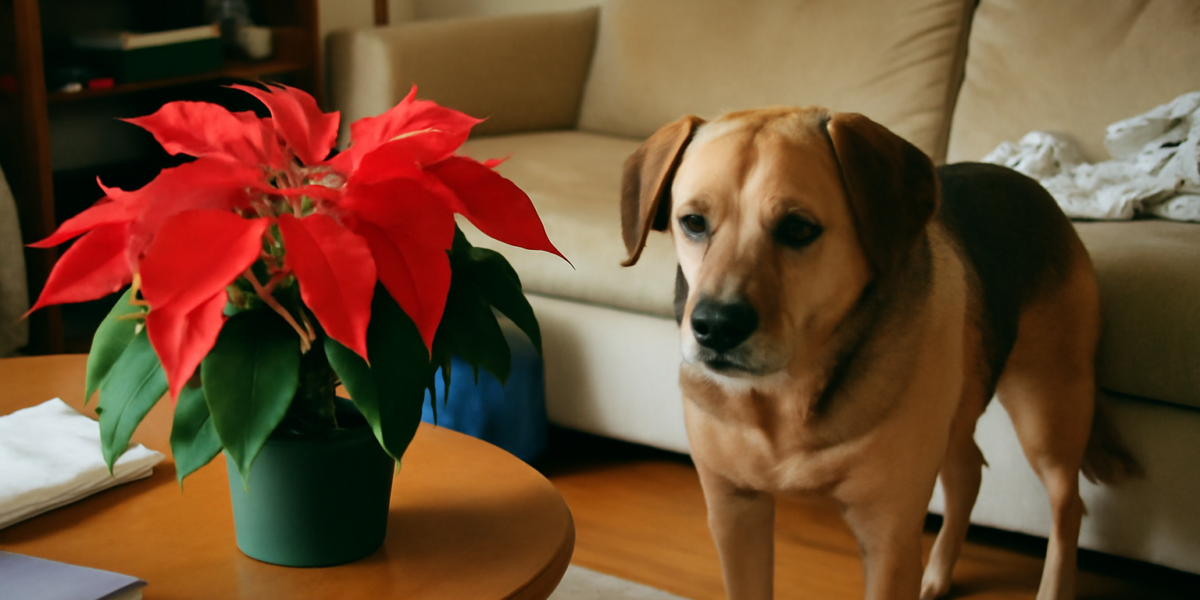
If you have ever worried about whether poinsettias are toxic to dogs, you are not alone. The good news is that poinsettias are only mildly toxic to dogs. While they are not completely harmless, they are far less dangerous than their reputation suggests. Ingesting the leaves or stems may cause mild gastrointestinal upset and irritation, but serious poisoning or fatality is extremely rare.
The milky white sap found in poinsettia leaves and stems contains chemicals called diterpenoid euphorbol esters and saponin-like detergents. These compounds are responsible for the irritation your dog may experience. However, a dog would need to consume a very large quantity of the plant to develop anything beyond mild symptoms.
Despite the relatively low risk, it is still wise to keep poinsettias out of your dog’s reach during the holiday season. Prevention is always easier than treatment, and even mild stomach upset is no fun for your furry friend.
Toxic Compounds in Poinsettias
Poinsettias belong to the Euphorbia family, a large group of plants known for producing a milky latex sap. This sap is the primary source of irritation for dogs. The key compounds responsible include diterpenoid euphorbol esters, which can irritate the mouth, esophagus, and stomach lining.
The sap also contains saponin-like substances that can cause a mild detergent effect on mucous membranes. When a dog chews on poinsettia leaves, the sap is released and comes into contact with the sensitive tissues of the mouth and digestive tract.
It is worth noting that the concentration of these irritants varies depending on the plant’s maturity and the specific cultivar. Modern poinsettia varieties have actually been bred to produce less irritating sap than their wild ancestors, which further reduces the risk to pets.
Symptoms of Poinsettia Ingestion in Dogs
If your dog nibbles on a poinsettia, you may notice several mild symptoms. The most common signs include drooling, lip licking, and pawing at the mouth. These reactions are caused by the irritating sap making contact with the oral tissues.
Gastrointestinal symptoms can also appear, including:
- Vomiting
- Diarrhea
- Decreased appetite
- Mild nausea
Some dogs may experience skin irritation if the sap contacts their skin or eyes. You might notice redness, itching, or mild swelling around the muzzle or paws. Eye exposure can cause temporary redness and watering.
In the vast majority of cases, these symptoms are self-limiting and resolve within a few hours without medical intervention. However, if symptoms persist for more than a few hours or appear to worsen, contact your veterinarian for guidance.
First Aid for Poinsettia Ingestion
If you catch your dog eating a poinsettia, stay calm. Remember that serious toxicity is very unlikely. Start by gently removing any remaining plant material from your dog’s mouth. You can rinse the mouth with a small amount of water to help flush away the irritating sap.
Offer your dog fresh water to drink. This helps dilute any sap that has been swallowed and can soothe irritated mouth tissues. Avoid giving milk or other home remedies unless specifically advised by your veterinarian.
Monitor your dog closely for the next few hours. Keep track of any vomiting, diarrhea, or behavioral changes. If your dog seems uncomfortable but is otherwise acting normally, the symptoms will likely pass on their own.
Do not induce vomiting unless your veterinarian specifically instructs you to do so. In most poinsettia cases, inducing vomiting is unnecessary and can cause additional irritation to the esophagus and mouth.
When to Call the Veterinarian
While most poinsettia exposures are mild, there are situations where a veterinary consultation is warranted. Call your vet or an emergency animal poison hotline if your dog consumed a large amount of the plant, if symptoms persist beyond 4-6 hours, or if your dog shows signs of severe distress.
Puppies, senior dogs, and dogs with pre-existing health conditions may be more vulnerable to the effects of plant toxins. If your dog falls into any of these categories, it is a good idea to contact your veterinarian even for a small exposure.
Watch for these warning signs that require immediate veterinary attention:
- Persistent or severe vomiting
- Bloody diarrhea
- Difficulty breathing
- Excessive lethargy or weakness
- Signs of dehydration
Your veterinarian can provide supportive care such as anti-nausea medication or IV fluids if needed. Having the name of the plant ready when you call will help them give you the most accurate advice quickly.
Holiday Plant Safety Tips for Dog Owners
The holiday season brings many beautiful plants into our homes, and not all of them are as mild as poinsettias. Taking a few precautions can help you enjoy festive decorations while keeping your dog safe.
Place poinsettias and other holiday plants on high shelves, mantels, or in rooms that are off-limits to your dog. Hanging baskets are another great option that keeps plants well out of reach. If your dog is particularly curious or known to chew on plants, consider using artificial versions instead.
Be aware that some other common holiday plants pose a much greater risk than poinsettias. Mistletoe and holly berries are significantly more toxic and can cause serious symptoms. Christmas cactus is a much safer alternative if you want a festive plant that poses minimal risk to your dog.
Regularly sweep up any fallen leaves or petals from holiday plants. Even plants that are placed out of reach can drop debris that a curious dog might find on the floor.
Safer Alternatives to Poinsettias
If you want to play it completely safe, there are plenty of pet-friendly alternatives that can bring holiday cheer to your home. Christmas cactus, African violets, and Boston ferns are all non-toxic to dogs and add a lovely touch of greenery.
Artificial poinsettias have come a long way in recent years and many look remarkably realistic. This option lets you enjoy the classic holiday look without any worry about your dog getting into trouble. Just make sure the artificial plant does not have small decorative parts that could pose a choking hazard.
You can also opt for other festive decorations that do not involve plants at all. Candles placed safely out of reach, garlands, and ornamental displays can create a warm holiday atmosphere. If you love the look of roses during the season, they are another relatively low-risk option, though the thorns can still cause physical injury.
Frequently Asked Questions
Can a poinsettia kill my dog?
It is extremely unlikely that a poinsettia could kill a dog. Despite their fearsome reputation, poinsettias are only mildly irritating. There are no confirmed fatal cases of poinsettia poisoning in dogs. The worst most dogs experience is temporary mouth irritation and mild stomach upset.
How much poinsettia does a dog need to eat to get sick?
Even a small nibble can cause mild oral irritation in some dogs, while others may chew on a leaf or two without showing any symptoms at all. The severity depends on the individual dog’s sensitivity and the amount consumed. Larger ingestions are more likely to cause gastrointestinal symptoms like vomiting.
Are poinsettias toxic to cats as well?
Yes, poinsettias are mildly toxic to cats in the same way they affect dogs. Cats may experience oral irritation, drooling, vomiting, and mild diarrhea. As with dogs, the toxicity is generally mild, but it is best to keep these plants away from all pets. You can learn more about plants that affect cats by exploring our articles on jasmine toxicity in cats.
Should I call poison control if my dog eats a poinsettia?
If your dog only ate a small amount and is showing mild or no symptoms, monitoring at home is usually sufficient. However, if you are concerned or your dog is showing persistent symptoms, the ASPCA Animal Poison Control Center is available at (888) 426-4435. Your veterinarian can also provide guidance specific to your dog’s health history.
What other holiday plants are dangerous for dogs?
Several holiday plants are far more toxic than poinsettias. Kalanchoe, mistletoe, and holly are all significantly more dangerous and can cause serious symptoms including heart problems and seizures. Always research a plant’s safety before bringing it into a home with pets.


