
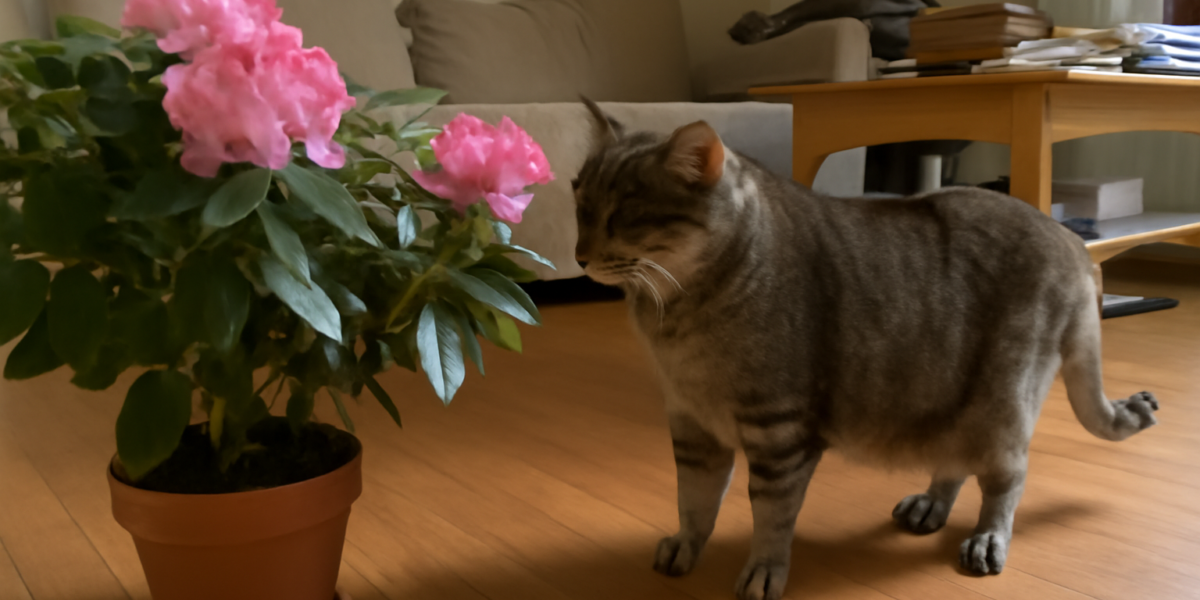
Rhododendrons Are Highly Toxic to Cats
Rhododendrons, including all azalea species, are highly toxic to cats. Every part of the plant contains grayanotoxins, potent compounds that disrupt normal nerve and muscle function throughout the body, including the heart. Even ingesting a small number of leaves can produce serious symptoms in a cat, and without veterinary treatment, severe cases can be fatal.
In this article
The severity of rhododendron poisoning earns it a place among the most dangerous common garden plants for cats. Grayanotoxins bind to sodium channels in cell membranes, keeping them locked in an open position. This prevents cells from properly resetting after firing, leading to widespread dysfunction in the nervous system, cardiovascular system, and skeletal muscles.
Rhododendrons and azaleas are extremely popular landscaping plants found in gardens throughout the United States, particularly in the Pacific Northwest, Southeast, and Northeast. Their abundance makes accidental feline exposure a realistic concern for any cat with outdoor access or any home that brings cut branches indoors for arrangements.
Grayanotoxins: How They Harm Your Cat
Grayanotoxins (formerly known as andromedotoxins) are diterpene compounds present in all parts of rhododendron and azalea plants, including the leaves, flowers, nectar, pollen, stems, and even honey made from rhododendron nectar. The leaves typically contain the highest concentrations.
These toxins work by binding to voltage-gated sodium channels in cell membranes. In simple terms, sodium channels act like gates that open and close to allow nerve signals to travel through the body. Grayanotoxins wedge these gates open, causing cells to fire continuously and preventing the normal cycle of signaling and rest.
The result is a cascade of effects across multiple body systems. The heart receives confused signals, leading to dangerously slow heart rate and low blood pressure. The gastrointestinal tract becomes hyperactive, causing severe vomiting and diarrhea. The nervous system becomes overstimulated, potentially leading to tremors, weakness, and in severe cases, seizures or coma.
Cats are at particular risk because of their small body weight. The toxic dose of grayanotoxins is estimated at approximately 0.2 percent of body weight in plant material, meaning a ten-pound cat could be poisoned by consuming less than an ounce of leaves.
Symptoms of Rhododendron Poisoning in Cats
Symptoms of grayanotoxin poisoning typically appear within two to six hours after ingestion. The onset and severity depend on the amount consumed relative to the cat’s body weight.
Early gastrointestinal symptoms are usually the first signs:
- Excessive drooling and hypersalivation
- Repeated vomiting, sometimes with visible plant material
- Diarrhea that may become watery
- Abdominal pain, shown by hunched posture or vocalization
- Loss of appetite
Cardiovascular symptoms develop as grayanotoxins affect the heart:
- Abnormally slow heart rate (bradycardia)
- Low blood pressure causing weakness and collapse
- Irregular heart rhythm
- Pale or grayish gums
Neurological symptoms may include:
- Progressive weakness, starting in the hind legs
- Tremors and muscle twitching
- Loss of coordination and stumbling
- Depression and lethargy
- Vision disturbances, evidenced by bumping into objects
- Seizures or coma in severe cases
A particularly concerning sign is what veterinarians call “projectile vomiting” combined with an abnormally slow heart rate. This combination strongly suggests grayanotoxin poisoning and should prompt immediate emergency veterinary care.
First Aid for Rhododendron Ingestion
If you witness or suspect your cat has eaten any part of a rhododendron or azalea, take action immediately. The speed of your response can significantly influence the outcome.
Remove your cat from the plant and check the mouth for remaining plant material. Gently remove any visible pieces. Do not try to induce vomiting at home, as this is difficult and potentially dangerous in cats without veterinary supervision and appropriate medications.
Call your veterinarian or the ASPCA Animal Poison Control Center (888-426-4435) right away. Provide your cat’s weight, the estimated amount ingested, the time of ingestion, and any symptoms already present. If you are unsure whether the plant is a rhododendron or azalea, take a photo or bring a sample to the clinic.
Transport your cat to the nearest veterinary hospital immediately. Keep your cat warm, calm, and secure during transport. If your cat is vomiting, position them so they cannot aspirate (inhale) the vomit. Avoid feeding or giving water until you have spoken with a veterinarian, as further stomach contents could worsen vomiting.
Do not adopt a “wait and see” approach with rhododendron exposure. The window for effective decontamination is narrow, and cardiac symptoms can develop rapidly once grayanotoxins are absorbed into the bloodstream. Similar urgency applies to other cardiac-toxic plants like foxglove.
Veterinary Treatment for Grayanotoxin Poisoning
Treatment for rhododendron poisoning focuses on decontamination, supportive care, and managing the cardiovascular effects of grayanotoxins. There is no specific antidote for grayanotoxin poisoning, so treatment is symptom-based.
If the cat arrives soon after ingestion, the veterinarian may induce vomiting to remove as much plant material as possible from the stomach. Activated charcoal is commonly administered to bind toxins remaining in the gastrointestinal tract and reduce further absorption.
Cardiovascular support is the cornerstone of treatment:
- Continuous ECG monitoring to detect and track arrhythmias
- Atropine for severe bradycardia that does not respond to fluid therapy
- Intravenous fluids to maintain blood pressure and support organ perfusion
- Vasopressors in cases of severe hypotension unresponsive to fluids
Additional supportive measures include anti-nausea medications to control vomiting, warming support to maintain body temperature, and electrolyte monitoring and correction. Blood glucose may also need monitoring, as grayanotoxins can cause hypoglycemia in some cases.
Hospitalization for 24 to 72 hours is typical for moderate to severe cases. Most cats that survive the first 24 hours with appropriate supportive care go on to make a full recovery. Grayanotoxins are metabolized and eliminated relatively quickly compared to some other plant toxins, so prolonged effects are uncommon in cats that receive timely treatment.
Identifying Rhododendrons and Azaleas
Correct plant identification is important because rhododendrons and azaleas are everywhere, and not all pet owners realize azaleas belong to the same toxic genus (Rhododendron). Both share the same grayanotoxin profile.
Rhododendrons are typically large evergreen shrubs with thick, leathery, dark green leaves and large clusters of showy flowers in spring. Flowers come in a wide range of colors including pink, purple, white, red, and yellow.
Azaleas tend to be smaller shrubs with thinner, sometimes deciduous leaves. Their flowers are usually funnel-shaped and smaller than rhododendron blooms. Both deciduous and evergreen azalea varieties are equally toxic.
Key identification features shared by both:
- Alternate, simple leaves arranged in clusters at branch tips
- Bell or funnel-shaped flowers in clusters
- Woody stems that can become quite thick with age
- Common in foundation plantings, borders, and woodland gardens
If you are unsure whether a plant in your garden is a rhododendron or azalea, take a photo to your local garden center or use a reputable plant identification app. When in doubt, prevent your cat from accessing the area until you have a positive identification. Our guides on azalea toxicity and hydrangea risks for cats provide additional information on common garden dangers.
Prevention Strategies for Cat Owners
Given how common rhododendrons and azaleas are in residential landscaping, prevention requires proactive effort, especially if your cat spends time outdoors.
The most effective strategy is to remove rhododendrons and azaleas from your property entirely. While this may feel drastic, it eliminates the risk of accidental ingestion completely. Replace them with cat-safe alternatives like camellias, which offer a similar evergreen shrub appearance with showy flowers and no toxicity to cats.
If removal is not possible, such as in rented properties or shared landscapes, create physical barriers between your cat and the plants. Fencing, netting, or designating the area as off-limits to your cat through supervised outdoor time can reduce risk.
Keep indoor cats away from cut rhododendron or azalea branches. These are sometimes used in floral arrangements, and the toxicity persists in cut flowers and foliage. Even fallen petals should be swept up promptly if brought indoors.
Educate other household members, pet sitters, and anyone who cares for your cat about the dangers of these plants. Many people do not realize that such a common garden shrub can be seriously toxic to cats.
Frequently Asked Questions
How much rhododendron does a cat need to eat to be poisoned?
Even a small amount can be dangerous. Ingesting just a few leaves, or roughly 0.2 percent of body weight in plant material, may produce symptoms in a cat. For an average ten-pound cat, this equates to less than an ounce. Never assume a small nibble is harmless. Contact your vet after any known ingestion, no matter how small.
Are all rhododendron varieties equally toxic to cats?
All species within the Rhododendron genus, which includes both rhododendrons and azaleas, contain grayanotoxins and are considered toxic to cats. Some wild species may have higher concentrations than cultivated ornamental varieties, but no variety should be considered safe. Hybrid and cultivated varieties still retain enough toxin to cause serious illness.
Can rhododendron honey poison my cat?
Yes. Honey produced from rhododendron or azalea nectar, sometimes called “mad honey,” contains grayanotoxins and can be toxic to cats and humans alike. While cats rarely consume honey voluntarily, it should not be offered as a treat or used in homemade cat treats if there is any possibility it was produced from rhododendron nectar.
My outdoor cat walks through rhododendrons regularly. Is this dangerous?
Walking through or brushing against rhododendrons is generally not dangerous, as the toxins need to be ingested to cause harm. However, cats groom themselves thoroughly and may lick pollen, sap, or plant residue from their fur. If your cat regularly passes through rhododendron bushes, there is an ongoing low-level risk of accidental ingestion. Consider redirecting your cat’s outdoor pathways or creating barriers around the plants.
What is the survival rate for cats with rhododendron poisoning?
With prompt and appropriate veterinary treatment, the survival rate for rhododendron poisoning in cats is good. Most cats that receive treatment within the first few hours of ingestion recover fully within two to three days. The prognosis worsens significantly with delayed treatment or very large ingestions that lead to severe cardiac depression. Untreated severe cases carry a high mortality risk, which is why immediate veterinary care is essential. Check our cat care hub for more safety guides.


