
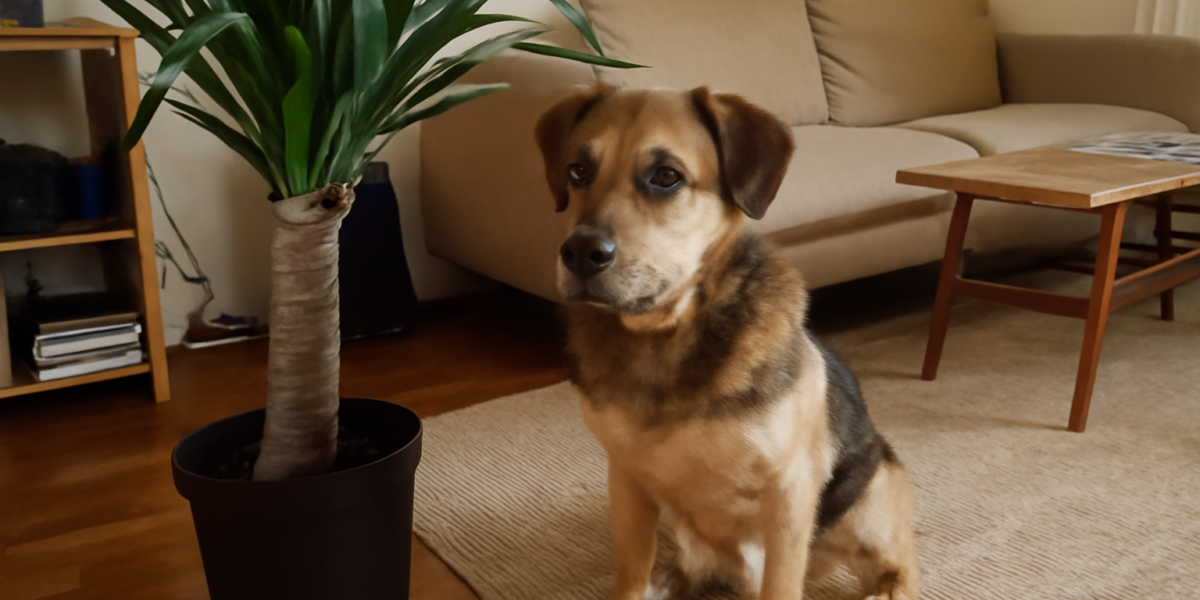
Are Yucca Plants Toxic to Dogs?
Yes, yucca plants are toxic to dogs. All parts of the yucca plant contain steroidal saponins, which can cause vomiting, diarrhea, drooling, weakness, and in severe cases, dilated pupils and loss of coordination. The severity depends on how much your dog eats and their body weight, but any ingestion warrants monitoring and a call to your veterinarian.
In this article
Yucca plants are popular both as outdoor landscaping staples in warmer climates and as striking indoor houseplants. Their sword-shaped leaves and dramatic silhouettes make them attractive additions to homes and gardens, but the steroidal saponins concentrated throughout the plant make yucca toxic to dogs, cats, and horses alike.
Understanding Steroidal Saponins in Yucca
Steroidal saponins are naturally occurring plant chemicals that serve as a defense mechanism against herbivores and pathogens. In yucca, the primary saponins are sarsasapogenin and smilagenin. These compounds are present in the leaves, stems, roots, and flowers of the plant.
When ingested, steroidal saponins damage the lining of the gastrointestinal tract by disrupting cell membranes. They also have hemolytic properties, meaning they can damage red blood cells at high concentrations. While the amount of saponin a dog would need to consume for hemolytic effects is quite large, even smaller amounts readily irritate the digestive system.
Interestingly, yucca extract is sometimes used in small, controlled amounts in commercial dog foods as a stool odor reducer. The key difference is that these extracts are standardized to very low saponin concentrations. Eating the actual plant delivers a much higher and uncontrolled dose of saponins, making it dangerous.
Symptoms of Yucca Poisoning in Dogs
Symptoms typically appear within two to four hours of ingestion and may include:
- Vomiting: Often the earliest sign, sometimes repeated and forceful.
- Diarrhea: May be watery or contain mucus.
- Excessive drooling: From nausea and oral irritation.
- Loss of appetite: Your dog may refuse food and treats.
- Abdominal bloating or pain: Your dog may whimper or adopt a hunched posture.
- Weakness and lethargy: Reduced activity and reluctance to move.
In more severe cases involving larger amounts of yucca, you may also see:
- Dilated pupils
- Loss of coordination or wobbliness
- Elevated heart rate
- Tremors
Any neurological symptoms such as dilated pupils, tremors, or incoordination are a sign of significant poisoning and require immediate veterinary attention. Do not wait to see if these symptoms resolve on their own.
First Aid for Yucca Ingestion
Time is important when dealing with plant poisoning. Here is what to do if your dog eats yucca:
- Separate your dog from the plant immediately. Remove any remaining plant material from their mouth if you can do so safely. Yucca leaves have sharp points that can injure the mouth and throat, so be cautious.
- Check for mouth injuries. The stiff, pointed tips of yucca leaves can cause puncture wounds inside the mouth, on the gums, or in the throat. Note any bleeding or swelling.
- Call your veterinarian or the ASPCA Animal Poison Control Center at (888) 426-4435. Provide your dog’s weight, the approximate amount ingested, and the time of ingestion.
- Do not induce vomiting unless specifically directed by a veterinary professional. The sharp leaf fragments could cause additional damage on the way back up.
- Keep your dog calm and hydrated. Offer small amounts of water and limit physical activity.
- Document symptoms. Note the timing and progression of any symptoms to share with your vet.
Veterinary Treatment and Prognosis
Your veterinarian will perform a physical examination and may recommend blood work to assess your dog’s overall condition. Treatment for yucca poisoning is supportive and may include:
- Activated charcoal: To absorb remaining toxins if administered within a few hours of ingestion.
- Intravenous fluids: To maintain hydration and support organ function.
- Anti-emetic medications: To control persistent vomiting.
- Gastroprotectants: To protect and heal the irritated stomach and intestinal lining.
- Wound care: If the sharp yucca leaves caused punctures in the mouth, throat, or digestive tract.
The prognosis for yucca poisoning is generally good when treated promptly. Most dogs recover fully within one to three days. Severe cases involving large ingestions or delayed treatment may take longer and have a small risk of complications from dehydration or secondary infections from puncture wounds.
Prevention: Dog-Proofing Your Yucca Plants
If you love yucca plants and want to keep them while protecting your dog, consider these strategies:
- Relocate indoor yucca plants to rooms your dog does not access, or place them on high stands or shelves.
- Create physical barriers outdoors. Use decorative fencing or rock borders around outdoor yucca plantings to prevent your dog from reaching them.
- Trim lower leaves. Removing leaves at dog height reduces the chance of your dog chewing on them, and also eliminates the sharp leaf-tip hazard.
- Train a reliable “leave it” command. This is one of the most valuable commands for preventing plant ingestion.
- Supervise yard time. If yucca plants are present in your yard or neighborhood, supervise your dog during outdoor time.
If your dog is a persistent plant chewer, the safest option is to remove yucca plants from your home and yard entirely. Replacing them with pet-safe alternatives like parlor palms, ponytail palms (which are not true palms and are non-toxic), or areca palms gives you a similar aesthetic without the risk.
Other Toxic Outdoor Plants to Watch For
Yucca is just one of many common landscaping plants that can harm dogs. If you are auditing your garden for pet safety, be aware that hostas, English ivy, and monstera plants are also toxic to dogs.
Sago palms, oleander, and azaleas are among the most dangerous garden plants for dogs and can cause life-threatening poisoning. While yucca toxicity is typically mild to moderate, these plants carry much higher fatality risks. Always research any plant before adding it to a space your dog can access.
If you are getting ready to bring a new dog home, reviewing your indoor and outdoor plants for safety should be part of your pet-proofing checklist.
Frequently Asked Questions
Can yucca poisoning kill a dog?
Fatal outcomes from yucca poisoning are very uncommon. The toxicity is considered mild to moderate. However, a very small dog that consumes a large amount of yucca could experience severe dehydration from prolonged vomiting and diarrhea, which can become dangerous without veterinary treatment. Puncture injuries from the sharp leaves also carry a small risk of infection if untreated.
Is yucca root more toxic than the leaves?
The roots of yucca plants do contain steroidal saponins, often at higher concentrations than the leaves. However, dogs are far more likely to chew on accessible leaves than to dig up and eat roots. Both parts should be considered toxic, and ingestion of either warrants a call to your vet.
Is the yucca used in cooking the same as the ornamental plant?
No. The edible root vegetable commonly called yuca (spelled with one “c”) or cassava (Manihot esculenta) is a completely different plant from ornamental yucca (Yucca spp.). Cooked cassava is generally safe for dogs in small amounts, but ornamental yucca plants are toxic. The similar names cause frequent confusion.
Are all yucca species equally toxic to dogs?
All species in the Yucca genus contain steroidal saponins and should be considered toxic to dogs. This includes common varieties like Yucca elephantipes (spineless yucca), Yucca filamentosa (Adam’s needle), and Yucca gloriosa (Spanish dagger). Saponin concentrations vary slightly between species, but none are safe for dogs to ingest.
My dog chewed a yucca leaf but did not swallow it. Should I worry?
Even chewing without swallowing can expose your dog to saponins through the mucous membranes in the mouth. Watch for drooling, pawing at the mouth, or reduced appetite over the next few hours. Also check for puncture wounds from the leaf tip. If your dog shows any symptoms, contact your veterinarian for guidance.


