
Last updated: May 16, 2026
In this article
Are Sago Palms Toxic to Dogs? Understanding This Deadly Danger
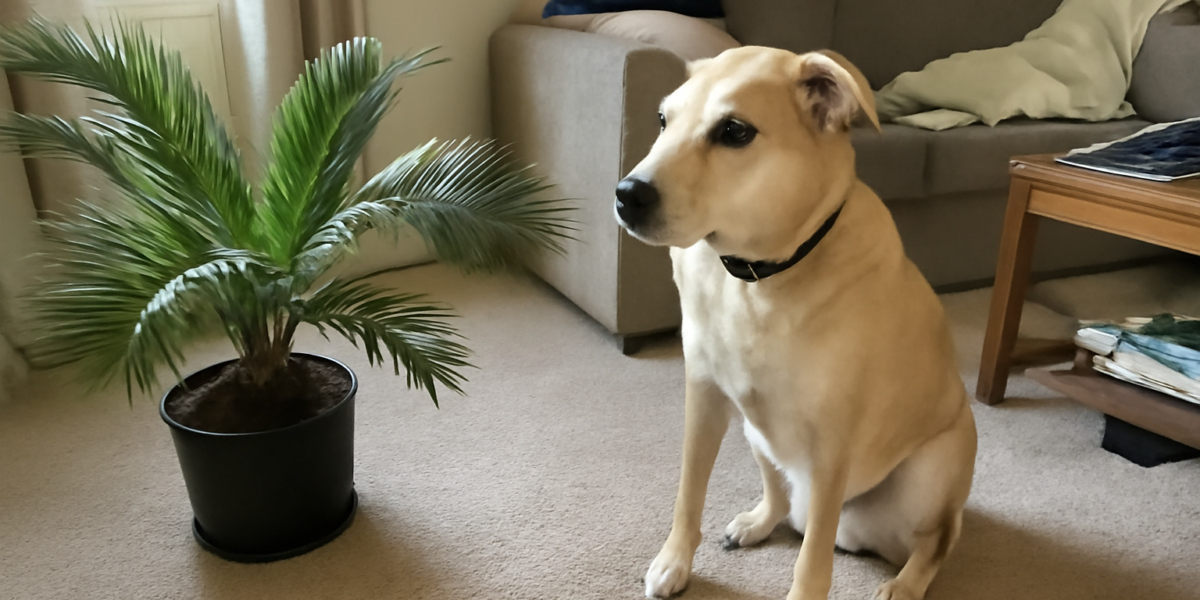
Sago palms (Cycas revoluta) are popular ornamental plants found in landscapes, gardens, and homes throughout the world. With their distinctive rosette of stiff, feathery fronds and prehistoric appearance, they add a dramatic tropical accent to any setting. Despite their name, sago palms are not actually palms at all but cycads, an ancient group of plants that have existed since the time of dinosaurs. Unfortunately, these striking plants are among the most dangerous plants a dog can encounter.
Sago palm poisoning in dogs is frighteningly common and devastatingly lethal. The mortality rate for dogs that ingest sago palm and develop liver failure is estimated at 50 to 75 percent, even with aggressive veterinary treatment. Every part of the plant is toxic, with the seeds (also called nuts) being the most deadly. Dog owners need to treat sago palms as a serious, potentially fatal hazard and take every possible precaution to prevent exposure.
Why Sago Palms Are So Toxic to Dogs
The primary toxin in sago palms is cycasin, a glycoside that is converted to methylazoxymethanol (MAM) in the liver. MAM is a potent carcinogen and hepatotoxin that causes severe, often irreversible damage to liver cells. In addition to cycasin, sago palms contain other toxic compounds including beta-methylamino-L-alanine (BMAA), a neurotoxin that can cause neurological damage, and other uncharacterized toxins that contribute to the plant’s overall toxicity.
Every part of the sago palm contains cycasin, but the seeds contain the highest concentration, estimated to be three to four times more concentrated than in the leaves. The seeds are particularly dangerous because they are the right size for many dogs to pick up and chew, and their hard, nut-like texture may appeal to dogs that enjoy chewing on hard objects. A single seed can contain enough cycasin to be lethal to a medium-sized dog.
When a dog ingests sago palm material, the cycasin is absorbed through the gastrointestinal tract and transported to the liver, where it is metabolized into the active toxic compound MAM. MAM attacks liver cells (hepatocytes), causing massive cell death (necrosis). The liver damage can be so severe and widespread that the organ can no longer perform its essential functions, leading to acute liver failure. This process can be rapidly progressive, with dogs deteriorating from apparently mild symptoms to critical condition within 24 to 72 hours.
The extreme toxicity of sago palms is reflected in the statistics. According to the ASPCA Animal Poison Control Center, sago palm ingestion is one of the most frequently reported causes of fatal plant poisoning in dogs. The combination of the plant’s widespread availability, the attractiveness of the seeds to dogs, the extreme potency of the toxin, and the high mortality rate make sago palms the single most dangerous ornamental plant for dogs in many regions.
Symptoms of Sago Palm Poisoning in Dogs
Symptoms of sago palm poisoning can develop in phases, beginning with gastrointestinal signs that may appear within hours of ingestion and progressing to liver failure over the following days. The initial symptoms can be deceptively mild, which sometimes leads owners to underestimate the severity of the poisoning.
The first phase involves gastrointestinal symptoms that typically begin within 15 minutes to several hours after ingestion. Dogs may vomit (often containing plant material), develop diarrhea, drool excessively, and refuse food. Abdominal pain may be apparent from a hunched posture, reluctance to move, or whimpering when the belly is touched. Some dogs develop bloody vomit or bloody diarrhea, which indicates more severe gastrointestinal irritation.
Following the initial gastrointestinal phase, there may be a period of apparent improvement that can last 24 to 48 hours. This deceptive lull can lead owners to believe their dog is recovering when in fact the cycasin is actively destroying liver cells. This is one of the most dangerous aspects of sago palm poisoning because it may cause delayed presentation for veterinary care.
The liver failure phase typically begins two to three days after ingestion, though it can occur sooner with large ingestions. Signs of liver failure include jaundice (yellowing of the skin, gums, and whites of the eyes), dark or orange-colored urine, pale or grayish stool, swelling of the abdomen from fluid accumulation (ascites), and worsening lethargy. Coagulopathy (impaired blood clotting) is a serious complication, manifesting as spontaneous bruising, prolonged bleeding from minor wounds, blood in the urine or stool, or nosebleeds.
Neurological symptoms may develop in some cases, including disorientation, tremors, weakness, incoordination, and seizures. These can result from hepatic encephalopathy (brain dysfunction caused by the failing liver’s inability to remove toxins from the blood) or direct neurotoxic effects of BMAA. In advanced cases, dogs may become comatose. Without aggressive treatment, the progression from liver failure to death can be rapid.
What to Do If Your Dog Eats Sago Palm
Sago palm ingestion is one of the most urgent veterinary emergencies a dog owner can face. The actions you take in the first hour can significantly impact your dog’s chances of survival.
If you see your dog chewing on or eating any part of a sago palm, remove the dog immediately and rush to the nearest emergency veterinary hospital. Do not wait for symptoms. Do not take a “wait and see” approach. The toxicity of sago palms is so severe that any delay in treatment worsens the prognosis. Call the veterinary hospital while you are on the way so they can prepare for your arrival.
If possible, bring a sample of the plant material or a photograph for identification. Note the approximate amount consumed and the time of ingestion. If your dog has already vomited, try to collect a sample of the vomit, as it may contain identifiable plant material that can confirm the type of plant ingested.
Do not induce vomiting at home unless specifically instructed by a veterinarian. While early decontamination is important, inducing vomiting incorrectly or at the wrong time can cause complications including aspiration pneumonia. The veterinary team has the tools and expertise to perform decontamination safely and effectively.
If you find evidence that your dog ate sago palm but are unsure when it happened (for example, you find chewed plant material or a missing seed), still seek emergency veterinary care immediately. Even if several hours have passed, early intervention with supportive care and liver protectants can improve the outcome. The “apparent improvement” phase can give a false sense of security, so always err on the side of immediate veterinary attention.
Veterinary Treatment for Sago Palm Poisoning
Treatment for sago palm poisoning is aggressive, prolonged, and requires specialized veterinary care. Dogs with confirmed or suspected sago palm ingestion should ideally be treated at a facility with emergency and critical care capabilities, as they may require hospitalization for days to weeks.
Immediate decontamination is the first priority. If the dog is presented within one to two hours of ingestion, the veterinarian will likely induce vomiting to remove as much plant material as possible from the stomach. Activated charcoal is administered to bind any remaining cycasin in the gastrointestinal tract. Gastric lavage may be performed in cases of significant ingestion, particularly if seeds were consumed.
Aggressive intravenous fluid therapy is started immediately and maintained throughout the treatment period. Fluids help support liver and kidney function, maintain blood pressure, and assist the body in processing and eliminating the toxin. The type and rate of fluid administration are adjusted based on the dog’s ongoing condition and laboratory results.
Liver protectants form a critical component of the treatment protocol. S-adenosylmethionine (SAMe), N-acetylcysteine (NAC), silymarin (milk thistle extract), and vitamin E are commonly used to support liver cell function and reduce oxidative damage. These supplements are typically continued for weeks to months after the initial poisoning episode, even after the dog has been discharged from the hospital.
Frequent blood work monitoring is essential to track liver enzyme levels, bilirubin, albumin, blood glucose, and coagulation parameters. Liver enzymes (ALT, AST, ALP) typically peak two to five days after ingestion. Rising bilirubin and falling albumin indicate progressive liver failure. Blood glucose may drop dangerously low as the liver loses its ability to maintain glucose levels. Coagulation tests (PT, PTT) are monitored closely because coagulopathy is a common and potentially fatal complication.
Additional supportive treatments may include anti-nausea medications, gastroprotectants, plasma or blood transfusions for coagulopathy, glucose supplementation, antibiotics to prevent secondary infections in the compromised liver, and management of hepatic encephalopathy. Some dogs may require nutritional support through feeding tubes if they are unable to eat on their own.
The prognosis depends heavily on the amount ingested, the speed of treatment, and the extent of liver damage. Dogs treated before significant liver damage develops have the best prognosis, but even with optimal treatment, the mortality rate remains high. Dogs that survive the acute phase may require weeks of continued liver support and monitoring. Some dogs that survive develop chronic liver disease that requires ongoing management.
Preventing Sago Palm Poisoning
Given the extreme lethality of sago palm toxicity, prevention cannot be emphasized strongly enough. The only truly safe approach is complete elimination of sago palms from any environment where dogs are present.
If you have sago palms on your property and you have dogs, remove them immediately and completely. Dig up the entire plant including the root system. All parts of the plant, including fallen fronds, seeds, and root material, must be collected and disposed of in sealed trash bags. Do not compost sago palm material, as it remains toxic as it decomposes. Wear gloves when handling sago palms, as the sap can cause skin irritation.
Female sago palms produce large, orange-red seeds in cone-like structures at the center of the plant. These seeds can fall to the ground and scatter in the area around the plant. If you have had a female sago palm, carefully search the surrounding area for fallen seeds even after the plant has been removed. Seeds can persist in the soil and may be uncovered by rain or digging.
Be vigilant about sago palms in public spaces. Sago palms are commonly used in commercial landscaping, shopping center plantings, hotel grounds, and public parks, particularly in warmer climates. When walking your dog, keep them on a leash in landscaped areas and watch for sago palms. Do not allow your dog to sniff, chew, or dig around these plants.
Educate everyone in your household and anyone who cares for your dog about the extreme danger of sago palms. Show them what the plants look like, including the seeds, so they can recognize and avoid them. Share this information with friends and neighbors who have dogs, as many people are unaware of the danger. If you know someone who has sago palms and dogs, gently inform them of the risk. For other plants that pose risks to your pets, see our guides on oleander toxicity and azalea toxicity in dogs.
Safe Palm and Tropical Alternatives
If you enjoy the tropical aesthetic of sago palms, many true palms and palm-like plants are safe for dogs and can provide a similar look without the deadly risk.
Areca palms (Dypsis lutescens) are one of the most popular and widely available dog-safe palms. They produce graceful, feathery fronds and can grow quite large indoors or outdoors. Parlor palms (Chamaedorea elegans) are another excellent choice, tolerating lower light conditions and remaining at a manageable size for indoor spaces. Ponytail palms (Beaucarnea recurvata) are not true palms but have a palm-like appearance with a distinctive swollen trunk base and cascading leaves. They are non-toxic, drought-tolerant, and make striking specimens.
Majesty palms, bamboo palms, and cat palms are all non-toxic to dogs and provide lush tropical foliage. For outdoor landscapes, date palms, fan palms, and coconut palms are safe options in appropriate climates. Always verify the specific species, as some palm-like plants that are not true palms (such as sago palms and cardboard palms, both cycads) are toxic.
When replacing a sago palm, take the opportunity to assess your entire garden and home for other potentially toxic plants. Creating a comprehensively pet-safe environment gives you peace of mind and protects your dog from multiple hazards simultaneously. If you are looking to adopt a new dog, preparing a safe environment before your new companion arrives is an important step in responsible pet ownership.
Frequently Asked Questions
What is the survival rate for dogs that eat sago palm?
The mortality rate for dogs that develop liver failure from sago palm ingestion is estimated at 50 to 75 percent, even with aggressive veterinary treatment. This means that up to three out of every four dogs with sago palm-induced liver failure may not survive. Dogs that receive early treatment before liver failure develops have a significantly better prognosis. The high mortality rate underscores the critical importance of prevention and immediate emergency care if exposure occurs.
How much sago palm is lethal to a dog?
Even very small amounts of sago palm can be lethal. A single seed can contain enough cycasin to kill a medium-sized dog. For the leaves, ingesting just one or two fronds can cause serious toxicity. There is no safe amount of sago palm for dogs. The lethal dose is estimated at approximately 1.5 to 3 mg of cycasin per kilogram of body weight, but because the cycasin concentration varies between plant parts and individual plants, any ingestion should be treated as potentially fatal regardless of the estimated amount.
Can sago palm poisoning be treated successfully?
Sago palm poisoning can sometimes be treated successfully, particularly when treatment begins before significant liver damage has occurred. Dogs that receive decontamination (vomiting induction and activated charcoal) within the first one to two hours and aggressive supportive care including intravenous fluids, liver protectants, and close monitoring have the best outcomes. However, once significant liver failure has developed, treatment becomes much more difficult and the prognosis worsens considerably. Some dogs that survive require ongoing liver support for weeks to months.
Are all parts of the sago palm equally toxic?
While all parts of the sago palm are toxic, the seeds are by far the most dangerous, containing three to four times the concentration of cycasin found in the leaves. The roots also contain high levels of toxin. The leaves and fronds, while less concentrated, are still highly toxic and can cause severe liver damage and death. Even dried or dead sago palm material retains its toxicity. There is no part of the sago palm that is safe for a dog to chew on or ingest.
Are sago palms toxic to cats as well?
Yes, sago palms are equally toxic to cats. The same cycasin that causes liver failure in dogs will have similar devastating effects in cats. Cats may be at slightly lower risk of exposure because they are generally less likely to chew on large outdoor plants, but indoor sago palms are accessible to cats, and any ingestion should be treated as an emergency. If you have cats, refer to our guides on philodendron toxicity and eucalyptus toxicity in cats for information about other plant dangers.
How can I tell the difference between a sago palm and a true palm?
Sago palms have several distinctive features that distinguish them from true palms. Their fronds are stiff and rigid with a glossy, dark green color and sharp-tipped leaflets. They grow from a rough, woody trunk that has a pineapple-like texture with persistent leaf bases. Sago palms grow very slowly compared to true palms. Female sago palms produce a distinctive, large, rounded cone-like structure at the crown that contains orange-red seeds. True palms typically have more flexible fronds, smoother trunks, and do not produce the characteristic cone-like seed structure. If you are unsure whether a plant is a sago palm, consult a nursery professional or use a plant identification app.


