
Last updated: April 10, 2026
In this article
Is Bamboo Toxic to Dogs? Types & Safety
Bamboo is often considered a pet-friendly plant, but is it really safe for your dog? The good news is that true bamboo is not toxic to dogs. However, there are specific types, such as lucky bamboo, that can pose risks. Understanding these differences is crucial for keeping your furry friend safe.
Are Bamboo Toxic?
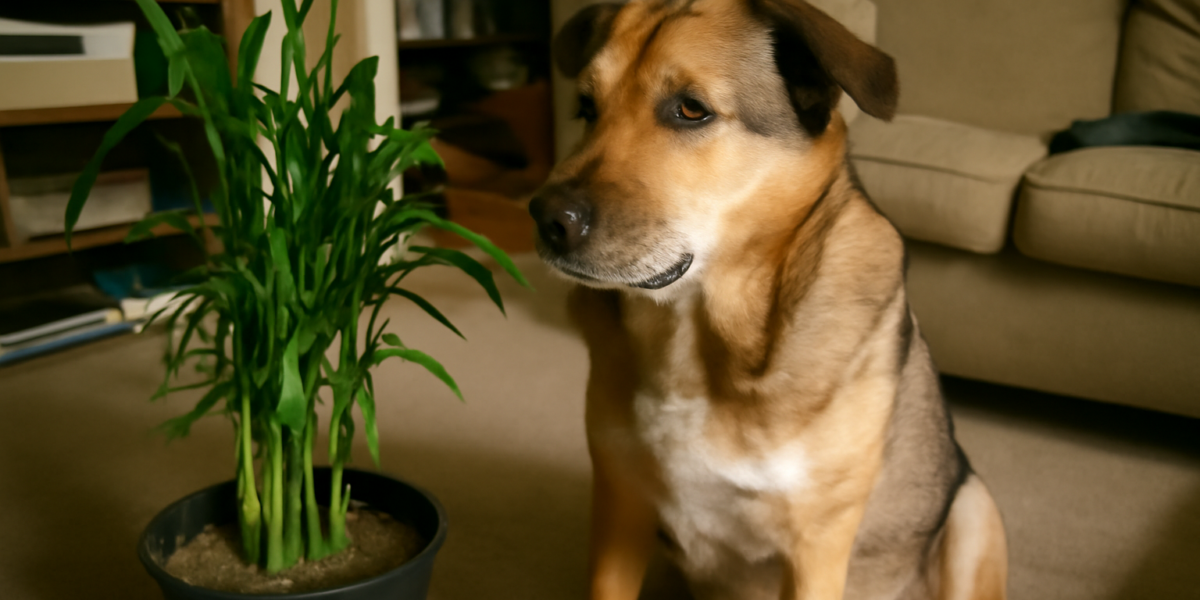
The bamboo family is extensive, and most of its members are non-toxic to dogs. True bamboo, classified under the Bambusoideae subfamily, is harmless for pets. This includes common types like the giant bamboo and the golden bamboo. However, confusion often arises with the plant known as “lucky bamboo” (Dracaena sanderiana), which is not a true bamboo and is indeed toxic to dogs. Consuming lucky bamboo can cause health issues in pets.
Toxic Compounds and How They Affect Pets
While true bamboo plants do not contain harmful toxins, lucky bamboo does. The toxic compounds in lucky bamboo can lead to adverse reactions. When ingested by dogs, these compounds can cause symptoms such as vomiting, drooling, and lack of appetite. It’s important to identify and avoid these plants to prevent any potential health risks to your pet.
Symptoms of Poisoning
If your dog ingests lucky bamboo, symptoms of poisoning may appear within a few hours. Common signs include:
- Gastrointestinal upset such as vomiting and diarrhea
- Drooling
- Reduced appetite
- Lethargy
- In severe cases, coordination problems or tremors
If you observe any of these symptoms and suspect lucky bamboo ingestion, it is crucial to seek veterinary care immediately.
What to Do If Your Pet Eats This Plant
Should your dog ingest any part of the lucky bamboo, act quickly:
- Remove any remaining plant material from your dog’s vicinity.
- Rinse your dog’s mouth with water to remove any residual plant material.
- Contact your veterinarian or an emergency animal clinic for advice.
- Follow the veterinarian’s instructions carefully, which may include bringing your pet in for an examination and treatment.
Early intervention can significantly improve the outcome for your pet.
Pet-Safe Alternatives
If you’re looking for pet-safe plant alternatives to grow indoors or outdoors, consider the following options:
- Spider Plant (Chlorophytum comosum): This plant is non-toxic and easy to care for.
- Boston Fern (Nephrolepis exaltata): A lush, green option that is safe for dogs.
- Areca Palm (Dypsis lutescens): Another non-toxic plant that adds a tropical vibe.
These plants can beautify your home without posing a risk to your furry friends.
How to Keep Pets Safe Around Plants
Ensuring your dog’s safety around plants involves a few practical steps:
- Identification: Know the names of all the plants in your home and garden.
- Placement: Keep toxic plants out of reach of pets, ideally in hanging baskets or on high shelves.
- Training: Teach your dog to avoid chewing on plants.
- Supervision: Monitor your pet’s interactions with plants, especially if you have a new dog or puppy.
By taking these measures, you can create a safe environment for your pet while enjoying the benefits of indoor greenery.
Frequently Asked Questions
Is all bamboo safe for dogs?
No, not all bamboo is safe for dogs. True bamboo is non-toxic, but lucky bamboo, which is not a true bamboo, is toxic.
What should I do if my dog eats lucky bamboo?
If your dog ingests lucky bamboo, contact your veterinarian immediately for advice and possible treatment.
Are there safe houseplants I can keep around my dog?
Yes, there are several pet-safe plants such as spider plants, Boston ferns, and Areca palms that are non-toxic to dogs.
How can I tell if a plant is toxic to my dog?
Research each plant you bring into your home, and consult resources or veterinary advice to confirm if a plant is toxic to dogs. Always err on the side of caution.
For more information on plants and pet safety, check out our guide on toxic plants and learn about safe pet practices on our website.


