
Last updated: May 4, 2026
In this article
Is Eucalyptus Toxic to Cats? A Comprehensive Safety Guide
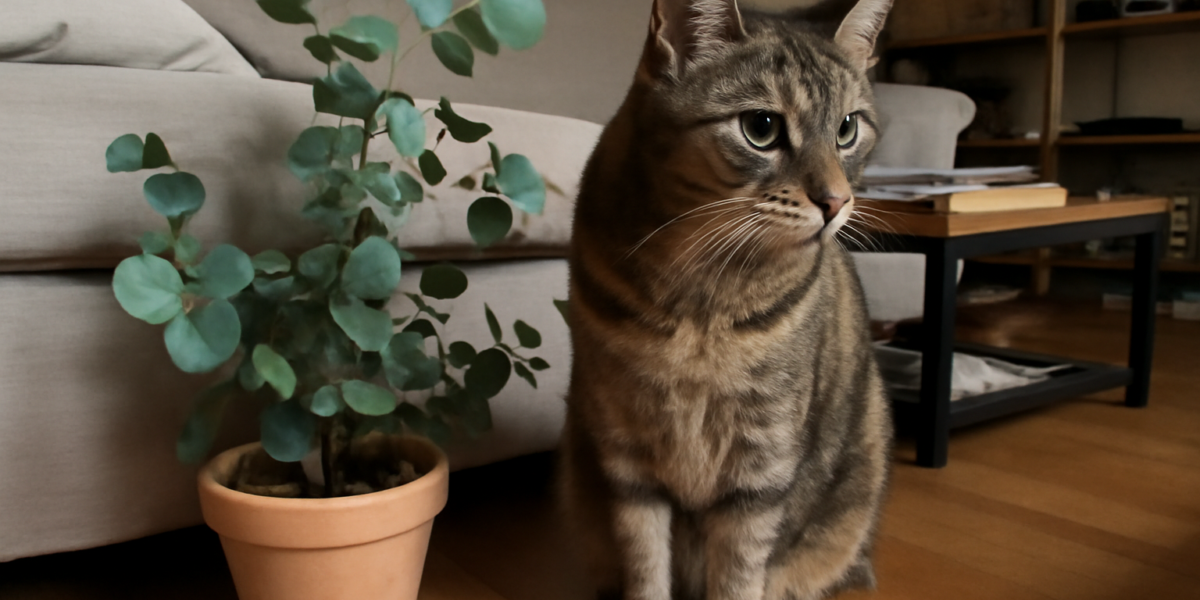
Eucalyptus has become increasingly popular in home decor, wellness products, and natural remedies. Fresh eucalyptus bundles hang in showers, dried eucalyptus adorns mantels and wreaths, and eucalyptus essential oil is diffused for its refreshing scent and purported health benefits. However, cat owners need to be aware that eucalyptus in all its forms poses a genuine health risk to felines. Every form of eucalyptus, from the living plant to the essential oil, contains compounds that are toxic to cats.
Cats are particularly vulnerable to eucalyptus toxicity because they lack certain liver enzymes (specifically glucuronyl transferase) that other species use to metabolize and detoxify many plant-based compounds. This metabolic limitation means that substances other animals can process safely can accumulate to toxic levels in cats. Understanding how eucalyptus affects cats, recognizing the symptoms of exposure, and knowing how to keep your cat safe are essential for responsible cat ownership in eucalyptus-loving households.
Understanding Eucalyptus Toxicity in Cats
The primary toxic compound in eucalyptus is eucalyptol (also known as 1,8-cineole), a cyclic ether that makes up 70 to 90 percent of eucalyptus essential oil. Eucalyptol is the compound responsible for the plant’s characteristic strong, camphor-like scent. While eucalyptol has some therapeutic properties when used appropriately in human medicine, it is a significant toxin for cats.
In addition to eucalyptol, eucalyptus plants contain other potentially harmful compounds including tannins, hydrocyanic acid, and various terpenes. These compounds work synergistically to create the plant’s overall toxicity profile. The concentration of these compounds varies between eucalyptus species (there are over 700 species in the genus) and between different parts of the plant, but all eucalyptus species should be considered toxic to cats.
The danger to cats comes from multiple routes of exposure. Direct ingestion of leaves, stems, or bark exposes the cat to the full complement of toxic compounds. Eucalyptus essential oil is far more concentrated and dangerous than the raw plant material, and even small amounts can cause serious poisoning. Inhalation of eucalyptus essential oil vapor from diffusers or spray products can irritate the respiratory tract and, in enclosed spaces or with prolonged exposure, contribute to systemic toxicity. Even skin absorption of eucalyptus oil can be problematic for cats.
The cat’s liver deficiency in glucuronyl transferase is a critical factor. This enzyme family is responsible for a major metabolic pathway called glucuronidation, which many animals use to detoxify and eliminate plant-derived compounds and drugs. Because cats have significantly reduced capacity for glucuronidation, compounds like eucalyptol that would be efficiently processed and excreted by dogs or humans can accumulate in a cat’s body, reaching toxic levels even from relatively small exposures.
Symptoms of Eucalyptus Poisoning in Cats
Symptoms of eucalyptus poisoning in cats depend on the form of eucalyptus involved, the amount of exposure, and the route of exposure. Symptoms from ingestion of plant material or essential oil may differ from those caused by inhalation of diffused oil, though there is considerable overlap.
Gastrointestinal symptoms are common when a cat ingests eucalyptus plant material. Drooling, nausea, vomiting, and diarrhea are typically the first signs. The eucalyptol and other compounds irritate the lining of the stomach and intestines, causing inflammation and discomfort. Loss of appetite and abdominal pain may be observed. The strong taste and smell of eucalyptus often limits the amount a cat will voluntarily eat, but even small amounts can cause noticeable symptoms.
Neurological symptoms may develop, particularly with larger exposures or essential oil contact. These can include lethargy, depression, weakness, muscle tremors, and incoordination. In severe cases, seizures, disorientation, and loss of consciousness may occur. The neurotoxic effects result from eucalyptol’s ability to cross the blood-brain barrier and affect the central nervous system.
Respiratory symptoms are especially relevant when cats are exposed to eucalyptus through inhalation (such as from essential oil diffusers). Coughing, wheezing, rapid or labored breathing, nasal discharge, and sneezing may occur. Cats with pre-existing respiratory conditions like asthma are at particularly high risk from inhaled eucalyptus compounds. Even cats without respiratory issues can develop airway irritation from prolonged exposure to diffused eucalyptus oil.
If a cat comes into contact with concentrated eucalyptus essential oil on the skin, local reactions including redness, irritation, and chemical burns may develop. The cat may then ingest the oil during grooming, leading to systemic symptoms. Excessive grooming of the affected area, skin redness, and hair loss at the contact site may be observed alongside the gastrointestinal and neurological symptoms described above.
In severe cases, eucalyptus poisoning can cause liver damage, as the cat’s already limited liver enzymes are overwhelmed by the toxic compounds. Signs of liver involvement include jaundice (yellowing of the skin, gums, and eyes), dark urine, and elevated liver enzymes on blood work. Severe eucalyptus poisoning, particularly from essential oil ingestion, can potentially be fatal.
What to Do If Your Cat Is Exposed to Eucalyptus
The appropriate response depends on the type and severity of exposure. Different forms of eucalyptus exposure require slightly different immediate actions, but all cases should involve consulting a veterinarian.
If your cat ate eucalyptus plant material (fresh or dried leaves, stems, or bark), remove the cat from the plant, check the mouth for remaining material, and offer water. Do not induce vomiting. Contact your veterinarian to report the exposure and describe any symptoms. For minor nibbling with only mild symptoms, home monitoring may be appropriate with veterinary guidance. For larger ingestions or more significant symptoms, veterinary examination is recommended.
If your cat ingested eucalyptus essential oil, this is more urgent due to the concentrated nature of the oil. Contact your veterinarian or an emergency animal hospital immediately. Do not induce vomiting, as essential oils can cause aspiration pneumonia if vomited. Do not give activated charcoal at home, as it is not effective for essential oil poisoning and may cause complications. Transport your cat to the vet as quickly as possible.
If your cat has eucalyptus essential oil on its skin or fur, prevent the cat from grooming the affected area (an Elizabethan collar may be needed). Gently wash the area with mild dish soap and warm water to remove the oil. Rinse thoroughly. Then contact your veterinarian, as the cat may have already absorbed some oil through the skin or ingested some during grooming before you intervened.
If your cat is showing respiratory symptoms from inhaled eucalyptus (from a diffuser or spray), immediately move the cat to fresh air. Turn off any diffusers and ventilate the room. If symptoms are mild (slight sneezing or coughing that resolves quickly), monitor closely and contact your vet for advice. If symptoms are significant (labored breathing, persistent coughing, wheezing, or distress), seek veterinary care immediately.
Veterinary Treatment for Eucalyptus Poisoning
Treatment for eucalyptus poisoning is primarily supportive, as there is no specific antidote. The veterinary approach focuses on reducing further absorption, supporting organ function, and managing symptoms.
For recent plant material ingestion, the veterinarian may induce vomiting if it has been less than one to two hours since ingestion and the cat is not showing neurological symptoms. Activated charcoal may be administered for plant material ingestion (though it is less effective for essential oils). These decontamination steps help reduce the total amount of toxin absorbed.
Intravenous fluid therapy is administered to support liver and kidney function, maintain hydration, and help the body eliminate the absorbed toxins. Given the cat’s limited liver metabolism, supporting the liver through this period is particularly important. Liver protectants such as SAMe, silymarin, and N-acetylcysteine may be used to support hepatocyte function and reduce oxidative damage.
Symptomatic treatment includes anti-nausea medications for persistent vomiting, gastroprotectants for gastrointestinal irritation, anticonvulsants if seizures occur, and respiratory support (including oxygen therapy) for cats with significant breathing difficulties. Body temperature is monitored, as hypothermia can occur in severely affected cats.
Blood work, including liver and kidney values, is monitored during treatment and in the days following the exposure. Liver enzymes may become elevated 24 to 72 hours after exposure, even if initial values were normal. Follow-up blood work is important to ensure the liver has not sustained lasting damage.
The prognosis for eucalyptus plant material ingestion is generally good with appropriate treatment, as cats usually do not consume large amounts due to the strong taste. Essential oil ingestion carries a more guarded prognosis, particularly if a significant amount was consumed or if treatment was delayed. Most cats recover fully from mild to moderate eucalyptus exposure within a few days to a week.
Preventing Eucalyptus Exposure in Cat Households
Because eucalyptus poses risks through multiple routes (ingestion, skin contact, and inhalation), preventing exposure requires addressing all potential sources in and around your home.
Remove all eucalyptus plants, fresh eucalyptus bundles, and dried eucalyptus arrangements from areas your cat can access. This includes the popular trend of hanging fresh eucalyptus in the shower, as cats may access the bathroom and chew on the plant, and the steam from the shower can disperse eucalyptol into the air. If you want to keep eucalyptus for decorative purposes, confine it to rooms that are permanently closed to your cat.
Do not use eucalyptus essential oil in diffusers in a home with cats. This is one of the most important rules for cat-safe aromatherapy. Even “passive” reed diffusers that release eucalyptus oil into the air can create respiratory irritation and systemic exposure for cats over time. If you use a diffuser in a room your cat cannot access, ensure good ventilation to prevent oil-laden air from spreading throughout the home.
Be cautious with products that contain eucalyptus. Many cleaning products, air fresheners, personal care products, and “natural” pest repellents contain eucalyptus oil. Read ingredient labels carefully and opt for eucalyptus-free alternatives when possible. Store any eucalyptus-containing products securely where your cat cannot access them.
Never apply eucalyptus essential oil to your cat’s skin or add it to their bathwater. Despite claims you may find online about eucalyptus being a “natural” flea repellent for pets, it is not safe for cats. Even diluted eucalyptus oil can cause skin irritation and systemic toxicity in cats due to their metabolic limitations. Use only veterinarian-approved flea and tick products for your cat.
Educate household members, guests, and pet sitters about the restriction on eucalyptus in your home. Well-meaning visitors may bring eucalyptus bouquets as gifts or use eucalyptus-scented products without realizing the risk to your cat. For more information on keeping your home safe for cats, visit our pet care guides.
Safe Aromatic Alternatives for Cat Owners
If you enjoy the fresh, clean scent of eucalyptus, several cat-safe alternatives can provide pleasant aromas without putting your feline at risk.
Lavender is often cited as a calming scent, but it should be noted that concentrated lavender essential oil can also be irritating to cats, though it is less toxic than eucalyptus. If you use lavender, keep it well-diluted and ensure good ventilation. The safest approach for any essential oil around cats is to use it in a well-ventilated room that the cat does not occupy and never apply it directly to the cat.
For decorative purposes, consider replacing eucalyptus with non-toxic greenery such as fern fronds, palm leaves, or olive branches. Fresh herbs like rosemary and thyme can provide pleasant scents when displayed in the kitchen, though they should not be used as essential oils around cats. Flowers such as roses, sunflowers, and orchids provide beautiful, non-toxic decorative options.
If you enjoy aromatherapy, consider alternatives that are generally regarded as safer around cats, though always with good ventilation and never in high concentrations. These include lemongrass (in minimal amounts and well-diluted) and chamomile. However, the safest approach is to limit essential oil use in a cat household and rely on non-aromatic methods for creating a pleasant home environment.
For air freshening, regular cleaning, good ventilation, baking soda, and activated charcoal air purifiers are all cat-safe options that do not rely on potentially harmful chemical compounds. If you also have dogs and want to ensure your home environment is safe for all your pets, read our guides on common mushroom toxicity in dogs and other plant hazards for cats.
Frequently Asked Questions
Can eucalyptus essential oil diffusers harm my cat?
Yes, eucalyptus essential oil diffusers can harm cats. When diffused, eucalyptus oil releases microscopic droplets and volatile compounds into the air that your cat breathes in. These compounds can irritate the respiratory tract, cause coughing and wheezing, and in enclosed or poorly ventilated spaces, contribute to systemic toxicity. Cats with asthma or other respiratory conditions are especially vulnerable. The safest approach is to avoid diffusing eucalyptus oil entirely in homes with cats. If you must use a diffuser, keep it in a well-ventilated room that your cat cannot access.
Is dried eucalyptus safe for cats?
No, dried eucalyptus is not safe for cats. Drying eucalyptus does not eliminate its toxic compounds. Eucalyptol and other harmful substances remain present in dried leaves and stems. Dried eucalyptus arrangements, wreaths, and decorative bundles pose a risk if your cat chews on them. Additionally, dried eucalyptus still releases aromatic compounds into the air, though at lower concentrations than fresh plants or essential oils. Keep dried eucalyptus out of reach of cats or, better yet, do not have it in your home.
How much eucalyptus is dangerous to a cat?
Even small amounts of eucalyptus can cause symptoms in cats. A few chewed leaves can produce gastrointestinal upset and drooling. Essential oil is far more concentrated and therefore more dangerous: even a few drops of undiluted eucalyptus oil ingested or applied to the skin can cause significant toxicity. The exact toxic dose varies based on the cat’s size, health, and the specific form of eucalyptus involved. Due to cats’ limited ability to metabolize eucalyptus compounds, even seemingly minor exposures can be more problematic than you might expect.
What are the long-term effects of eucalyptus exposure in cats?
Most cats that experience a single, mild episode of eucalyptus exposure recover completely with no lasting effects. However, repeated or prolonged exposure (such as from living in a home where eucalyptus is regularly diffused) can cause chronic respiratory irritation and potentially cumulative liver stress. Cats with pre-existing liver disease or respiratory conditions are at greater risk of long-term effects. If your cat has been chronically exposed to eucalyptus, discuss follow-up liver function testing with your veterinarian to rule out subclinical damage.
Is eucalyptus toxic to dogs too?
Yes, eucalyptus is also toxic to dogs, though dogs are somewhat less sensitive than cats because they have more functional glucuronyl transferase enzyme activity. Dogs that ingest eucalyptus may experience vomiting, diarrhea, drooling, and depression. Eucalyptus essential oil is particularly dangerous for dogs, as it is for cats. While dogs may tolerate incidental exposure better than cats, eucalyptus should still be kept away from dogs. For information about other plants toxic to dogs, read our guides on azaleas and oleander.
Can I use eucalyptus-based cleaning products in a cat household?
Eucalyptus-based cleaning products should be used with caution in homes with cats. While the concentration of eucalyptus in most commercial cleaning products is lower than in essential oils, cats can be exposed by walking on cleaned surfaces and then grooming their paws, or by inhaling residual fumes. If you choose to use eucalyptus-based cleaners, ensure thorough rinsing of cleaned surfaces before your cat has access to them, and ventilate the area well during and after cleaning. Switching to eucalyptus-free cleaning products is the safest option for cat households.


