
Last updated: April 1, 2026
In this article
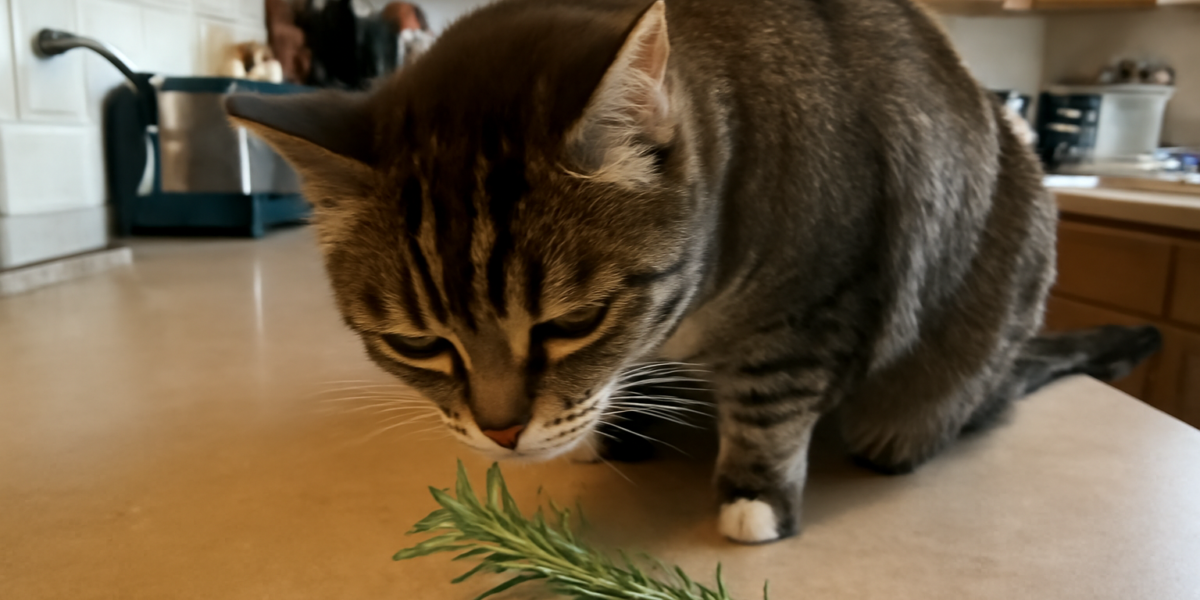
Rosemary is a fragrant herb found in countless kitchens, gardens, and even some commercial cat food ingredient lists. If your cat has been nibbling on your rosemary plant or you are wondering whether the rosemary in your roasted chicken is dangerous if your cat snags a piece, you will be relieved to know that rosemary is one of the safer herbs when it comes to feline safety. The ASPCA lists rosemary (Rosmarinus officinalis) as non-toxic to cats, which sets it apart from many common household plants. However, “non-toxic” does not mean cats should eat rosemary freely or in large quantities. As obligate carnivores, cats have no dietary need for herbs, and consuming significant amounts of rosemary can still cause digestive upset.
Quick Answer: Rosemary is non-toxic to cats and is considered safe by the ASPCA. It is even used as a natural preservative (rosemary extract) in many premium cat foods. However, cats are obligate carnivores with no need for herbs, and eating large amounts of fresh rosemary can cause stomach upset, vomiting, or diarrhea. A nibble here and there is harmless, but rosemary essential oil is a different matter — concentrated rosemary oil can be toxic to cats and should be kept away from them.
Is Rosemary Safe for Cats?
Rosemary is one of the few herbs that receives a clear “non-toxic” designation from the ASPCA for cats, dogs, and horses. This makes it notably safer than many other common plants and herbs, some of which can be quite dangerous to felines (for example, lilies, which can cause fatal kidney failure even from minor contact with pollen).
Rosemary appears in several forms that cats might encounter:
Fresh rosemary sprigs: Safe. If your cat nibbles on a fresh rosemary plant in the garden or on the kitchen counter, there is no cause for alarm. The fibrous, needle-like leaves may cause mild GI irritation if consumed in quantity, but they are not poisonous.
Dried rosemary: Safe in small amounts. Dried rosemary is more concentrated in flavor and essential oils than fresh, so it may be more likely to cause stomach upset. A cat that eats a small amount from a spice container will be fine.
Rosemary extract (in cat food): Safe. Many premium and natural cat food brands use rosemary extract as a natural preservative to prevent fat oxidation. The amount used is very small and has been determined safe for cats through pet food formulation standards. If you see rosemary extract on your cat food ingredient list, there is no reason for concern.
Rosemary essential oil: NOT safe. This is the critical distinction. Essential oils are highly concentrated extracts — far more potent than the whole herb. Rosemary essential oil contains compounds like camphor, 1,8-cineole (eucalyptol), and alpha-pinene in concentrated forms that can be toxic to cats. Cats lack certain liver enzymes (specifically glucuronyl transferase) needed to metabolize many essential oil compounds, making them far more susceptible to essential oil toxicity than humans or dogs. Never apply rosemary essential oil to your cat, diffuse it in enclosed spaces where your cat lives, or allow your cat to ingest it.
Rosemary-seasoned cooked food: The rosemary itself is safe, but the food it is seasoned on may not be. Rosemary is commonly used alongside garlic, onion, butter, and salt — all of which are problematic for cats. A tiny taste of rosemary-flavored chicken (without garlic or onion) is fine, but most rosemary-seasoned dishes contain other dangerous ingredients.
Nutritional Profile of Rosemary
One tablespoon of fresh rosemary contains approximately 2 calories, negligible fat and protein, and small amounts of vitamin A, vitamin C, calcium, iron, and manganese. Rosemary also contains various bioactive compounds including rosmarinic acid, carnosic acid, and carnosol, which have demonstrated antioxidant and anti-inflammatory properties in scientific studies.
From a feline nutritional standpoint, the quantities of vitamins and minerals in rosemary are too small to be meaningful, especially considering the tiny amounts a cat would consume. Cats obtain all necessary nutrients from their meat-based diet, and no vitamin or mineral in rosemary fills a gap that quality cat food leaves open.
The antioxidant compounds in rosemary are the reason it is used as a preservative in pet food. Rosmarinic acid and carnosic acid help prevent lipid oxidation (rancidity) in the fat content of kibble and canned food. In this role, rosemary extract provides a genuine if indirect benefit to cats by keeping their food fresh and palatable.
Potential Benefits of Rosemary for Cats
Rosemary offers a few modest potential benefits:
Natural preservative in food: As noted, rosemary extract is widely used as a natural alternative to synthetic preservatives like BHA and BHT in premium cat foods. Many pet owners and veterinary nutritionists prefer natural preservatives.
Antioxidant properties: The polyphenol compounds in rosemary have demonstrated antioxidant activity in laboratory studies. While there is limited research specifically on cats, the theoretical benefit of antioxidants in reducing cellular oxidative stress applies across species. However, the amount of rosemary a cat would consume from nibbling is unlikely to have a measurable antioxidant effect.
Flea deterrent claims: Some natural pet care sources suggest that rosemary can repel fleas. While rosemary does have some insect-repellent properties, the evidence for its effectiveness as a flea treatment is weak compared to veterinary-approved flea preventatives. Do not rely on rosemary as your cat’s flea protection.
Enrichment and stimulation: Some cats are attracted to the strong scent of rosemary and enjoy sniffing or gently chewing on the plant. As a non-toxic plant, rosemary can provide safe environmental enrichment for indoor cats, offering a change of sensory experience.
Risks and Side Effects of Rosemary for Cats
While rosemary is one of the safer herbs for cats, there are still risks to be aware of:
Gastrointestinal upset from overconsumption: If a cat eats a significant amount of fresh or dried rosemary, the volatile oils and fibrous plant material can cause vomiting, diarrhea, or stomach discomfort. This is more of a GI irritation issue than a toxicity issue, and symptoms typically resolve quickly once the cat stops eating the herb.
Essential oil toxicity: This bears repeating because it is the most serious risk associated with rosemary and cats. Concentrated rosemary essential oil can cause drooling, vomiting, difficulty breathing, tremors, and liver damage in cats. Never use rosemary essential oil in a diffuser in a closed room with your cat, and never apply it to your cat’s fur or skin — cats groom themselves and will ingest anything applied topically.
Seasoning companions: When rosemary is used in cooking, it almost always accompanies garlic, onion, butter, and salt. A cat that eats rosemary-seasoned food is far more likely to be harmed by these accompanying ingredients than by the rosemary itself.
Allergic reaction: While rare, individual cats may be allergic to rosemary. Symptoms could include excessive itching, skin irritation around the mouth, swelling, or disproportionate GI symptoms from a very small amount. If your cat shows an unusual reaction to rosemary, discontinue exposure.
Seizure concern (theoretical): Some sources note that very high doses of rosemary compounds (particularly camphor) can lower seizure thresholds. While this is primarily a concern with essential oils rather than whole herb consumption, cats with epilepsy may benefit from extra caution around concentrated rosemary products.
How to Feed Rosemary to Cats Safely
Since rosemary is non-toxic, the guidelines are more relaxed than for many other human foods — but moderation still applies:
- Kittens: Kittens can safely nibble on fresh rosemary, but discourage significant consumption. Their smaller bodies and developing digestive systems are more sensitive to stomach irritation. One or two nibbles on a rosemary sprig is harmless.
- Adult cats (6–10 lbs): A few fresh rosemary leaves (2-3 small leaves) or a small pinch of dried rosemary is safe. This could be offered once or twice a week without concern.
- Large cats (over 10 lbs): Up to 4-5 fresh rosemary leaves or a small pinch of dried rosemary, once or twice a week.
If your cat has access to a rosemary plant in the garden, occasional nibbling is fine. If they seem to be eating large amounts regularly, consider limiting access — not because of toxicity but to prevent GI upset from overconsumption of plant material.
Never offer rosemary essential oil in any form. Do not add rosemary essential oil to your cat’s food, water, or coat. If you use essential oil diffusers in your home, ensure the room is well-ventilated and your cat can always leave the area.
Signs of a Problem After Eating Rosemary
After eating fresh or dried rosemary:
Mild symptoms (from overconsumption of the herb): Drooling, lip-licking, mild vomiting, soft stool, or decreased appetite. These should resolve within 12 to 24 hours. Ensure fresh water is available.
Moderate symptoms (call your vet): Repeated vomiting, persistent diarrhea, visible abdominal discomfort, or refusal to eat for more than 24 hours. While unusual from rosemary alone, these could indicate the cat consumed something else alongside the rosemary (such as seasoned food with garlic) or has an individual sensitivity.
Severe symptoms (from essential oil exposure — seek emergency care): Difficulty breathing, excessive drooling, tremors, muscle weakness, disorientation, or collapse. These are signs of essential oil toxicity and require immediate veterinary attention. Bring the essential oil product with you so the vet can identify the specific compounds involved.
Alternatives and Related Herbs for Cats
If your cat enjoys interacting with plants and herbs, here are some options along with their safety status:
Cat grass (wheatgrass, oat grass): Specifically grown for cats, these grasses are completely safe and provide fiber that can help with hairball passage. This is the single best plant to offer your cat.
Catnip: Non-toxic and beloved by many cats for its euphoric effects. About 50 to 70 percent of cats respond to catnip. It is safe for regular use and provides excellent enrichment.
Valerian root: Another herb that some cats find stimulating (similar to catnip). Non-toxic, though the strong odor can be unpleasant for humans.
Thyme: Listed as non-toxic by the ASPCA. Like rosemary, small amounts are safe, but the essential oil should be avoided.
Basil: Non-toxic to cats. Fresh basil is safe if your cat nibbles on it, though most cats are not particularly interested.
Herbs to avoid: Oregano (can cause GI irritation), chives (toxic — allium family), and any herb’s essential oil form.
For more information about various foods and feline safety, explore our articles on can cats eat jerky and can cats eat noodles. If you are thinking about adding a cat to your family, visit our adoption page to find cats available through Walk Me Home.
Frequently Asked Questions
Is rosemary extract in cat food safe?
Yes. Rosemary extract used as a natural preservative in cat food is present in very small, carefully controlled amounts. It has been used in pet food manufacturing for many years and is considered safe by veterinary nutritionists and pet food regulatory bodies including AAFCO. It serves an important function in preventing fat oxidation and maintaining food freshness. If your cat’s food lists rosemary extract as an ingredient, there is no reason for concern.
Can I use rosemary essential oil around my cat?
Extreme caution is warranted. Cats are uniquely sensitive to essential oils because they lack key liver enzymes for metabolizing volatile organic compounds. If you use a rosemary essential oil diffuser, ensure the room is well-ventilated, the diffuser is in a large open area, and your cat can freely leave the space. Never use rosemary essential oil directly on your cat’s skin or add it to their food or water. Signs of essential oil sensitivity include respiratory distress, drooling, lethargy, and muscle tremors. If you notice any of these, move your cat to fresh air immediately and contact your vet.
Will rosemary repel fleas on my cat?
Rosemary has mild insect-repellent properties, and some natural pet care products include rosemary in flea sprays or shampoos. However, the evidence for rosemary’s effectiveness as a standalone flea treatment is weak. Commercial rosemary-based flea products use specific formulations tested for both safety and efficacy. Do not attempt to create your own rosemary flea treatment, especially using essential oils. Veterinary-approved flea preventatives are far more effective and safer.
My cat keeps eating my rosemary plant — is that okay?
Occasional nibbling on a rosemary plant is perfectly safe. However, if your cat is consistently eating large amounts of any plant, it may indicate an underlying issue such as a need for more fiber, boredom, or a nutritional deficiency. Provide cat grass as a safe alternative for plant-chewing behavior, and mention the behavior to your veterinarian at your next visit to rule out any nutritional concerns.
Is dried rosemary more dangerous than fresh for cats?
Dried rosemary is more concentrated in volatile oils than fresh rosemary because the water has been removed. This makes it slightly more likely to cause GI irritation per unit weight. However, it is still non-toxic. A cat would need to eat a substantial amount of dried rosemary to experience significant stomach upset. A few flakes that fall on the floor during cooking are completely harmless.
Can rosemary cause seizures in cats?
There is a theoretical concern that camphor — one of the compounds in rosemary — can lower seizure thresholds at very high doses. This is primarily associated with concentrated rosemary essential oil rather than the whole herb. A cat nibbling on a rosemary plant is consuming negligible amounts of camphor. However, if your cat has a seizure disorder, it is reasonable to exercise extra caution and discuss any herbal exposures with your veterinarian.


