
Last updated: April 9, 2026
In this article
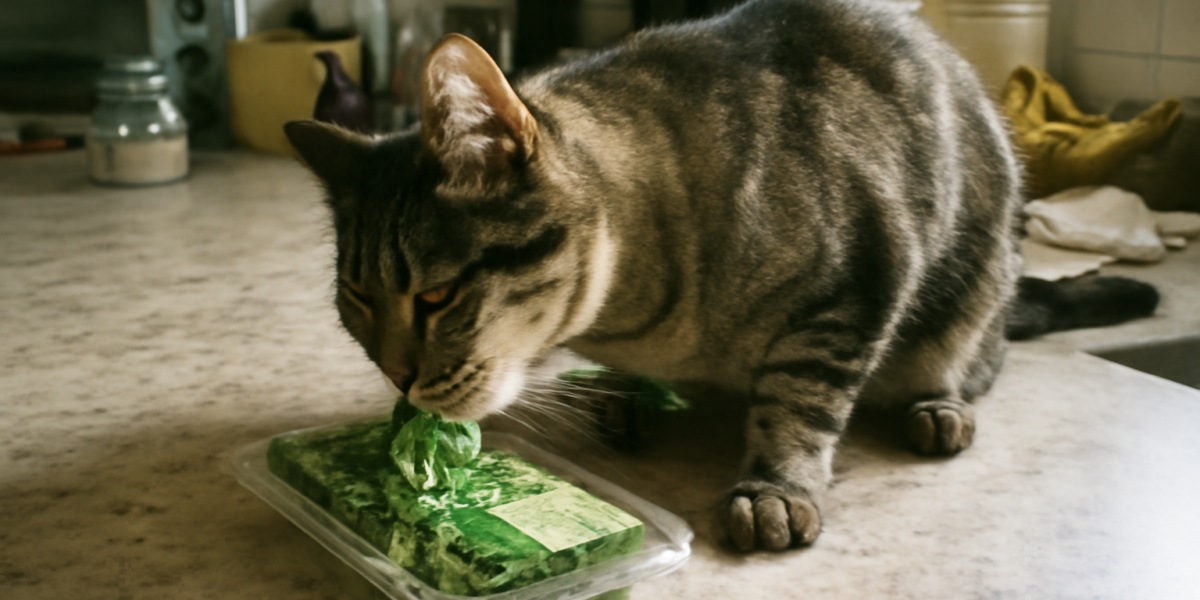
Oregano is a kitchen staple found in countless recipes, from pasta sauces and pizza to soups and grilled meats. Its warm, earthy aroma fills the kitchen when cooking, and cats — with their highly sensitive noses — often take notice. If you have ever caught your cat sniffing the spice rack or investigating a fresh oregano plant, you have probably wondered whether this common herb is safe for felines. Unlike its cousin basil, which is considered non-toxic, oregano sits on the other side of the safety spectrum for cats and requires more caution.
Quick Answer: No, cats should not eat oregano. Oregano (Origanum vulgare) is classified as mildly toxic to cats by the ASPCA. It contains essential oils — primarily carvacrol and thymol — that can cause gastrointestinal irritation, and in larger amounts, more serious symptoms. Oregano essential oil is particularly dangerous and should never be used around cats.
Is Oregano Safe for Cats?
Oregano is not considered safe for cats. The ASPCA lists oregano (Origanum vulgare) as toxic to cats, and this classification applies to the fresh plant, dried herb, and especially the concentrated essential oil.
The toxic compounds in oregano are its essential oils, primarily carvacrol and thymol. These phenolic compounds give oregano its distinctive flavor and aroma and have well-documented antimicrobial properties that make them useful in human health applications. However, cats lack the specific liver enzymes (glucuronyl transferase) needed to metabolize phenolic compounds effectively. This means that even amounts that would be harmless to humans or dogs can accumulate in a cat’s system and cause adverse effects.
The level of danger depends on the form and quantity. A cat that licks a trace amount of dried oregano off a surface is at much lower risk than one that chews on fresh oregano leaves or is exposed to oregano essential oil. However, since oregano is genuinely toxic to cats rather than merely inappropriate, the safest approach is to keep all forms of oregano away from your feline companion.
Nutritional Profile of Oregano and Why It Does Not Benefit Cats
From a human perspective, oregano is a nutritional powerhouse for its size. One teaspoon of dried oregano provides vitamin K, manganese, iron, fiber, and calcium, along with powerful antioxidant compounds. It has been used in traditional medicine for centuries for its antibacterial and anti-inflammatory properties.
For cats, however, these benefits are irrelevant and the risks outweigh any conceivable advantage:
- Antioxidants (rosmarinic acid, thymol): While antioxidants are generally beneficial, the specific compounds in oregano are poorly tolerated by feline livers. Cats get sufficient antioxidants from their commercial diet.
- Antimicrobial compounds (carvacrol): The very property that makes oregano useful for human health is what makes it problematic for cats. Carvacrol is a phenol, and cats are notoriously sensitive to phenolic compounds.
- Vitamins and minerals: The trace amounts present in a cat-sized portion of oregano are nutritionally insignificant and are already provided by balanced cat food.
- Fiber: Cats are obligate carnivores with minimal fiber requirements, which are met by their regular diet.
There is no scenario in which oregano provides a nutritional benefit to a cat that outweighs its toxicity risk.
Risks and Side Effects of Oregano for Cats
The severity of oregano toxicity depends on the amount consumed, the form (fresh, dried, or essential oil), and the individual cat’s size and health status.
Mild exposure (a lick or small nibble of fresh or dried oregano):
- Drooling
- Mild gastrointestinal upset (nausea, vomiting, diarrhea)
- Reduced appetite
Moderate exposure (several leaves or a larger amount of dried oregano):
- Persistent vomiting
- Diarrhea
- Oral irritation (redness, swelling of the mouth and lips)
- Lethargy
- Abdominal pain
Severe exposure (oregano essential oil ingestion or significant plant consumption):
- Liver damage (oregano essential oil is hepatotoxic to cats)
- Difficulty breathing
- Excessive drooling
- Collapse
- In extreme cases, liver failure
Oregano essential oil is the most dangerous form because it concentrates the toxic phenolic compounds to levels many times higher than those found in the plant. A cat that ingests or is heavily exposed to oregano essential oil faces a genuine medical emergency and needs immediate veterinary care.
Chronic low-level exposure is also a concern. Cats that repeatedly nibble on an oregano plant or regularly ingest small amounts of dried oregano from food may accumulate phenolic compounds faster than their liver can eliminate them, leading to gradual organ damage.
What to Do If Your Cat Eats Oregano
Your response should be proportional to the type and amount of oregano your cat consumed:
Trace amount of dried oregano (less than a pinch): Monitor at home. Provide fresh water and watch for vomiting or diarrhea. Most cats will be fine after minimal exposure.
Fresh oregano leaves (one to several leaves): Contact your veterinarian for guidance. Remove any remaining plant material from your cat’s reach. Monitor closely for gastrointestinal symptoms and oral irritation.
Oregano essential oil (any amount): This is a potential emergency. Contact your veterinarian or the ASPCA Animal Poison Control Center (888-426-4435) immediately. Do not induce vomiting unless specifically instructed by a professional. Essential oil toxicity can affect the liver rapidly.
- Kittens: Even trace amounts of oregano are more concerning in kittens due to their small body weight and immature liver function. Contact your vet if a kitten consumes any oregano.
- Adult cats (6–10 lbs): A tiny trace of dried oregano on food is low-risk but should be avoided going forward. Fresh leaves or essential oil exposure warrants a vet call.
- Large cats (over 10 lbs): Slightly more tolerant of incidental trace exposure due to body mass, but the same fundamental toxicity applies. Essential oil exposure is dangerous regardless of cat size.
Signs of Oregano Toxicity in Cats
Watch for the following symptoms in the hours and days following oregano exposure:
- Excessive drooling or hypersalivation
- Vomiting (may contain plant material)
- Diarrhea
- Loss of appetite
- Redness or irritation of the mouth, gums, or lips
- Pawing at the mouth
- Lethargy or depression
- Abdominal tenderness
- Yellowing of gums, eyes, or inner ears (jaundice — indicates liver involvement)
- Difficulty breathing (particularly with essential oil exposure)
Gastrointestinal symptoms from mild exposure typically appear within a few hours and may resolve within 24 hours. Liver-related symptoms from essential oil exposure may take longer to manifest but are more serious. If you notice jaundice, persistent vomiting, or breathing difficulties, seek emergency veterinary care.
Safe Herb Alternatives for Cats
If you enjoy growing herbs and want to ensure your cat’s safety, consider replacing oregano with these cat-friendly options or at least keeping oregano inaccessible:
- Basil: Non-toxic to cats and a versatile culinary herb. See our full guide on can cats eat basil.
- Catnip: A member of the mint family that is famously safe and enjoyable for cats.
- Thyme: Generally considered safe in very small amounts, though the essential oil should still be avoided.
- Cilantro: Non-toxic to cats and frequently grown in kitchen gardens.
- Dill: Safe for cats and provides a different aromatic experience in the garden.
- Cat grass: Purpose-grown wheatgrass or oat grass that satisfies a cat’s urge to nibble on greenery.
Interested in adopting a feline friend? Visit our adoption page to browse cats looking for loving homes.
Frequently Asked Questions
Can cats eat food cooked with oregano?
Ideally, no. While the heat of cooking reduces some of the volatile essential oil content, the toxic phenolic compounds (carvacrol and thymol) are not fully destroyed by cooking. A cat that eats a small bite of food that was lightly seasoned with oregano is unlikely to experience serious effects, but it is best practice not to intentionally feed cats any food containing oregano. If your cat accidentally consumes a small amount, monitor for symptoms but do not panic.
Is oregano essential oil safe to diffuse around cats?
No. Oregano essential oil should not be diffused in homes with cats. The aerosolized phenolic compounds can be inhaled by your cat or settle on their fur and be ingested during grooming. Cats’ inability to metabolize these compounds effectively means that even inhalation exposure can lead to respiratory irritation and, with chronic exposure, potential liver effects. Use only cat-safe essential oils in your home, and always in well-ventilated areas.
What is the difference between oregano and marjoram for cat safety?
Marjoram (Origanum majorana) is closely related to oregano and is also classified as toxic to cats by the ASPCA. Both contain similar phenolic essential oil compounds, though marjoram tends to have a milder flavor and slightly lower essential oil concentration than oregano. Neither should be fed to cats. From a safety perspective, treat them identically and keep both out of your cat’s reach.
My cat nibbled on my oregano plant — will it be okay?
A brief nibble of an oregano plant — one or two small leaf fragments — is unlikely to cause serious harm to a healthy adult cat, but it may cause mild gastrointestinal upset including drooling, nausea, or a brief episode of vomiting. Provide fresh water, monitor your cat for 24 hours, and move the oregano plant to an inaccessible location. If symptoms are more than mild or persist, contact your veterinarian.
Can oregano be used as a natural remedy for cats?
Some alternative health sources promote oregano oil as a natural antibiotic or antifungal for pets. This is dangerous advice for cats specifically. While carvacrol does have genuine antimicrobial properties, it is toxic to feline livers. Never administer oregano oil or oregano supplements to your cat, even in diluted form, without explicit guidance from a veterinarian who is familiar with your cat’s specific health situation. There are safe, effective veterinary treatments for bacterial and fungal infections in cats.
How much oregano is toxic to cats?
There is no established safe threshold for oregano consumption in cats because the toxic response varies by individual, the form of oregano, and the cat’s overall health. As a general principle, fresh oregano and oregano essential oil pose greater risks than small traces of dried oregano in cooked food. Any amount of essential oil should be treated as potentially dangerous. For the plant or dried herb, even a small amount can cause gastrointestinal symptoms in some cats. The safest amount is none at all.


