
Last updated: April 9, 2026
In this article
Can Cats Eat Pasta? Everything You Need to Know
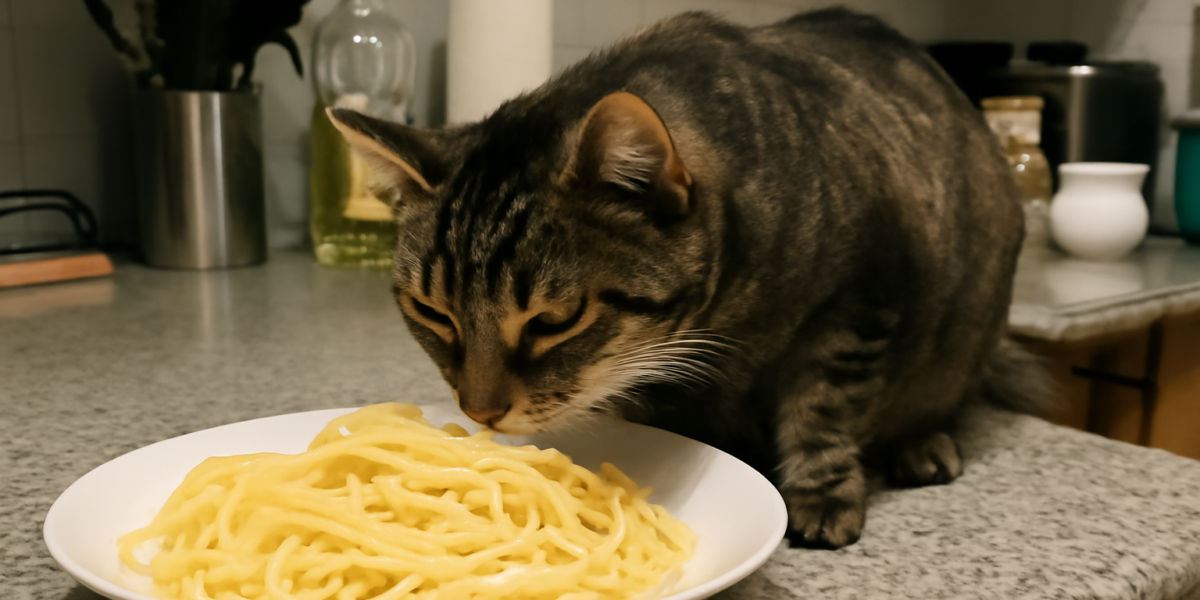
Pasta is one of the most beloved comfort foods worldwide, and it comes in an almost endless variety of shapes, sizes, and preparations. Whether you are boiling a simple plate of spaghetti for dinner or crafting an elaborate lasagna, there is a good chance your cat has shown curiosity about what is on your plate. Cats are notorious for investigating human food, and pasta seems to be one of those foods that many felines find intriguing, perhaps because of its texture, warmth, or the enticing aroma of the sauces that often accompany it.
So can cats eat pasta? In the simplest terms, plain cooked pasta is not toxic to cats and a small nibble is unlikely to cause harm. However, pasta offers virtually no nutritional benefit for cats and comes with several important caveats regarding preparation, ingredients, and the fundamental dietary needs of felines. In this comprehensive guide, we will explore why pasta is a poor dietary choice for cats, which pasta-related ingredients are dangerous, and what you should do if your cat has helped themselves to your dinner plate.
Is Pasta Safe for Cats?
Plain, cooked pasta made from basic ingredients like flour, water, and eggs is not toxic to cats. A small amount of plain pasta will not poison your cat or cause an immediate health crisis. In that limited sense, pasta is technically safe.
However, calling pasta “safe” for cats requires significant qualification. While it will not harm your cat in the way that truly toxic foods like onions, garlic, or chocolate would, pasta is an inappropriate food for cats from a nutritional standpoint. Cats are obligate carnivores, meaning their bodies are biologically designed to derive nutrients almost exclusively from animal-based proteins and fats. Their digestive systems are not equipped to efficiently process large amounts of carbohydrates like those found in pasta.
Cats have a limited ability to digest starch compared to omnivores like dogs and humans. They produce fewer carbohydrate-digesting enzymes and have a shorter digestive tract optimized for protein absorption. When a cat eats a significant amount of pasta, their body must work harder to process the carbohydrates, and much of the caloric content simply contributes to weight gain without providing usable nutrition.
Furthermore, the real dangers with pasta often come not from the noodles themselves but from the ingredients that accompany them. Pasta sauces, seasonings, and toppings can contain a host of ingredients that are genuinely toxic or harmful to cats, including garlic, onions, and certain cheeses. We will explore these dangers in detail below.
If your cat occasionally nibbles a piece of plain pasta that falls on the floor, there is no need to rush to the emergency vet. But deliberately feeding pasta to your cat is not recommended, and it should never become a regular part of their diet. If your cat seems interested in carb-based foods, you may also want to learn about bread and rice safety for cats.
Why Cats Do Not Need Carbohydrates
Understanding why pasta is a poor choice for cats requires a closer look at feline biology and nutritional needs:
Obligate carnivore status: Unlike dogs, which evolved as omnivores alongside humans, cats remained strict carnivores throughout their evolutionary history. Their bodies are optimized for deriving energy from protein and fat rather than carbohydrates. In the wild, a cat’s diet consists almost entirely of small prey animals, with carbohydrate intake limited to the small amount of plant matter found in the stomachs of their prey.
Limited carbohydrate metabolism: Cats have reduced activity of several key enzymes involved in carbohydrate digestion and metabolism. They produce less amylase, the enzyme that breaks down starch, and have lower activity of hepatic glucokinase, an enzyme involved in glucose processing. This means that carbohydrates from pasta are processed inefficiently and are more likely to be stored as fat.
Protein requirements: Cats have unusually high protein requirements compared to most other animals. They need about two to three times more protein per kilogram of body weight than dogs. Every meal that includes significant carbohydrates like pasta displaces the protein-rich foods that cats actually need.
Essential amino acids: Cats require specific amino acids that are found almost exclusively in animal tissues, including taurine and arginine. Taurine deficiency can lead to serious heart disease, vision problems, and reproductive issues. Pasta contains none of these essential amino acids.
Fatty acid needs: Cats require arachidonic acid, a fatty acid found only in animal sources. They cannot synthesize it from plant-based fats. Pasta provides no arachidonic acid.
Vitamin A conversion: Unlike dogs and humans, cats cannot convert beta-carotene from plant sources into vitamin A. They must obtain preformed vitamin A from animal tissues. Again, pasta contributes nothing in this regard.
In summary, while a piece of plain pasta will not actively harm your cat, it occupies valuable stomach space without providing any of the nutrients your cat genuinely needs. It is essentially empty calories for a feline.
Dangerous Pasta Ingredients for Cats
The biggest risks associated with cats and pasta come from the common ingredients used in pasta dishes. Many of these are genuinely toxic to cats:
Garlic: Garlic is toxic to cats and is present in the vast majority of pasta sauces, whether store-bought or homemade. Even small amounts of garlic can cause oxidative damage to a cat’s red blood cells, leading to a condition called Heinz body anemia. Symptoms may not appear immediately and can develop over several days.
Onions: Like garlic, onions and all members of the allium family, including shallots, leeks, and chives, are toxic to cats. They cause the same type of red blood cell damage as garlic. Onion is a common ingredient in pasta sauces, and even onion powder can be dangerous.
Tomato sauce: While ripe tomatoes in very small amounts are not toxic to cats, many tomato-based pasta sauces contain garlic, onions, salt, sugar, and other seasonings that make them unsafe. The acidity of tomato sauce can also cause digestive upset in cats.
Cheese: Many pasta dishes include cheese, and while cheese is not toxic to cats, most adult cats are lactose intolerant. Consuming cheese can lead to digestive distress including bloating, gas, diarrhea, and vomiting. Rich, high-fat cheeses can also contribute to pancreatitis.
Salt: Pasta water is typically heavily salted, and many pasta preparations include additional salt. Excessive sodium can be problematic for cats, potentially leading to increased thirst, dehydration, and in severe cases, sodium ion poisoning.
Butter, cream, and oil: High-fat ingredients commonly used in pasta sauces can trigger digestive upset and, in susceptible cats, contribute to pancreatitis. Even a small amount of a rich cream sauce can cause vomiting and diarrhea in sensitive cats.
Herbs and spices: While some herbs are safe for cats, many seasonings used in pasta dishes are not. Oregano in large amounts can cause digestive upset, and various pepper products can irritate a cat’s digestive tract.
If you are aware that your cat has been exposed to specific food allergies or sensitivities, extra caution with any human food is warranted.
What to Do If Your Cat Eats Pasta
If your cat has consumed some pasta, your response should depend on what type of pasta and how much they ate:
A small amount of plain, cooked pasta: If your cat ate a piece or two of plain pasta with no sauce, seasonings, or toppings, there is generally nothing to worry about. Monitor for any mild digestive upset over the next day, but most cats will process a small amount of plain pasta without any issues.
Pasta with tomato sauce but no garlic or onions: Monitor your cat for digestive upset. The acidity and seasonings in the sauce may cause some stomach irritation, potentially resulting in vomiting or diarrhea. These symptoms are usually mild and self-limiting.
Pasta with garlic or onion-containing sauce: This is where the concern escalates. If your cat has eaten pasta with a sauce containing garlic or onions, contact your veterinarian. Even small amounts of these alliums can cause red blood cell damage. Your vet may want to monitor your cat’s blood work or may recommend inducing vomiting if the ingestion was very recent.
Rich or creamy pasta: If your cat consumed pasta with a heavy cream sauce, cheese sauce, or butter-based preparation, watch for signs of gastrointestinal distress including vomiting, diarrhea, and loss of appetite. While not typically toxic, the high fat content can cause significant digestive upset and may trigger pancreatitis in susceptible cats.
Raw pasta dough: If your cat has eaten raw pasta dough containing yeast, contact your veterinarian immediately. Raw yeast dough can expand in the warm, moist environment of the stomach, causing dangerous bloating and potentially releasing alcohol as a byproduct of fermentation.
Portion Limits and General Guidelines
While we do not recommend pasta as a regular treat for cats, we understand that some cat owners may occasionally want to share a small amount. If you choose to do so, follow these strict guidelines:
Maximum portion: No more than one or two small pieces of plain, cooked pasta at a time. We are talking about a single short piece of spaghetti or one small shell. This should be offered no more than very occasionally, certainly not as a daily or even weekly habit.
Always plain: The pasta must be completely plain, cooked in unsalted water, with absolutely no sauce, butter, oil, cheese, or seasonings of any kind. If you have cooked pasta with salt in the water, it is better not to share it with your cat.
Consider the calories: Even a small amount of pasta can represent a disproportionate share of a cat’s daily caloric needs. A single ounce of cooked pasta contains about 30 to 40 calories. For a typical indoor cat consuming 200 to 250 calories per day, even a small serving of pasta could represent 15 to 20 percent of their daily calories without providing any essential nutrients.
Never as a meal replacement: Pasta should never replace any portion of your cat’s regular, nutritionally complete cat food. Even as a treat, it takes the place of something that could be nutritionally beneficial.
Better alternatives: If you want to give your cat a treat, consider options that actually align with their nutritional needs. Small pieces of plain, cooked chicken, turkey, or fish are far more appropriate and provide the animal protein that cats require. Commercial cat treats formulated for feline nutrition are another good option.
Cats with health conditions: Cats with diabetes, obesity, gastrointestinal conditions, or food sensitivities should not be given pasta at all. The carbohydrate content can exacerbate blood sugar management issues and contribute to weight problems.
Signs of Problems After Eating Pasta
After your cat eats pasta, particularly pasta with any kind of sauce or seasoning, watch for these signs:
Mild, self-limiting symptoms: A slightly softer stool, a brief episode of gas, or temporary loss of interest in their next meal. These are common and usually resolve within a day without any intervention.
Digestive distress: Vomiting, diarrhea, excessive gas, or loss of appetite lasting more than 24 hours. These symptoms suggest that the pasta, or more likely its accompaniments, are not agreeing with your cat. Ensure fresh water is available and contact your veterinarian if symptoms persist.
Signs of allium toxicity from garlic or onion: If your cat ate pasta with garlic or onion, watch for lethargy, weakness, pale gums, decreased appetite, dark-colored urine, increased respiratory rate, and jaundice (yellowing of the gums or whites of the eyes). These symptoms may take two to five days to appear. This is a veterinary emergency.
Signs of pancreatitis: Persistent vomiting, severe abdominal pain, fever, lethargy, and loss of appetite. Pancreatitis can be triggered by high-fat foods and requires prompt veterinary treatment.
Signs of intestinal obstruction from raw dough: Unproductive retching, abdominal bloating, severe distress, inability to keep food or water down, and lethargy. This is an emergency requiring immediate veterinary care.
Frequently Asked Questions
Can cats eat raw pasta?
Raw, dried pasta is not toxic to cats, but it is not recommended. Dried pasta is very hard and can be difficult for cats to chew and swallow safely. Small pieces could pose a choking hazard or potentially cause irritation to the esophagus and stomach lining. More importantly, raw pasta provides even less nutritional value than cooked pasta and is harder to digest. If your cat has eaten a small piece of dry pasta, it will likely pass through without issue, but do not offer it intentionally.
Is whole wheat pasta better for cats than regular pasta?
Whole wheat pasta offers slightly more fiber and nutrients than refined white pasta, but this distinction is largely irrelevant for cats. Cats cannot efficiently utilize the nutrients in grain-based foods regardless of whether the grain is whole or refined. Neither type of pasta provides the animal-based nutrients that cats need, and both represent empty calories from a feline nutritional perspective. If you must share a tiny amount of pasta with your cat, the type of pasta matters far less than keeping the portion minimal and completely plain.
My cat seems obsessed with pasta. Why?
Some cats develop a fascination with pasta, and this can be puzzling since cats cannot taste sweetness and have no biological need for carbohydrates. The attraction is likely related to other factors. Cats may be drawn to the texture of pasta, particularly when it is warm and soft. The smell of cooked pasta, especially if it carries traces of butter or sauce from your plate, can also be enticing. Additionally, some cats simply enjoy participating in their owner’s mealtime and are attracted to whatever their human is eating. If your cat is persistently drawn to pasta, it is worth ensuring they are being fed enough of their regular food and that their diet meets all their nutritional needs.
Can cats eat gluten-free pasta?
Gluten-free pasta made from rice, corn, or other alternative flours is generally no more or less appropriate for cats than regular wheat pasta. The main concern with cats and pasta is not gluten but the fact that pasta is a carbohydrate-heavy food with no nutritional benefit for obligate carnivores. That said, if your cat has a known sensitivity to wheat or gluten, which is uncommon but possible, a gluten-free variety would be the safer choice for the rare occasions when a cat might consume a small piece.
While pasta will not immediately harm your cat in small, plain amounts, it is fundamentally misaligned with feline nutritional requirements. The best approach is to keep your pasta to yourself and offer your cat treats that actually support their health and well-being. High-quality, protein-rich cat food and treats are always a better choice than any human carbohydrate, no matter how much your cat seems to want what is on your plate.


