
Last updated: May 4, 2026
In this article
Can Cats Eat Tomatoes? What Every Cat Owner Should Know
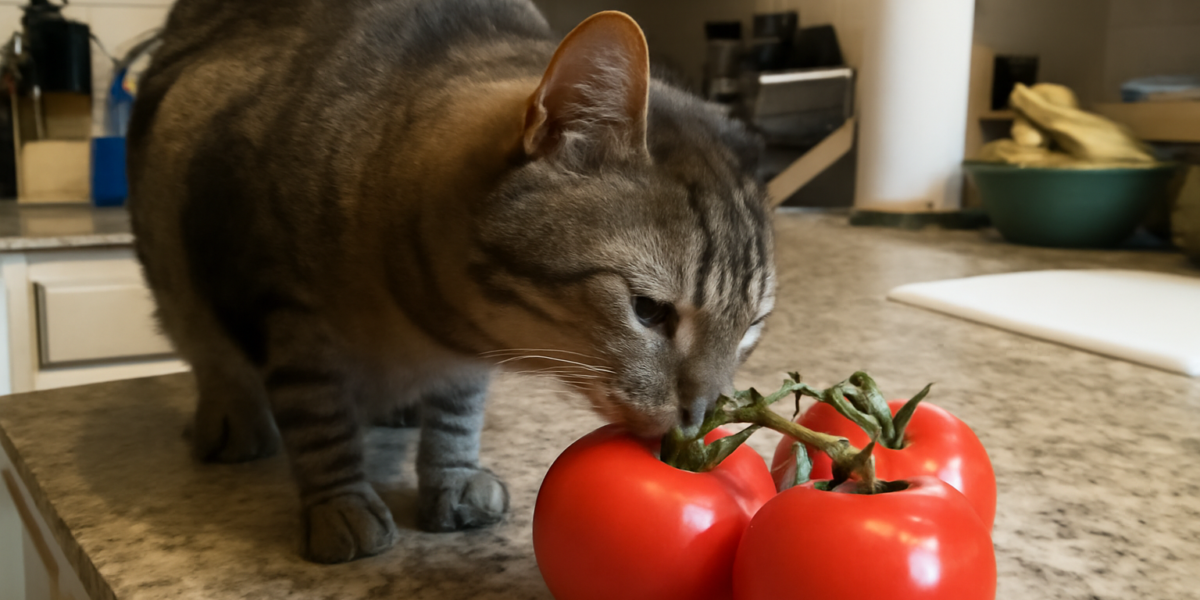
Tomatoes are a kitchen staple found in households everywhere, and if you have ever caught your cat investigating a tomato on the counter, you have likely wondered whether it poses a risk. The answer to whether cats can eat tomatoes is not a simple yes or no. It depends critically on which part of the tomato plant is involved and how ripe the fruit is. The ripe red flesh of a tomato can be offered to cats in tiny amounts without toxic effects, but the green parts of the tomato plant, including stems, leaves, and unripe green fruit, contain compounds that are genuinely toxic to cats. This distinction is essential for every cat owner to understand, and this article provides a complete guide to navigating the complex relationship between cats and tomatoes.
Is Tomatoes Safe for Cats?
The safety of tomatoes for cats is conditional and depends on the specific part of the plant being discussed. Understanding the distinction between safe and toxic components is critical.
Ripe tomato flesh: The fully ripe, red flesh of a tomato is not toxic to cats. When a tomato reaches full ripeness, the levels of potentially harmful compounds drop to negligible amounts. A small piece of ripe, plain tomato flesh is unlikely to cause harm to a healthy adult cat. However, even ripe tomato flesh is not particularly nutritious or appealing to most cats, and it is generally not recommended as a regular treat.
Green parts of the tomato plant: The stems, leaves, vines, and unripe green fruit of the tomato plant contain two toxic glycoalkaloids: solanine and tomatine (also called alpha-tomatine). These compounds are part of the nightshade family’s natural defense mechanism against pests and herbivores. Tomatoes belong to the Solanaceae family, which also includes potatoes, eggplant, and deadly nightshade. While tomatoes are not as potently toxic as some of their nightshade relatives, the green portions contain enough of these glycoalkaloids to cause poisoning in cats.
Symptoms of tomato plant toxicity in cats can include loss of appetite, excessive drooling, vomiting, diarrhea, lethargy, abdominal pain, dilated pupils, and in severe cases, decreased heart rate or muscle tremors. Most cases are mild and self-limiting because cats typically do not consume large quantities, but any cat showing symptoms after exposure should be evaluated by a veterinarian promptly.
Tomato-based products: Tomato sauce, ketchup, tomato paste, salsa, tomato soup, and other processed tomato products should not be given to cats. These products invariably contain added ingredients including salt, sugar, garlic, onion, herbs, spices, and preservatives that are harmful to cats. Garlic and onion in particular are toxic to felines and are present in virtually all prepared tomato products. Even organic or low-sodium tomato sauces typically contain seasonings that are inappropriate for cats.
Nutritional Value of Tomatoes for Cats
Ripe tomatoes contain several nutrients that are beneficial for humans, but their relevance to feline nutrition is minimal. Here is what tomatoes offer and why it matters little for your cat.
- Lycopene: Tomatoes are famous for their lycopene content, a powerful carotenoid antioxidant that gives them their red color. In humans, lycopene has been studied extensively for its potential cardiovascular and cancer-preventing properties. However, research on lycopene benefits specifically in cats is extremely limited. Cats do not require lycopene in their diet, and there is no established role for this compound in feline health.
- Vitamin C: Tomatoes are a good source of vitamin C for humans, but cats synthesize their own vitamin C in their liver and do not need dietary supplementation. Feeding vitamin C-rich foods to cats provides no advantage.
- Vitamin A: Tomatoes contain beta-carotene, which humans convert to vitamin A. However, cats cannot efficiently convert beta-carotene to usable vitamin A. Cats require preformed vitamin A from animal sources, making the beta-carotene in tomatoes of limited nutritional utility for felines.
- Potassium: Tomatoes provide potassium, an important mineral for heart and muscle function. Cats obtain adequate potassium from their balanced commercial diet, and the amount in a cat-appropriate serving of tomato is negligible.
- Water content: Tomatoes are approximately 95 percent water, meaning their nutrient density per bite is relatively low.
Potential Risks and Side Effects
The risks associated with tomatoes and cats are substantial enough that many veterinarians recommend simply avoiding tomatoes altogether. Understanding these risks in detail will help you make the safest decisions for your cat.
Solanine and tomatine toxicity: This is the primary and most serious risk. The green parts of tomato plants, including leaves, stems, and unripe green fruit, contain glycoalkaloid compounds that can poison cats. The concentration of these compounds is highest in the leaves and stems, moderate in unripe green tomatoes, and minimal in fully ripe red fruit. Even a small amount of leaf or stem material can cause gastrointestinal irritation, and larger amounts can produce more severe symptoms including neurological effects. Cats with access to gardens where tomato plants are growing are at particular risk.
Gastrointestinal upset: The acidity of tomatoes (pH 4.3 to 4.9) can irritate a cat’s stomach lining and lead to nausea, vomiting, or diarrhea, especially in cats with sensitive stomachs.
Tomato product dangers: Processed tomato products contain garlic and onion, which are toxic to cats and can cause Heinz body anemia through oxidative damage to red blood cells. Symptoms include weakness, rapid breathing, pale gums, and dark urine.
Pesticide residue: Tomatoes are among the produce items most frequently treated with pesticides. If you do offer tomato to your cat, choosing organic tomatoes and washing them thoroughly helps reduce this risk.
How to Safely Offer Tomatoes to Your Cat
If you choose to offer your cat a taste of ripe tomato despite the limited benefits, following strict preparation guidelines will minimize any potential risks.
- Select only fully ripe tomatoes: The tomato must be completely ripe with uniformly red flesh. Any green portions on the fruit indicate the presence of higher levels of solanine and tomatine. Do not offer tomatoes that have green shoulders, are partially green, or are not yet fully ripened.
- Remove all green parts: Cut away the stem scar and any remaining calyx (the green star-shaped cap where the stem attaches). Remove any traces of vine or stem material. Even small amounts of green plant material can contain enough glycoalkaloids to cause stomach upset.
- Remove seeds and skin if possible: While not toxic, tomato seeds and skin are harder for cats to digest. For the most digestible offering, scoop out the seeds and peel the skin, leaving only the soft flesh.
- Cut into very small pieces: Dice the tomato flesh into tiny pieces no larger than the size of a pea. This prevents choking and makes the tomato easier for your cat to eat and digest.
- Serve plain and fresh: Offer the tomato pieces at room temperature without any salt, oil, dressing, or seasoning. Do not cook the tomato in sauce or with any additives. Use only fresh tomato, never canned, jarred, or processed tomato products.
- Offer a single tiny piece first: Give your cat just one small piece and observe their response. Most cats will sniff it and walk away, as the acidic scent and flavor of tomatoes do not appeal to feline senses. If your cat does eat it, monitor for any digestive issues over the next 24 hours.
Most cats show little to no interest in tomatoes. Cats are attracted to meaty, fatty flavors and tend to be repelled by the acidic scent and taste of tomatoes, which is arguably their instincts working correctly.
How Much Tomatoes Can Cats Have?
If your cat happens to enjoy a nibble of ripe tomato, the appropriate amount is extremely small. One or two small pieces of ripe tomato flesh, roughly one teaspoon worth, is more than sufficient. This should be offered very infrequently, no more than once a week at the absolute most, and many veterinarians would suggest keeping it even rarer than that.
There is no nutritional reason to feed tomatoes to your cat. Every nutrient they provide is either unnecessary for cats or available in better form from other sources.
Cats in the following categories should not be given tomatoes at all:
- Cats with gastrointestinal conditions such as inflammatory bowel disease, gastritis, or acid reflux, as the acidity of tomatoes can exacerbate these conditions
- Cats with known food allergies or sensitivities
- Cats with kidney disease, as the potassium content should be carefully managed
- Kittens, whose digestive systems are still developing
- Cats currently taking medications that may interact with nightshade family compounds
If you grow tomato plants at home, take steps to prevent your cat from accessing the leaves, stems, or unripe fruit. Fencing, netting, or enclosed growing areas are effective strategies. Always remove all green plant material before bringing garden tomatoes into your kitchen.
Frequently Asked Questions
Q: Can kittens eat tomatoes?
A: Tomatoes are not recommended for kittens. Kittens have developing digestive systems that are more sensitive to acidic foods and potential irritants. They also have a lower body weight, which means that even trace amounts of solanine or tomatine from inadvertent green material exposure would have a proportionally greater effect. Kittens need a diet focused entirely on high-quality, protein-rich kitten food to support their rapid growth and development. There is absolutely no benefit to introducing tomatoes to a kitten’s diet.
Q: My cat chewed on my tomato plant leaves. Should I be concerned?
A: Yes, you should be concerned and should monitor your cat closely. Tomato plant leaves contain the highest concentration of solanine and tomatine among all parts of the plant. Contact your veterinarian or an animal poison control hotline to report the exposure. Watch for symptoms including drooling, vomiting, diarrhea, lethargy, loss of appetite, and any behavioral changes. Provide information about how much plant material your cat may have consumed and when the exposure occurred. While most cases of tomato plant ingestion in cats are mild, veterinary guidance ensures appropriate monitoring and intervention if symptoms develop.
Q: Can cats eat tomato sauce, ketchup, or tomato soup?
A: No, cats should not eat any processed tomato products. Tomato sauce almost universally contains garlic and onion, which are toxic to cats. Ketchup is loaded with sugar, salt, and vinegar. Tomato soup typically contains cream, salt, onion, and various seasonings. Even simple marinara sauce contains olive oil and herbs that are unnecessary and potentially irritating for cats. The only form of tomato that is potentially acceptable for cats is a small piece of fresh, ripe, plain tomato flesh with all green parts removed.
Q: Are cherry tomatoes or grape tomatoes safer for cats than regular tomatoes?
A: The safety principles are the same across all tomato varieties: ripe flesh is not toxic, while green parts contain solanine and tomatine. Small tomato varieties may pose a choking risk if a cat tries to swallow one whole, so always cut them into pieces and remove the stem attachment. Some cherry tomato varieties remain partially green even when ripe, making it harder to determine full ripeness.
Q: Why do some cat foods list tomato pomace as an ingredient if tomatoes are risky for cats?
A: Tomato pomace is a byproduct of tomato processing consisting of the skin, pulp, and crushed seeds of ripe tomatoes. It is made exclusively from fully ripe tomatoes with no green plant material, and the processing reduces any trace glycoalkaloid content. In the controlled amounts used in commercial cat food, tomato pomace is considered safe by regulatory bodies. This is fundamentally different from feeding fresh tomatoes to your cat.


