
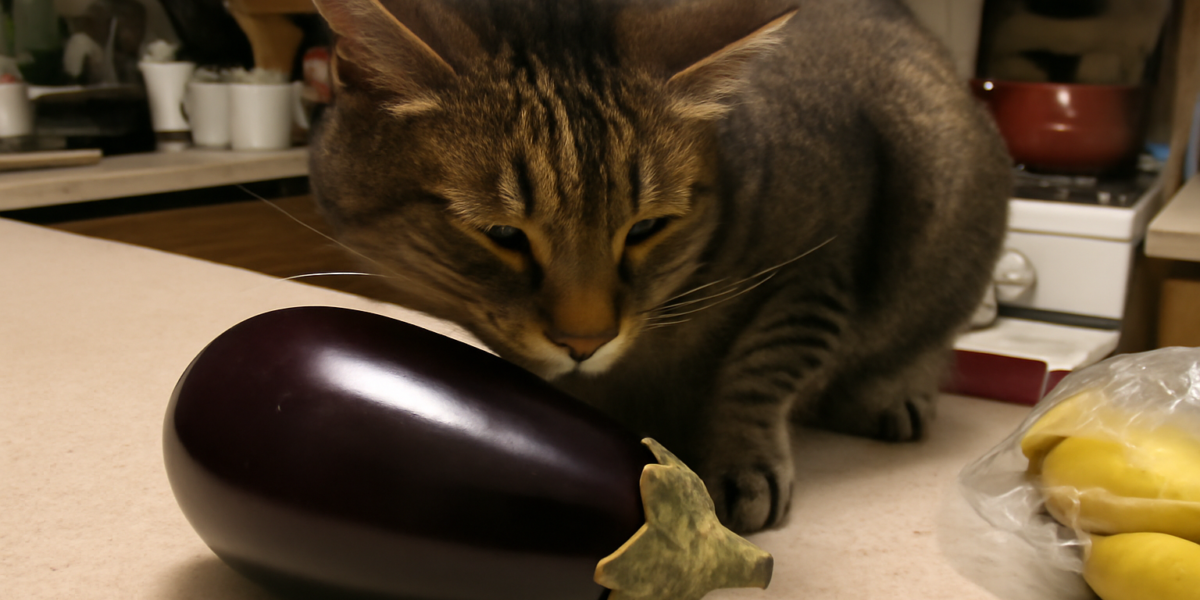
Can Cats Eat Eggplant?
When it comes to the question, “Can cats eat eggplant?” the answer is generally no. Eggplant contains certain compounds that can be harmful to your feline friend. While a tiny amount of cooked eggplant might not cause immediate harm, it’s best to avoid feeding it to your cat altogether.
In this article
Is Eggplant Safe for Cats?
Eggplant, also known as aubergine, is a member of the nightshade family. This group of plants contains solanine, a compound that is toxic to cats. Ingesting solanine can lead to gastrointestinal upset and other health issues in your pet. While people can eat eggplant with no problem, cats have a more sensitive digestive system and are unable to process solanine safely.
Nutritional Benefits of Eggplant for Cats
Eggplant is low in calories and contains vitamins and minerals like vitamin C, vitamin K, vitamin B6, and potassium. However, these nutrients are not essential for cats, who are obligate carnivores. Cats obtain necessary nutrients primarily from animal sources, and the nutrients found in eggplant are not in a bioavailable form for felines. Therefore, feeding eggplant to your cat for its nutritional content is not advisable.
Risks and Side Effects
Feeding eggplant to your cat can result in several adverse effects due to the presence of solanine. Potential side effects include vomiting, diarrhea, and lethargy. In severe cases, ingesting significant amounts of solanine can lead to neurological symptoms. It is crucial to monitor your cat and contact a veterinarian if you suspect they have consumed eggplant.
How to Serve Eggplant to Your Cat
While it’s best to avoid giving your cat eggplant, if you choose to offer it, ensure it is cooked thoroughly and served in minimal amounts. Cooking can reduce solanine levels but not eliminate them entirely. Never season the eggplant with salt, garlic, or onions, as these are also harmful to cats. It’s always best to consult with your veterinarian before introducing any new food into your cat’s diet.
How Much Eggplant Can Cats Eat?
If your veterinarian gives the green light for a small taste, offer no more than a pea-sized portion of cooked eggplant to your cat. Even then, it should not be a regular part of their diet. Cats have specific dietary requirements that are best met through high-quality commercial cat food and meat-based proteins. For more on what cats should eat, check out our article on can cats eat broccoli.
Signs of an Adverse Reaction
After feeding your cat eggplant, watch for signs of an adverse reaction. Symptoms to look out for include vomiting, diarrhea, drooling, and signs of discomfort. If you notice any of these symptoms, contact your veterinarian immediately. Early intervention can prevent more severe health issues from developing.
Frequently Asked Questions
Can eggplant be a regular part of my cat’s diet?
No, eggplant should not be a regular part of your cat’s diet due to its solanine content, which can be harmful to cats.
What should I do if my cat ate a large amount of eggplant?
If your cat has consumed a large amount of eggplant, contact your veterinarian immediately. They can provide guidance and treatment to prevent serious health issues.
Are there any vegetables safe for cats to eat?
Yes, some vegetables are safe in small amounts, such as cooked carrots and peas. For more information, read our article on can cats eat carrots.
What other common foods are toxic to cats?
Other foods toxic to cats include onions, garlic, chocolate, and grapes. Learn more in our comprehensive guide on can cats eat grapes.


